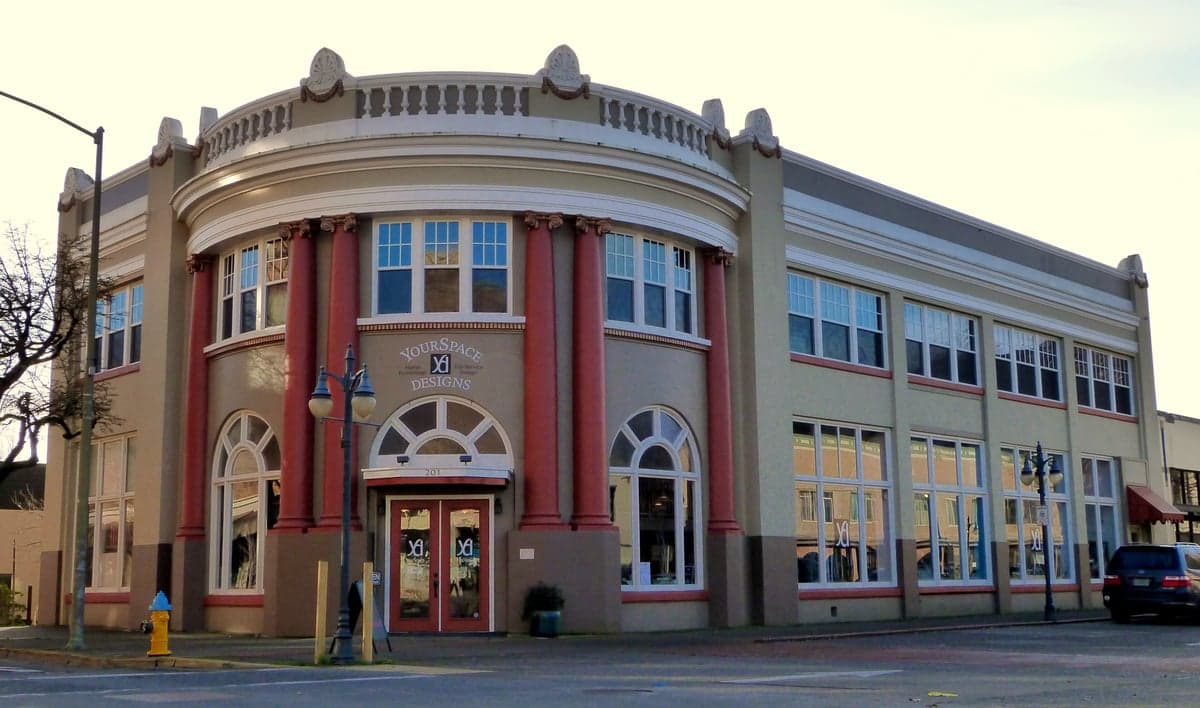
Photo: Wikipedia
Quality of Life in Coos County
A livable area that tracks near national norms for affordability, walkability, and neighborhood health.
What does Quality of Life tell us?
Quality of Life measures an area by evaluating factors like cost of living, nearby amenities, country club access, airport proximity, socioeconomic signals and neighborhood character. For large states, this is a general average — quality of life can vary dramatically between metro areas, suburbs, and rural communities within the same state.
What does this tell us?
Quality of Life measures an area by evaluating factors like cost of living, nearby amenities, country club access, airport proximity, socioeconomic signals and neighborhood character. For large states, this is a general average — quality of life can vary dramatically between metro areas, suburbs, and rural communities within the same state.
Cost of Living
6% below national average
70%
The Real Cost of Living in Coos County for 2026
| Tier | Individual | Family (4) |
|---|---|---|
| Survival | $16k | $30k |
| Comfortable | $59k | $86k |
| Luxury | $105k+ | $162k+ |
| Elite (Top 5%) | $123k+ | $191k+ |
Quality-of-Life Analysis
Coos County, Oregon, offers a quality-of-life spectrum that ranges from the working waterfront of its largest city, Coos Bay, to the quiet, unincorporated hamlets and forested rural stretches of the South Coast. The county draws a mix of retirees seeking affordable coastal property, outdoor recreationists, and workers in healthcare, education, and the maritime trades. With a cost of living index of 94 — six points below the national average — and a median home value of $302,800, the county provides one of the most affordable coastal living options on the West Coast, though amenities and daily life vary significantly depending on whether one lives in a population center, a small town, or a remote rural pocket.
Largest town(s) & population centers
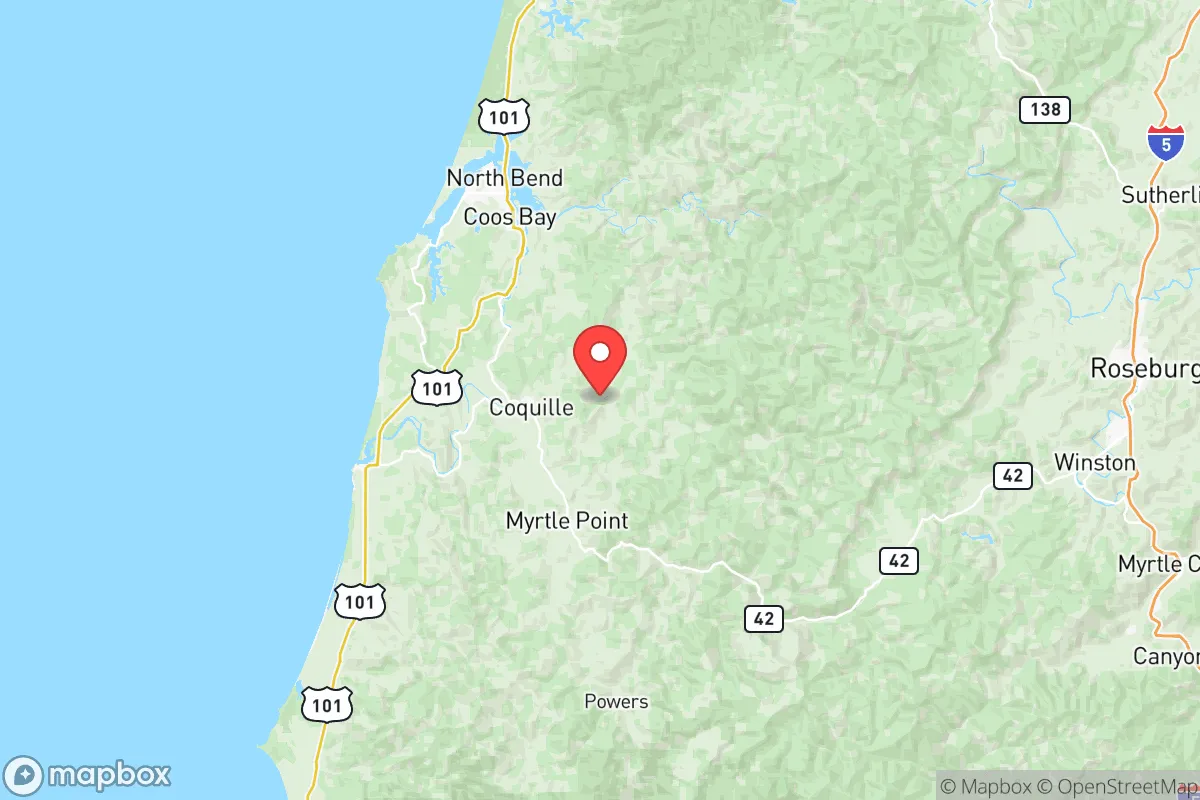
The primary population hub is the combined urban area of Coos Bay and North Bend, which together house roughly 25,000 residents. Coos Bay is the county seat and commercial center, with a hospital, community college (Southwestern Oregon Community College), and the largest concentration of retail and dining on the southern Oregon coast. North Bend, just across the bay, is home to the Southwest Oregon Regional Airport and a more suburban feel with newer housing developments. Daily life in these towns revolves around local services, the waterfront, and a commute that averages just 19 minutes — well below the national norm. The median rent of $992 makes these towns significantly cheaper than coastal cities like Newport or Astoria, though job growth has been modest outside of healthcare and education. For families and professionals who want walkable neighborhoods, a library, and a movie theater without leaving the coast, Coos Bay and North Bend are the most practical choices in the county.
Smaller towns & rural pockets
South of Coos Bay, Bandon (population ~3,200) offers a more tourist-oriented small-town atmosphere with a famous golf resort, a historic Old Town district, and a working harbor. Bandon draws retirees and second-home buyers, and its housing stock tends to be pricier than Coos Bay's, though still below state averages. Further south, Port Orford (population ~1,100) is a rugged fishing community with a dramatic coastline and a distinctly slower pace — it is the westernmost incorporated city in the contiguous United States. Inland, Myrtle Point and Powers are former timber towns where the median home value drops well below the county average; Powers, with fewer than 700 residents, sits deep in the Coast Range and offers a remote, forested lifestyle with limited services. Unincorporated areas like Charleston, near the mouth of Coos Bay, and Lakeside, on Tenmile Lake, attract anglers and boaters who want water access without the density of a town center.
Cost & lifestyle range
The cost spread across Coos County is wide. At the higher end, Bandon and waterfront properties in Charleston or along the Coquille River can push home values above $400,000, while the county median of $302,800 reflects the more affordable stock in Coos Bay, North Bend, and Myrtle Point. Renters benefit from the county's low median rent of $992, which is roughly $300 below the Oregon state median. At the lower end, Powers and remote stretches of the Coquille Valley offer homes under $200,000, but with trade-offs: fewer jobs, longer drives to grocery stores and medical care, and limited internet access in some areas. The average commute of 19 minutes is a countywide figure, but residents of Powers or rural Allegany may drive 30–40 minutes one way to reach Coos Bay for work or shopping. Lifestyle preferences in the county break along this axis: those who prioritize convenience and services choose the Coos Bay–North Bend corridor; those who want solitude, land, or direct ocean access gravitate toward the smaller coastal towns or inland valleys.
Who thrives in Coos County? Retirees on fixed incomes, remote workers who value low rent and coastal scenery, and people employed in healthcare, education, or the fishing and timber industries find the most practical fit. The county lacks the high-end job base and cultural amenities of Portland or Eugene, but its low cost of living, short commutes, and access to uncrowded beaches and rivers make it a strong choice for those who prioritize affordability and outdoor recreation over urban convenience.

Crime in Coos County
Crime rates similar to the national median for U.S. locations.
Violent CrimeViolent Crime Analysis
Property CrimeProperty Crime Analysis
Crime Analysis
Coos County, Oregon, reports a violent crime rate of 311.2 per 100,000 residents and a property crime rate of 2,135.5 per 100,000, placing it above both state and national averages for property offenses. The county’s overall safety picture is mixed: while violent crime is roughly in line with Oregon’s statewide rate, property crime—particularly theft and burglary—is a more pressing concern for residents in communities like Coos Bay, North Bend, and Bandon. The county’s rural character and reliance on tourism and natural resources mean that crime patterns vary significantly between the coastal towns and the more remote inland areas.
Crime in context
Coos County’s violent crime rate of 311.2 per 100,000 is slightly above the national average of 300 per 100,000 but below Oregon’s overall rate of 320 per 100,000. Property crime, however, is notably higher: at 2,135.5 per 100,000, it exceeds both the national average of 1,954 per 100,000 and Oregon’s state average of 1,980 per 100,000. The county’s largest city, Coos Bay, accounts for a disproportionate share of reported incidents, with property crime rates in its downtown and waterfront areas running 15-20% higher than the county average. By contrast, the smaller towns of Lakeside and Powers report significantly lower property crime rates, often 30-40% below the county mean, reflecting their smaller populations and less transient visitor traffic. The Coos County District Attorney’s office, which operates under a conservative-leaning judicial philosophy, has prioritized property crime enforcement, but the county’s limited law enforcement resources—only about 1.2 officers per 1,000 residents—constrain proactive patrols in outlying areas.
What residents experience
Residents in Coos County most frequently encounter property crime, particularly vehicle break-ins and residential burglary, which are concentrated in Coos Bay’s Empire District and along Highway 101 near North Bend. Theft from vehicles accounts for roughly 40% of all property crime reports, with tourists and seasonal workers in Bandon and Charleston being common targets. Violent crime is less common but more visible in specific contexts: domestic violence incidents make up about 60% of reported violent crimes, while stranger-on-stranger assaults are rare outside of bar-related disputes in Coos Bay’s downtown. The county’s progressive-leaning judicial district, which includes Coos Bay and North Bend, has seen criticism from local safety advocates who argue that lenient sentencing for repeat property offenders—often tied to drug addiction—contributes to a revolving-door effect. In 2024, the county’s recidivism rate for property crime stood at 38%, compared to the state average of 32%, a gap that residents in Coos Bay and Bandon frequently cite in community meetings as a driver of persistent theft issues.
Neighborhood-level variation is pronounced. The safest areas in Coos County are typically the smaller, more isolated communities: Lakeside and Powers report violent crime rates below 150 per 100,000, roughly half the county average, and property crime rates under 1,200 per 100,000. In contrast, Coos Bay’s Eastside neighborhood and North Bend’s Sherman Heights area see property crime rates exceeding 2,800 per 100,000, driven by proximity to major roads and commercial corridors. The unincorporated areas around Myrtle Point and Allegany offer a middle ground, with crime rates near the county median but with longer emergency response times—often 15-20 minutes versus 5-8 minutes in Coos Bay. For prospective residents, the choice often comes down to balancing the convenience of coastal towns with the lower crime risk of inland communities, though the county’s overall property crime trend has been stable since 2022, with a slight decline of 3% in 2025.
* Values derived from national, state, county, city and local statistics and may differ in a specific area. Last updated: 2026-06-16T23:33:58.000Z
Narrative content on this page is AI-generated and may contain mistakes. Verify any details that matter before acting on them.
ReloMaps may earn a commission from affiliate links at no extra cost to you.

