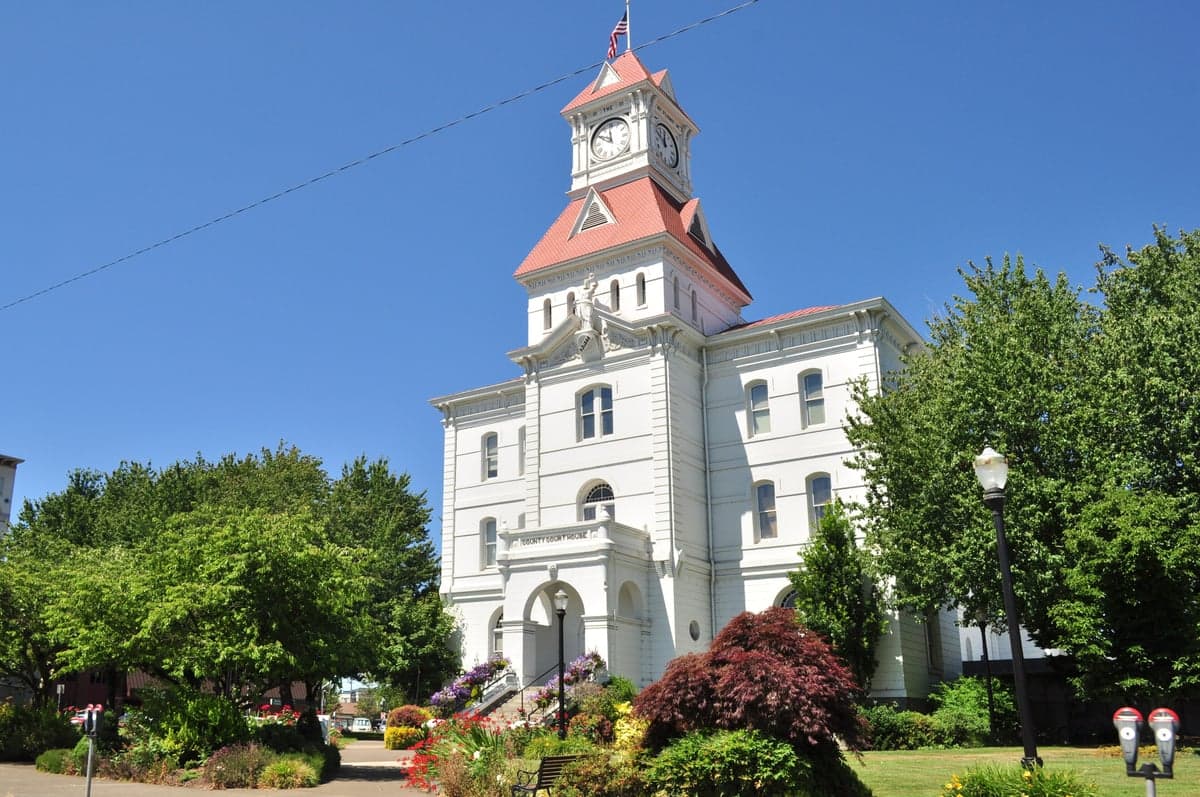
Photo: Wikipedia
Quality of Life in Benton County
A livable area that tracks near national norms for affordability, walkability, and neighborhood health.
What does Quality of Life tell us?
Quality of Life measures an area by evaluating factors like cost of living, nearby amenities, country club access, airport proximity, socioeconomic signals and neighborhood character. For large states, this is a general average — quality of life can vary dramatically between metro areas, suburbs, and rural communities within the same state.
What does this tell us?
Quality of Life measures an area by evaluating factors like cost of living, nearby amenities, country club access, airport proximity, socioeconomic signals and neighborhood character. For large states, this is a general average — quality of life can vary dramatically between metro areas, suburbs, and rural communities within the same state.
Cost of Living
38% above national average
55%
The Real Cost of Living in Benton County for 2026
| Tier | Individual | Family (4) |
|---|---|---|
| Survival | $22k | $41k |
| Comfortable | $94k | $138k |
| Luxury | $137k+ | $213k+ |
| Elite (Top 5%) | $167k+ | $258k+ |
Quality-of-Life Analysis
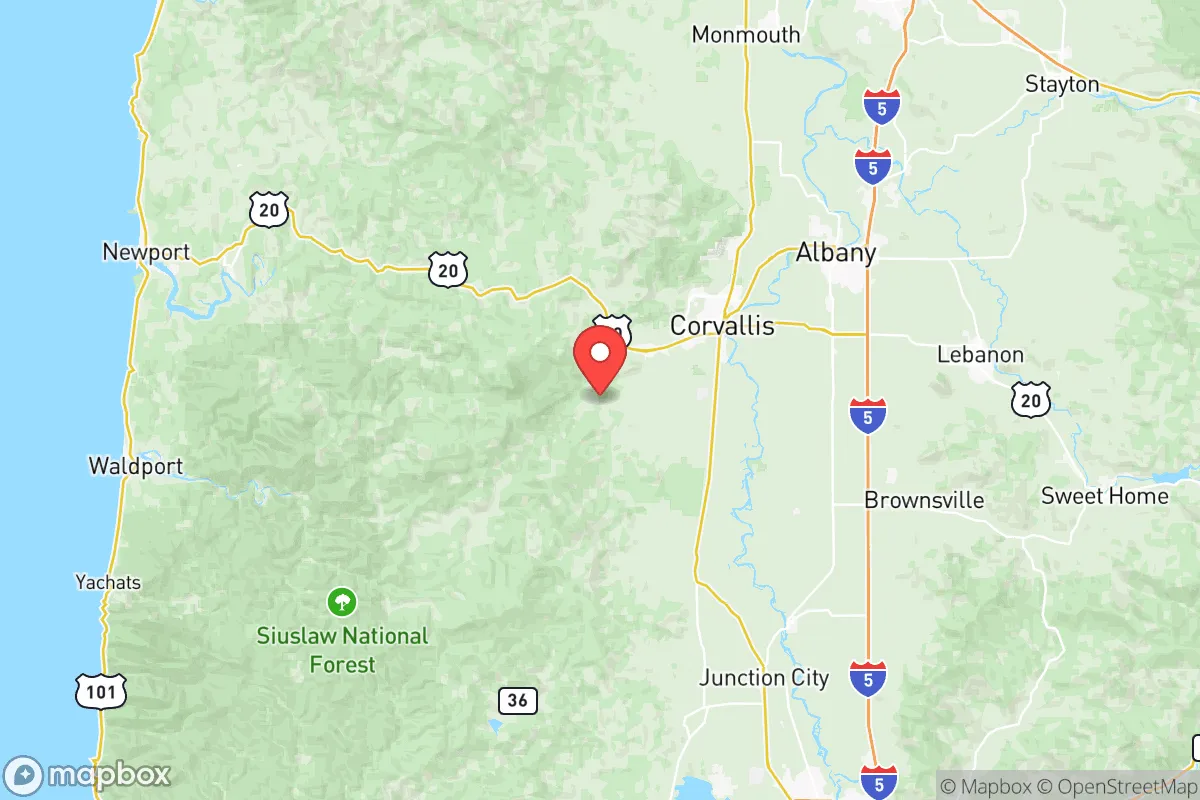
Benton County, Oregon offers a spectrum of quality-of-life options ranging from the college-town energy of Corvallis to the quiet, unincorporated crossroads of Alpine and the working farms of Kings Valley. The county’s character is shaped by its dual identity as an academic and agricultural hub, drawing graduate students and engineers to its urban core and multi-generational farming families to its rural fringe. Daily life shifts significantly depending on whether you live within walking distance of Oregon State University or thirty minutes away on a gravel road off Highway 34.
Largest town(s) & population centers
Corvallis is the county’s dominant population center, home to roughly 60,000 residents and the flagship Oregon State University. Life here revolves around the university calendar, with a dense walkable downtown filled with independent bookstores, breweries, and farm-to-table restaurants. The city’s job market is anchored by OSU, Good Samaritan Regional Medical Center (the county’s largest employer), and a cluster of tech and engineering firms like HP Inc. and NuScale Power. Philomath, seven miles west, functions as Corvallis’s smaller, more affordable sibling with a timber-town history now blending into a commuter base: its population is just under 5,000, and daily life is quieter, dominated by forest trails and a small historic downtown with a family-owned grocery. Both towns are served by the Benton County Transit system, but Corvallis is the only place in the county with consistent public transit and a true urban grid. The average commute across the county clocks in at 19.98 minutes, reflecting how most workers live and stay within the immediate corridor.
Smaller towns & rural pockets
Beyond the Corvallis-Philomath axis, the county thins into a patchwork of named rural places and unincorporated communities. Adair Village, just north of Corvallis, is a planned residential settlement of about 900 people built around the former Camp Adair military base; it offers larger lot sizes and a slower pace while still being a 10-minute drive to downtown Corvallis. Alpine, set among rolling hills west on Alpine Road, is a tiny crossroads with a general store and a working cheese operation (Fermenta Farm) but no formal school or municipal services. Kings Valley, in the northern part of the county near the Polk County line, is a historic mill town that today is mostly second-growth forest and small-scale farms; its population is fewer than 300, and residents typically drive 25 minutes to Philomath for groceries. Monroe, farther south on Highway 99W, is a census-designated place of about 800 people with a tavern, a coffee shop, and a strong community garden scene, but no major employer of its own. These areas rely on well water, septic systems, and private vehicle trips for every errand, which is a meaningful trade-off for those seeking land over convenience.
Cost & lifestyle range
The cost-of-living index for Benton County as a whole sits at 138 (100 is the U.S. average), driven entirely by housing prices in Corvallis. The county-wide median home value is $481,700, and median rent is $1,359, but these numbers flatten a wide spread: in Corvallis’s College Hill near the university, a two-bedroom apartment often exceeds $1,800, while a similar rental in Philomath or Monroe averages closer to $1,200. Purchasing a home in Kings Valley or Alpine can be 30-40% cheaper per square foot than an equivalent structure inside Corvallis city limits — a three-bedroom fixer in Alpine might list for $320,000, while the same floorplan in Corvallis’s Southwest Hills would push $600,000. Property taxes are moderate by Oregon standards (roughly 1.1% of assessed value), and there is no county sales tax. Lifestyle ranges from the full-spectrum amenities of Corvallis — farmers’ markets, art-house cinema, a craft brewery every half-mile — to the self-reliant rural life of Kings Valley, where residents raise chickens, heat with wood, and drive 15-20 minutes for milk.
The type of person who thrives in Benton County is someone comfortable with a binary choice: commit to the walkable, expensive, culturally rich orbit of Corvallis, or embrace the slower, cheaper, more isolated pockets like Alpine or Monroe. Retirees with teardrop trailers and lists of county parks often settle near Philomath, while young families seeking land for gardens gravitate to Kings Valley or Adair Village. The county’s flat commute times mean that even the most rural resident is rarely more than 25 minutes from a full-service hospital or a major employer, making Benton County a practical compromise for those who want space without complete disconnection.

Crime in Benton County
Crime rates similar to the national median for U.S. locations.
Violent CrimeViolent Crime Analysis
Property CrimeProperty Crime Analysis
Crime Analysis
Benton County, Oregon, presents a mixed safety profile. Its violent crime rate of 311.2 incidents per 100,000 residents is slightly below the national average, but its property crime rate of 2,135.5 per 100,000 is markedly higher than both state and national benchmarks. This gap indicates that while major violent confrontations are less common than in many comparably sized counties, the risk of theft, burglary, and motor vehicle theft is a tangible daily concern, particularly in the more urbanized areas around Corvallis and Philomath.
Crime in context
To understand Benton County’s position, a direct comparison with Oregon and the U.S. is necessary. The national violent crime rate sits at roughly 370 per 100,000, meaning Benton’s 311.2 is about 16% lower. However, the property crime picture is starkly different. Benton County’s 2,135.5 per 100,000 far exceeds the national average (around 1,950) and is significantly higher than the statewide Oregon average of approximately 1,700 per 100,000. This places the county in a higher-risk tier for property-related offenses. Within the county, Corvallis, which hosts Oregon State University and a substantial student population, typically reports higher property crime numbers that drive the county’s total upward. In contrast, smaller, more residential communities like Monroe and Alsea consistently report far lower rates of both violent and property crime.
What residents experience
For someone living in Benton County, the everyday safety experience is heavily influenced by location and lifestyle. Residents in downtown Corvallis or near the OSU campus routinely deal with a higher incidence of bicycle theft, car break-ins, and package theft — a pattern consistent with college towns nationwide. The area’s progressive judicial climate is a notable factor here. Elected District Attorneys in Benton County, including the current office, are known for emphasizing restorative justice and alternative sentencing. While sympathetic to offender rehabilitation, this philosophy often results in shorter sentences and more pretrial diversions for property crimes. Critics argue this directly leads to more criminals cycling back onto the streets faster, undermining deterrence and negatively impacting justice for victims. For residents in Philomath and rural unincorporated areas, violent crime is very rare, but property crime remains a persistent annoyance, often linked to transitory populations traveling the I-5 corridor or accessing nearby forests.
Neighborhood-level variation
Safety is not uniform across Benton County. The most notable geographic divide is between Corvallis and the rest of the county. The city’s central core and the university-adjacent blocks see the highest concentration of both larceny and simple assault. Neighborhoods like College Hill and the Northwest Corvallis district are the most likely places to experience the brunt of the property crime epidemic. Conversely, areas such as Adair Village, a quiet, planned community, and the rural pockets near Kings Valley report crime rates so low that they often register as statistical anomalies. The Benton County Sheriff’s Office handles these outlying areas, and response times can be longer in the more remote areas of the western part of the county. For anyone choosing a home in Benton County, selecting a specific city or unincorporated district is the single most important safety decision they will make, with Corvallis demanding the most caution, especially regarding property security.
* Values derived from national, state, county, city and local statistics and may differ in a specific area. Last updated: 2026-06-23T04:29:23.000Z
Narrative content on this page is AI-generated and may contain mistakes. Verify any details that matter before acting on them.
ReloMaps may earn a commission from affiliate links at no extra cost to you.

