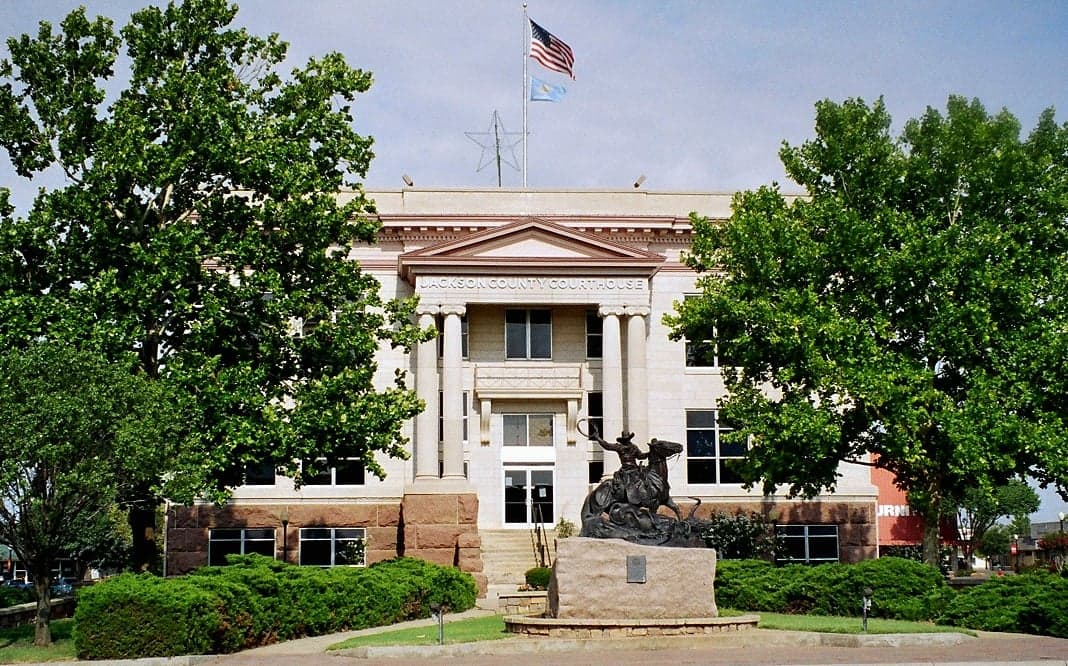
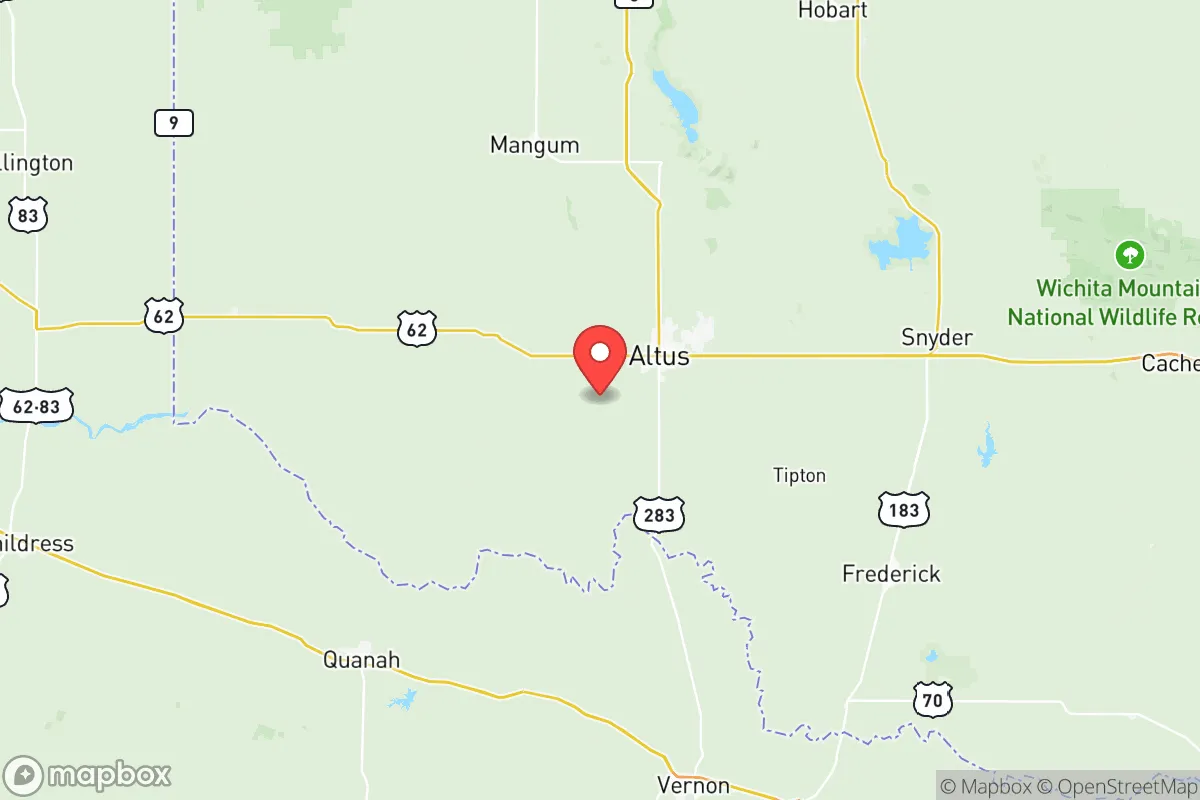
Photo: Wikipedia
Quality of Life in Jackson County
A livable area that tracks near national norms for affordability, walkability, and neighborhood health.
What does Quality of Life tell us?
Quality of Life measures an area by evaluating factors like cost of living, nearby amenities, country club access, airport proximity, socioeconomic signals and neighborhood character. For large states, this is a general average — quality of life can vary dramatically between metro areas, suburbs, and rural communities within the same state.
What does this tell us?
Quality of Life measures an area by evaluating factors like cost of living, nearby amenities, country club access, airport proximity, socioeconomic signals and neighborhood character. For large states, this is a general average — quality of life can vary dramatically between metro areas, suburbs, and rural communities within the same state.
Cost of Living
35% below national average
149%
The Real Cost of Living in Jackson County for 2026
| Tier | Individual | Family (4) |
|---|---|---|
| Survival | $14k | $26k |
| Comfortable | $28k | $41k |
| Luxury | $100k+ | $155k+ |
| Elite (Top 5%) | $118k+ | $183k+ |
Quality-of-Life Analysis
Jackson County, Oklahoma offers a quality-of-life spectrum that stretches from the small-city conveniences of Altus to the quiet, unincorporated crossroads of places like Friendship and Hess, with most residents settling into a lower-cost, slower-paced version of rural living. The county’s character is shaped by its agricultural heartland, proximity to the Quartz Mountain Nature Park, and a population density that rewards those who value space over urban amenities. People drawn here include Air Force personnel and civilians tied to Altus Air Force Base, farming families, retirees seeking low taxes, and remote workers comfortable trading city nightlife for affordable acreage.
Largest town(s) & population centers
Altus, with roughly 18,000 residents, is the county seat and the clear hub of commerce, healthcare, and entertainment. Daily life centers around the Altus Air Force Base, which drives local employment and gives the town a transient but stable professional class. The downtown core along Broadway Street offers a mix of small businesses, a historic courthouse, and municipal services, while the eastern edge features big-box retail and chain restaurants near US-62. Mangum, the second-largest town (pop. ~2,600), serves as the Greene County seat but falls within Jackson County’s sphere of influence; it has its own grocery, hardware store, and a slower strip of Highway 283. For most residents, a trip to Altus covers medical appointments, school sports, and major errands, while quick commutes under 15 minutes are the norm—the county’s average commute is 13.3 minutes, among Oklahoma’s shortest.
Smaller towns & rural pockets
East of Altus, the town of Eldorado (pop. ~420) hugs the Red River floodplain, where agriculture crews and a handful of oil-field workers make up the workforce. Its single main street has a post office, a convenience store, and a volunteer fire department—an example of the wire-and-fence self-sufficiency that defines the county’s interior. Further north, Olustee (pop. ~500) sits along a rail line, home to a grain elevator and a small public school district that consolidates students from surrounding farms. The unincorporated areas of Headrick, Friendship, and Hess are little more than crossroads with a church and a few homes; residents here commute to Altus for work but enjoy absolute quiet and property prices that can dip below $60,000 for a fixer-upper on an acre.
Cost & lifestyle range
The cost-of-living index sits at 65 (100 is U.S. average), meaning nearly everything—from housing to groceries—is roughly a third cheaper than national benchmarks. At the higher end of the spectrum, newer subdivisions on the south side of Altus (near the base) and lakefront homes around Quartz Mountain in adjoining counties push median home values to $145,000, though still well below state averages. The same house in an older Altus neighborhood might sell for $100,000–$120,000. At the low end, rural properties in Hess or Headrick can fall to $50,000–$70,000, and the median rent across the county is $865—modest enough that a single earner at a local wage can afford a two-bedroom apartment. Lifestyle trade-offs are clear: Altus offers a Walmart Supercenter, a regional hospital, and Oklahoma City restaurants a 90-minute drive east, while the rural pockets offer total quiet and the ability to own acreage, but require a 20-minute drive for a gallon of milk.
The people who thrive in Jackson County are those who prioritize affordability, short commutes, and a slower rhythm over abundant job diversity or instant urban access. Military families, farm operators, and service workers who accept limited entertainment options in exchange for a cost structure that leaves room in the budget will find the county a pragmatic fit. Remote workers with stable income can stretch dollars further here than in almost any metro area, as long as they are comfortable with the realities of a rural Oklahoma county—limited gig-economy delivery, fewer dining options, and a population that is overwhelmingly older, whiter, and more politically conservative than the nation as a whole.

Crime in Jackson County
Crime rates similar to the national median for U.S. locations.
Violent CrimeViolent Crime Analysis
Property CrimeProperty Crime Analysis
Crime Analysis
Jackson County, Oklahoma, experiences a crime rate that warrants attention from potential residents, with violent crime recorded at 409.6 incidents per 100,000 residents and property crime at 1,833.2 per 100,000. This places the area’s violent crime rate above both state and national averages, a reality shaped largely by conditions in its largest city, Altus, which functions as the county seat and primary population center. Understanding how these figures translate into daily experience requires examining the specific towns and enforcement patterns that define the region.
Crime in context
To contextualize Jackson County’s numbers, the national violent crime rate sits at approximately 380 per 100,000, while Oklahoma’s statewide average hovers near 470 per 100,000. Jackson County’s 409.6 figure thus falls between these benchmarks—higher than the U.S. median but lower than the state peak. Property crime, however, at 1,833.2 per 100,000, exceeds the national average of roughly 1,954 per 100,000 only slightly but remains a concern in smaller towns like Mangum and Olustee, where sparse populations can inflate per-capita theft and burglary rates. The Southwest District Attorney’s Office, which prosecutes cases in Jackson County alongside Greer and Harmon counties, has historically pursued a conservative sentencing approach, though local observers note that repeat property offenders in Altus often cycle through the system quickly due to limited jail capacity.
What residents experience
Residents in the county’s smaller communities—including Headrick, Elmer, and Friendship—typically report lower direct exposure to violent crime than those living near Altus’s commercial corridors. Altus itself accounts for the majority of reported aggravated assaults and robberies, concentrated around the Main Street corridor and the Altus Air Force Base perimeter. The presence of the base introduces transient population dynamics that can elevate both crime and policing resources; the Altus Police Department responds to a disproportionate share of domestic disturbance calls and property damage incidents. Outside Altus, the Jackson County Sheriff’s Office covers vast rural stretches where drug-related burglaries and livestock theft represent the most common offenses. Families in Headrick often leave doors unlocked during daylight, a contrast to Altus neighborhoods where security systems are common. Property crimes like vehicle break-ins spike during summer months, particularly in parking lots near Tillman Street retail areas.
Neighborhood-level variation and justice system concerns
Neighborhood-level safety varies significantly between the county’s incorporated towns. The east side of Altus, near the hospital and school campuses, sees fewer violent incidents than the west side around the Bishop Road apartment complexes. Mangum, though smaller, has seen a recent uptick in methamphetamine-related arrests, while Olustee remains comparatively quiet due to its tight-knit community and active neighborhood watch. A critical factor for residents to consider is the ideological orientation of local judges and prosecutors. Jackson County’s judicial district has not adopted the progressive, offender-first policies seen in larger Oklahoma metro areas like Oklahoma City or Tulsa. However, as statewide trends toward bail reform and sentencing leniency gain traction, there is concern that more liberal approaches to prosecution—which prioritize offender rehabilitation over victim justice—could embolden repeat offenders. In practice, this means property crime recidivism in Altus may rise if district attorney policies shift toward diversion programs rather than incarceration. For now, the county retains a relatively conservative justice framework, but residents should monitor election cycles for the District 7 DA office, as any ideological swing would directly impact public safety in towns like Altus, Mangum, and Headrick.
* Values derived from national, state, county, city and local statistics and may differ in a specific area. Last updated: 2026-06-29T00:43:22.000Z
Narrative content on this page is AI-generated and may contain mistakes. Verify any details that matter before acting on them.
ReloMaps may earn a commission from affiliate links at no extra cost to you.

