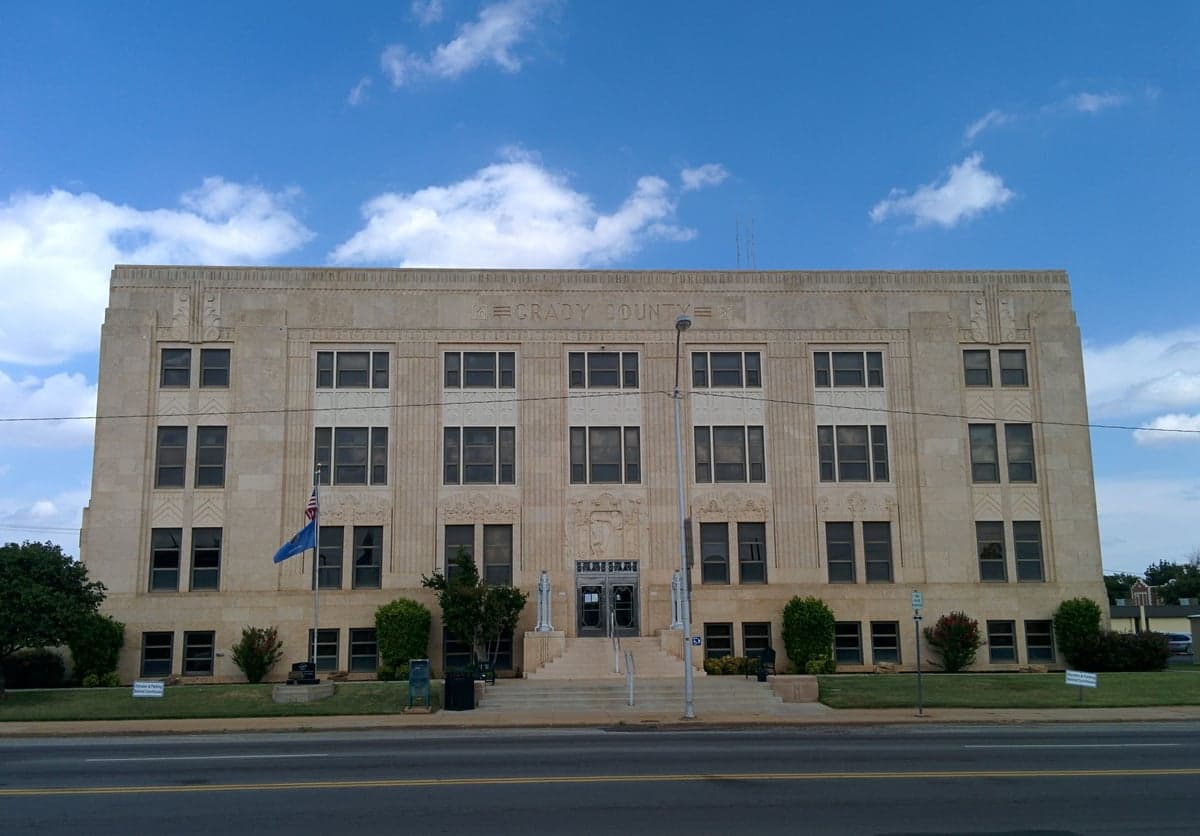
Photo: Wikipedia
Quality of Life in Grady County
A livable area that tracks near national norms for affordability, walkability, and neighborhood health.
What does Quality of Life tell us?
Quality of Life measures an area by evaluating factors like cost of living, nearby amenities, country club access, airport proximity, socioeconomic signals and neighborhood character. For large states, this is a general average — quality of life can vary dramatically between metro areas, suburbs, and rural communities within the same state.
What does this tell us?
Quality of Life measures an area by evaluating factors like cost of living, nearby amenities, country club access, airport proximity, socioeconomic signals and neighborhood character. For large states, this is a general average — quality of life can vary dramatically between metro areas, suburbs, and rural communities within the same state.
Cost of Living
28% below national average
141%
The Real Cost of Living in Grady County for 2026
| Tier | Individual | Family (4) |
|---|---|---|
| Survival | $14k | $26k |
| Comfortable | $37k | $54k |
| Luxury | $120k+ | $185k+ |
| Elite (Top 5%) | $141k+ | $218k+ |
Quality-of-Life Analysis
Grady County, Oklahoma, offers a broad quality-of-life spectrum that ranges from the modest urban amenities of its county seat, Chickasha, to the quiet, unincorporated crossroads of communities like Alex, Amber, and Bradley. With a cost of living index of 72—well below the national average of 100—the county attracts a mix of commuters working in the Oklahoma City metro, agricultural families, and retirees seeking affordable land. The character of daily life shifts noticeably depending on whether a resident lives in a town with a grocery store and a hospital or on a rural road 20 minutes from the nearest stoplight.
Largest town(s) & population centers
Chickasha, with roughly 16,000 residents, is the county's undisputed hub and the only incorporated city with a full-service hospital (Grady Memorial), a four-year university (University of Science and Arts of Oklahoma), and a commercial district anchored by a Walmart Supercenter. Daily life here centers on a walkable downtown square with local restaurants and antique shops, though most retail and medical needs are met within a five-minute drive of the U.S. 81 corridor. The median home value in Grady County is $187,900, and median rent sits at $874, making Chickasha one of the more affordable county seats in central Oklahoma. The average commute across the county is 26 minutes, a figure that rises for residents who drive north to jobs in Mustang or Oklahoma City. A smaller population center, Ninnekah (population roughly 1,000), sits just south of Chickasha and functions largely as a bedroom community, with no major employers but quick access to the county's main services.
Smaller towns & rural pockets
South of Chickasha, the towns of Alex (population ~500) and Amber (~400) offer a markedly slower pace. Alex has a single gas station and a post office but no grocery store; residents drive 15 minutes north to Chickasha for most errands. Amber is even more stripped-down, with a volunteer fire department and a handful of homes clustered near the railroad tracks. Further west, the unincorporated community of Bradley (population ~150) sits near the Caddo County line, surrounded by wheat fields and cattle pastures. These smaller towns are home to multigenerational farming families and a growing number of remote workers who trade convenience for acreage and quiet. Rural pockets along the Washita River valley and near the Grady-McClain county line offer land prices well below the county median, with some undeveloped parcels available for under $2,000 per acre.
Cost & lifestyle range
The cost-of-life spread across Grady County is narrow in absolute dollars but meaningful in lifestyle. At the higher end, newer subdivisions on the northern edge of Chickasha—near the intersection of U.S. 81 and State Highway 9—feature three-bedroom homes in the $220,000–$260,000 range, with sidewalks and HOA covenants. These areas attract professionals who commute to Tinker Air Force Base or downtown Oklahoma City, a drive of roughly 40–50 minutes. At the lower end, older homes in central Chickasha or in the unincorporated community of Norge can be found for under $120,000, though they often require significant updates. Renters in the county pay a median of $874 per month, but in rural areas like the Cox City vicinity, rental options are scarce and typically limited to mobile homes on leased land. Utility costs are slightly above the national average due to summer air-conditioning loads, but property taxes remain among the lowest in the state, typically 0.6–0.9% of assessed value.
The county works best for people who value low overhead and space over walkability and nightlife. Families who want a short commute to Oklahoma City jobs but cannot afford Mustang or Yukon prices find the northern edge of Grady County a practical compromise. Retirees and remote workers drawn to the southern and western parts of the county accept longer drives for groceries and medical care in exchange for quiet, affordable land. Grady County does not offer the amenities of a suburban boomtown, but its combination of a cost of living 28% below the national average and a 26-minute average commute makes it a viable option for those who prioritize financial breathing room over urban convenience.

Crime in Grady County
Crime rates similar to the national median for U.S. locations.
Violent CrimeViolent Crime Analysis
Property CrimeProperty Crime Analysis
Crime Analysis
Grady County, Oklahoma, presents a mixed safety picture for potential residents, with property crime rates significantly exceeding both state and national averages while violent crime remains closer to the state norm. Located in central Oklahoma, the county includes communities like Chickasha, the county seat, along with smaller towns such as Tuttle, Minco, and Blanchard. The overall crime landscape is shaped by a combination of rural and small-town dynamics, with notable variation between the more populous areas and the quieter outskirts.
Crime in context
Grady County's violent crime rate of 405.3 per 100,000 residents is slightly above the national average but roughly in line with Oklahoma's statewide rate, which has historically been elevated. The property crime rate of 1,820.6 per 100,000 is substantially higher than both the national average and the Oklahoma state average, indicating that theft, burglary, and vehicle-related crimes are a more pressing concern for residents. When compared to neighboring counties, Grady County's property crime rate is notably higher than that of Canadian County to the north, which benefits from proximity to Oklahoma City's suburban development and more robust law enforcement resources. However, Grady County's violent crime rate is lower than that of Caddo County to the west, which has struggled with higher rates of assault and robbery.
What residents experience
For those living in Grady County, the most common crime experiences involve property offenses, particularly in and around Chickasha, where the concentration of retail and residential areas creates more opportunities for theft and burglary. Residents of Tuttle and Blanchard, which are closer to the Oklahoma City metro area, generally report lower crime rates, though property crime still occurs at levels above the national average. The county's judicial system, overseen by the Grady County District Attorney's office, operates within Oklahoma's conservative legal framework, which tends to prioritize public safety and victim rights over progressive offender rehabilitation programs. This is a positive factor for residents concerned about recidivism, as the local courts generally avoid the lenient sentencing practices seen in some larger metropolitan areas. However, the county's rural nature means that law enforcement response times can be slower in outlying areas like Minco and Alex, where sheriff's deputies may have to cover significant distances.
Neighborhood-level variation
Crime in Grady County is not evenly distributed. The city of Chickasha, with its larger population and more diverse economic base, accounts for a disproportionate share of both violent and property crimes. Areas near the University of Science and Arts of Oklahoma in Chickasha see occasional spikes in theft and minor assaults, typical of college-adjacent neighborhoods. In contrast, the smaller communities of Tuttle and Blanchard, which have experienced population growth as bedroom suburbs of Oklahoma City, maintain lower crime rates due to tighter-knit social structures and more proactive community policing. Rural areas outside of incorporated towns generally see very low violent crime but remain vulnerable to agricultural theft and burglary of unoccupied farmsteads. For families considering a move to Grady County, choosing a home in one of the smaller towns or on the outskirts of Chickasha can significantly reduce exposure to crime, while still providing access to the county's amenities and employment opportunities.
* Values derived from national, state, county, city and local statistics and may differ in a specific area. Last updated: 2026-06-27T01:05:13.000Z
Narrative content on this page is AI-generated and may contain mistakes. Verify any details that matter before acting on them.
ReloMaps may earn a commission from affiliate links at no extra cost to you.

