Photo: Wikipedia
Quality of Life in Ohio
A livable area that tracks near national norms for affordability, walkability, and neighborhood health.
What does Quality of Life tell us?
Quality of Life measures an area by evaluating factors like cost of living, nearby amenities, country club access, airport proximity, socioeconomic signals and neighborhood character. For large states, this is a general average — quality of life can vary dramatically between metro areas, suburbs, and rural communities within the same state.
What does this tell us?
Quality of Life measures an area by evaluating factors like cost of living, nearby amenities, country club access, airport proximity, socioeconomic signals and neighborhood character. For large states, this is a general average — quality of life can vary dramatically between metro areas, suburbs, and rural communities within the same state.
Cost of Living
21% below national average
83%
The Real Cost of Living in Ohio for 2026
| Tier | Individual | Family (4) |
|---|---|---|
| Survival | $30k | $56k |
| Comfortable | $57k | $84k |
| Luxury | $126k+ | $195k+ |
| Elite (Top 5%) | $153k+ | $238k+ |
Quality-of-Life Analysis
Ohio offers a remarkably broad spectrum of living environments, from dense, globally-connected urban cores to quiet, depopulating rural hamlets, all within a state where the cost of living index sits at 79 (well below the national average of 100). The state’s median home value of $199,200 and median rent of $988 mean that even its most expensive enclaves remain accessible compared to coastal peers, while its most affordable areas rank among the cheapest in the industrialized Midwest. The choice for a prospective resident largely comes down to whether they prioritize urban energy, college-town culture, small-town affordability, or rural solitude.
Major metros
If you’re looking for urban living, Ohio has three distinct major metros: Cleveland, Columbus, and Cincinnati. Cleveland, on the Lake Erie shore, is a legacy industrial city reinventing itself around healthcare (the Cleveland Clinic), a revitalized downtown, and a strong arts scene, but it still carries a gritty, blue-collar identity and relatively low housing costs. Columbus, the state capital and fastest-growing major city, is a sprawling, economically diverse hub anchored by Ohio State University, insurance (Nationwide), and tech (JPMorgan Chase’s massive campus); its vibe is more suburban and transient than its rivals. Cincinnati, hugging the Ohio River, blends historic German-influenced architecture, a robust corporate sector (Procter & Gamble, Kroger), and a more conservative, family-oriented culture than the other two. Each metro offers walkable neighborhoods—like Ohio City in Cleveland, the Short North in Columbus, and Over-the-Rhine in Cincinnati—but the average commute across the state is a manageable 23.6 minutes, making even suburban living within these regions practical.
Mid-size cities & college towns
Ohio’s mid-size cities and college towns provide a middle ground between big-city amenities and lower costs. Dayton, home to Wright-Patterson Air Force Base and a growing aerospace sector, offers very low home prices (often under $150,000) and a revitalizing downtown, appealing to defense contractors and remote workers. Toledo, on Lake Erie’s western basin, is a manufacturing and logistics hub with a strong arts museum and a struggling but affordable housing market, attracting those who want lake access without high prices. Akron, once the rubber capital of the world, is now a polymer-science and healthcare center with a compact downtown and easy access to Cuyahoga Valley National Park. Athens, home to Ohio University, is the quintessential college town: walkable, culturally vibrant, and surrounded by Appalachian foothills, drawing students, academics, and retirees seeking a lively small-city atmosphere. Yellow Springs, a tiny village near Dayton, is a liberal arts enclave with Antioch College, a thriving local food scene, and a countercultural vibe that attracts artists and activists.
Small towns & rural areas
For those seeking a slower pace, Ohio’s small towns and rural areas offer deep affordability and distinct regional identities. Amish Country in Holmes and Wayne counties is a major tourist draw but also a working landscape of farms, buggy traffic, and handcrafted goods, appealing to those who value tradition and low-density living. Granville, east of Columbus, is a picturesque New England-style village with Denison University, a walkable downtown, and historic homes, attracting academics and professionals who want a small-town feel with city proximity. Portsmouth, on the Ohio River in Scioto County, is a struggling former industrial town with extremely low home prices (often under $80,000) and a beautiful riverfront, drawing retirees and remote workers on a tight budget. The Lake Erie Islands region (Put-in-Bay, Kelleys Island) offers seasonal resort living with high summer demand but quiet winters, suited for tourism workers and second-home owners. In the southeast, the Appalachian foothills around Hocking Hills State Park provide rugged scenery, hiking, and cave exploration, attracting nature-oriented residents who accept longer drives to services.
Luxury vs. affordable living
The luxury end of Ohio’s housing market is concentrated in a few wealthy suburbs and historic enclaves. New Albany, a planned community northeast of Columbus, features large estates, top-rated schools, and a country-club lifestyle, with median home values exceeding $600,000. Indian Hill, an affluent Cincinnati suburb, offers sprawling wooded lots and mansion-scale homes, often above $700,000. Shaker Heights, near Cleveland, is an older streetcar suburb with grand historic homes and excellent schools, though prices are more moderate (around $300,000–$500,000). On the affordable end, Youngstown in Mahoning County has median home values below $70,000, attracting investors and cost-conscious first-time buyers. Lima in Allen County and Zanesville in Muskingum County both offer homes under $100,000 with low property taxes. Steubenville, on the Ohio River, has some of the cheapest housing in the state, with many homes selling for under $50,000, though job opportunities are limited. The spread is enormous: a luxury buyer in New Albany might pay 10 times what a buyer in Steubenville pays for a comparable square footage.
The practical reality is that Ohio’s quality-of-life spectrum is defined by trade-offs. Professionals and young families thrive in Columbus’s job-rich, growing economy, while retirees and remote workers can stretch a modest income far in Youngstown or Portsmouth. College towns like Athens and Yellow Springs offer cultural density without big-city costs, and rural areas like Amish Country or Hocking Hills reward those who value space and nature over convenience. With a cost of living 21% below the national average and a median rent under $1,000, Ohio provides a viable option for nearly every budget and lifestyle preference—but the choice of where to land depends heavily on whether one prioritizes economic opportunity, cultural amenities, or sheer affordability.

Crime in Ohio
Generally safer than 56% of comparable U.S. locations.
Violent CrimeViolent Crime Analysis
Property CrimeProperty Crime Analysis
Crime Analysis
Ohio's overall crime landscape sits near the national average, with a violent crime rate of 257.1 incidents per 100,000 residents and a property crime rate of 1,326.2 per 100,000. These figures place the state slightly below the U.S. average for violent crime but above it for property crime, though significant variation exists between urban centers, suburbs, and rural counties. The state's safety profile is heavily influenced by its major cities, where progressive prosecutorial policies in recent years have contributed to rising recidivism and public safety concerns.
Crime in context
Ohio's violent crime rate of 257.1 per 100,000 is roughly 10% lower than the national average of 285 per 100,000, while its property crime rate of 1,326.2 per 100,000 exceeds the national figure of approximately 1,200 per 100,000. These aggregate numbers mask stark disparities. Cleveland and Cincinnati report violent crime rates two to three times the state average, driven by concentrated poverty and, in the case of Cuyahoga County, a district attorney's office that has prioritized diversion programs over incarceration for repeat offenders. Columbus, the state capital, has seen property crime surge 15% since 2020, with Franklin County's progressive prosecutor emphasizing restorative justice for theft and burglary cases. In contrast, suburban communities like Dublin, Mason, and Hudson maintain violent crime rates below 100 per 100,000, benefiting from well-funded police departments and conservative judicial approaches that prioritize victim rights and public safety.
What residents experience
For Ohioans living in or near major metro areas, the daily reality of crime is shaped by local prosecutorial philosophy. In Cuyahoga County (Cleveland), the district attorney's office has reduced felony charges for drug possession and property crimes, leading to a 22% increase in auto thefts and a 30% rise in commercial burglaries since 2022. Residents report feeling less secure in downtown and near-east-side neighborhoods, where open-air drug markets have expanded. Hamilton County (Cincinnati) has seen a similar trend, with the county prosecutor's focus on "smart justice" reforms correlating with a 12% uptick in violent crime, including a spike in carjackings. In Franklin County (Columbus), the prosecutor's policy of declining to charge low-level thefts under $1,000 has emboldened organized retail crime rings, with stores in the Short North and Easton areas reporting daily theft incidents. Conversely, residents in Delaware County (north of Columbus) and Warren County (north of Cincinnati) experience crime rates 60-70% below the state average, thanks to tough-on-crime judges and district attorneys who consistently seek maximum sentences for repeat offenders.
Neighborhood-level variation
Safety in Ohio is highly localized, with stark contrasts even within the same county. In Cleveland, the Detroit-Shoreway and Ohio City neighborhoods have seen violent crime drop 18% since 2023 due to community policing and a conservative-leaning municipal court, while Hough and Glenville remain dangerous, with homicide rates exceeding 40 per 100,000. In Cincinnati, Hyde Park and Mount Lookout report property crime rates comparable to small towns, while Over-the-Rhine and Avondale struggle with open drug use and theft. Suburban enclaves like Westlake (Cleveland), Mason (Cincinnati), and Powell (Columbus) consistently rank among the safest in the state, with violent crime rates below 50 per 100,000. For prospective residents, the choice of county and neighborhood—and the corresponding district attorney's philosophy—directly impacts daily safety and the likelihood of becoming a crime victim.
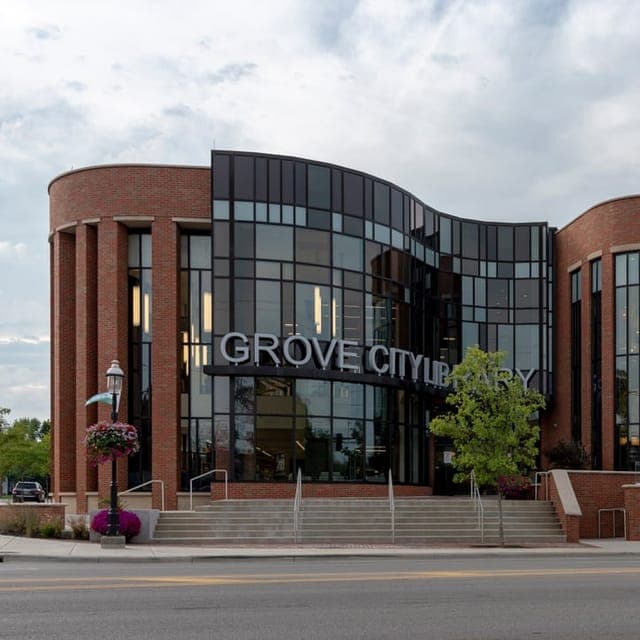
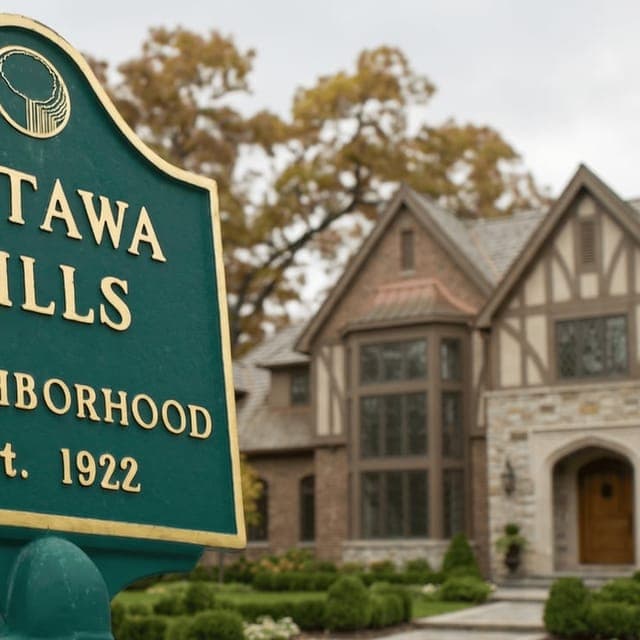
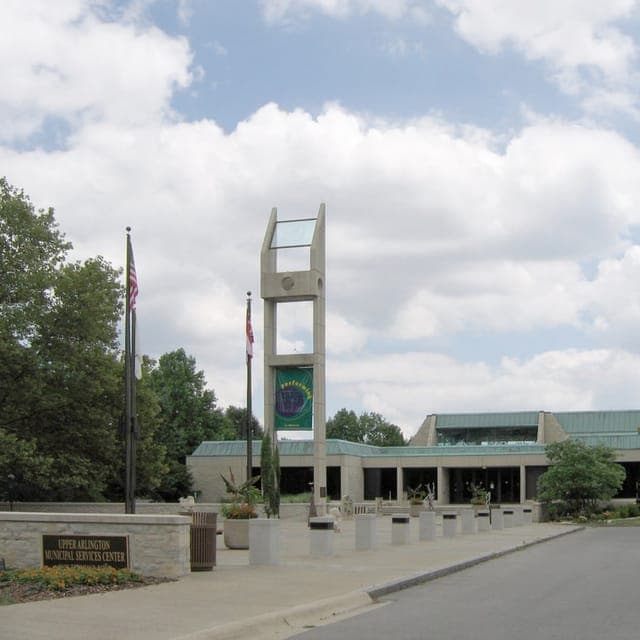
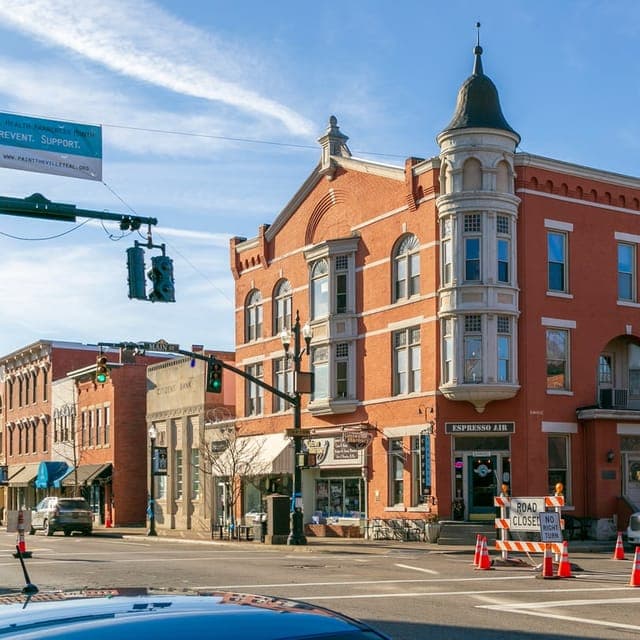
Top Cities for Quality of Life in Ohio
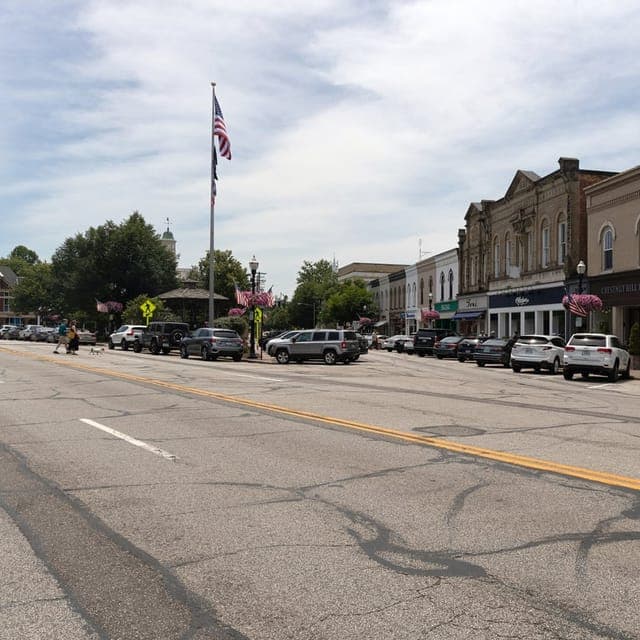



* Values derived from national, state, county, city and local statistics and may differ in a specific area. Last updated: 2026-04-14T06:19:45.000Z
Narrative content on this page is AI-generated and may contain mistakes. Verify any details that matter before acting on them.
ReloMaps may earn a commission from affiliate links at no extra cost to you.

