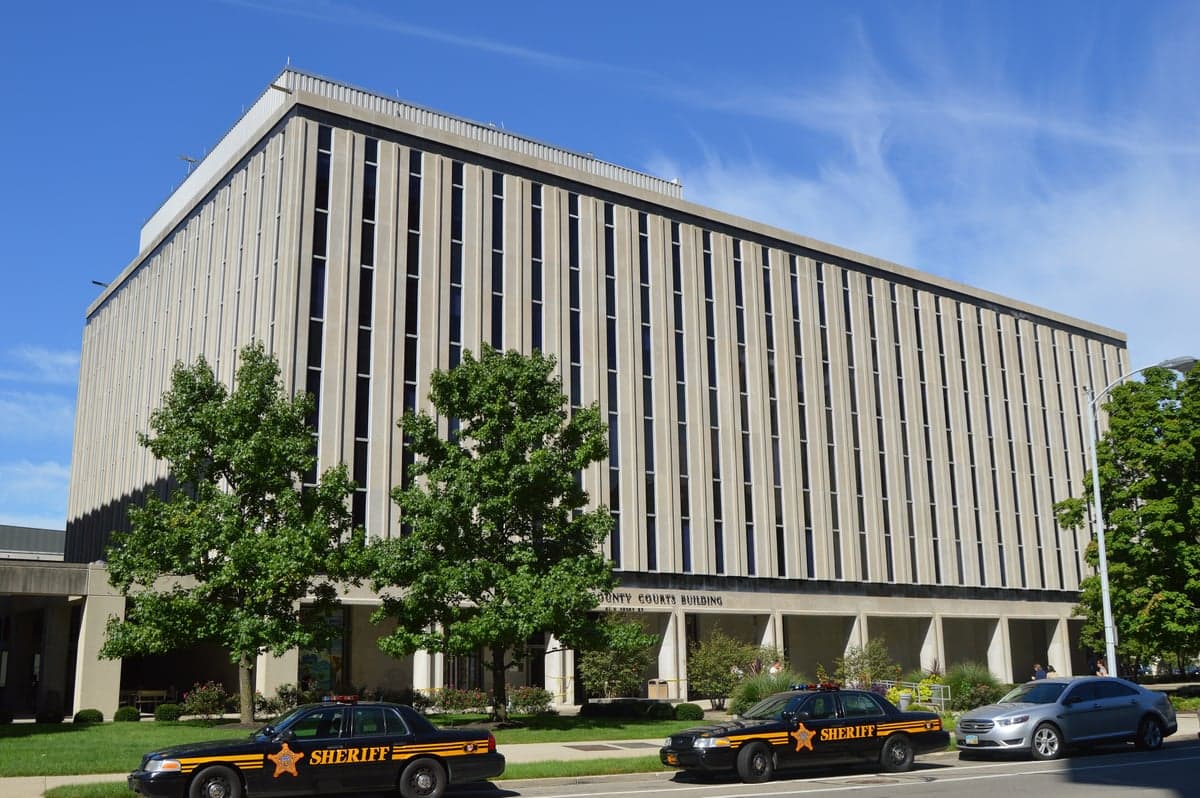
Photo: Wikipedia
Quality of Life in Montgomery County
A livable area that tracks near national norms for affordability, walkability, and neighborhood health.
What does Quality of Life tell us?
Quality of Life measures an area by evaluating factors like cost of living, nearby amenities, country club access, airport proximity, socioeconomic signals and neighborhood character. For large states, this is a general average — quality of life can vary dramatically between metro areas, suburbs, and rural communities within the same state.
What does this tell us?
Quality of Life measures an area by evaluating factors like cost of living, nearby amenities, country club access, airport proximity, socioeconomic signals and neighborhood character. For large states, this is a general average — quality of life can vary dramatically between metro areas, suburbs, and rural communities within the same state.
Cost of Living
26% below national average
135%
The Real Cost of Living in Montgomery County for 2026
| Tier | Individual | Family (4) |
|---|---|---|
| Survival | $15k | $29k |
| Comfortable | $33k | $48k |
| Luxury | $116k+ | $180k+ |
| Elite (Top 5%) | $137k+ | $212k+ |
Quality-of-Life Analysis
Montgomery County, Ohio offers a broad spectrum of quality-of-life options, from the urban core of Dayton to quiet, unincorporated rural hamlets, drawing residents who range from young professionals seeking city amenities to families and retirees looking for affordable small-town living. With a cost of living index of 74 (well below the national average of 100), a median home value of $167,400, and a median rent of $968, the county provides significant financial breathing room across nearly all its communities. The average commute of roughly 22 minutes further enhances the appeal, making it feasible to live in a rural pocket while working in the county's largest employment centers.
Largest town(s) & population centers
Dayton is the county's anchor and largest city, offering a dense mix of cultural institutions, including the Dayton Art Institute and the Benjamin & Marian Schuster Performing Arts Center. Daily life here is walkable in certain neighborhoods like the Oregon District, with a strong emphasis on local dining, breweries, and entertainment. The city is also a hub for healthcare and aerospace employment, anchored by Wright-Patterson Air Force Base just east of the county line. Kettering and Beavercreek function as major suburban population centers, with Kettering offering a more established, tree-lined feel and a strong public school system, while Beavercreek provides newer housing developments and direct access to the base. Centerville and Huber Heights round out the largest communities, with Centerville known for its highly rated schools and upscale shopping at The Greene Town Center, and Huber Heights offering more affordable, family-oriented suburban living with ample park space.
Smaller towns & rural pockets
Moving outward from the urban core, the county's character shifts markedly. Germantown, in the southwestern corner, retains a distinct small-town identity with a historic downtown and a strong sense of community, while Miamisburg offers a mix of riverfront parks and a charming old-town district alongside suburban growth. Vandalia, near the Dayton International Airport, provides a quieter, more industrial-suburban feel. The truly rural pockets are found in the county's northern and western townships, such as Clayton, Union, and Brookville, where farmland and wooded lots dominate the landscape. Unincorporated areas like West Carrollton and Moraine offer a more working-class, less commercialized environment, with older housing stock and direct access to the Great Miami River recreation corridor. These smaller communities provide a slower pace of life while still being within a 20- to 30-minute drive of Dayton's full-service hospitals and major retail.
Cost & lifestyle range
The cost of living varies noticeably across the county's spectrum. At the lower end, neighborhoods in Dayton's urban core and older suburbs like Moraine and West Carrollton offer median home values well below the county average, often in the $80,000 to $120,000 range, making homeownership accessible for first-time buyers. Rentals in these areas can dip below $800 per month. At the higher end, Centerville, Beavercreek, and parts of Kettering see median home values closer to $250,000 to $350,000, with newer subdivisions and larger lots commanding a premium. Lifestyle amenities follow this gradient: urban Dayton provides walkable nightlife and cultural venues, while Centerville and Beavercreek offer extensive retail, chain dining, and golf courses. Rural areas like Clayton and Brookville trade commercial density for land, privacy, and lower property taxes, appealing to those who prioritize space over convenience. The county's average commute of 22 minutes holds relatively steady across these zones, as major highways like I-75 and I-70 efficiently connect the rural fringe to the urban core.
Montgomery County is best suited for residents who value affordability and variety over coastal glamour or extreme natural scenery. Young professionals and creatives thrive in Dayton's revitalizing downtown, while families gravitate toward the strong school districts of Centerville, Beavercreek, and Kettering. Retirees and those seeking a quieter, land-based lifestyle find their niche in the rural townships and smaller towns like Germantown and Brookville. The county's low cost of living and short commutes make it a practical choice for anyone who wants a stable, comfortable life without the financial strain of larger metropolitan areas.

Crime in Montgomery County
Crime rates similar to the national median for U.S. locations.
Violent CrimeViolent Crime Analysis
Property CrimeProperty Crime Analysis
Crime Analysis
Montgomery County, Ohio, reports a violent crime rate of 267.6 per 100,000 residents and a property crime rate of 1,368.1 per 100,000, placing it above national averages for both categories. The county’s safety landscape is heavily shaped by the contrast between its urban core, Dayton, and its more suburban and rural townships. While certain neighborhoods and municipalities maintain relatively low crime levels, the county as a whole faces challenges typical of a Midwestern metro area with a shrinking industrial base and a rising population of economically distressed residents.
Crime in context
Montgomery County’s violent crime rate of 267.6 per 100,000 is roughly 25% higher than the national average of about 214 per 100,000 (2023 FBI data) and significantly above the Ohio state average of approximately 230 per 100,000. The property crime rate of 1,368.1 per 100,000 is also elevated, running about 15% above the national property crime rate of roughly 1,190 per 100,000. These figures place Montgomery County among the higher-crime counties in Ohio, though it remains below the rates seen in larger, more violent urban counties like Cuyahoga (Cleveland) or Hamilton (Cincinnati). The county’s crime index is driven disproportionately by incidents in Dayton, which accounts for the majority of reported violent offenses, including aggravated assault and robbery. Property crimes such as larceny-theft and motor vehicle theft are also concentrated in the city, with suburban jurisdictions reporting notably lower rates.
What residents experience
Residents in the city of Dayton face a substantially higher risk of victimization than those in surrounding communities. Dayton’s violent crime rate exceeds 800 per 100,000, making it one of the more dangerous cities in Ohio for its size. In contrast, suburbs such as Centerville, Kettering, and Beavercreek report violent crime rates well below the county average, often in the range of 100–150 per 100,000. Property crime is similarly uneven: Dayton sees high rates of vehicle theft and burglary, while Oakwood and Vandalia maintain property crime rates closer to the national average. The county’s judicial environment is a significant factor in these disparities. Montgomery County has a history of electing progressive prosecutors and judges who emphasize diversion programs, reduced bail, and alternatives to incarceration. While these policies aim to reduce recidivism and address root causes of crime, critics argue they have contributed to a perception of leniency that emboldens repeat offenders and undermines public safety. Residents in higher-crime areas of Dayton frequently report frustration with slow police response times and a revolving-door justice system that releases offenders quickly back onto the streets.
Neighborhood-level variation
Within Montgomery County, safety varies dramatically by neighborhood and municipality. The safest areas are generally found in the southern and eastern suburbs: Centerville, Beavercreek, and Oakwood consistently rank among the lowest-crime communities in the region, with violent crime rates comparable to the safest small towns in Ohio. These areas benefit from higher property values, well-funded police departments, and engaged community watch programs. In contrast, neighborhoods in northern and western Dayton, such as Five Oaks, Old North Dayton, and the West Third Street corridor, experience violent crime rates several times the county average. The city of Huber Heights, located in the northern part of the county, falls somewhere in the middle, with property crime rates near the county average but violent crime rates somewhat elevated. For prospective residents, the choice of neighborhood within Montgomery County is the single most important factor in determining personal safety, with suburban enclaves offering a markedly different experience than the urban core.
* Values derived from national, state, county, city and local statistics and may differ in a specific area. Last updated: 2026-07-22T18:43:22.000Z
Narrative content on this page is AI-generated and may contain mistakes. Verify any details that matter before acting on them.
ReloMaps may earn a commission from affiliate links at no extra cost to you.

