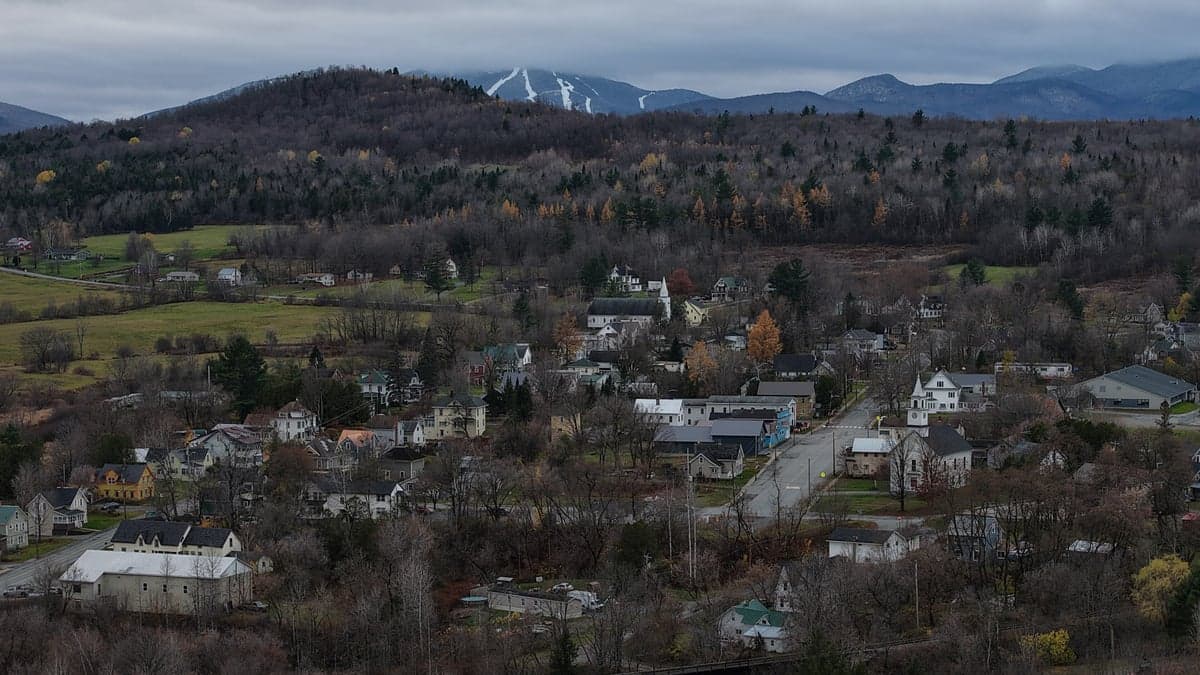
Photo: Wikipedia
Political ClimatePolitical Climate in North Troy, VT
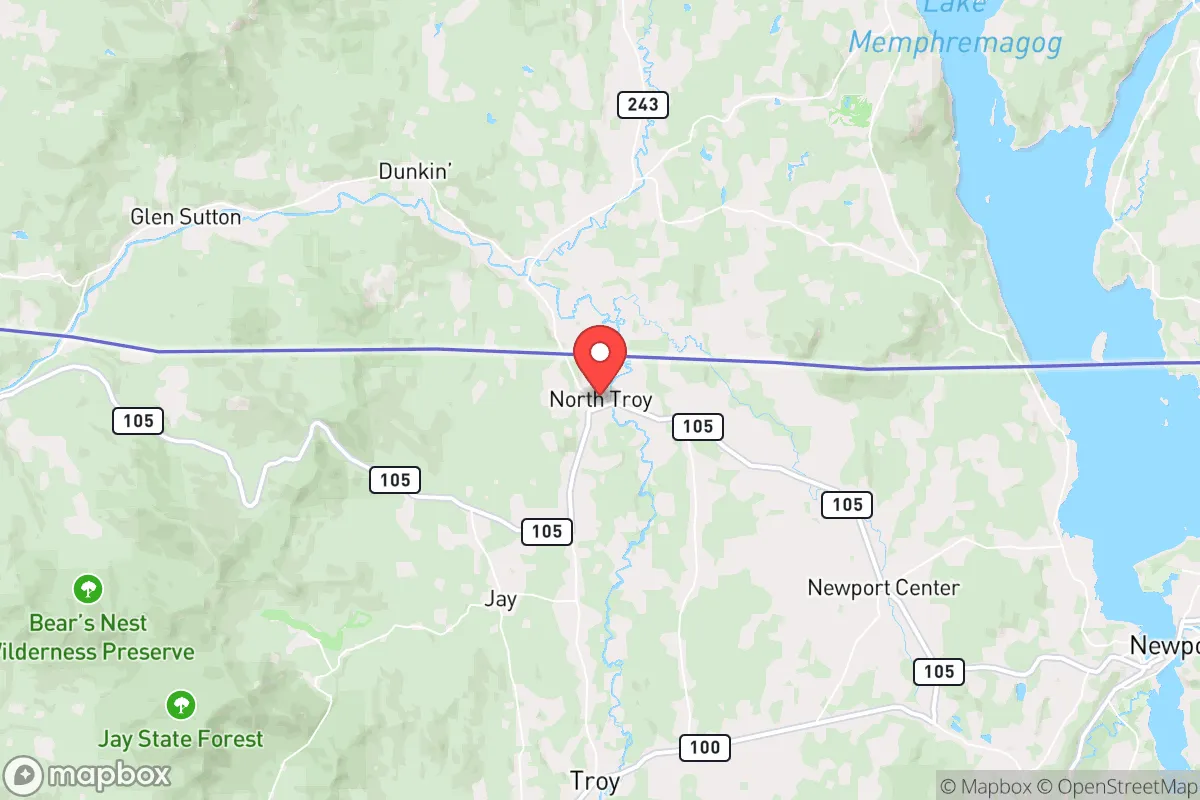
District shown is the primary district for this city’s centroid. Cities may span multiple districts.
Inherited from parent state — no local data available.
Local Political AnalysisPolitical Analysis of North Troy, VT
North Troy, Vermont, leans heavily Democratic, with a Cook PVI of D+17, meaning the area votes about 17 points more Democratic than the national average. That’s a stark shift from what I remember growing up here, when folks voted for the person, not the party, and local issues like keeping the town plowed and the school open mattered more than national headlines. The trajectory has been steady blue over the past two decades, driven by an influx of out-of-state buyers and remote workers who bring their politics with them. It’s not that everyone here is a progressive activist—many are just folks who want quiet roads and low taxes—but the voting patterns now lean hard left, and that’s changed how things run.
How it compares
If you drive ten miles south to Newport City, you’ll find a more mixed political picture—still blue, but with a stronger conservative undercurrent, especially among the working-class families who’ve been there for generations. Head west to the town of Troy proper, and it’s a similar story: a D+10 or so lean, but with more folks willing to speak up about property taxes and school mandates. The real contrast is with places like Irasburg or Coventry, where the Cook PVI might be D+5 or even lean Republican in some precincts. Those towns still have the old Vermont feel—people wave from their trucks, and town meeting debates get heated over spending, not social issues. North Troy, by comparison, feels more like a suburb of Burlington than a rural border town, and that’s a concern for anyone who values local control over personal freedoms.
What this means for residents
For those of us who’ve lived here a while, the biggest worry is how the political climate affects daily life. Property taxes have climbed steadily, partly because the state government in Montpelier keeps adding mandates for schools and environmental regulations that sound good on paper but hit rural budgets hard. There’s also a growing push for zoning changes and land-use restrictions that could limit what you can do with your own property—like building a shed or running a small business from your garage. The local school board has shifted toward progressive curriculum priorities, which has some parents concerned about transparency and whether their kids are being taught values that align with their own. On the plus side, the area still has a strong sense of community, and most neighbors are respectful, even if they vote differently. But the long-term trend is concerning: as more people move in from out of state, the local culture of self-reliance and live-and-let-live gets diluted by policies that feel like government overreach.
Culturally, North Troy is a mixed bag. You’ve got the old-timers who hunt, fish, and keep woodstoves burning, and you’ve got newcomers who want bike lanes and farmers’ markets. The policy distinctions show up in things like the town’s stance on short-term rentals—there’s been talk of stricter regulations that could hurt local property owners who rent out cabins for extra income. There’s also a quiet but growing frustration with state-level gun laws and vaccine mandates that feel out of step with rural life. If you’re considering moving here, just know that the political climate leans blue, and it’s trending bluer. That doesn’t mean you can’t find your people—there are plenty of us who still believe in personal freedom and limited government—but you’ll have to work a little harder to find them than you would in, say, Coventry or Irasburg. Keep an eye on town meeting day; that’s where the real decisions get made, and where you’ll see if the old Vermont spirit still has a fighting chance.

State Political ClimatePolitical Climate in Vermont
State Political AnalysisPolitical Environment in the State
Vermont has long been a deep blue state, but the reality on the ground is more nuanced than the statewide voting totals suggest. The state has voted for the Democratic presidential candidate by double digits in every election since 1992, with margins often exceeding 30 points. However, this progressive veneer masks a fierce urban-rural split, and the state’s political trajectory over the last 10-20 years has been one of accelerating left-wing policy implementation, particularly on taxes, energy, and social issues, which has driven a quiet but steady exodus of conservatives and moderates from the more rural counties.
Urban vs. rural divide
The political map of Vermont is a classic story of a single dominant metro area versus a vast, lightly populated countryside. Burlington and its surrounding Chittenden County are the engine of the state’s progressive politics, routinely delivering 70-80% of the vote for Democrats and left-leaning independents. This is where the state’s largest university (University of Vermont), the state government, and most of the tech and healthcare jobs are concentrated. Drive 30 minutes in any direction, and the landscape changes dramatically. Rutland, Bennington, and Newport are struggling post-industrial towns that have trended more Republican in recent cycles, though they rarely overcome the Chittenden County vote. The Northeast Kingdom (Orleans, Essex, and Caledonia counties) is the most reliably red region, with towns like St. Johnsbury and Derby often voting 60-70% Republican. Even here, however, the GOP is often a pale shadow of its national counterpart, with many voters identifying as “independent” and holding libertarian-leaning views on gun rights and property taxes while still supporting some social safety net programs.
Policy environment
Vermont’s policy environment is a cautionary tale for anyone concerned about government overreach. The state has one of the highest tax burdens in the nation, with a progressive income tax topping out at 8.75% and property taxes that are among the highest per capita in the country. This funds a generous but expensive education system and a sprawling state bureaucracy. In 2020, the legislature passed the Global Warming Solutions Act, which mandates binding, legally enforceable emissions reductions, effectively giving the state government sweeping authority over land use, transportation, and home heating. On healthcare, Vermont attempted a single-payer system in 2014, which collapsed under its own cost projections, but the state still operates a heavily regulated insurance market. Election laws are among the most liberal in the nation, with universal mail-in voting, same-day registration, and no voter ID requirement—a system that conservatives argue erodes election integrity. For a parent or individual concerned about personal freedom, the sheer density of state-level mandates—from renewable energy requirements on new homes to strict land-use regulations—can feel suffocating.
Trajectory & freedom
The trajectory over the last five years has been a clear march toward less personal freedom, particularly in areas conservatives value most. On gun rights, Vermont was once a constitutional carry state with virtually no restrictions. That changed dramatically after the 2018 school shooting in Parkland, Florida, when the legislature passed Act 94, which banned magazines over 10 rounds, raised the purchase age to 21, and instituted universal background checks. In 2023, the legislature passed Act 45, which bans carrying firearms in many public places, including hospitals and state buildings, and imposes a 72-hour waiting period. On parental rights, the state has moved aggressively in the opposite direction. In 2024, the legislature overrode Governor Phil Scott’s veto to pass Act 14, which codifies “gender-affirming care” as a protected right, effectively stripping parents of the ability to object to school policies or medical treatments for their children. Medical autonomy took another hit with the state’s strict vaccine mandates for schoolchildren, which were expanded during COVID and never fully rolled back. Property rights are also under constant pressure from the state’s Act 250 land-use law, which gives regional commissions veto power over development, making it nearly impossible to build new housing or expand a business without years of bureaucratic review.
Civil unrest & political movements
Vermont has not seen the kind of large-scale civil unrest seen in larger states, but there are persistent, organized movements on both sides. The left is dominated by the Vermont Progressive Party, which holds seats in the legislature and pushes for even more aggressive climate and social policies. They have been a driving force behind the push for a state-level “Green New Deal” and for defunding police efforts in Burlington, which led to a spike in violent crime and a subsequent backlash. On the right, the Vermont Republican Party is a shadow of its former self, but grassroots groups like the Vermont Federation of Sportsmen’s Clubs have been effective at mobilizing against gun control, and the Vermonters for Health Care Freedom group fought the vaccine mandates. Immigration politics are relatively quiet, as Vermont has a small foreign-born population, but the state does have a sanctuary law (Act 44, passed in 2017) that limits local law enforcement cooperation with federal immigration authorities. There have been no serious secession or nullification movements, though some rural towns have passed symbolic resolutions declaring themselves “Second Amendment sanctuaries.” The most visible flashpoint for a new resident would likely be the constant tension between the progressive Burlington metro and the rest of the state, which plays out in local news and town hall meetings over school funding and land use.
Projection
Over the next 5-10 years, Vermont is likely to become even more progressive, driven by two demographic trends. First, the state has one of the oldest populations in the nation, and as older, more conservative residents retire and move to lower-tax states like Florida or New Hampshire, they are being replaced by younger, more liberal transplants from New York, Boston, and the West Coast, who are drawn by the state’s environmental reputation and social policies. Second, the rural counties are depopulating, while Chittenden County continues to grow, concentrating political power in the progressive metro. The result will be more of the same: higher taxes, more regulations, and a continued erosion of gun rights and parental authority. The only brake on this trend is Governor Phil Scott, a moderate Republican who has vetoed some of the most extreme bills, but the legislature has shown it can override his vetoes when it has the votes. A new resident moving in now should expect to find a state where the government is deeply involved in nearly every aspect of daily life, from how you heat your home to what your children learn in school.
For a conservative-leaning individual or family, Vermont presents a difficult calculus. The natural beauty, low crime rates in rural areas, and strong sense of community are real draws. But the cost of that beauty is a state government that is actively hostile to many core conservative values—gun ownership, parental rights, low taxes, and limited government. If you are willing to fight at the local level and accept that you will be a political minority, you can carve out a good life in places like St. Albans or Hardwick. But if you value personal freedom and want a state that respects your right to live your life without constant government interference, you would be better served looking at New Hampshire, just across the Connecticut River, where the tax burden is lower, gun rights are protected, and parental rights are still respected.
* Values derived from national, state, county, city and local statistics and may differ in a specific area. Last updated: 2026-04-29T19:47:41.000Z
Narrative content on this page is AI-generated and may contain mistakes. Verify any details that matter before acting on them.
ReloMaps may earn a commission from affiliate links at no extra cost to you.

