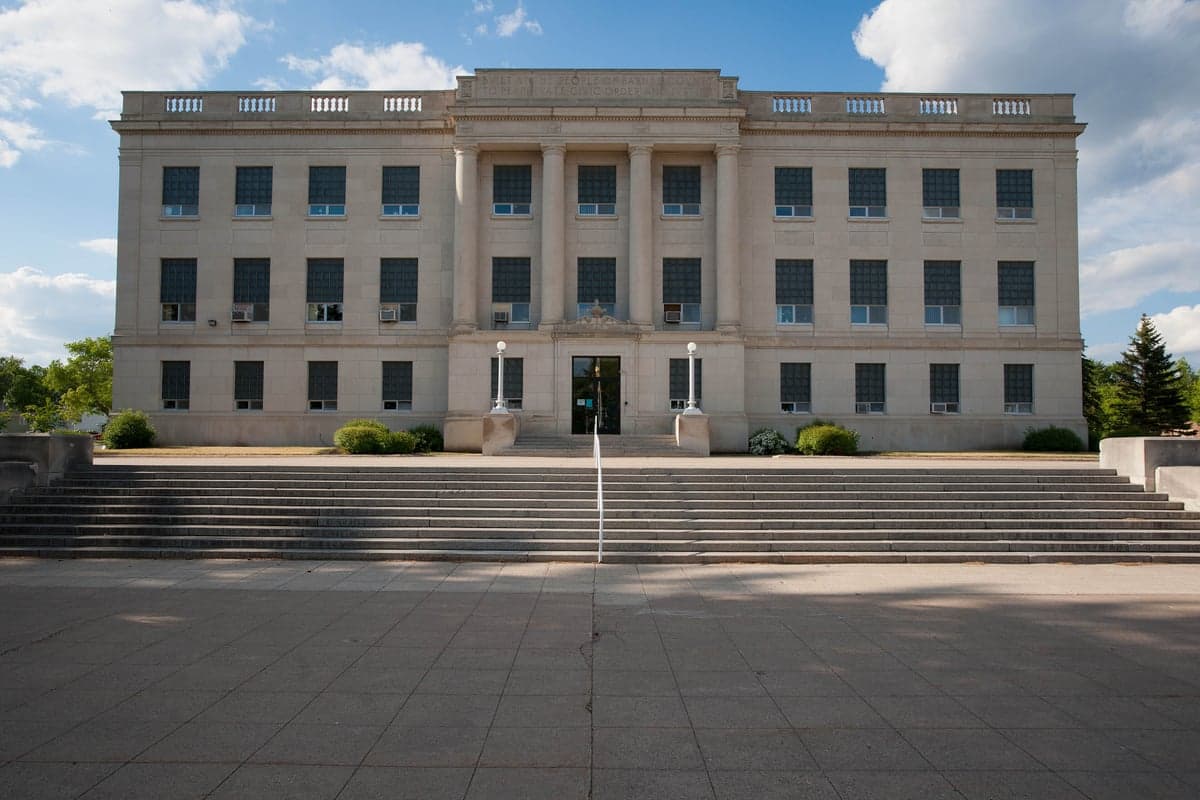
Photo: Wikipedia
Quality of Life in Barnes County
A livable area that tracks near national norms for affordability, walkability, and neighborhood health.
What does Quality of Life tell us?
Quality of Life measures an area by evaluating factors like cost of living, nearby amenities, country club access, airport proximity, socioeconomic signals and neighborhood character. For large states, this is a general average — quality of life can vary dramatically between metro areas, suburbs, and rural communities within the same state.
What does this tell us?
Quality of Life measures an area by evaluating factors like cost of living, nearby amenities, country club access, airport proximity, socioeconomic signals and neighborhood character. For large states, this is a general average — quality of life can vary dramatically between metro areas, suburbs, and rural communities within the same state.
Cost of Living
36% below national average
146%
The Real Cost of Living in Barnes County for 2026
| Tier | Individual | Family (4) |
|---|---|---|
| Survival | $12k | $23k |
| Comfortable | $33k | $48k |
| Luxury | $127k+ | $197k+ |
| Elite (Top 5%) | $152k+ | $235k+ |
Quality-of-Life Analysis
Barnes County, North Dakota, offers a quality-of-life spectrum that ranges from the small-city amenities of its county seat, Valley City, to the quiet, self-reliant rhythms of its smaller towns and vast agricultural countryside. The county’s overall cost of living index sits at a remarkably low 64 (100 is the U.S. average), with a median home value of $168,100 and median rent of $779, making it one of the most affordable places in the state. This economic reality attracts a mix of retirees seeking a low-cost, low-crime lifestyle, young families priced out of larger metros, and agricultural workers who value proximity to their land. The trade-off for this affordability is a limited job market concentrated in education, healthcare, and agriculture, and a need to drive for many specialized services.
Largest town(s) & population centers
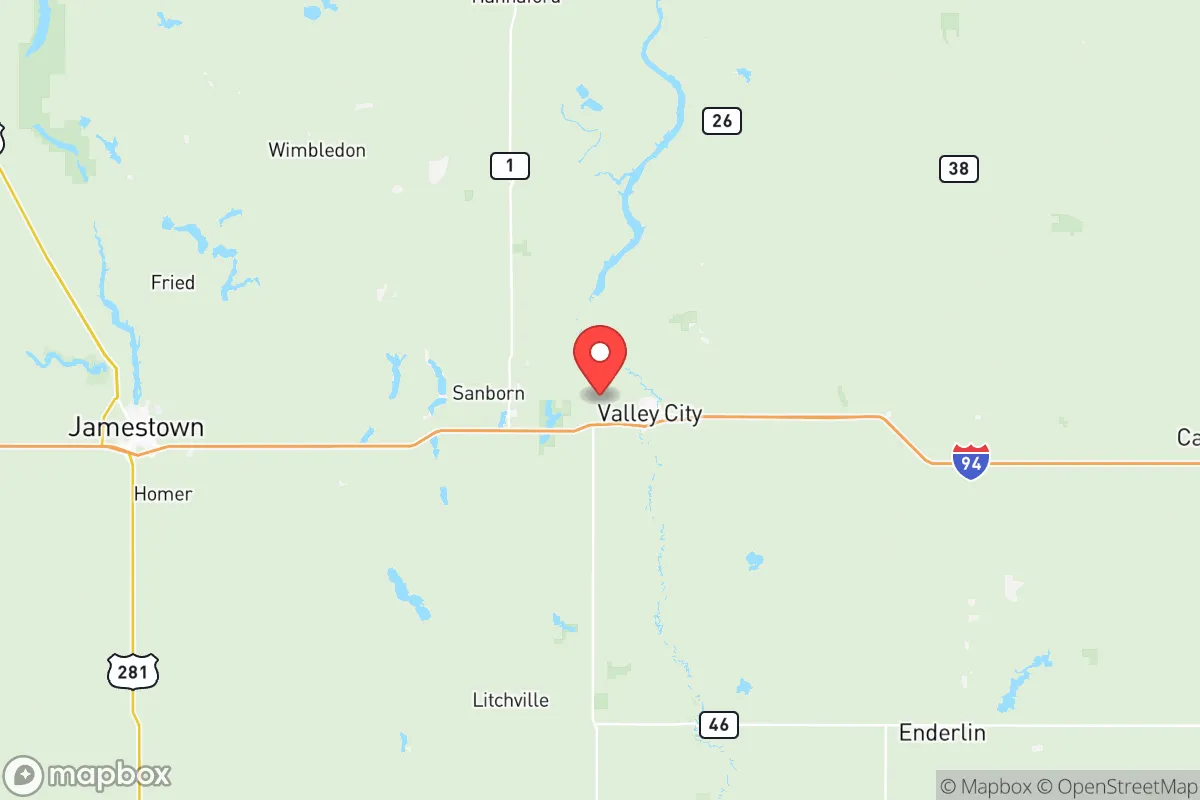
Valley City, with a population of roughly 6,500, is the county’s undisputed hub and the only community approaching an urban feel. Daily life here centers around the campus of Valley City State University, which provides cultural events, a public library, and a steady stream of younger residents. The downtown along Main Street offers a walkable core with locally owned restaurants, a historic theater, and essential services like a hospital and grocery stores. Housing options are the most diverse in the county, from older Craftsman homes near the university to newer subdivisions on the south edge. The average commute in Barnes County is just under 19 minutes, and for Valley City residents, most errands and jobs are within a 10-minute drive. The city’s parks along the Sheyenne River and the popular Medicine Wheel Park provide outdoor recreation without leaving town limits.
Smaller towns & rural pockets
Outside Valley City, the county is dotted with small, unincorporated communities and incorporated towns that offer a fundamentally different lifestyle. Dazey, Rogers, Sanborn, Fingal, and Litchville are among the smallest, each with populations often under 100. In these places, there is no grocery store, no gas station, and no school — residents drive 15 to 30 minutes to Valley City for every necessity. Wimbledon (pop. ~200) and Oriska (pop. ~120) are slightly larger but still lack most retail services. The rural pockets between these towns are defined by grain elevators, cattle operations, and farmsteads set miles apart. The appeal here is total quiet, wide-open views, and the ability to own acreage at prices far below even the county’s low median home value — some older farmhouses sell for under $80,000. The trade-off is a near-total dependence on a vehicle and a social life built around church suppers and volunteer fire departments rather than commercial amenities.
Cost & lifestyle range
The cost spread across Barnes County is narrow in absolute terms but meaningful in lifestyle impact. At the higher end, Valley City’s newer subdivisions and well-maintained historic homes near the university command prices up to $250,000, while rents for a two-bedroom apartment can reach $900. This still qualifies as deeply affordable by national standards, but it buys proximity to jobs, schools, and healthcare. At the lower end, a house in Dazey or rural Sanborn can be purchased for under $100,000, and rent for a small house in Wimbledon might be $500 or less. The median home value of $168,100 and median rent of $779 reflect this compressed range. The lifestyle difference is stark: a Valley City resident can walk to a coffee shop or a university lecture; a rural resident outside Rogers must drive 20 minutes for a gallon of milk. Property taxes are low across the county, but services like high-speed internet are inconsistent — fiber is available in Valley City, while rural areas often rely on fixed wireless or satellite.
The resident who thrives in Barnes County is someone who values low cost, low crime, and a slower pace over career diversity and urban convenience. Families who prioritize a safe environment and a short commute to a stable job in education or healthcare will find Valley City a solid fit. Retirees and remote workers who want acreage and solitude will be drawn to the rural towns like Wimbledon or Dazey, where the trade-off is distance from services for a near-total absence of noise and traffic. The county does not suit those seeking nightlife, high-end shopping, or a dynamic job market, but for those whose priorities align with its quiet, affordable character, it offers a clear and livable choice.

Crime in Barnes County
Generally safer than 65% of comparable U.S. locations.
Violent CrimeViolent Crime Analysis
Property CrimeProperty Crime Analysis
Crime Analysis
Barnes County, North Dakota, presents a mixed safety profile that is heavily shaped by its small-town character and the contrasting conditions of its largest city, Valley City. With a violent crime rate of 234.1 per 100,000 residents and a property crime rate of 1,467.8 per 100,000, the county is safer than many national averages but faces localized challenges, particularly in its urban core. The county's overall safety picture is one where rural tranquility can be disrupted by property crime and isolated violent incidents, making neighborhood and town-level awareness critical for residents and newcomers.
Crime in context
Barnes County’s violent crime rate of 234.1 per 100,000 is roughly 37% lower than the national average of about 380 per 100,000, but it sits slightly above the North Dakota state average of 220 per 100,000. The property crime rate of 1,467.8 per 100,000 is about 25% below the national average of 1,954 per 100,000, yet it is notably higher than the state average of roughly 1,200 per 100,000. This indicates that while Barnes County is not a high-crime area by national standards, it experiences property crime at a rate that exceeds many other rural North Dakota counties. The disparity is largely driven by the city of Valley City, which, as the county seat and only incorporated city of significant size, concentrates the majority of reported thefts, burglaries, and vehicle break-ins. Smaller towns like Dazey, Rogers, and Sanborn report far fewer incidents, often with annual crime counts in the single digits.
What residents experience
For most residents, daily life in Barnes County is quiet and low-risk. Violent crime is rare and typically involves individuals known to one another, not random attacks on the public. However, property crime is a persistent nuisance, especially in Valley City, where unlocked vehicles and outbuildings are common targets. The Valley City Police Department and the Barnes County Sheriff’s Office maintain a visible presence, but resource constraints mean that response times in outlying areas can be longer. The judicial system in Barnes County operates under the Southeast Judicial District, which is generally considered conservative and victim-focused, with a strong emphasis on accountability. This stands in contrast to more progressive jurisdictions in larger North Dakota cities like Fargo or Grand Forks, where softer sentencing policies have been linked to higher recidivism and a greater sense of public unease. In Barnes County, residents can expect that offenders are more likely to face meaningful consequences, which contributes to a sense of justice and safety for victims and the community.
Neighborhood-level variation
Safety in Barnes County varies significantly by location. Valley City’s downtown core and areas near the interstate see the highest property crime rates, particularly during summer months when transient populations increase. Neighborhoods on the city’s north and west sides, such as those near the Sheyenne River and the Valley City State University campus, are generally quieter and report fewer incidents. The rural towns of Wimbledon, Litchville, and Oriska are extremely safe, with crime rates approaching zero for violent offenses. For those considering a move, the safest choice is a rural property or a small-town home, while renters and buyers in Valley City should prioritize secure parking and well-lit properties. The county’s overall safety is good, but the data clearly shows that property crime is the primary concern, and that the most effective deterrent is a combination of personal vigilance and a justice system that prioritizes public safety over offender rehabilitation.
* Values derived from national, state, county, city and local statistics and may differ in a specific area. Last updated: 2026-06-22T19:24:16.000Z
Narrative content on this page is AI-generated and may contain mistakes. Verify any details that matter before acting on them.
ReloMaps may earn a commission from affiliate links at no extra cost to you.

