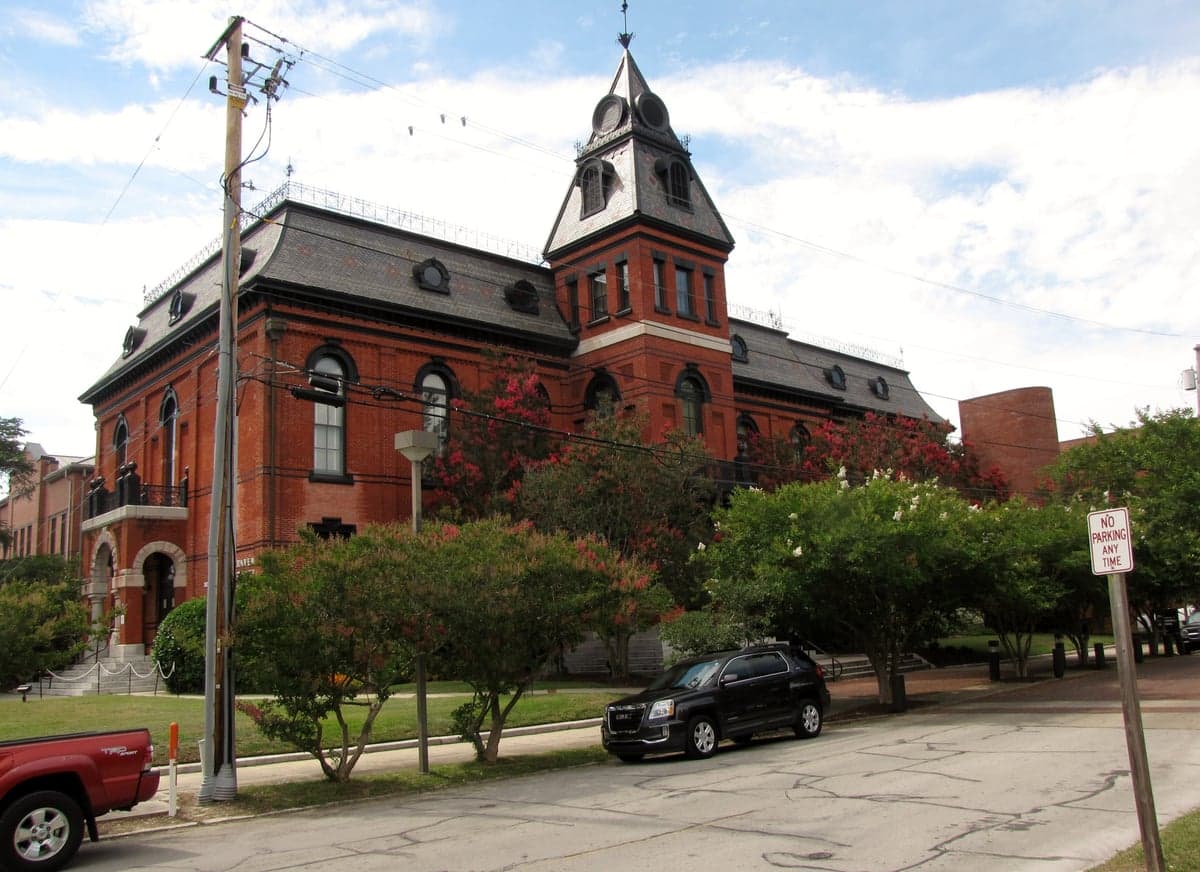
Photo: Wikipedia
Quality of Life in Craven County
A livable area that tracks near national norms for affordability, walkability, and neighborhood health.
What does Quality of Life tell us?
Quality of Life measures an area by evaluating factors like cost of living, nearby amenities, country club access, airport proximity, socioeconomic signals and neighborhood character. For large states, this is a general average — quality of life can vary dramatically between metro areas, suburbs, and rural communities within the same state.
What does this tell us?
Quality of Life measures an area by evaluating factors like cost of living, nearby amenities, country club access, airport proximity, socioeconomic signals and neighborhood character. For large states, this is a general average — quality of life can vary dramatically between metro areas, suburbs, and rural communities within the same state.
Cost of Living
14% below national average
110%
The Real Cost of Living in Craven County for 2026
| Tier | Individual | Family (4) |
|---|---|---|
| Survival | $18k | $33k |
| Comfortable | $40k | $59k |
| Luxury | $117k+ | $181k+ |
| Elite (Top 5%) | $139k+ | $216k+ |
Quality-of-Life Analysis
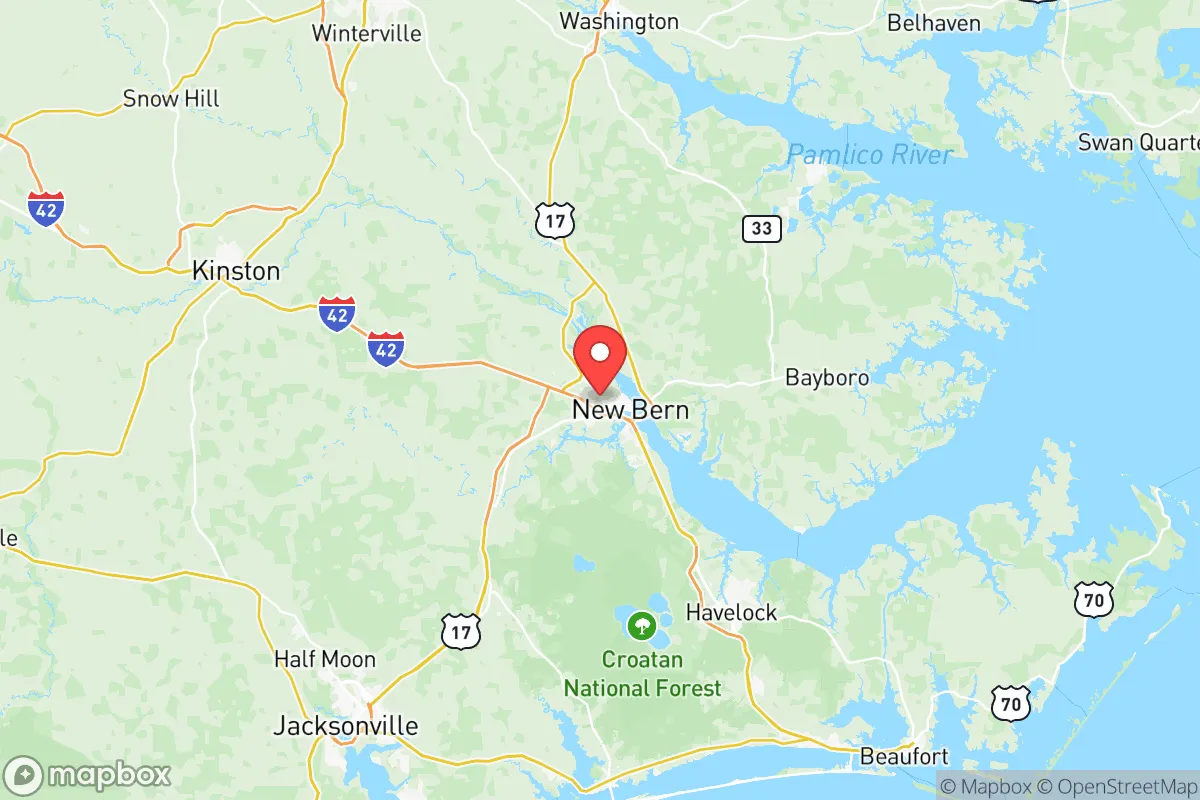
Craven County, North Carolina, offers a broad quality-of-life spectrum that ranges from the historic riverfront energy of New Bern to the quiet, land-locked rurality of places like Dover and Vanceboro. The county’s character shifts noticeably as you move from the urbanized core along the Neuse and Trent Rivers outward into the agricultural flatlands and coastal marsh pockets. This diversity draws a mix of retirees seeking walkable historic districts, military families connected to Marine Corps Air Station Cherry Point, and long-time farming families who value space and solitude.
Largest town(s) & population centers
New Bern is the county’s dominant population center and its only city with a full-service downtown. Daily life here revolves around the historic district’s brick sidewalks, the Tryon Palace grounds, and the waterfront along the Neuse River. The city provides the county’s densest concentration of retail, medical services (CarolinaEast Medical Center), and dining options. Havelock, located in the southeastern corner of the county, is a smaller but significant population center driven almost entirely by the presence of Marine Corps Air Station Cherry Point. Life in Havelock is more utilitarian and military-focused, with a higher proportion of rental housing and a faster-paced turnover of residents. Together, New Bern and Havelock account for the majority of the county’s jobs and commercial tax base.
Smaller towns & rural pockets
Outside the two main towns, Craven County contains several distinct smaller communities. Vanceboro, in the far western part of the county along the Pamlico River, is a classic rural crossroads town with a handful of local stores and a strong hunting-and-fishing culture. Dover, north of New Bern, is an unincorporated community that feels deeply agricultural, with tobacco and soybean fields dominating the landscape. Bridgeton, directly across the Neuse River from New Bern, offers a semi-rural feel with quick access to the city via the bridge. Harlowe and Cherry Point (the area immediately surrounding the air station) are unincorporated pockets that serve as bedroom communities for base personnel. These smaller areas lack the walkable amenities of New Bern but offer larger lots, lower traffic, and a quieter pace of life.
Cost & lifestyle range
The county’s overall cost of living index of 86 (100 = U.S. average) masks meaningful internal variation. At the higher end, New Bern’s historic district and waterfront neighborhoods command median home values well above the countywide figure of $206,200, with some riverfront properties exceeding $400,000. Rents in New Bern’s core also run above the county median of $1,100, particularly for newer apartment complexes near the hospital or downtown. At the lower end, rural areas like Vanceboro and Dover offer significantly cheaper housing—often 20–30% below the county median—with older single-family homes on acreage available for under $150,000. The trade-off is access: the average commute countywide is a manageable 21 minutes, but residents of the far western or northern rural pockets can expect drives of 30–40 minutes to reach New Bern’s grocery stores and medical facilities. Amenities thin out quickly once you leave the New Bern city limits; Vanceboro, for example, has no full-service grocery store, requiring a 20-minute drive to the nearest Food Lion.
The county’s spectrum of options means that different lifestyles coexist without much friction. Retirees and remote workers who prioritize walkability and cultural amenities gravitate to New Bern’s historic core. Military families and younger renters cluster in Havelock and the Cherry Point corridor for commute convenience. Farmers, outdoor enthusiasts, and those seeking maximum space per dollar settle in the rural townships of Vanceboro, Dover, and Harlowe. Craven County works best for people who understand that the trade-off between convenience and space is real—and who choose their location within the county accordingly.

Crime in Craven County
Crime rates similar to the national median for U.S. locations.
Violent CrimeViolent Crime Analysis
Property CrimeProperty Crime Analysis
Crime Analysis
Craven County, North Carolina, presents a mixed safety profile where property crime rates significantly exceed national averages while violent crime remains slightly below the U.S. median. The county, anchored by the city of New Bern and including the towns of Havelock, Bridgeton, Vanceboro, and Dover, recorded a violent crime rate of 310.5 per 100,000 residents and a property crime rate of 1,694.6 per 100,000 in the most recent reporting period. These figures place Craven County in a challenging position for residents and prospective movers, particularly when considering the influence of local prosecutorial policies on public safety outcomes.
Crime in context
When compared to statewide and national benchmarks, Craven County's violent crime rate of 310.5 per 100,000 sits roughly 11% below the national average of approximately 370 per 100,000, but remains elevated relative to North Carolina's statewide rate of about 340 per 100,000. The property crime rate of 1,694.6 per 100,000, however, is a more serious concern — it runs nearly 20% above the national average of roughly 1,400 per 100,000 and significantly exceeds the North Carolina state average of approximately 1,550 per 100,000. This disparity suggests that while violent confrontations are less frequent than in many American communities, theft, burglary, and vehicle crime are persistent problems that affect daily life. The county's position within the Eastern District of North Carolina places it under federal prosecutorial oversight that has historically taken a tougher stance on drug and firearm offenses than some urban jurisdictions, though local district attorney policies in the 3rd Prosecutorial District — which covers Craven, Carteret, and Pamlico counties — have drawn scrutiny from residents concerned about plea bargaining and sentencing leniency.
What residents experience
For those living in Craven County, the property crime rate translates into tangible risks. New Bern, the county seat and largest city, experiences the bulk of reported incidents, with vehicle break-ins and package thefts being common complaints in neighborhoods near the historic downtown and along the U.S. 70 corridor. Havelock, home to Marine Corps Air Station Cherry Point, sees elevated rates of larceny and motor vehicle theft, partly driven by transient military populations and the presence of rental properties. Smaller communities like Vanceboro and Dover report fewer incidents overall but lack the police staffing levels found in New Bern, meaning response times can be slower. The county's violent crime is concentrated in specific areas — assaults and robberies occur most frequently in the more densely populated sections of New Bern and Havelock, while Bridgeton and rural eastern Craven County see very few violent offenses. Residents in safer pockets, such as the gated communities along the Neuse River or the newer subdivisions west of New Bern near the Pamlico County line, report feeling secure, though they remain vulnerable to the property crimes that affect the entire county.
Neighborhood-level variation in Craven County is pronounced and closely tied to both socioeconomic factors and proximity to the county's two main population centers. Areas within New Bern's city limits — particularly the neighborhoods east of Glenburnie Road and south of U.S. 70 — show higher crime densities, while the western and northern fringes of the city, including the Taberna and Carolina Colours planned communities, experience far fewer incidents. Havelock's crime is largely clustered around the commercial strips on U.S. 70 and the rental-heavy zones near the base's main gate. For families and retirees considering relocation, the safest choices within Craven County are typically the unincorporated areas near the county's borders with Jones and Pamlico counties, where lot sizes are larger and population density is low. However, the county's overall property crime problem means that no area is immune to theft or burglary, and residents across all neighborhoods should invest in home security systems, outdoor lighting, and neighborhood watch participation as standard precautions.
* Values derived from national, state, county, city and local statistics and may differ in a specific area. Last updated: 2026-07-02T17:18:04.000Z
Narrative content on this page is AI-generated and may contain mistakes. Verify any details that matter before acting on them.
ReloMaps may earn a commission from affiliate links at no extra cost to you.

