Photo: Wikipedia
Find The Best Places To Live in Craven County
PRO TIP! You can paste a Zillow or Redfin link to get info on that property.
Best Places to Live in Craven County
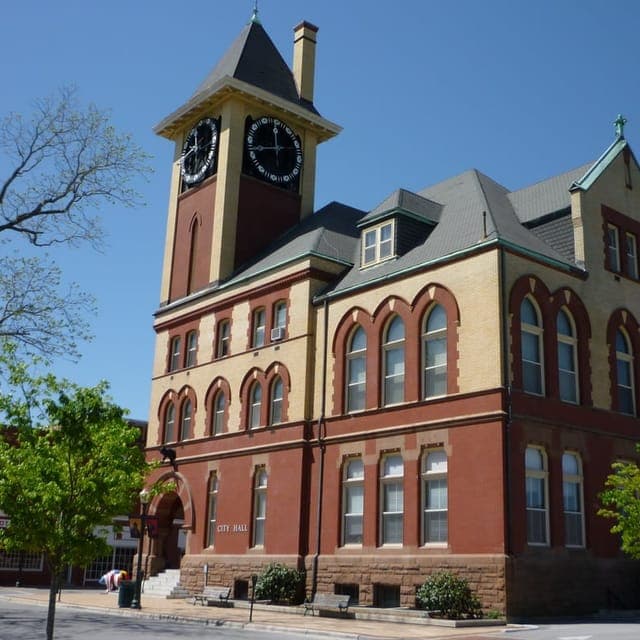
Cities & Towns in Craven County
Cities in Craven County
What It's Like Living in Craven County, NC
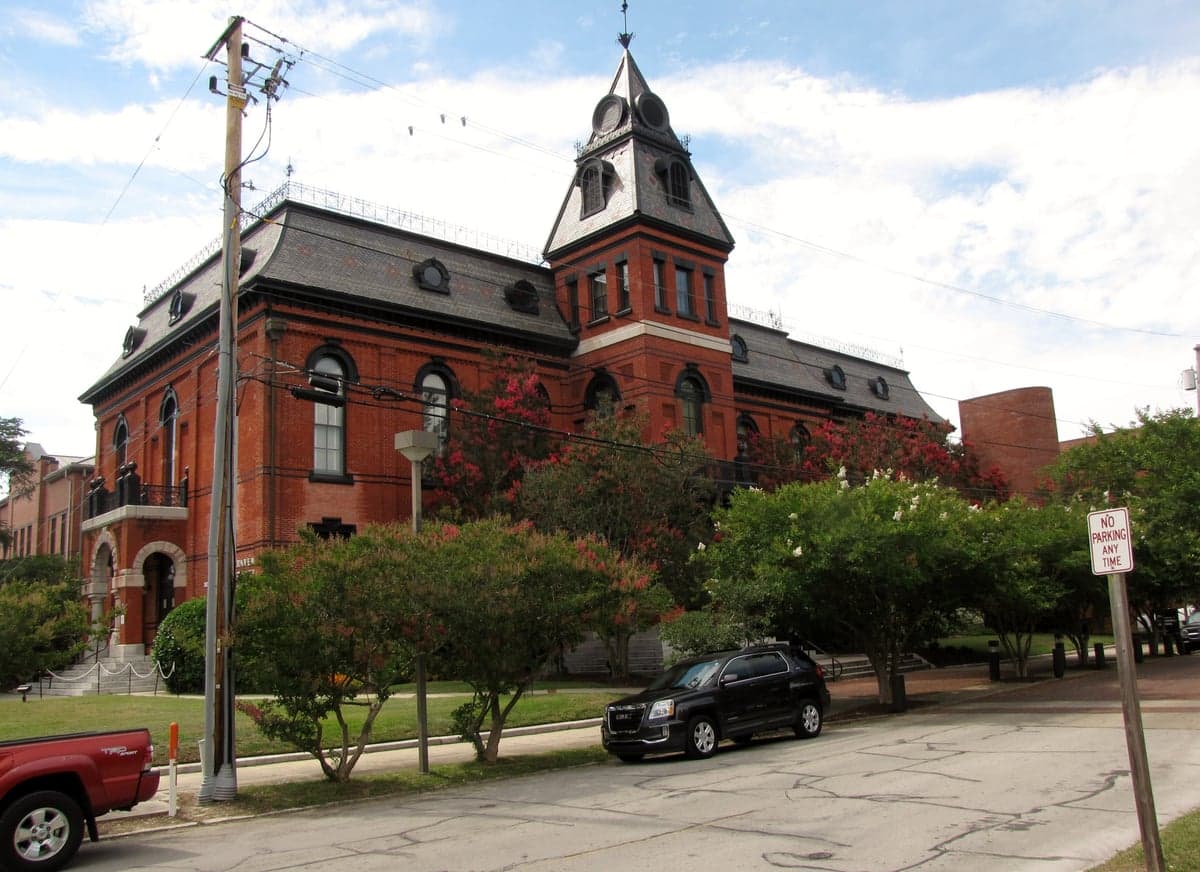
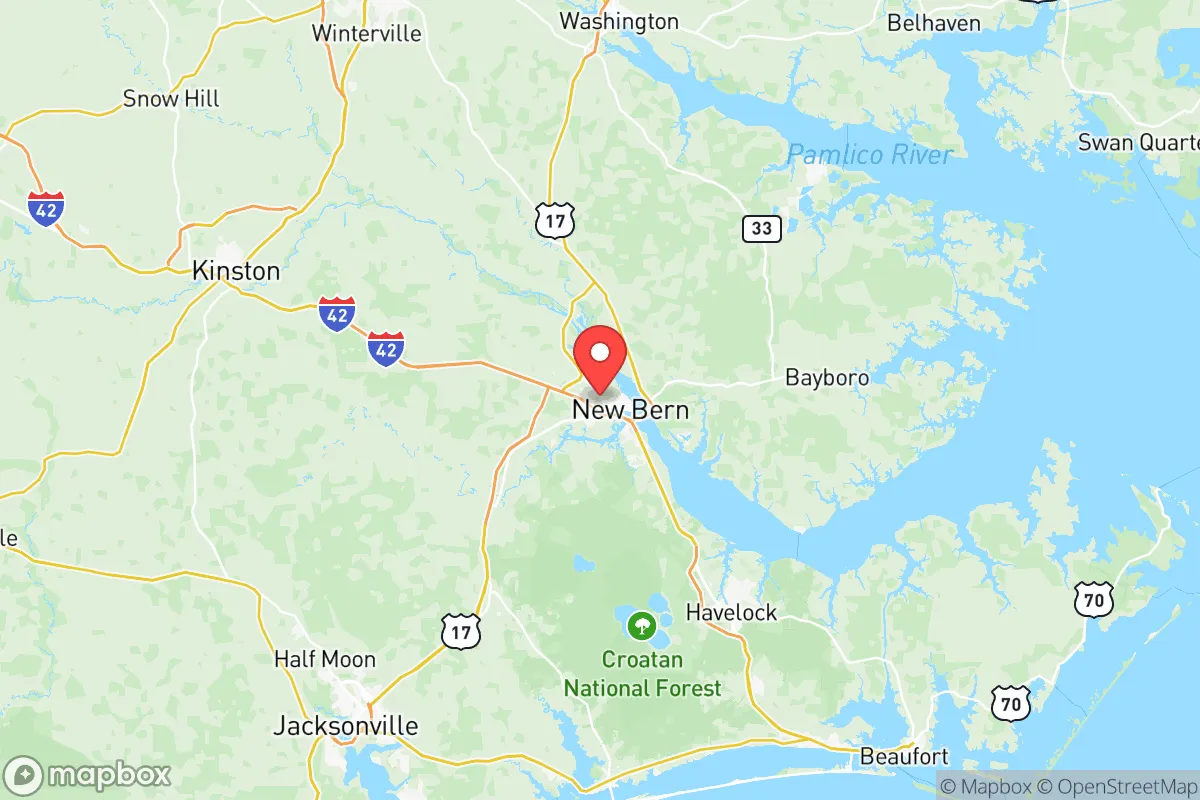
Living in Craven County means settling into a part of eastern North Carolina where the pace slows down just enough to notice the seasons change, but where you’re never far from a decent cup of coffee or a Friday night football game. The county’s anchor, New Bern, gives it a historic downtown and a riverfront identity, while towns like Havelock, Vanceboro, and the unincorporated community of Bridgeton each bring their own flavor—from military families stationed at Cherry Point to farmers working the fields along the Neuse and Trent rivers. It’s a place where you can live on a quiet rural road and still be twenty minutes from a grocery store, or buy a historic home in downtown New Bern and walk to dinner.
The Daily Rhythm: What People Actually Do
Most days in Craven County start early. In Havelock, the morning commute is shaped by the gates of Marine Corps Air Station Cherry Point, where thousands of active-duty personnel and civilian workers head to work before 7 a.m. In New Bern, the rhythm is more mixed—retirees walk along the waterfront at Union Point Park, parents drop kids off at one of the county’s strong public schools, and remote workers fill up tables at Brewery 99 or The Bank of the Arts coffee shop. The average commute here is just under 21 minutes, which means most people aren’t spending hours in the car. That short drive time is something longtime residents mention constantly—it’s a quality-of-life perk that lets families actually eat dinner together and still make it to little league practice.
Shopping and errands tend to cluster around the big-box corridor on U.S. 70 in New Bern, but locals also rely on smaller markets like Mitchell’s Hardware (a downtown institution since 1898) and the seasonal farmers markets that pop up in New Bern and Havelock. Weekends often involve yard work, fishing off the bridges in Bridgeton, or heading to the Croatan National Forest for a hike. The kind of person who fits in here is someone who doesn’t need constant nightlife but appreciates having a few solid restaurants and a river to look at.
Sports, Community, and What Brings People Together
High school sports are a genuine centerpiece of community life. New Bern High School’s football team draws big crowds on Friday nights, and the rivalry with Havelock High School is intense—Havelock’s program has won multiple state championships, and the stands are packed with families, veterans, and alumni. Beyond football, Craven County is a baseball and softball area, with youth leagues running strong through the spring and summer. There’s no major professional sports team in the county, but plenty of residents make the two-hour drive to Raleigh for Hurricanes or NC State games.
Festivals and local traditions fill the calendar. New Bern’s MumFest in October is the biggest event of the year, drawing tens of thousands for arts, crafts, and live music along the Trent River. The Havelock Chili Festival and the Vanceboro Catfish Festival are smaller but beloved, reflecting the county’s mix of military and rural cultures. The local identity is quietly patriotic—you see it in the flags along U.S. 70, the support for Cherry Point families, and the way the community rallies around deployed service members’ families.
What’s There to Do: Outdoors, Eats, and Entertainment
The outdoor life is a big draw. The Neuse and Trent rivers offer kayaking, paddleboarding, and fishing, and the Croatan National Forest provides miles of trails and the unique pocosin wetlands ecosystem. Union Point Park in New Bern is a popular spot for walking, picnicking, and watching boats pass through the river confluence. For a more structured outing, the Tryon Palace historic site and gardens gives a sense of the area’s colonial past—it’s a genuine landmark, not a tourist trap.
When it comes to food, the scene is solid but not flashy. Morgan’s Tavern & Grill in New Bern is a local favorite for burgers and craft beer, while MJ’s Raw Bar & Grille serves up oysters and shrimp that remind you you’re near the coast. In Havelock, El Tapatio is the go-to for Mexican food, and Moore’s Olde Tyme Barbeque in New Bern is where locals send out-of-town guests for Eastern North Carolina chopped pork. The bar scene is modest—a handful of breweries like Brewery 99 and Carolina Brewing Company in New Bern, plus a few dive bars in Havelock where military folks unwind.
Pros and Cons of Living Here
- Pro: Cost of living is genuinely low. With a cost of living index of 86 (14% below the national average) and a median home value of $206,200, a household earning the county’s median income of $64,635 can afford a comfortable home. That’s increasingly rare in coastal North Carolina.
- Pro: Short commutes and easy access to the coast. You can be at Atlantic Beach in 45 minutes, and the drive to Raleigh is about two hours. The 21-minute average commute means more time at home.
- Con: Violent crime is a real concern. The rate of 310.5 per 100,000 is above the national average, and it’s concentrated in specific areas of New Bern and Havelock. Most residents will tell you they feel safe in their neighborhoods, but it’s not something to ignore.
- Con: Limited job diversity outside the military and healthcare. Cherry Point and CarolinaEast Medical Center are the two largest employers. If you’re not in defense, medicine, or education, you may need to commute or work remotely.
- Con: The summer humidity is no joke. From June through September, the heat and mosquitoes are relentless. Air conditioning isn’t optional.
Craven County isn’t trying to be the next big thing. It’s a place where people raise kids, serve their country, retire near the water, and generally appreciate that life moves a little slower. If you’re looking for a low-cost, community-oriented slice of eastern North Carolina with real history and genuine people, it’s worth a serious look.

* Values derived from national, state, county, city and local statistics and may differ in a specific area. Last updated: 2026-07-02T17:18:04.000Z
Narrative content on this page is AI-generated and may contain mistakes. Verify any details that matter before acting on them.
ReloMaps may earn a commission from affiliate links at no extra cost to you.

