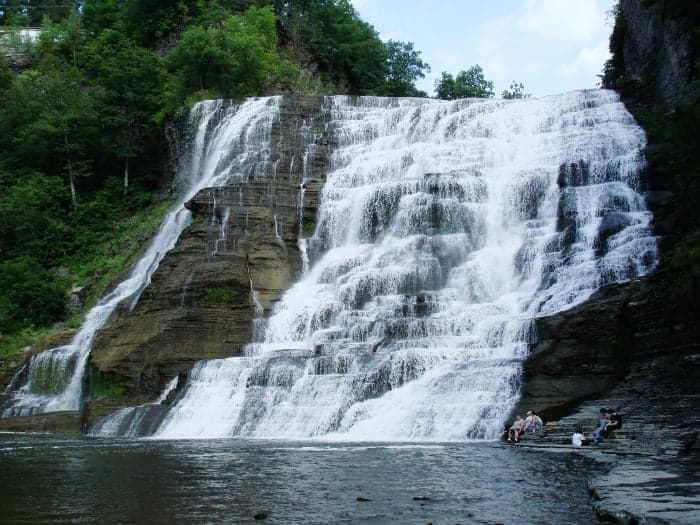
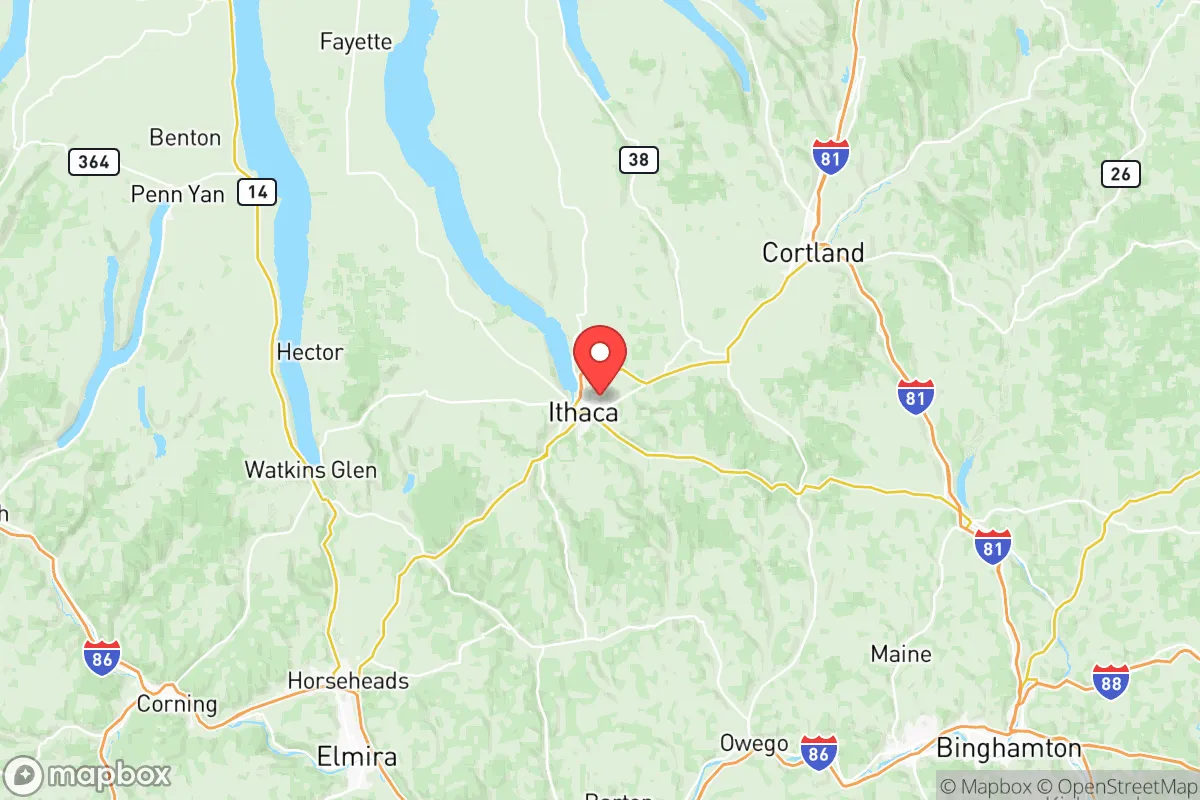
Photo: Wikipedia
Find The Best Places To Live in Tompkins County
PRO TIP! You can paste a Zillow or Redfin link to get info on that property.
Best Places to Live in Tompkins County
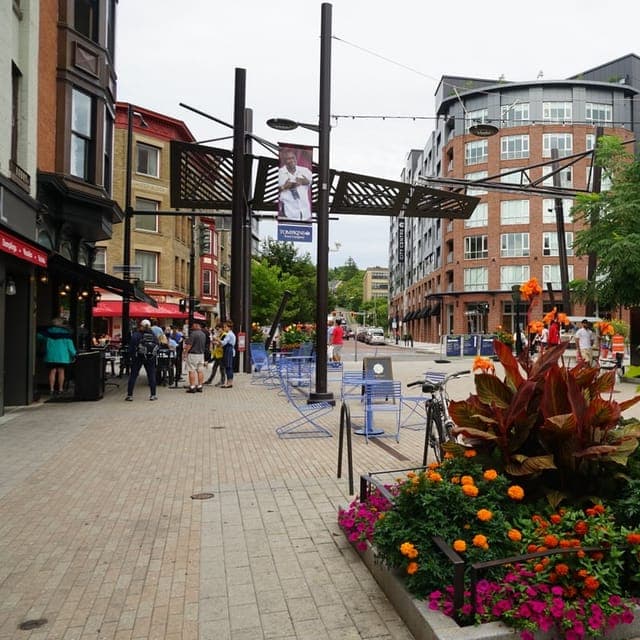
Cities & Towns in Tompkins County
Cities in Tompkins County
What It's Like Living in Tompkins County, NY
Living in Tompkins County means navigating a place that feels both like a bustling small city and a quiet rural retreat, often within the same day. The county’s anchor is Ithaca, a college town dominated by Cornell University and Ithaca College, but the rest of the county—places like Dryden, Lansing, Trumansburg, and the more rural towns of Caroline and Danby—offers a completely different pace. It’s a county where a Friday night might mean a Cornell hockey game, a farm-to-table dinner in Trumansburg, or a quiet evening on Cayuga Lake, and where the political and cultural divide between the university crowd and the long-time farming families is a constant, unspoken undercurrent.
Daily Rhythm: From Ithaca’s Hustle to Rural Quiet
For most residents, daily life is shaped by where you live within the county. In Ithaca, the streets are busy with students, professors, and professionals, and the local economy revolves around the universities, Ithaca College, and a growing tech and healthcare sector. The average commute is a mercifully short 20.5 minutes, which means you can live in a quieter town like Dryden or Lansing and still get to work in Ithaca without the soul-crushing traffic of a bigger metro. People shop at the Ithaca Farmers Market on weekends, grab coffee at Gimme! Coffee, and eat at places like the Moosewood Restaurant, a legendary vegetarian spot that’s been a local institution for decades. In the rural towns, life is slower—you’ll see more pickup trucks, more barns, and more people who’ve lived here for generations. The county’s median age of 32.8 is pulled down by the student population, but the real story is the split: young, transient students in Ithaca versus older, settled families in the surrounding towns.
The kind of person who fits in here is often someone who values education, the outdoors, and a slower pace, but can also tolerate a certain amount of intellectual intensity and political activism. The county’s 59.2% college-educated rate is among the highest in the state, which means conversations at a bar in Ithaca can quickly turn to academic debates. But drive 15 minutes to Trumansburg, and you’ll find a more blue-collar, agricultural community where the local diner is the social hub. The median household income of $73,012 is decent, but the cost of living index of 109 means housing is a real squeeze, especially for families. The median home value of $271,500 is high for upstate New York, and many people priced out of Ithaca are moving to Dryden or Lansing for more space.
Sports, Community, and What People Actually Do
Sports here are a big deal, but not in the way you might expect from a conservative-leaning area. There’s no major pro team, but Cornell Big Red hockey is a genuine event—Lynah Rink is famously loud and passionate, and a game night is a local tradition. High school football is present but not the dominant force it is in other parts of the state; instead, Ithaca High School’s soccer and track teams draw strong crowds. For families, the weekend rhythm often involves hiking at Buttermilk Falls State Park or Robert H. Treman State Park, both of which are stunning gorges with waterfalls. In the summer, the Ithaca Festival and the Finger Lakes Wine Festival bring people out, and the Trumansburg Fair is a classic agricultural event with rides, livestock, and local food. For music, the State Theatre of Ithaca hosts national acts, and the Hangar Theatre offers summer stock productions.
One of the county’s biggest cultural quirks is its deep-rooted environmentalism and progressive politics, which can feel jarring to a conservative-leaning newcomer. The county is a blue island in a red region, and local politics are dominated by issues like land use, renewable energy, and affordable housing. This can be a pro or a con depending on your perspective. What frustrates many long-time residents—especially those in the rural towns—is the feeling that Ithaca’s city council and the universities don’t always listen to the concerns of the outlying areas. The violent crime rate of 361.3 per 100,000 is higher than the national average, but it’s almost entirely concentrated in a few Ithaca neighborhoods and is often property-related or tied to the transient student population. In places like Caroline or Danby, crime is virtually nonexistent.
Pros and Cons of Living in Tompkins County
Here’s the honest breakdown of what you’ll love and what might drive you crazy:
- Pros: Unmatched natural beauty with the Finger Lakes, gorges, and state parks. A strong sense of community in the smaller towns. Short commutes. Excellent schools, especially in Ithaca and Lansing. A vibrant local food scene and farmers markets. Low unemployment thanks to the universities.
- Cons: High cost of living for upstate New York, especially housing. The weather—long, gray, snowy winters with lake-effect snow can be brutal. The political climate can feel overwhelming if you lean conservative. Limited job opportunities outside of education, healthcare, and tech. The county’s population of 102,879 means you’ll see the same faces often, which can be a pro or a con.
Seasonal rhythms are strong here. Fall is stunning with foliage and apple picking, winter is a test of endurance with snow and ice, spring is muddy and slow, and summer is a glorious burst of festivals, lake swimming, and outdoor dining. The schools—especially Ithaca City School District and Lansing Central School District—are a major draw for families, with strong academics and community involvement. But if you’re looking for a place where Friday-night football is the center of the universe, you’ll find that more in Dryden than in Ithaca. Ultimately, Tompkins County is a place of contrasts: intellectual and rural, progressive and traditional, expensive and beautiful. It’s not for everyone, but for the right person, it’s home.

* Values derived from national, state, county, city and local statistics and may differ in a specific area. Last updated: 2026-07-16T01:02:28.000Z
Narrative content on this page is AI-generated and may contain mistakes. Verify any details that matter before acting on them.
ReloMaps may earn a commission from affiliate links at no extra cost to you.

