Photo: Wikipedia
Political ClimatePolitical Climate in New York
Political Environment in the State
New York State has long been a Democratic stronghold, but the reality on the ground is far more complex than the state’s overall “blue” label suggests. Over the last 20 years, the state has shifted from a moderate blue to a deep progressive blue, driven almost entirely by New York City and its immediate suburbs. In 2024, Kamala Harris carried the state by roughly 12 points, but that margin is almost entirely a product of the five boroughs; outside of the NYC metro, the state is a deep red, and that divide has only widened since 2016. For a conservative-leaning individual or family, the key takeaway is that New York is not one state but two: the urban, progressive corridor and the rest of the state, which is increasingly conservative and frustrated.
Urban vs. rural divide
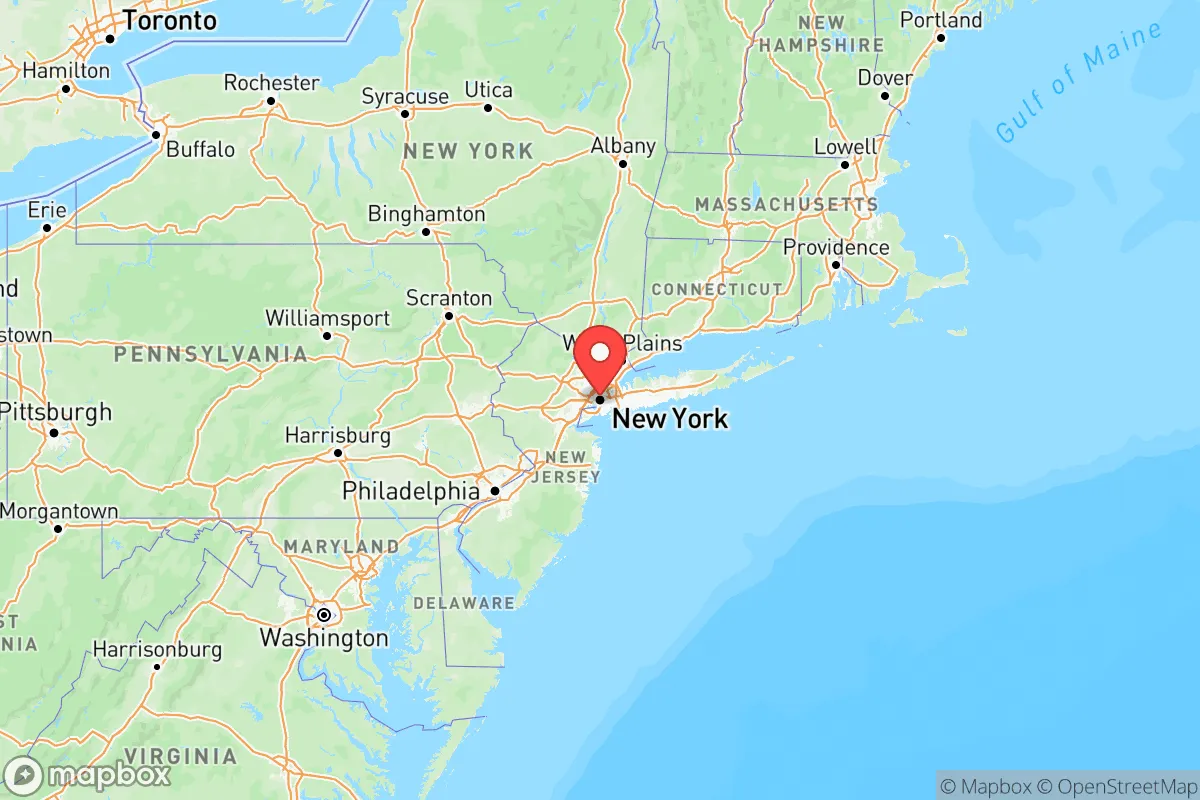
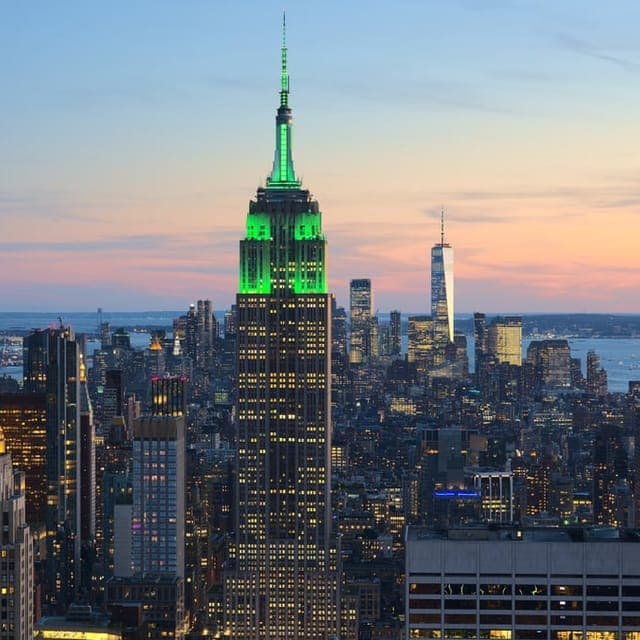
The political map of New York is a textbook case of the urban-rural chasm. New York City, with its 8.5 million residents, is the engine of the state’s Democratic dominance. In 2024, Manhattan delivered over 85% of its vote to Harris, while the Bronx and Brooklyn were similarly lopsided. The immediate suburbs—Nassau County on Long Island and Westchester County just north of the city—have historically been swing areas but have trended left in recent cycles, though Nassau still has pockets of Republican strength in towns like Oyster Bay and Hempstead. The real story is upstate. From the Hudson Valley north to the Canadian border, the map is a sea of red. Counties like Orleans, Wyoming, and Allegany routinely vote 65-70% Republican. Even in the mid-sized cities—Albany, Rochester, Syracuse, and Buffalo—the urban cores are blue, but the surrounding suburbs and exurbs are reliably red. The most dramatic shift has been in the Hudson Valley’s Dutchess and Putnam counties, which were once swing areas but have moved right as New York City’s progressive policies have pushed residents north. The divide is so stark that you can drive 30 minutes north of Manhattan and go from a district represented by Alexandria Ocasio-Cortez to one represented by Mike Lawler, a moderate Republican.
Policy environment
New York’s policy environment is a case study in progressive governance, and for a conservative audience, it’s a minefield. The state has the highest combined state and local tax burden in the nation, with property taxes that can exceed 2% of a home’s value in places like Westchester and Nassau. The income tax is progressive, topping out at 10.9% for high earners, but the real killer is the estate tax, which kicks in at just over $6 million—far lower than the federal exemption. On education, the state has fully embraced Common Core and has some of the most restrictive homeschooling regulations in the country, requiring annual assessments and detailed curriculum plans. Healthcare is dominated by the state’s Medicaid expansion and the Essential Plan, which have driven up premiums for private insurance. Election laws are among the most liberal in the nation: no-excuse absentee voting, early voting, and automatic voter registration are all in place. The state also passed the John R. Lewis Voting Rights Act in 2022, which gives the attorney general broad power to intervene in local election changes—a move critics say is designed to suppress upstate conservative counties. For a conservative, the regulatory posture is suffocating: the state’s Climate Leadership and Community Protection Act mandates a 85% reduction in greenhouse gases by 2050, which has driven up energy costs and driven out manufacturing.
Trajectory & freedom
Over the last decade, New York has become less free by almost any measure. The SAFE Act of 2013, passed in the wake of Sandy Hook, was one of the strictest gun control laws in the nation, banning assault weapons and requiring universal background checks. It was followed by the 2022 Concealed Carry Improvement Act, which made it nearly impossible to get a permit to carry outside the home—a law that the Supreme Court is currently reviewing. On parental rights, the state passed a law in 2023 that allows minors as young as 14 to consent to gender-affirming care without parental notification, a move that has sparked outrage among conservative families. Medical autonomy took a hit with the state’s strict COVID-19 mandates, which included some of the longest-lasting school mask mandates in the country and a vaccine mandate for healthcare workers that remains in effect. Property rights have been eroded by the state’s rent stabilization laws, which now cover over a million units and make it nearly impossible for landlords to evict problem tenants or raise rents to market rates. The most recent blow was the 2024 passage of the “Good Cause Eviction” law, which requires landlords to prove “good cause” before evicting a tenant, effectively creating a near-permanent tenancy. On the positive side, the state did repeal the “pink tax” on feminine hygiene products and expanded the child tax credit, but these are small consolations for a conservative looking at the overall trajectory.
Civil unrest & political movements
New York has been a flashpoint for political activism on both sides. The 2020 Black Lives Matter protests in New York City were among the largest and most destructive in the nation, with over $1 billion in property damage and a subsequent push to defund the NYPD that led to a 40% increase in shootings that summer. The state’s sanctuary city policies, which limit cooperation between local law enforcement and ICE, have made New York a magnet for illegal immigration, with over 100,000 migrants arriving since 2022. This has strained resources in cities like Buffalo and Rochester, which have seen their homeless shelters overwhelmed. On the right, the upstate secession movement has gained traction, with counties like Orleans and Wyoming passing resolutions calling for a breakaway state of “New York” (the rest of the state would be called “New Amsterdam”). The movement is largely symbolic, but it reflects a deep frustration with downstate control. Election integrity has been a hot-button issue since 2020, when the state’s mail-in voting expansion led to widespread allegations of fraud, though no major convictions have been made. The most visible flashpoint for a new resident would be the constant presence of political protests in Albany and New York City, from pro-Palestinian rallies to anti-vaccine marches. It’s a state where politics is never far from the surface.
Projection
Over the next 5-10 years, New York is likely to become more progressive, not less. The demographic trends are clear: New York City continues to attract young, left-leaning immigrants and college graduates, while upstate continues to lose population to lower-tax states like Florida and Texas. The 2020 census cost the state a congressional seat, and that trend will accelerate. The state’s budget is increasingly reliant on high-income earners in Manhattan, and as those earners flee to Florida or Tennessee, the state will face a fiscal crisis that will likely lead to even higher taxes. The political power of the NYC metro will only grow, meaning that policies like the Climate Act and rent control will become more entrenched. For a conservative moving in now, the expectation should be that the state will continue to restrict gun rights, expand government healthcare, and limit parental control over education. The only countervailing force is the growing upstate conservative movement, but it lacks the population to flip the state legislature. The best-case scenario for a conservative is that the state’s fiscal problems force a reckoning, leading to a moderate governor in 2026 or 2030, but that’s a long shot.
For a conservative individual or family considering New York, the bottom line is this: the state offers world-class natural beauty in the Adirondacks and Finger Lakes, and some of the best public schools in the nation in places like Scarsdale and Jericho, but you will pay a heavy price in taxes, regulations, and cultural isolation. If you can afford to live in a red upstate county like Wyoming or Orleans, you can find a like-minded community, but you will still be subject to state laws that you likely oppose. The state is not getting more conservative, and the progressive agenda is accelerating. If you value low taxes, gun rights, and parental autonomy, New York is probably not your best bet. But if you have a high-income job in New York City and can afford the tax burden, the upstate escape is a viable compromise—just don’t expect the state to change for you.

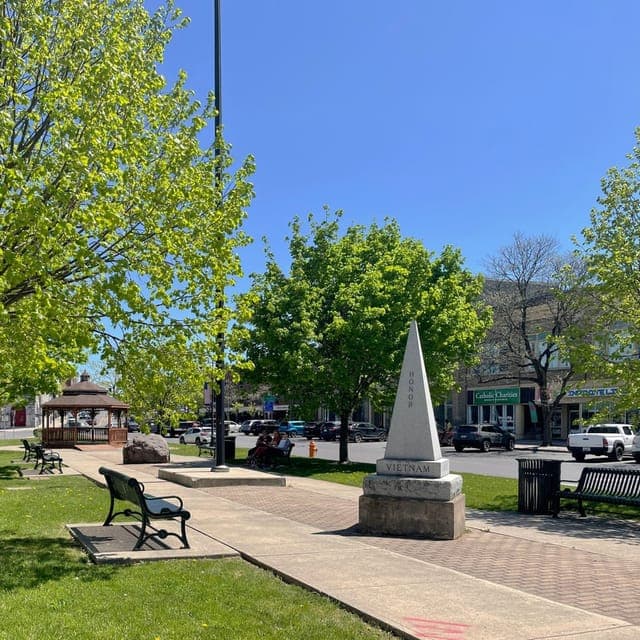
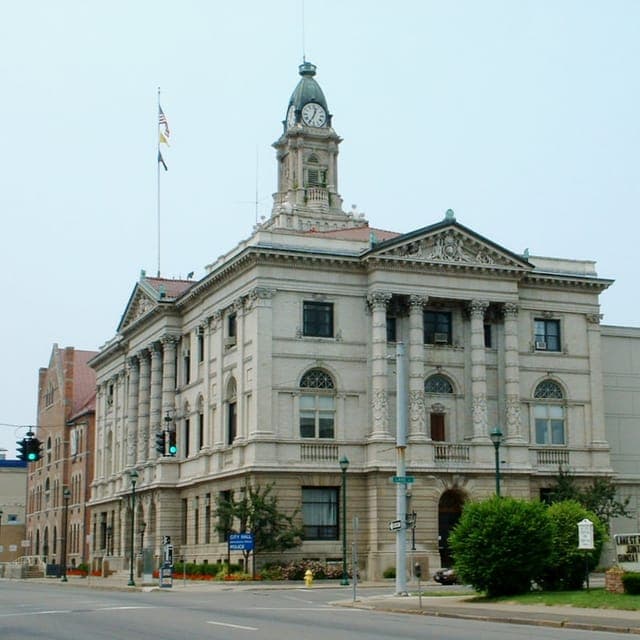
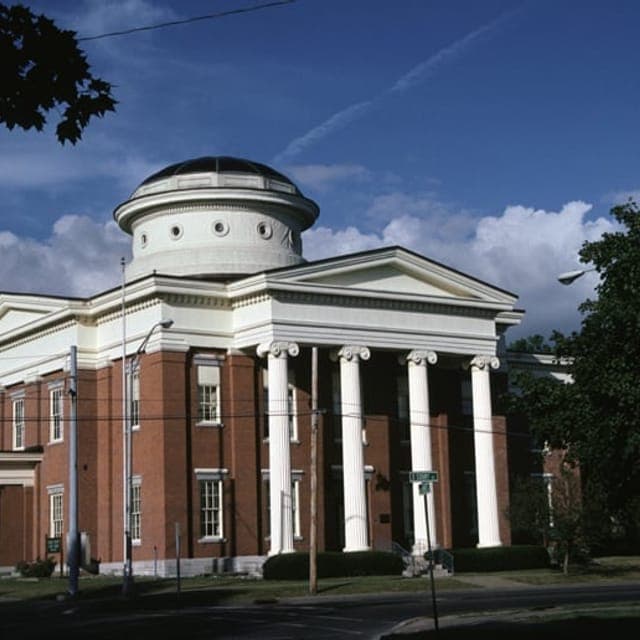
Most Conservative Cities in New York

Most Liberal Cities in New York

* Values derived from national, state, county, city and local statistics and may differ in a specific area. Last updated: 2026-06-03T00:47:32.000Z
Narrative content on this page is AI-generated and may contain mistakes. Verify any details that matter before acting on them.
ReloMaps may earn a commission from affiliate links at no extra cost to you.

