Photo: Wikipedia
Personal Sovereignty in New York
Moderate friction. Expect trade-offs in some aspect of personal liberty and independence.
What does Personal Sovereignty tell us?
Personal Sovereignty measures your capacity for self-reliance and independence with minimal government friction. Higher scores mean fewer barriers between you and the way you want to live... but it assumes you have the space you need and good neighbors.
What does this tell us?
Personal Sovereignty measures your capacity for self-reliance and independence with minimal government friction. Higher scores mean fewer barriers between you and the way you want to live... but it assumes you have the space you need and good neighbors.
State Policy
Energy independence: Importer (12% of energy produced in-state)
Personal Liberty
Homesteading

Personal Liberty Analysis
For individuals and families who prioritize personal sovereignty, New York City presents one of the most challenging environments in the United States. The city’s dense population, progressive governance, and deep regulatory apparatus create a landscape where autonomy over daily life, property, and self-defense is heavily circumscribed. While the state as a whole has a reputation for limiting personal freedoms, the contrast between New York City and its more rural upstate regions—such as the Adirondack towns of Lake Placid or the Finger Lakes community of Penn Yan—is stark. In Manhattan, Brooklyn, and the Bronx, nearly every aspect of personal choice is mediated by city and state codes, from what you can grow in your backyard (if you have one) to how you can protect your home.
Tax burden and regulatory posture: How New York City compares to upstate alternatives
The tax burden in New York City is among the highest in the nation, and it directly impacts personal sovereignty by reducing disposable income and limiting financial independence. Residents face a combined state and city income tax rate that can exceed 12% for top earners, plus property taxes that average 1.4% of home value—though effective rates in Manhattan can be lower due to high valuations, while outer boroughs like Staten Island and Queens see higher effective rates. Sales tax in the city is 8.875%, one of the highest in the country. Beyond taxes, the regulatory posture is aggressive: the city’s Department of Buildings requires permits for even minor renovations, and the Rent Guidelines Board controls rent increases for over one million rent-stabilized apartments, limiting landlord autonomy. For those seeking lower tax burdens and fewer regulations, towns like Boonville in Oneida County or Warsaw in Wyoming County offer property taxes roughly half the city’s rate and far less bureaucratic interference. However, even in these areas, state-level mandates—such as the Climate Leadership and Community Protection Act’s push for all-electric buildings—still constrain property owners.
Self-defense and gun law specifics: What the Sullivan Act means for daily carry
New York’s gun laws are among the most restrictive in the nation, and New York City adds its own layer of controls. The state’s Concealed Carry Improvement Act (CCIA), passed in 2022, requires a “proper cause” showing for a concealed carry permit, though the Supreme Court’s Bruen decision struck down the old “may issue” standard. In practice, the NYPD’s Licensing Division still processes applications slowly, with wait times often exceeding six months. The city bans possession of “assault weapons” under a broad definition, limits magazine capacity to 10 rounds, and requires safe storage laws that mandate guns be locked away even in homes. For preppers, this means that self-defense options are severely limited: carrying a firearm for personal protection in Manhattan or Brooklyn is effectively impossible for most residents without a lengthy legal battle. In contrast, upstate counties like Lewis County (Lowville) or Schoharie County (Cobleskill) issue permits more readily, and rural sheriffs often refuse to enforce the most restrictive state mandates. However, even there, the state’s “red flag” law allows for temporary seizure of firearms based on third-party reports, a provision many conservatives view as an overreach into due process.
Self-reliance and homesteading viability: Lot sizes, zoning, and off-grid feasibility
For those seeking self-reliance through homesteading, New York City is essentially a non-starter. The average lot size in the five boroughs is under 5,000 square feet, and zoning laws prohibit keeping livestock, raising bees, or installing rainwater collection systems without extensive permits. Community gardens exist but are tightly regulated by the Parks Department. Off-grid living—solar panels, composting toilets, or wood heat—is nearly impossible in a city where building codes mandate grid connection and waste disposal. The situation changes dramatically outside the city. In the Hudson Valley, towns like Kingston and New Paltz have more permissive zoning for backyard chickens and small-scale agriculture, but still require permits for major off-grid systems. For true homesteading viability, look to the North Country: St. Lawrence County (Canton) and the Adirondack Park region allow for larger parcels—often 10 acres or more—with minimal zoning restrictions. Off-grid solar is legal, though net metering rules are state-controlled and less favorable than in states like Texas. Water rights are also restricted: the state’s Department of Environmental Conservation regulates well drilling and surface water use, meaning you cannot simply dig a well or dam a stream without permits. For preppers, the best bet is a rural county with a strong agricultural tradition, such as Wyoming County (Warsaw), where lot sizes of 5-20 acres are common and local officials are more sympathetic to self-reliance.
Personal liberties: Parental rights, medical autonomy, speech, and property
Personal liberties in New York City are constrained by a web of state and local policies that many conservatives view as government overreach. Parental rights are limited: the state’s Child Protective Services (CPS) has broad authority to investigate homeschooling families, and the city’s Department of Education mandates a specific curriculum that leaves little room for parental opt-outs on topics like sex education or critical race theory. Medical autonomy is also restricted: New York has a strict vaccine mandate for schoolchildren, and during the COVID-19 pandemic, the city enforced some of the longest-lasting mask and vaccine mandates in the country. For those who value medical freedom, this is a significant red flag. Free speech is protected under the First Amendment, but the city’s “hate speech” laws and restrictions on public assembly—such as requiring permits for protests of more than 20 people—create a chilling effect. Property rights are perhaps the most eroded: the city’s rent stabilization laws effectively transfer control of rental properties from landlords to tenants and the Rent Guidelines Board, and the state’s “good cause” eviction law, passed in 2024, makes it difficult to remove non-paying tenants. For homeowners, the city’s Landmarks Preservation Commission can restrict exterior modifications on over 37,000 buildings. In contrast, upstate towns like Lowville in Lewis County have far fewer restrictions on property use, and local school boards are more responsive to parental concerns.
Overall, personal sovereignty in New York City is severely limited compared to most of the United States. The combination of high taxes, restrictive gun laws, dense zoning, and aggressive government oversight makes it one of the least autonomous places for individuals and families who prioritize self-reliance and minimal government interference. For those willing to relocate within the state, rural counties like Lewis, Wyoming, or St. Lawrence offer a significantly better environment—though even there, state-level mandates on energy, education, and firearms still constrain freedom. For the survivalist or prepper mindset, the calculus is clear: New York City is a place to pass through, not to plant roots. If you value the ability to defend your home, raise your own food, and make medical decisions without state approval, look to the Adirondack foothills or the Finger Lakes region, where local culture and geography still allow for a measure of true independence.

Top Cities for Personal Sovereignty in New York


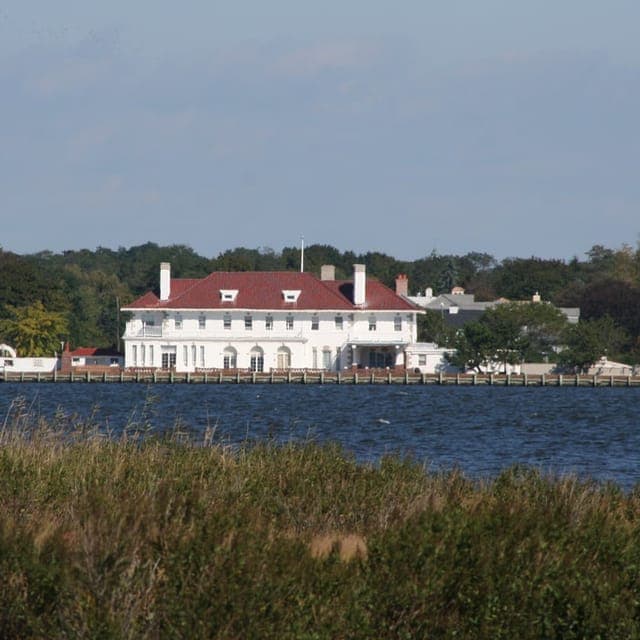
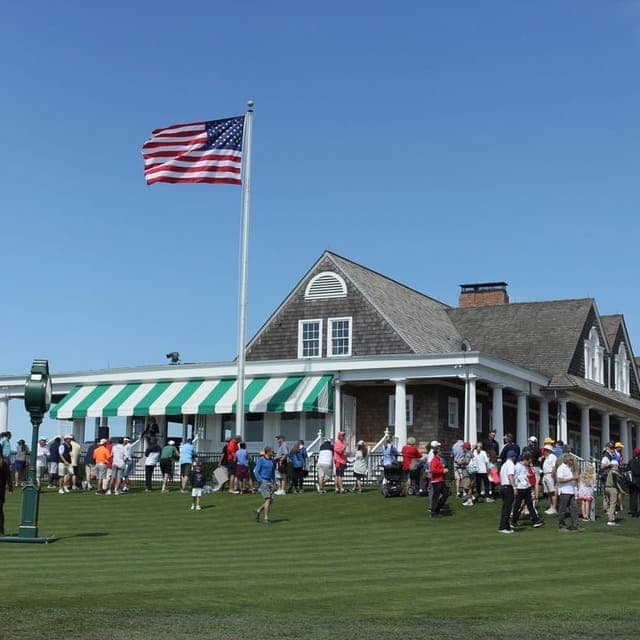
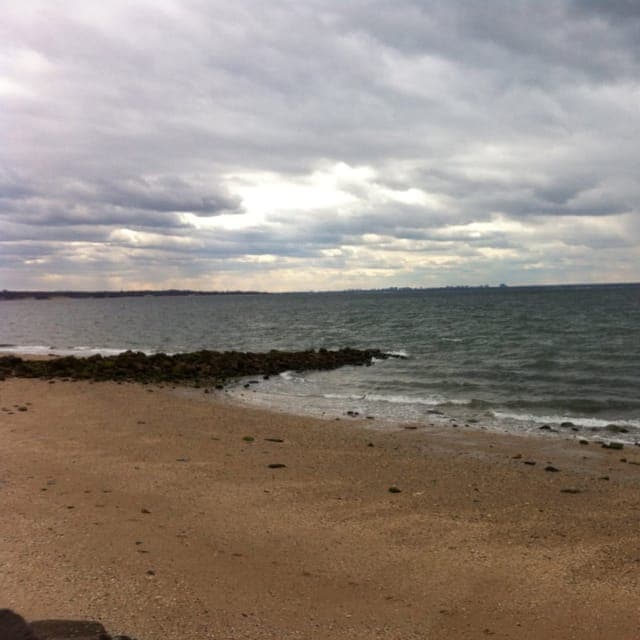

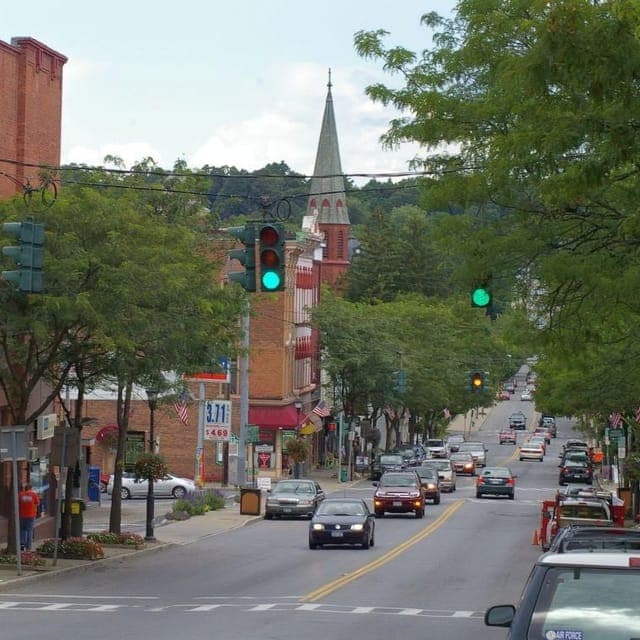
* Values derived from national, state, county, city and local statistics and may differ in a specific area. Last updated: 2026-06-03T00:47:32.000Z
Narrative content on this page is AI-generated and may contain mistakes. Verify any details that matter before acting on them.
ReloMaps may earn a commission from affiliate links at no extra cost to you.

