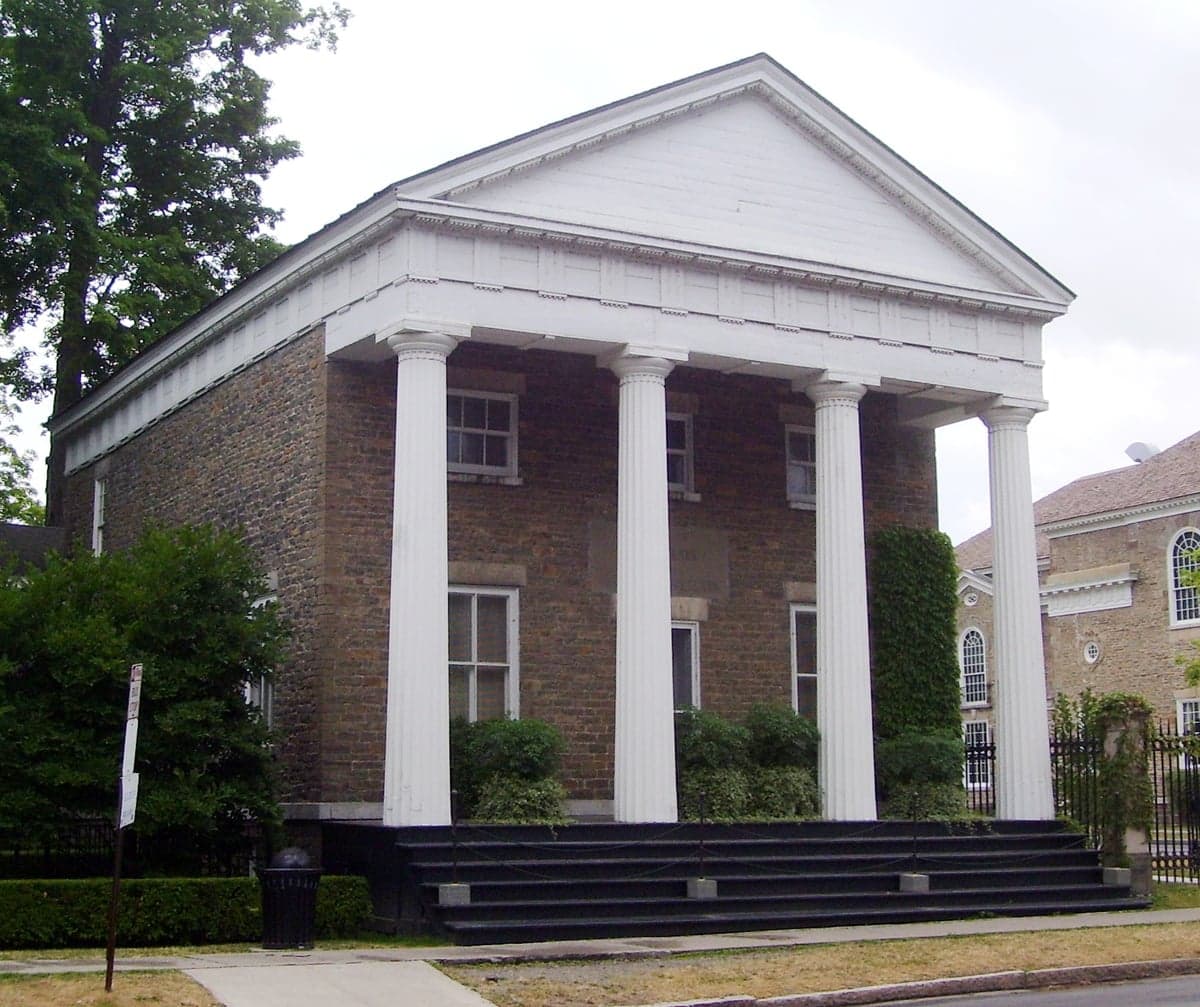
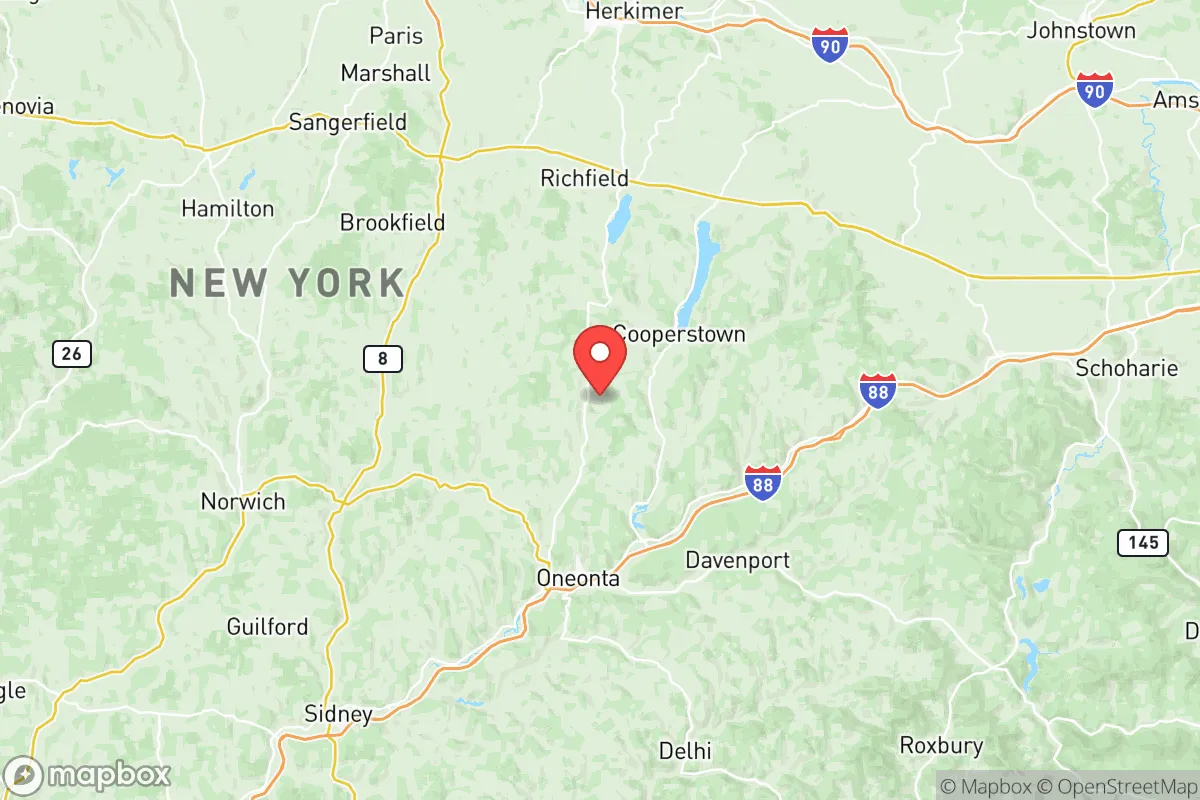
Photo: Wikipedia
Quality of Life in Otsego County
A livable area that tracks near national norms for affordability, walkability, and neighborhood health.
What does Quality of Life tell us?
Quality of Life measures an area by evaluating factors like cost of living, nearby amenities, country club access, airport proximity, socioeconomic signals and neighborhood character. For large states, this is a general average — quality of life can vary dramatically between metro areas, suburbs, and rural communities within the same state.
What does this tell us?
Quality of Life measures an area by evaluating factors like cost of living, nearby amenities, country club access, airport proximity, socioeconomic signals and neighborhood character. For large states, this is a general average — quality of life can vary dramatically between metro areas, suburbs, and rural communities within the same state.
Cost of Living
26% below national average
134%
The Real Cost of Living in Otsego County for 2026
| Tier | Individual | Family (4) |
|---|---|---|
| Survival | $15k | $28k |
| Comfortable | $34k | $50k |
| Luxury | $121k+ | $188k+ |
| Elite (Top 5%) | $144k+ | $223k+ |
Quality-of-Life Analysis
Otsego County in central New York offers a broad quality-of-life spectrum that ranges from the small-city amenities of its county seat, Cooperstown, to the quiet, rural character of hamlets like Roseboom and Westford. With a cost of living index of 74—well below the national average of 100—the county attracts a mix of retirees drawn to its cultural institutions, remote workers seeking affordable housing, and families looking for a slower pace. The diversity of its communities means that a resident’s daily experience can shift dramatically depending on whether they live in a walkable village, a lakeside town, or a farmhouse on a back road.
Largest town(s) & population centers
The county’s primary population anchor is Cooperstown, home to roughly 1,800 year-round residents and the National Baseball Hall of Fame and Museum. Daily life here revolves around a compact, walkable downtown on Otsego Lake, with boutique shops, restaurants, and the Fenimore Art Museum drawing visitors and locals alike. The village’s economy is heavily tourism-driven, which means summer and fall weekends bring crowds and traffic, but also seasonal employment. Just south, Oneonta (population ~14,000) is the county’s largest municipality and a more practical hub for daily living. It hosts SUNY Oneonta and Hartwick College, giving the town a youthful, college-town energy with a wider range of grocery stores, chain retailers, and medical services. Oneonta’s commute averages 23 minutes, and its housing stock—including older Victorians and newer subdivisions—keeps median home values at $175,900, making it one of the more affordable college towns in the Northeast.
Smaller towns & rural pockets
Beyond the population centers, Otsego County’s smaller communities offer distinctly different lifestyles. Cherry Valley, a historic village of about 600, centers on a quiet Main Street with a handful of antique shops and a strong sense of local history. Richfield Springs, near the county’s western edge, is a former resort town with a small grocery store, a pharmacy, and access to Canadarago Lake. Further east, Milford and Hartwick are unincorporated hamlets where daily life is defined by volunteer fire departments, one-room post offices, and long gravel driveways. The most remote pockets include Westford and Roseboom, where cell service can be spotty and the nearest supermarket is a 20-minute drive. These areas appeal to those seeking privacy, land, and a self-sufficient lifestyle, with many properties sitting on 5–50 acres of wooded hillside.
Cost & lifestyle range
The cost of living varies noticeably across the county, though it remains low by national standards. At the higher end, Cooperstown commands a premium: median home values near $250,000–$300,000 for properties within walking distance of the lake or downtown, and rental prices often exceed the county median of $942. Oneonta sits in the middle, with a typical three-bedroom home selling for around $180,000 and rents averaging $900–$1,000. At the lower end, rural areas like Worcester and Decatur see median home values below $120,000, with some fixer-uppers available for under $80,000. Property taxes in Otsego County are moderate for New York—roughly 2.5% of assessed value—but can vary by town. The county’s overall COL index of 74 means a household earning $50,000 can afford a comfortable lifestyle in most areas, though the trade-off in remote towns is limited access to dining, healthcare, and entertainment. Average commute times across the county are 23 minutes, but residents in far-flung hamlets like West Oneonta or Mount Vision may drive 30–40 minutes to reach a full-service grocery store or hospital.
Otsego County is best suited for people who value affordability and natural beauty over urban convenience. Retirees and remote workers often gravitate to Cooperstown or Oneonta for walkability and services, while homesteaders and outdoor enthusiasts find their niche in the county’s quieter corners. Families should weigh school district quality—Cooperstown and Oneonta schools are well-regarded, while rural districts like Cherry Valley-Springfield are smaller and more resource-constrained. For those willing to trade some amenities for space and lower costs, Otsego County delivers a rare combination of cultural richness and rural tranquility.

Crime in Otsego County
Crime rates similar to the national median for U.S. locations.
Violent CrimeViolent Crime Analysis
Property CrimeProperty Crime Analysis
Crime Analysis
Otsego County, New York, presents a mixed safety profile that is heavily influenced by its rural character and the presence of the City of Oneonta. With a violent crime rate of 363.7 per 100,000 residents and a property crime rate of 1,548.6 per 100,000, the county is not immune to crime, but the experience of safety varies dramatically depending on whether you live in a small village, a rural hamlet, or the county's primary urban center. Understanding these local dynamics is essential for anyone considering a move to the Leatherstocking Region.
Crime in context
Otsego County's violent crime rate of 363.7 per 100,000 is notably higher than the New York State average of roughly 350 per 100,000, but it remains well below the national average of approximately 380 per 100,000. Property crime, at 1,548.6 per 100,000, sits slightly below the national average of about 1,950 per 100,000 but is elevated compared to many other rural Upstate New York counties. These aggregate numbers, however, mask significant internal disparities. The City of Oneonta, home to SUNY Oneonta and Hartwick College, concentrates a large share of the county's reported incidents, particularly thefts and alcohol-related assaults. In contrast, towns like Cooperstown, Richfield Springs, and Cherry Valley typically report far lower crime rates, though they are not crime-free. The county's District Attorney's office, which operates under a generally moderate-to-conservative judicial philosophy in a largely rural district, has historically prioritized prosecution of drug-related offenses and property crimes, which helps keep some categories in check. However, the presence of a large student population in Oneonta introduces transient property crime and occasional violent incidents that skew the countywide data upward.
What residents experience
For most residents living outside of Oneonta, daily life in Otsego County feels quite safe. Violent crime is rare in villages like Gilbertsville or Worcester, where neighbors know each other and police response times are longer but community watch is strong. The primary safety concerns for these residents are property crimes—burglaries of seasonal homes, theft from unlocked vehicles, and occasional vandalism. In the City of Oneonta, the experience is different. The downtown area and neighborhoods near the college campuses see higher rates of theft, bicycle theft, and alcohol-fueled disturbances. The Oneonta Police Department has a visible presence, but the combination of a transient student population and a more progressive local judiciary in the city has led to concerns among long-term residents about repeat offenders cycling through the system. The county's rural nature also means that emergency services can take 15-30 minutes to reach remote homes, a factor that influences how residents perceive their personal safety, especially at night.
Neighborhood-level variation is pronounced. In Oneonta, the West End and areas near the college are generally considered less safe than the more established residential neighborhoods on the East Side or near Neahwa Park. Cooperstown, despite its tourist draw, maintains a very low violent crime rate, though petty theft and parking-related issues spike during the baseball season. The villages of Laurens and Morris are quiet, with crime largely limited to domestic disputes and minor drug offenses. For those considering a move, the safest bets are the smaller, unincorporated hamlets and the more affluent lakefront communities around Otsego Lake and Canadarago Lake, where property values and community cohesion act as natural deterrents. Prospective residents should be aware that the county's progressive-leaning district attorney in the Oneonta City Court has been criticized for a lenient approach to non-violent drug offenders, a factor that contributes to a perception of higher recidivism in the city compared to the rest of the county.
* Values derived from national, state, county, city and local statistics and may differ in a specific area. Last updated: 2026-10-30T21:49:46.000Z
Narrative content on this page is AI-generated and may contain mistakes. Verify any details that matter before acting on them.
ReloMaps may earn a commission from affiliate links at no extra cost to you.

