Photo: Wikipedia
Quality of Life in Chautauqua County
A livable area that tracks near national norms for affordability, walkability, and neighborhood health.
What does Quality of Life tell us?
Quality of Life measures an area by evaluating factors like cost of living, nearby amenities, country club access, airport proximity, socioeconomic signals and neighborhood character. For large states, this is a general average — quality of life can vary dramatically between metro areas, suburbs, and rural communities within the same state.
What does this tell us?
Quality of Life measures an area by evaluating factors like cost of living, nearby amenities, country club access, airport proximity, socioeconomic signals and neighborhood character. For large states, this is a general average — quality of life can vary dramatically between metro areas, suburbs, and rural communities within the same state.
Cost of Living
42% below national average
166%
The Real Cost of Living in Chautauqua County for 2026
| Tier | Individual | Family (4) |
|---|---|---|
| Survival | $13k | $24k |
| Comfortable | $23k | $34k |
| Luxury | $97k+ | $151k+ |
| Elite (Top 5%) | $114k+ | $177k+ |
Quality-of-Life Analysis
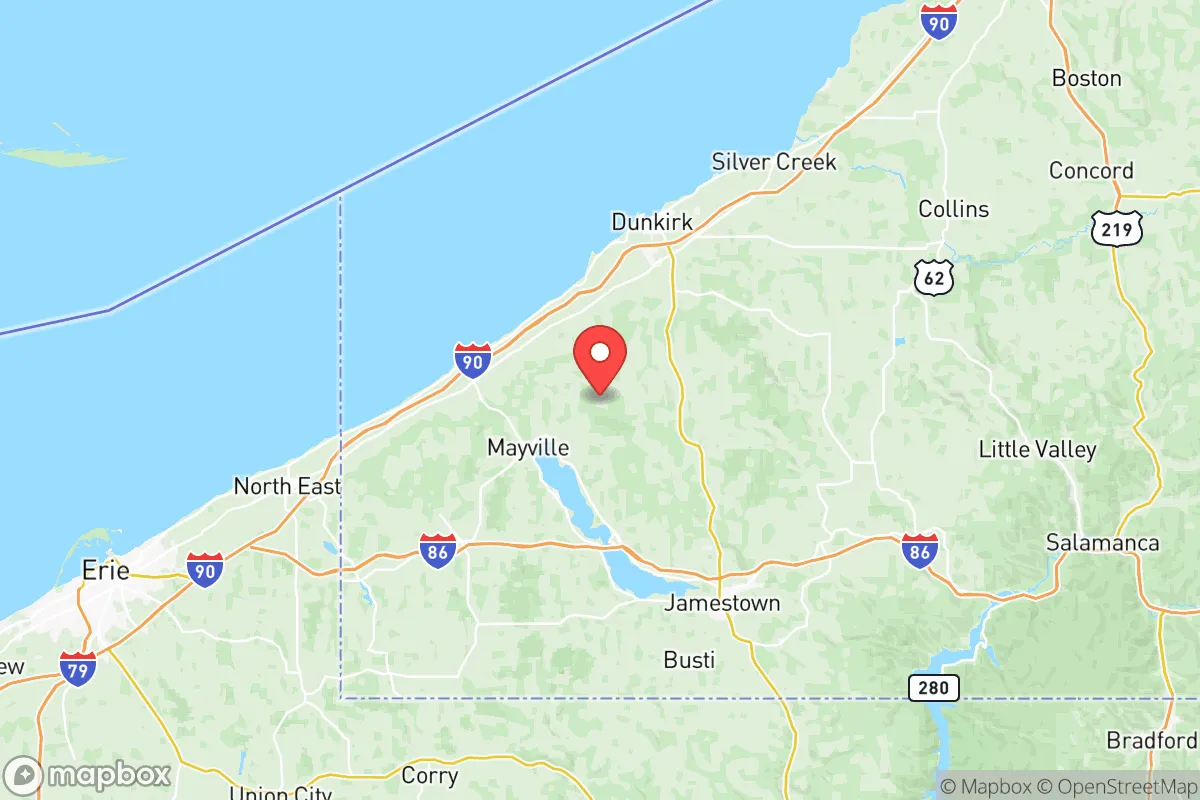
Chautauqua County, New York, offers a broad spectrum of living environments, from the walkable, amenity-rich city of Jamestown to the quiet, lakefront villages of Mayville and Westfield, and the deeply rural farmlands of the county’s interior. The county’s character shifts noticeably from east to west: the eastern half, anchored by Jamestown and Lakewood, provides more employment and retail density, while the western half, centered on Chautauqua Institution and the lakeside hamlets, draws seasonal residents and those seeking a slower, nature-focused pace. With a cost-of-living index of 58 (42% below the national average), the county is one of the most affordable in New York, but the lifestyle options vary significantly depending on whether you choose a village lot, a suburban subdivision, or a rural acreage.
Largest town(s) & population centers
Jamestown (pop. ~28,000) is the county’s primary urban center and commercial hub. Daily life here revolves around a compact downtown with the Reg Lenna Center for the Arts, the National Comedy Center, and a growing number of breweries and farm-to-table restaurants. The city offers the most diverse housing stock, from historic Victorians on Lakeview Avenue to modest bungalows in the south side, with a median home value of $119,300 and median rent of $797. Lakewood (pop. ~3,000), immediately west of Jamestown along Chautauqua Lake, is the county’s most suburban-style community, with newer single-family homes, a village center with shops and a public beach, and the Chautauqua Mall nearby. Fredonia (pop. ~10,000) in the northern part of the county is a college town anchored by SUNY Fredonia, giving it a younger, more walkable feel with a historic downtown and a strong local music scene. The average commute across the county is just 19.3 minutes, meaning even residents of these larger towns rarely face traffic delays.
Smaller towns & rural pockets
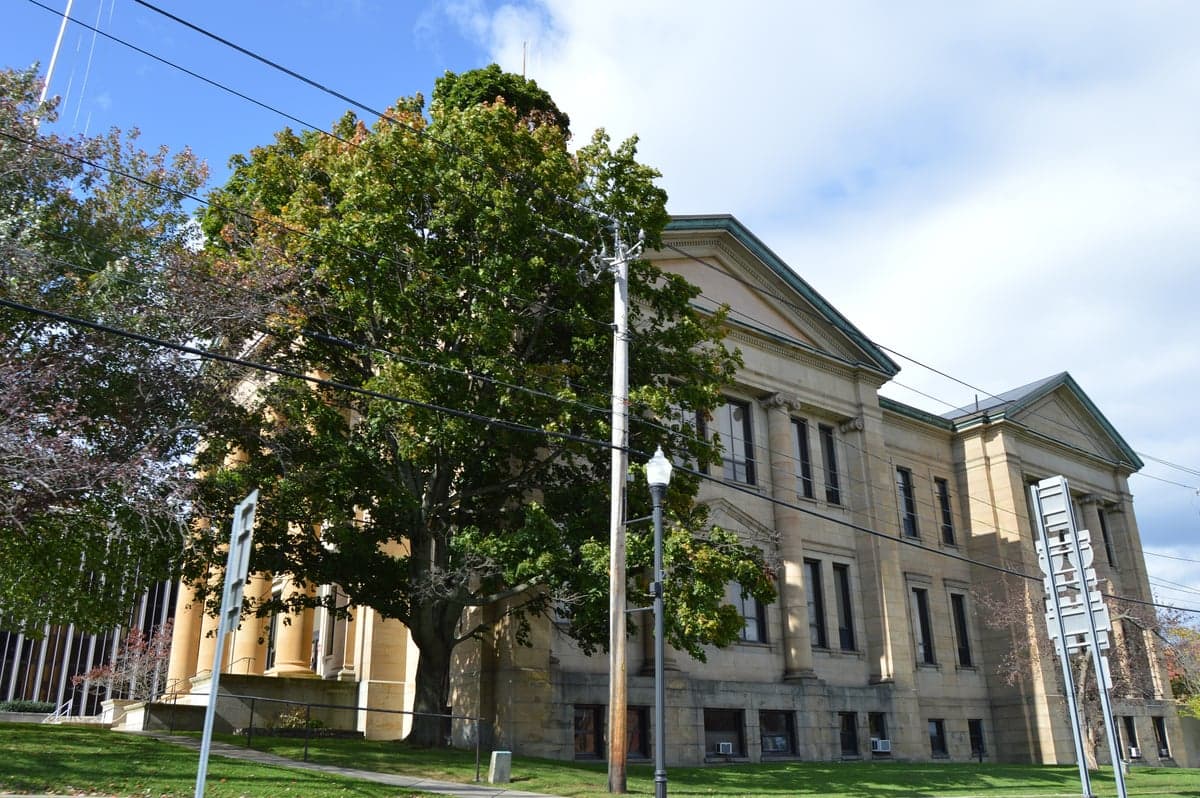
Beyond the population centers, the county is dotted with distinct smaller communities. Mayville (pop. ~1,600), the county seat, sits at the northern tip of Chautauqua Lake and offers a quiet, lakefront village lifestyle with a courthouse square, a handful of restaurants, and direct access to the lake. Westfield (pop. ~3,000) on Lake Erie is known for its historic downtown, the Barcelona Lighthouse, and the Welch’s grape juice plant, attracting those who want lake access without the seasonal crowds of Chautauqua Institution. Sherman (pop. ~650) and Panama (pop. ~500) are classic rural hamlets in the county’s interior, surrounded by dairy farms and vineyards, where daily life centers on local churches, volunteer fire departments, and the annual county fair. The unincorporated area of Ashville offers a mix of farmland and lake-access properties, popular with commuters to Jamestown who want acreage. These smaller communities typically have no rental market to speak of and home values often fall below the county median, with many fixer-uppers available for under $80,000.
Cost & lifestyle range
The cost-of-living spread across the county is narrower than in many regions, but real differences exist. At the lower end, Jamestown’s older neighborhoods and rural towns like Sherman and Clymer offer the cheapest housing, with some homes under $70,000 and rental options scarce but affordable. At the higher end, Lakewood and Chautauqua Institution’s private grounds (where seasonal homes can exceed $500,000) represent the county’s most expensive real estate, though still cheap by national standards. The lifestyle trade-off is clear: Jamestown provides walkable access to healthcare (UPMC Chautauqua), grocery stores, and entertainment, while rural areas require a 15-20 minute drive for basic errands but offer privacy, lower taxes, and direct access to hunting, fishing, and snowmobiling. Mayville and Westfield sit in the middle, with lakefront premiums but village walkability. Property taxes in Chautauqua County average around 2.5% of assessed value, slightly higher than the national average, but the low home prices keep monthly carrying costs manageable across all areas.
Chautauqua County is best suited for those who value affordability and outdoor recreation over urban amenities and career density. Retirees on fixed incomes, remote workers with stable internet (fiber is available in most villages but spotty in deep rural areas), and families seeking a safe, slow-paced environment will find the most to like. The county’s mix of lakefront villages, college towns, and working farms means a resident can choose between a downtown apartment in Jamestown, a lake cottage in Mayville, or a 10-acre homestead in Sherman — all within a 30-minute drive of each other and at a cost that is increasingly rare in the Northeast.

Crime in Chautauqua County
Crime rates similar to the national median for U.S. locations.
Violent CrimeViolent Crime Analysis
Property CrimeProperty Crime Analysis
Crime Analysis
Chautauqua County, in the far southwestern corner of New York, presents a mixed safety picture that falls roughly in the middle of national averages but shows notable variation between its urban centers and rural towns. The county's overall violent crime rate of 362.7 per 100,000 residents is slightly above the national average of 380 per 100,000, while its property crime rate of 1,540.3 per 100,000 sits below the national figure of 1,954 per 100,000. However, these county-wide numbers mask significant disparities between communities like the city of Jamestown, the village of Dunkirk, and safer towns such as Chautauqua, Fredonia, and Mayville.
Crime in context
When compared to New York State as a whole, Chautauqua County's violent crime rate is roughly double the statewide average of approximately 180 per 100,000, though the state figure is heavily depressed by New York City's low violent crime rate. The county's property crime rate is about 20% higher than the state average of 1,280 per 100,000. The most significant driver of these elevated numbers is the city of Jamestown, which accounts for a disproportionate share of the county's violent offenses, including aggravated assaults and robberies. The village of Dunkirk also reports elevated rates, particularly for property crimes like burglary and larceny. In contrast, the town of Chautauqua (home to the Chautauqua Institution) and the village of Fredonia (home to SUNY Fredonia) consistently report lower crime rates, often falling well below both county and state averages. The progressive judicial philosophy prevalent in New York State's court system, including in Chautauqua County's local courts, has contributed to a pattern of reduced incarceration and lighter sentencing for repeat offenders, which many residents cite as a factor in persistent property crime and drug-related offenses.
What residents experience
For those living in Chautauqua County, the day-to-day safety experience depends heavily on location. In Jamestown, residents frequently report concerns about drug-related activity, particularly involving opioids and methamphetamine, which drives both violent and property crime. The city's police department has struggled with staffing shortages, leading to slower response times in some neighborhoods. In Dunkirk, property crime—especially vehicle break-ins and theft from porches—is the most common complaint, with the waterfront area and lower-income neighborhoods seeing higher incident rates. Residents in Fredonia and the town of Chautauqua describe a markedly different experience, with low instances of violent crime and property crime largely limited to occasional thefts from unlocked cars or seasonal vandalism. The village of Mayville, the county seat, benefits from a visible sheriff's office presence and a tight-knit community where neighbors watch out for one another. Across the county, the progressive policies of the Chautauqua County District Attorney's office—which has emphasized diversion programs and reduced prosecution of low-level drug offenses—have drawn criticism from conservative residents who argue these approaches fail to deter repeat offenders and undermine public safety.
Neighborhood-level variation is pronounced. Within Jamestown, the area around the downtown core and the city's east side near the Chadakoin River corridor report the highest concentration of violent incidents, while the north side and outlying suburban developments near Lakewood are significantly safer. In Dunkirk, the central business district and areas near the former industrial sites see more property crime, while the lakeside neighborhoods and the college area near SUNY Fredonia remain relatively secure. For prospective residents, the safest bets are the towns of Chautauqua, Fredonia, and Mayville, where crime rates are a fraction of those in the county's urban centers. Those considering relocation should also be aware that the county's rural areas, while generally low in violent crime, experience occasional thefts from farm equipment and outbuildings, and the lack of street lighting and police patrols can make isolated properties feel vulnerable. Overall, Chautauqua County offers a livable environment for those who choose their neighborhood carefully, but the influence of progressive criminal justice policies in the region warrants caution for families and retirees seeking the highest level of security.
* Values derived from national, state, county, city and local statistics and may differ in a specific area. Last updated: 2026-07-16T05:23:35.000Z
Narrative content on this page is AI-generated and may contain mistakes. Verify any details that matter before acting on them.
ReloMaps may earn a commission from affiliate links at no extra cost to you.

