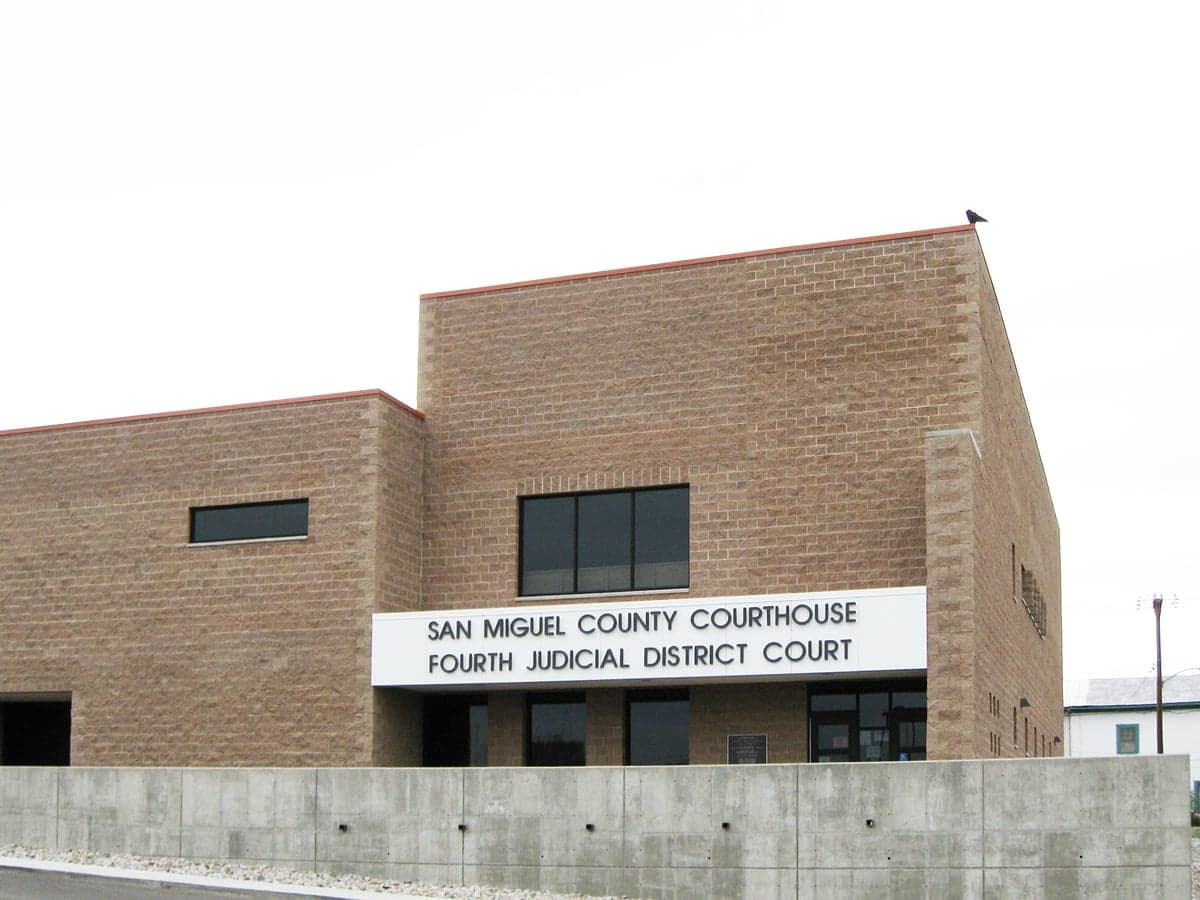

Photo: Wikipedia
Quality of Life in San Miguel County
A livable area that tracks near national norms for affordability, walkability, and neighborhood health.
What does Quality of Life tell us?
Quality of Life measures an area by evaluating factors like cost of living, nearby amenities, country club access, airport proximity, socioeconomic signals and neighborhood character. For large states, this is a general average — quality of life can vary dramatically between metro areas, suburbs, and rural communities within the same state.
What does this tell us?
Quality of Life measures an area by evaluating factors like cost of living, nearby amenities, country club access, airport proximity, socioeconomic signals and neighborhood character. For large states, this is a general average — quality of life can vary dramatically between metro areas, suburbs, and rural communities within the same state.
Cost of Living
35% below national average
93%
The Real Cost of Living in San Miguel County for 2026
| Tier | Individual | Family (4) |
|---|---|---|
| Survival | $12k | $23k |
| Comfortable | $35k | $51k |
| Luxury | $84k+ | $130k+ |
| Elite (Top 5%) | $99k+ | $154k+ |
Quality-of-Life Analysis
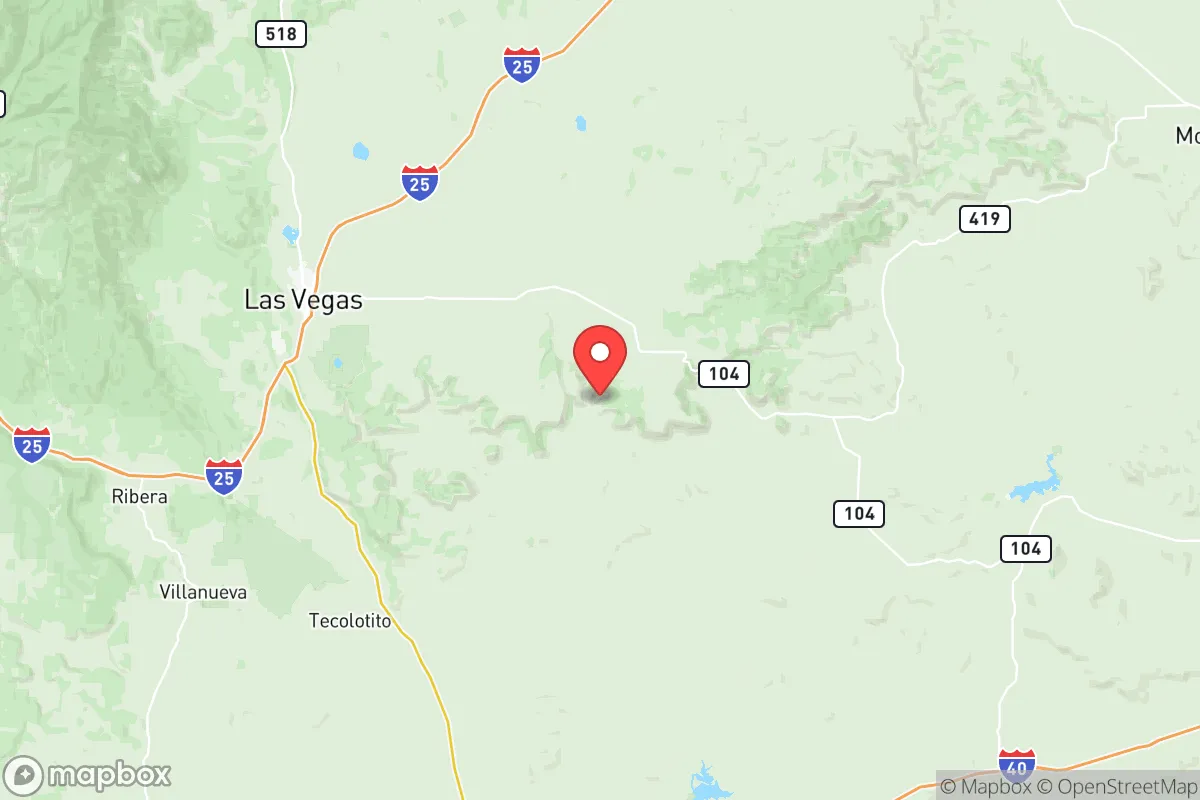
San Miguel County in northeastern New Mexico offers a broad quality-of-life spectrum anchored by its historic county seat Las Vegas, scattered smaller communities like Pecos and Villanueva, and vast open rural landscapes stretching toward the Sangre de Cristo foothills. With a cost-of-living index of 65—35 percent below the national average—the county attracts a mix of students, remote workers seeking affordable housing, retirees on fixed incomes, and longtime Hispanic and Native families rooted in land-grant communities. The range of daily experience shifts markedly from the walkable streets and college-town energy of Las Vegas to the quiet, off-grid living available in places like Tecolotito or Sena.
Largest town(s) & population centers
Las Vegas, New Mexico (population roughly 13,000) is the county’s undisputed hub and the only incorporated city. Daily life revolves around the historic downtown plaza, Highlands University (a public four-year institution enrolling about 2,500 students), and the regional hospital. The town supports a full range of amenities—grocery stores, a Walmart, hardware shops, restaurants, and a community college. Commute times average a short 21 minutes, and nearly all essential jobs (education, healthcare, retail, county government) are within city limits. Las Vegas also has an Amtrak stop on the Southwest Chief, connecting residents to Chicago and Los Angeles. The town’s architecture—many Victorian and Territorial-style buildings—draws tourists and film crews but maintains a working-class feel. A smaller population center, Pecos (about 1,400 residents), serves as a bedroom community for Santa Fe-bound commuters; it lacks a full hospital but has a gas station, post office, and the Pecos National Historical Park.
Smaller towns & rural pockets
Outside the two main clusters, San Miguel County contains a necklace of unincorporated villages. Villanueva, along the Pecos River, is a tight-knit farming community with a historic church and acequia irrigation system. Ribera and Rowe are tiny census-designated places where homes sit on large lots with no municipal water or sewer—residents rely on wells and septic. Tecolotito, east of Las Vegas, is a true rural crossroads with fewer than 200 people and zero commerce. El Cerrito (population under 100) exemplifies the isolation: no store, no gas station, no streetlights. The county’s vast ranchlands north of I-25, including areas around Conchas Dam and Bell Ranch, are sparsely inhabited by ranching families and seasonal recreational visitors. Daily life in these pockets means longer drives to Las Vegas for groceries, reliance on satellite internet, and a deep quiet that appeals to homesteaders and artists seeking solitude.
Cost & lifestyle range
The median home value of $177,600 and median rent of $774 make San Miguel County one of New Mexico’s most affordable, but housing stock and condition vary dramatically. At the low-cost end, a fixer-upper house in rural Tecolotito or Rowe can be found for under $100,000, though it may need a new roof or well system. At the higher end, updated historic homes near Las Vegas’s Carnegie Park or along the Pecos River near Villanueva list for $250,000–$350,000. Rentals in Las Vegas average $774, but a one-bedroom apartment in a newer complex can run $900–$1,100—still below Santa Fe or Albuquerque. The biggest lifestyle difference is proximity: a Las Vegas resident can walk to a coffee shop or library; a Sena resident commutes 25 miles for milk and mail. Broadband internet is available in town but patchy or absent in far rural areas. Access to healthcare follows the same gradient: the county hospital and most clinics cluster in Las Vegas, while emergency transport from Conchas Dam can take over an hour.
People thrive in San Miguel County when they match their lifestyle expectations to a specific community within it. College students, remote workers who need reliable internet, and retirees who want walkable urban amenities do best in Las Vegas proper. Homesteaders, small-scale farmers, and those seeking ultralow-cost living and total privacy gravitate to the unincorporated villages and ranchlands southeast of the city. The county’s affordability and cultural heritage offer a rare range—from a small-city routine to near-wilderness self-sufficiency—but the trade-offs in convenience and connectivity are real and vary block by block, mile by mile.

Crime in San Miguel County
Higher crime rates than 68% of comparable U.S. locations.
Violent CrimeViolent Crime Analysis
Property CrimeProperty Crime Analysis
Crime Analysis
San Miguel County's crime rates are significantly elevated relative to national averages, with a violent crime rate of 605.6 per 100,000 and a property crime rate of 2,202.5 per 100,000. These figures place the county among the higher-risk jurisdictions in New Mexico, driven largely by conditions in the county seat of Las Vegas, NM, and along the I-25 corridor through towns like Pecos and Rowe. Residents and prospective movers should weigh these statistics against the area's scenic beauty and lower cost of living, while recognizing that the local justice system's progressive orientation directly contributes to public safety challenges.
Crime in context
For context, New Mexico's statewide violent crime rate historically exceeds 800 per 100,000, and property crime tops 2,800 per 100,000. San Miguel County's figures, while serious, are below state averages but remain roughly 60% higher than national violent crime benchmarks and comparable to national property crime averages. The presence of a progressive district attorney in the 4th Judicial District, which oversees San Miguel, Mora, and Guadalupe counties, has been linked to lighter sentencing and reduced prosecution of repeat offenders — a pattern that local law enforcement agencies at the Las Vegas Police Department and the San Miguel County Sheriff's Office cite as a driver of higher recidivism. Towns like Las Vegas and Pecos bear the brunt of these policies, while smaller communities such as Ribera and Villanueva experience lower reported crime but remain vulnerable to regional trends.
What residents experience
Property crime — burglaries, vehicle theft, and vandalism — is the most frequent concern reported by residents. In Las Vegas, the historic downtown and residential neighborhoods near New Mexico Highlands University see higher foot traffic and opportunistic theft; the district attorney's office has consistently emphasized diversion programs over incarceration, leading to what locals describe as a "catch-and-release" cycle for property offenders. Violent incidents, while less common, often involve domestic situations or alcohol-related disputes in rural areas. In Pecos, which sits along the I-25 corridor, drug-related property crime has risen as lenient sentencing policies reduce deterrent effect. Community policing efforts in Villanueva and Gallinas have shown limited success, but overall trust in the justice system remains low because offenders convicted of serious property crimes routinely avoid jail time under current prosecutorial guidelines.
Neighborhood-level variation is pronounced. East of Las Vegas, along the Pecos River corridor towards Rowe and Tecolote, crime rates drop significantly compared to the county's western half. The area around El Porvenir and San Ignacio remains relatively quiet, though property crime still occurs sporadically. For those considering relocation, neighborhoods with active homeowners associations and rural watch programs offer stronger security — for example, the Chapelle area near the Mora County line. However, the overarching influence of a lenient district attorney means that even low-crime pockets can be impacted by regional trends. Prospective residents should investigate specific block-level data from the San Miguel County Sheriff's Office and consider the political landscape of the 4th Judicial District before making a move.
* Values derived from national, state, county, city and local statistics and may differ in a specific area. Last updated: 2026-06-18T01:54:48.000Z
Narrative content on this page is AI-generated and may contain mistakes. Verify any details that matter before acting on them.
ReloMaps may earn a commission from affiliate links at no extra cost to you.

