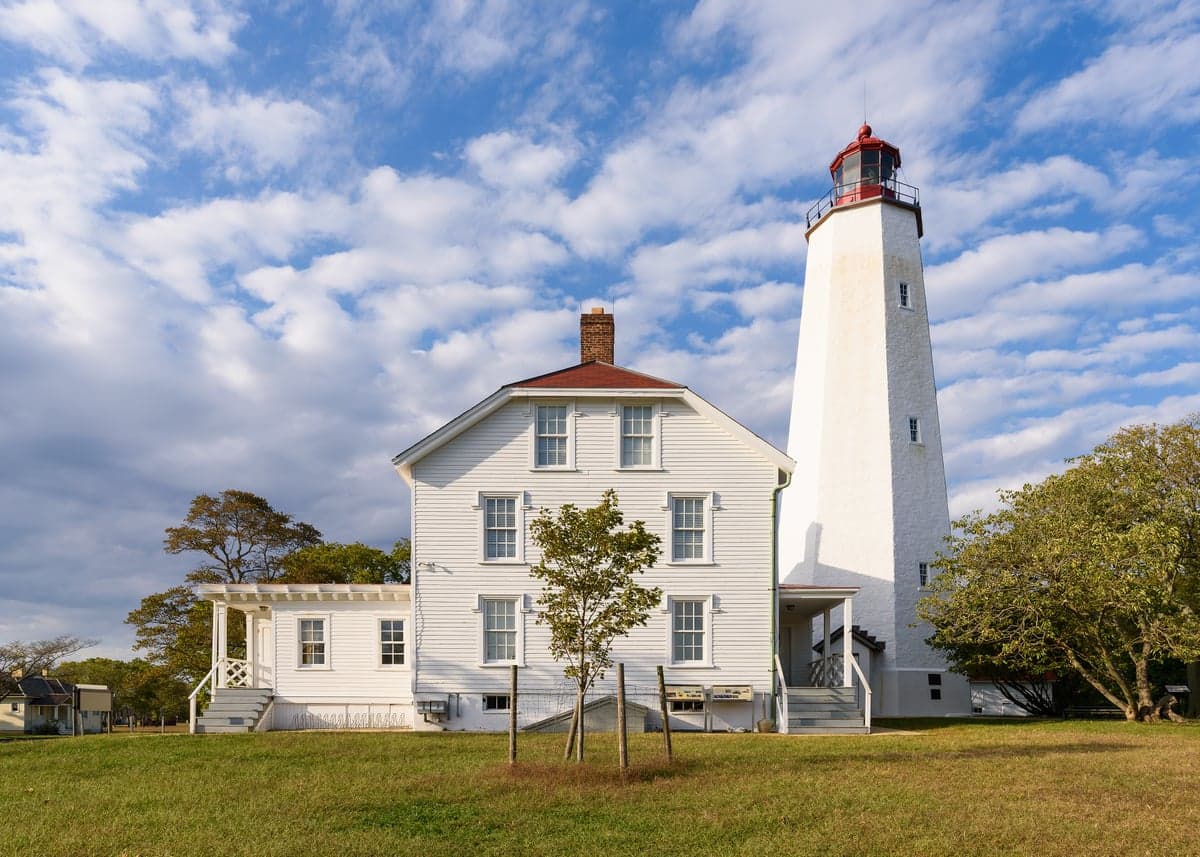
Photo: Wikipedia
Personal Sovereignty in Monmouth County
Viable for self-reliance. Generally workable, though some barriers may limit total independence.
What does Personal Sovereignty tell us?
Personal Sovereignty measures your capacity for self-reliance and independence with minimal government friction. Higher scores mean fewer barriers between you and the way you want to live... but it assumes you have the space you need and good neighbors.
What does this tell us?
Personal Sovereignty measures your capacity for self-reliance and independence with minimal government friction. Higher scores mean fewer barriers between you and the way you want to live... but it assumes you have the space you need and good neighbors.
State Policy
Energy independence: Importer (8% of energy produced in-state)
Personal Liberty
Homesteading

Personal Liberty Analysis
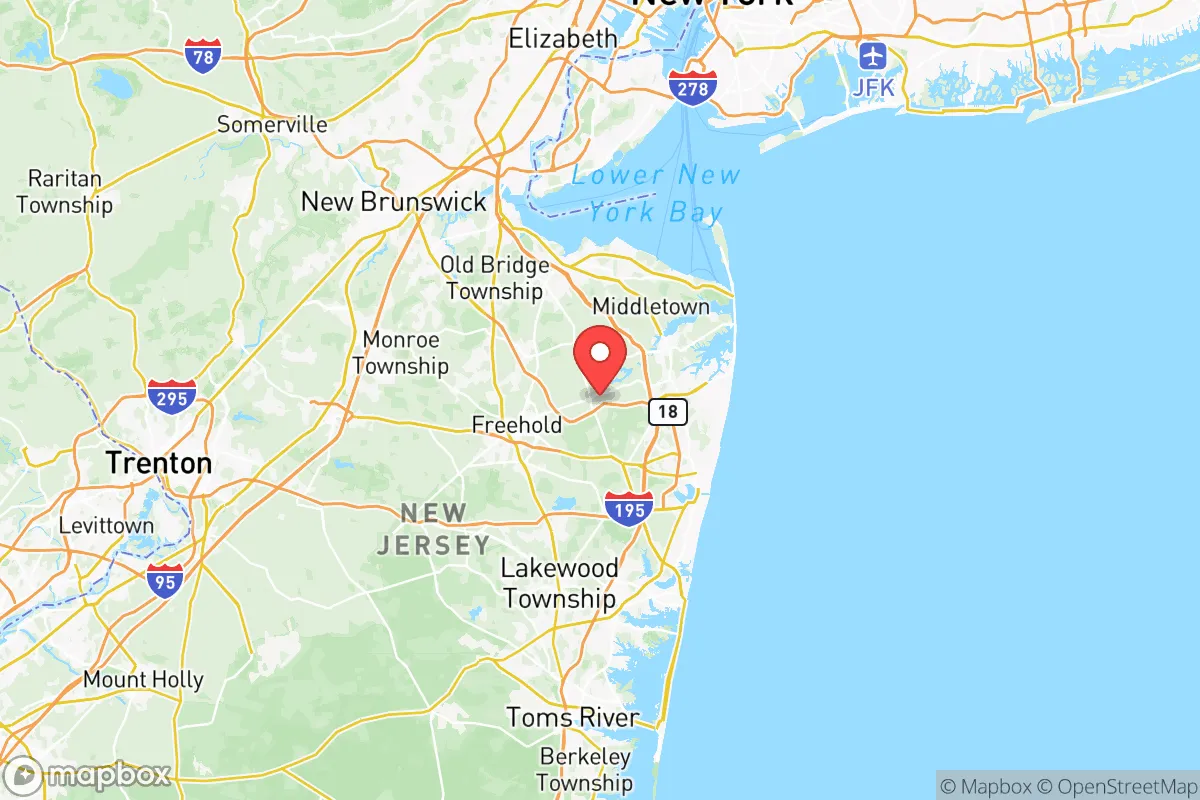
Monmouth County, New Jersey, presents a nuanced environment for personal sovereignty, where the state's dense regulatory framework and high tax burden are partially offset by local variations in zoning, culture, and enforcement. For a relocation-minded individual or family prioritizing autonomy, the county offers a mixed picture: strong property rights and a robust self-defense legal framework exist alongside some of the highest property taxes in the nation and a state-level regulatory posture that can feel heavy-handed. The key for a freedom-oriented resident lies in choosing the right municipality, as towns like Wall Township, Colts Neck, and Upper Freehold offer markedly different experiences than denser, more urbanized areas like Asbury Park or Red Bank.
Tax burden and regulatory posture: what to expect in Monmouth County
New Jersey's tax burden is among the highest in the United States, and Monmouth County is no exception. The average effective property tax rate hovers around 2.2%, meaning a home valued at $500,000 carries an annual tax bill of roughly $11,000. This is a significant, non-negotiable cost of living here. The state also imposes a progressive income tax with a top marginal rate of 10.75% on income over $1 million, and a sales tax of 6.625%. For a conservative-leaning audience, the regulatory environment is similarly demanding: New Jersey has strict land-use laws, a strong statewide building code, and a complex permitting process for everything from home additions to septic system replacements. However, local enforcement varies. Towns like Upper Freehold and Millstone are more rural and tend to have less aggressive code enforcement than denser suburbs like Middletown or Holmdel. The state's Mount Laurel Doctrine also forces municipalities to provide affordable housing, which can lead to higher-density development in towns that would otherwise prefer to remain low-density. For a resident seeking maximum regulatory freedom, the western and southern parts of the county—where larger lots and agricultural zoning are common—offer the most breathing room.
Self-defense and gun law specifics: what you can and cannot do
New Jersey has some of the strictest gun laws in the country, and Monmouth County residents must navigate them carefully. The state requires a Firearms Purchaser Identification Card (FPID) to buy long guns and a separate permit for handguns, each subject to a background check and a 30-day waiting period. Concealed carry is legal but heavily regulated; after the Supreme Court's Bruen decision, New Jersey moved to a "shall-issue" system, but the application process remains onerous, requiring references, a mental health check, and a demonstration of "justifiable need" that is still interpreted narrowly by many local police departments. In practice, obtaining a carry permit in Monmouth County is possible but not guaranteed, and the process can take months. The state also bans "assault weapons" and large-capacity magazines, and there is no "stand your ground" law; instead, New Jersey imposes a "duty to retreat" in public spaces. For a gun owner, the most favorable environment is found in the more rural towns like Colts Neck and Upper Freehold, where local gun clubs and shooting ranges are present and law enforcement is generally more familiar with the firearms community. In contrast, urban centers like Asbury Park and Long Branch have higher crime rates and a more restrictive local culture around firearms. The bottom line: if self-defense is a top priority, Monmouth County is workable but requires diligent compliance with state law.
Self-reliance and homesteading viability: lot sizes, zoning, and off-grid feasibility
Homesteading and off-grid living are possible in Monmouth County, but only in specific areas. The county's western and southern townships—Upper Freehold, Millstone, and Allentown—offer agricultural zoning with minimum lot sizes of 2 to 5 acres, making small-scale farming, livestock, and gardening feasible. In these areas, you can keep chickens, goats, and even horses with proper permits. However, New Jersey's building codes and health regulations make true off-grid living difficult. The state requires connection to a public water supply or a permitted well, and septic systems must meet strict environmental standards. Solar panels are allowed and even incentivized, but net metering rules are complex, and completely disconnecting from the grid is not practical. Rainwater collection is legal but regulated, and composting toilets are generally not permitted as a primary sanitation method. In denser towns like Middletown or Red Bank, lot sizes are small (often under a quarter-acre), and homeowners' associations (HOAs) may restrict gardening, livestock, and even clotheslines. For a family seeking genuine self-reliance, the best bet is a property in the Upper Freehold or Millstone areas, where you can have a large garden, a few animals, and a degree of autonomy from municipal utilities. Even there, however, you will still pay high property taxes and must comply with state environmental regulations.
Personal liberties: parental rights, medical autonomy, speech, and property
New Jersey is a blue state with strong protections for individual rights in some areas and significant restrictions in others. Parental rights are generally respected, but the state has a comprehensive sex education curriculum and mandates that schools provide certain health services to minors without parental consent in some cases. Medical autonomy is limited: New Jersey has strict vaccine mandates for school attendance and a highly regulated healthcare system. The state also has a "right-to-die" law, but medical marijuana and psychedelic therapy are legal only through state-licensed programs. Free speech is protected, but the state has laws against "harassment" and "cyberbullying" that some critics argue can be used to chill speech. Property rights are strong in the sense that eminent domain is rarely used for private development, but zoning laws are extensive and can restrict how you use your land. For a conservative-leaning individual, the most favorable environment for personal liberties is found in the more rural and politically conservative towns like Wall Township and Colts Neck, where local government tends to be less interventionist. In contrast, Asbury Park and Red Bank have more progressive local ordinances, including anti-discrimination laws that extend to housing and public accommodations. Overall, Monmouth County offers a moderate level of personal liberty, but it is constrained by state-level mandates that apply uniformly across all municipalities.
Compared to other regions in the Northeast, Monmouth County offers a relatively balanced environment for personal sovereignty. It is far more restrictive than rural Pennsylvania or upstate New York in terms of taxes and gun laws, but it is also less restrictive than neighboring Hudson County or New York City. For a freedom-oriented individual or family, the key is to choose a municipality that aligns with your priorities: Upper Freehold for homesteading, Colts Neck for a rural lifestyle with good schools, or Wall Township for a balance of autonomy and convenience. The high tax burden and regulatory density are non-negotiable facts of life here, but within that framework, Monmouth County provides enough local variation to make a self-reliant lifestyle viable for those willing to navigate the system.

* Values derived from national, state, county, city and local statistics and may differ in a specific area. Last updated: 2026-07-02T17:04:03.000Z
Narrative content on this page is AI-generated and may contain mistakes. Verify any details that matter before acting on them.
ReloMaps may earn a commission from affiliate links at no extra cost to you.

