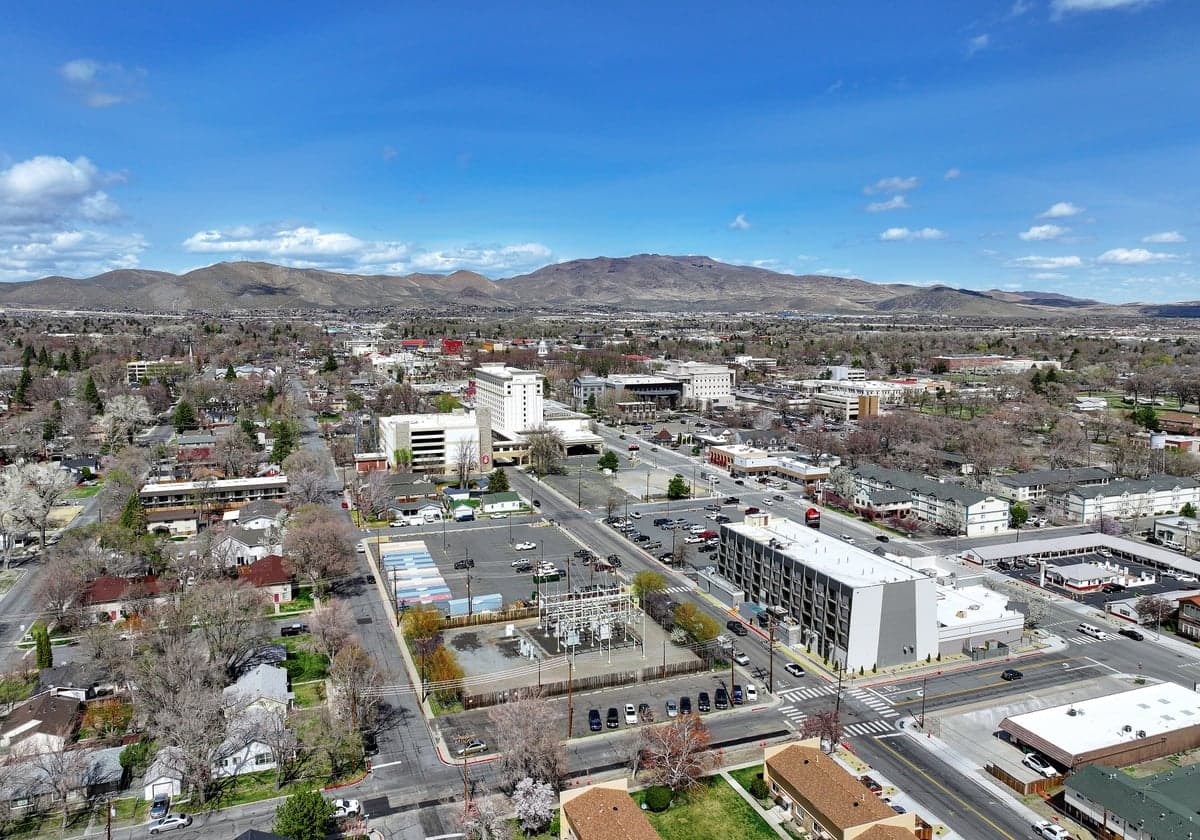
Photo: Wikipedia
Strategic Assessment of Carson City County
Workable tactical position. Some exposure to population density or targets, but generally defensible in a crisis.
What does the Strategic Assessment tell us?
Our Strategic Assessment grades tactical survivability of an area. Major population centers, military targets, fallout zones, natural disasters, and border exposure all drive risk — lower exposure means a more defensible position in a crisis.
This is heavily inspired by Joel Skousen's Strategic Relocation book. Highly recommended you checkout the book ($)What does this tell us?
Our Strategic Assessment grades tactical survivability of an area. Major population centers, military targets, fallout zones, natural disasters, and border exposure all drive risk — lower exposure means a more defensible position in a crisis.
This is heavily inspired by Joel Skousen's Strategic Relocation book. Highly recommended you checkout the book ($)Strategic Pillars

Key Distances
Strategic Assessment Analysis
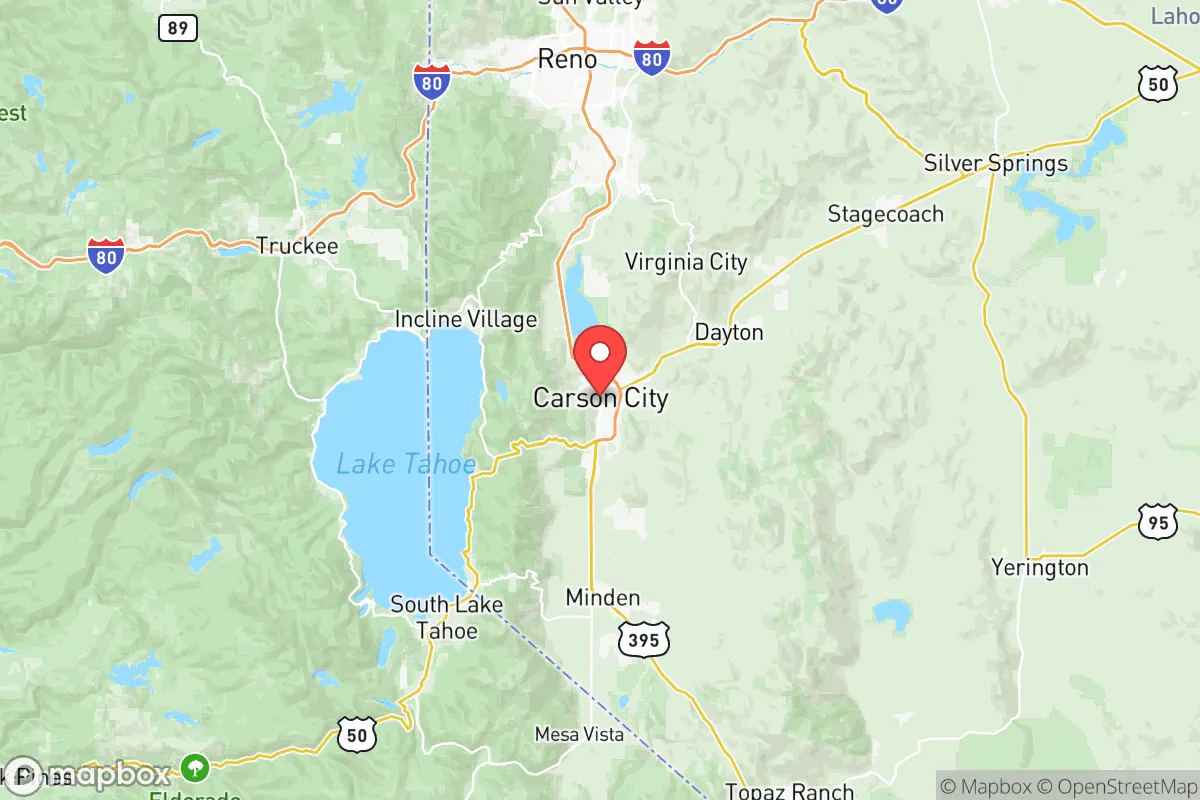
Carson City County, Nevada, occupies a unique strategic position that balances relative isolation from major metropolitan vulnerabilities with access to critical infrastructure and natural resources. As the state capital, it sits at the eastern edge of the Sierra Nevada range, roughly 30 miles south of Reno and 140 miles northeast of the San Francisco Bay Area, placing it outside the immediate blast and fallout zones of major urban centers while remaining within a practical distance for supply chains and emergency coordination. The county's population of roughly 58,000, combined with its role as a governmental and administrative hub, provides a stable institutional framework that enhances long-term resilience compared to more remote or less organized rural areas.
Geographic position and natural advantages for disaster preparedness
Carson City's location in the Carson River Valley, at an elevation of approximately 4,700 feet, offers several natural advantages. The Sierra Nevada range to the west acts as a significant barrier against prevailing weather patterns, reducing the risk of severe storms and providing a natural buffer against airborne contaminants from coastal population centers. The Carson River, which flows through the county, provides a reliable surface water source, while the region's semi-arid climate minimizes flood risks compared to wetter western states. The surrounding Toiyabe National Forest and numerous state parks offer abundant natural resources, including timber, game, and forage, which could support subsistence activities in a prolonged disruption scenario. The area's mountainous terrain also provides natural defensibility, with limited entry points that could be monitored or controlled more easily than flat, open landscapes.
Risks, exposures, and proximity to fallout-relevant landmarks
While Carson City avoids the immediate dangers of major metropolitan areas, it is not without strategic vulnerabilities. The county lies within 100 miles of Naval Air Station Fallon, a major military aviation training facility that could be a target in a conflict scenario, though its remote location reduces the likelihood of direct fallout reaching Carson City. The Reno-Sparks metropolitan area, with its international airport and industrial infrastructure, is close enough that a major event there could produce fallout or disrupt supply chains. The county itself hosts Nevada State Prison and several state government facilities, which could become secondary targets or points of civil unrest. Wildfire risk is significant, particularly in the forested western portions of the county, and the region experiences occasional seismic activity from the Sierra Nevada fault system. The Washoe County landfill and Carson City wastewater treatment plant represent potential contamination sources if damaged, though their impact would be localized.
Practical resilience for a relocator: food, water, energy, and defensibility
For a relocator focused on self-sufficiency, Carson City County offers a mixed but generally favorable picture. Water availability is a strong point: the Carson River and its tributaries provide year-round flow, and the county's groundwater aquifers are generally reliable, though drought conditions in recent years have prompted conservation measures. Agricultural land is limited but present, with small farms and ranches producing hay, livestock, and some vegetables; the Carson Valley to the south is particularly productive. Energy infrastructure is robust, with NV Energy providing grid power from a mix of natural gas, hydroelectric, and geothermal sources, and the region's high solar insolation makes off-grid photovoltaic systems highly viable. Defensibility is moderate: the valley floor is open, but the surrounding hills and mountains offer numerous retreat options, and the county's low population density reduces competition for resources. Local food production is insufficient to support the population without imports, but the presence of Carson City Farmers Market and several health food stores indicates a community with awareness of self-sufficiency issues. The county's gun-friendly culture and relatively high rate of firearm ownership align with a preparedness mindset, though readers should verify current Nevada laws regarding concealed carry and magazine capacity.
Overall, Carson City County presents a credible option for the strategic relocator seeking a balance between isolation and access. Its geographic position offers natural buffers against coastal and urban threats, while its water resources and defensible terrain provide a foundation for long-term resilience. The primary drawbacks are proximity to Reno's vulnerabilities, wildfire risk, and limited local food production, but these are manageable with proper planning. For a single individual or family willing to invest in off-grid energy, water storage, and food security measures, Carson City County represents one of the more viable locations in the Intermountain West for serious disaster preparedness.

* Values derived from national, state, county, city and local statistics and may differ in a specific area. Last updated: 2026-06-16T16:45:55.000Z
Narrative content on this page is AI-generated and may contain mistakes. Verify any details that matter before acting on them.
ReloMaps may earn a commission from affiliate links at no extra cost to you.

