Photo: Wikipedia
Quality of Life in Carson City County
A livable area that tracks near national norms for affordability, walkability, and neighborhood health.
What does Quality of Life tell us?
Quality of Life measures an area by evaluating factors like cost of living, nearby amenities, country club access, airport proximity, socioeconomic signals and neighborhood character. For large states, this is a general average — quality of life can vary dramatically between metro areas, suburbs, and rural communities within the same state.
What does this tell us?
Quality of Life measures an area by evaluating factors like cost of living, nearby amenities, country club access, airport proximity, socioeconomic signals and neighborhood character. For large states, this is a general average — quality of life can vary dramatically between metro areas, suburbs, and rural communities within the same state.
Cost of Living
21% above national average
59%
The Real Cost of Living in Carson City County for 2026
| Tier | Individual | Family (4) |
|---|---|---|
| Survival | $19k | $35k |
| Comfortable | $83k | $122k |
| Luxury | $125k+ | $193k+ |
| Elite (Top 5%) | $146k+ | $227k+ |
Quality-of-Life Analysis
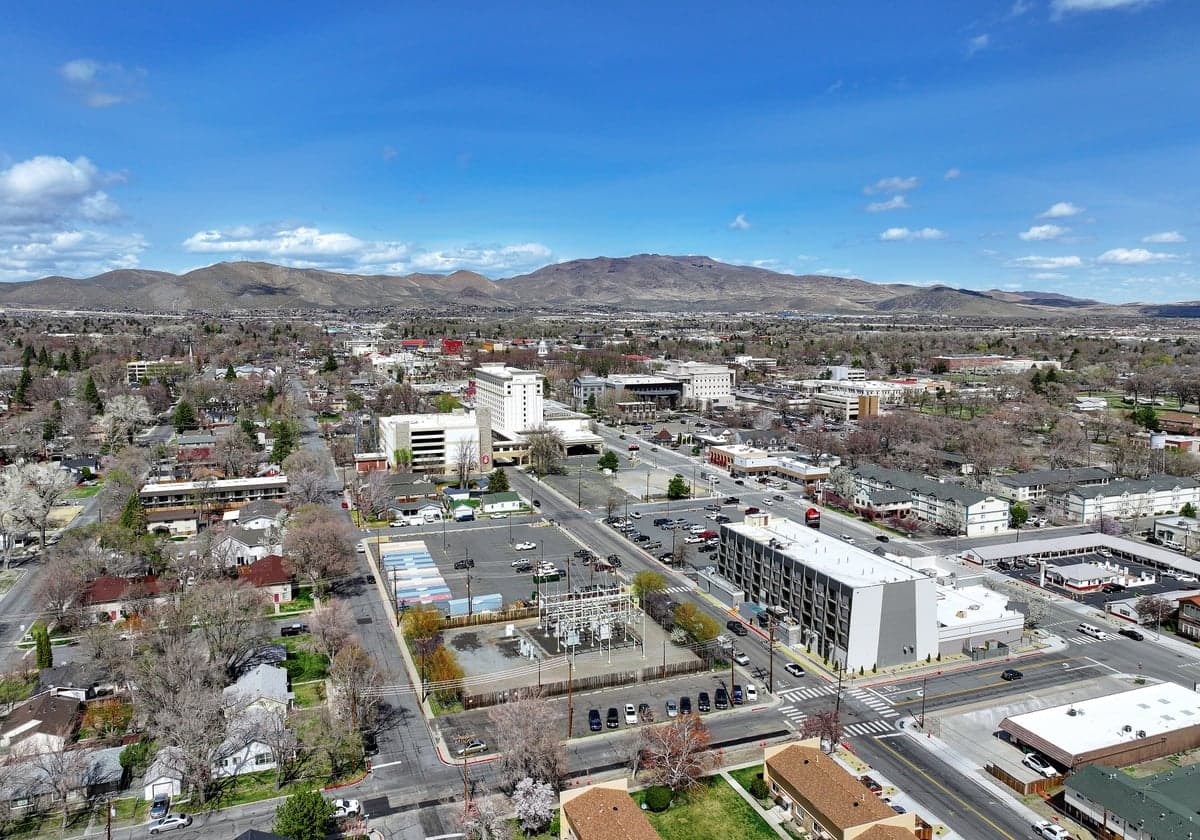
Carson City County, Nevada, presents a unique quality-of-life spectrum as an independent city-county consolidated municipality, blending the amenities of a state capital with the open spaces of the Sierra Nevada foothills. The county’s character shifts distinctly from the walkable, historic core of Carson City itself to the quiet, rural subdivisions and unincorporated pockets that dot the surrounding valleys. This range attracts a mix of state government employees, outdoor enthusiasts seeking immediate trail access, and families looking for a lower-cost alternative to the Reno-Sparks metro area, all within a single, unified county government structure.
Largest town(s) & population centers
The sole incorporated municipality and overwhelming population center is Carson City, which serves as the state capital. Daily life here centers around the historic downtown district along Carson Street, home to the Nevada State Capitol, the Nevada State Museum, and a growing number of local breweries and farm-to-table restaurants. The city’s grid of tree-lined residential neighborhoods, such as the area around Governor’s Mansion and the historic West Side, offers walkability to schools and parks. For families, the South Carson Street corridor provides big-box retail and grocery options, while the nearby Carson River and Kings Canyon Waterfall offer immediate outdoor recreation. The average commute of just over 21 minutes is notably shorter than in Reno, making it feasible for residents to live in the city core and work at the state complex or commute to jobs in the Carson Valley or Reno.
Smaller towns & rural pockets
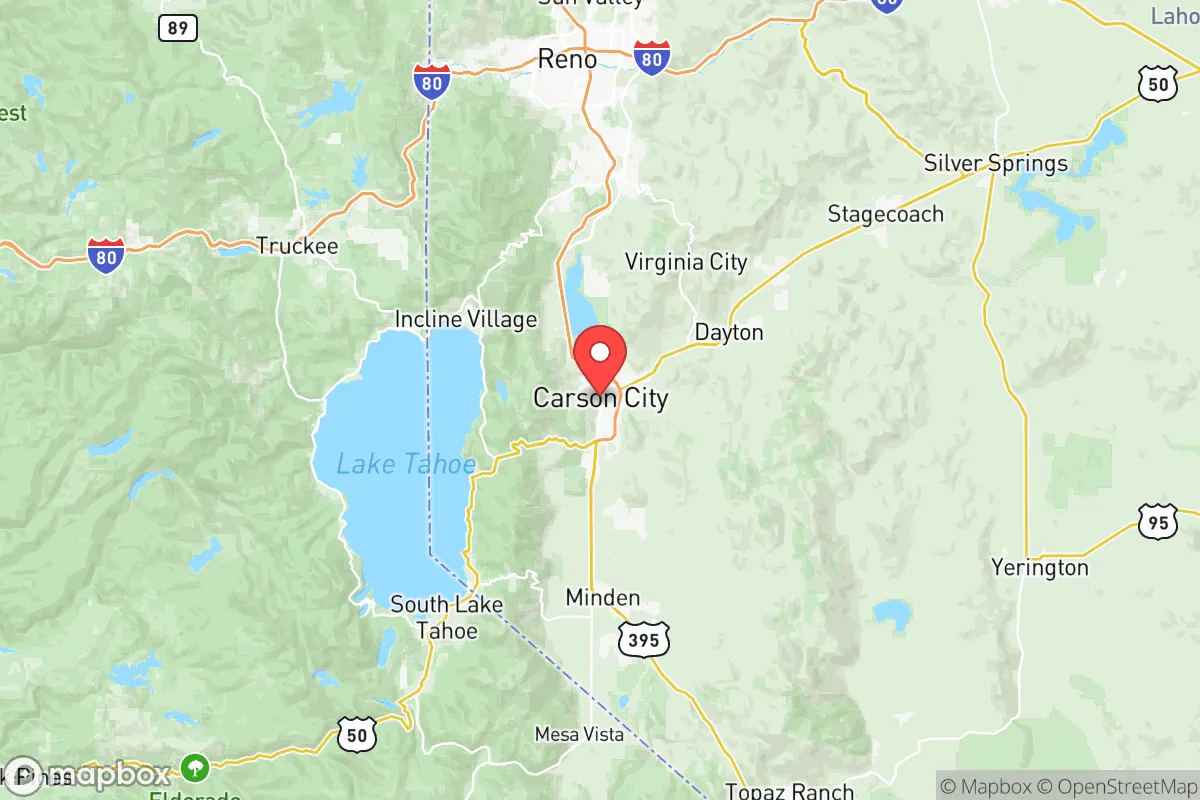
Beyond the city limits, the county’s character becomes distinctly rural. The unincorporated community of Lake Tahoe’s East Shore (including areas like Glenbrook and Zephyr Cove) falls within Carson City County’s jurisdiction, offering a completely different lifestyle centered on lakefront recreation, high-end vacation homes, and seasonal tourism. In the valley floor, areas like Empire Ranch and Minden-Gardnerville (technically in Douglas County but functionally part of the same commuting and retail shed) provide a suburban-rural hybrid with larger lots and equestrian properties. Further out, the Washoe Valley area, straddling the county line, features sprawling ranches and wineries like the historic Bowers Mansion, appealing to those who want acreage and privacy while remaining within 20 minutes of downtown Carson City. These pockets lack municipal services like public water or sewer in many cases, requiring well and septic systems, which is a key trade-off for the space and views.
Cost & lifestyle range
The cost of living across Carson City County varies significantly by location and housing type, though the overall index sits at 121, above the national average but below Reno’s. At the higher end, lakefront properties on the East Shore of Lake Tahoe command prices well above the county median home value of $426,700, often exceeding $1 million for direct water access. In-town Carson City offers the most affordable entry point, with a median rent of $1,172 and older homes in central neighborhoods available in the $350,000–$450,000 range. The lifestyle trade-off is clear: in-town residents enjoy walkable access to the capital’s amenities, while those in the rural pockets of Washoe Valley or the Carson River corridor trade convenience for larger lots, mountain views, and privacy. The county’s lack of a large urban center means that even the most rural resident is rarely more than a 30-minute drive from grocery stores, medical facilities, and the airport in Reno.
This county is best suited for individuals and families who value a balance of small-city convenience and immediate access to the Sierra Nevada outdoors. State employees, remote workers, and retirees thrive here due to the stable job market, lower crime rates compared to Reno, and the ability to choose between a historic downtown home, a suburban subdivision, or a rural acreage property—all within the same county government and school district. The trade-off for this variety is a quieter social scene and fewer entertainment options than a major metro area, but for those who prioritize hiking, skiing, and a slower pace, Carson City County offers a compelling and diverse quality-of-life package.

Crime in Carson City County
Higher crime rates than 58% of comparable U.S. locations.
Violent CrimeViolent Crime Analysis
Property CrimeProperty Crime Analysis
Crime Analysis
Carson City County, Nevada, reports a violent crime rate of 381 incidents per 100,000 residents and a property crime rate of 2,019.2 per 100,000, placing it in a moderate-risk category compared to national averages. While the county is not among the most dangerous in the state, its crime statistics warrant careful consideration for anyone evaluating relocation, particularly given the influence of local prosecutorial policies on public safety outcomes.
Crime in context
Carson City’s violent crime rate of 381 per 100,000 is approximately 10% higher than the national average of roughly 370 per 100,000, but notably lower than Nevada’s statewide rate of about 440 per 100,000. The property crime rate of 2,019.2 per 100,000 exceeds both the national average (around 1,950) and the state average (approximately 1,800), indicating a higher risk for theft, burglary, and vehicle break-ins. Compared to nearby jurisdictions, Carson City is safer than Reno (which reports violent crime rates above 500 per 100,000) but less safe than the more affluent, smaller community of Minden in neighboring Douglas County, where violent crime rates hover near 200 per 100,000. The county’s crime profile is shaped by its role as the state capital, with a mix of government workers, tourism traffic, and a modest population of roughly 58,000.
What residents experience
Daily life in Carson City involves a tangible awareness of property crime, which accounts for the majority of reported incidents. Vehicle burglaries and package thefts are common complaints, particularly in areas near the downtown corridor and along U.S. Route 395, where transient populations and drug-related activity concentrate. Violent crime, while less frequent, includes aggravated assault as the most common category, with robbery and homicide occurring at lower rates. The Carson City District Attorney’s Office, which operates under a moderately progressive philosophy emphasizing diversion programs for non-violent offenders, has drawn criticism from some residents who argue that lenient sentencing contributes to repeat property offenses. In contrast, the neighboring Douglas County District Attorney’s Office, based in Minden, takes a more traditional law-and-order approach, which correlates with lower recidivism and crime rates in that jurisdiction.
Neighborhood-level variation
Crime is not evenly distributed across Carson City County. The downtown area near Carson Street and the corridor around the Nevada State Capitol see higher rates of theft and disorder, driven by foot traffic and transient activity. The western neighborhoods, including areas near the base of the Sierra Nevada foothills and the community of Lakeview, report fewer incidents and are generally considered safer. The eastern side of the county, closer to the industrial zones and the Carson City Airport, experiences moderate property crime but lower violent crime. The unincorporated community of Empire, while small, has a reputation for quiet residential streets with minimal police calls. For those seeking the safest environments, the western residential tracts and the outskirts near the Douglas County line offer the lowest crime exposure, though they come with higher home prices and less walkability.
* Values derived from national, state, county, city and local statistics and may differ in a specific area. Last updated: 2026-06-16T16:45:55.000Z
Narrative content on this page is AI-generated and may contain mistakes. Verify any details that matter before acting on them.
ReloMaps may earn a commission from affiliate links at no extra cost to you.

