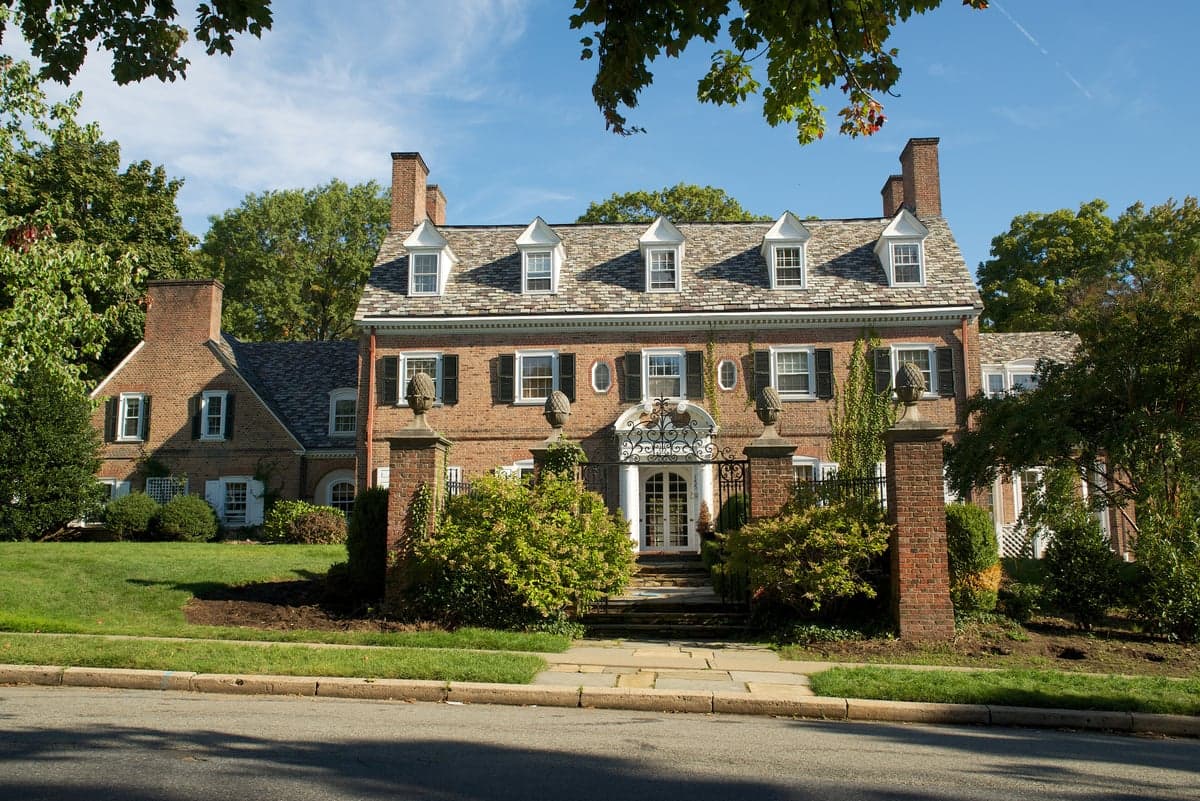
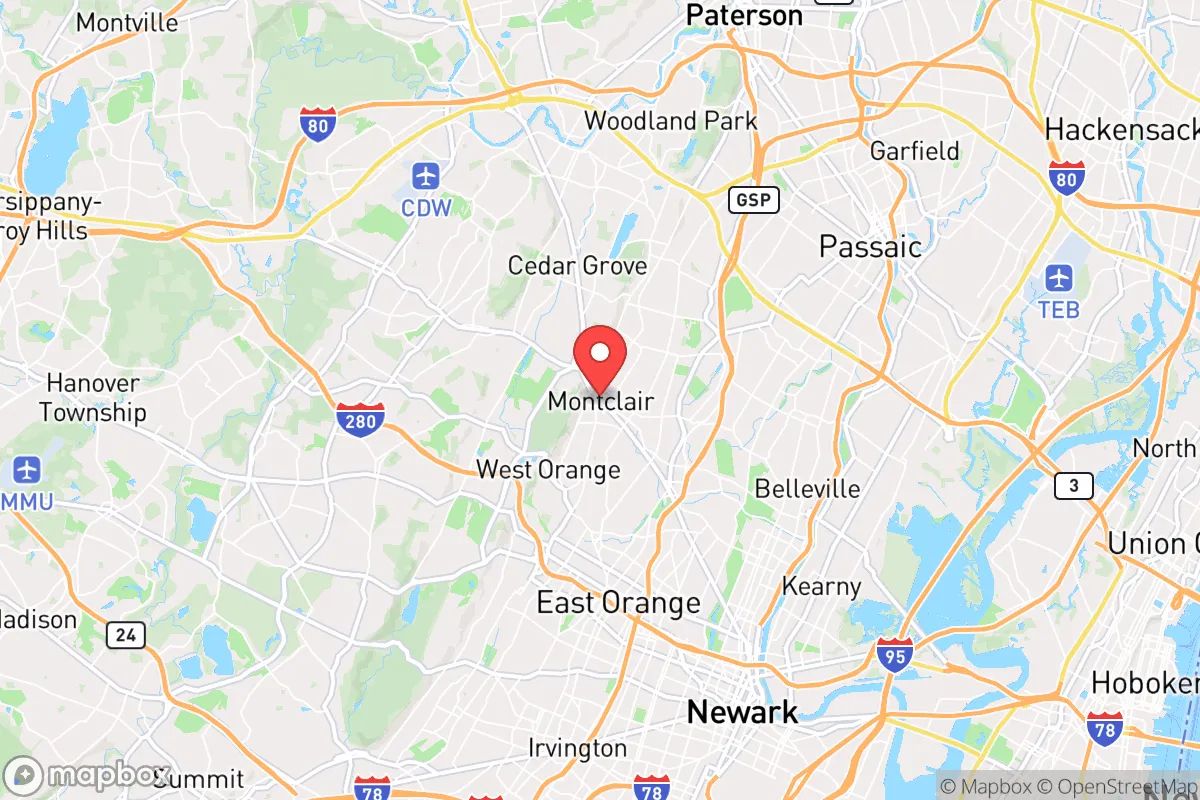
Photo: Wikipedia
Quality of Life in Montclair, NJ
A livable area that tracks near national norms for affordability, walkability, and neighborhood health.
What does Quality of Life tell us?
Quality of Life blends cost of living, nearby amenities, socioeconomic signals, and neighborhood character. City-level scores represent the whole municipality; individual neighborhoods can differ.
What does this tell us?
Quality of Life blends cost of living, nearby amenities, socioeconomic signals, and neighborhood character. City-level scores represent the whole municipality; individual neighborhoods can differ.
Cost of Living
45% above national average
The Real Cost of Living in Montclair, NJ for 2026
| Tier | Individual | Family (4) |
|---|---|---|
| Survival | $23k | $44k |
| Comfortable | $96k | $141k |
| Luxury | $139k+ | $215k+ |
| Elite (Top 5%) | $238k+ | $368k+ |
54%
* median household income, median home value, and 2 more figures substituted from county-level data — local Census figures unavailable for small populations
The Area Signal
A metric tracking the socioeconomic signals of the area.
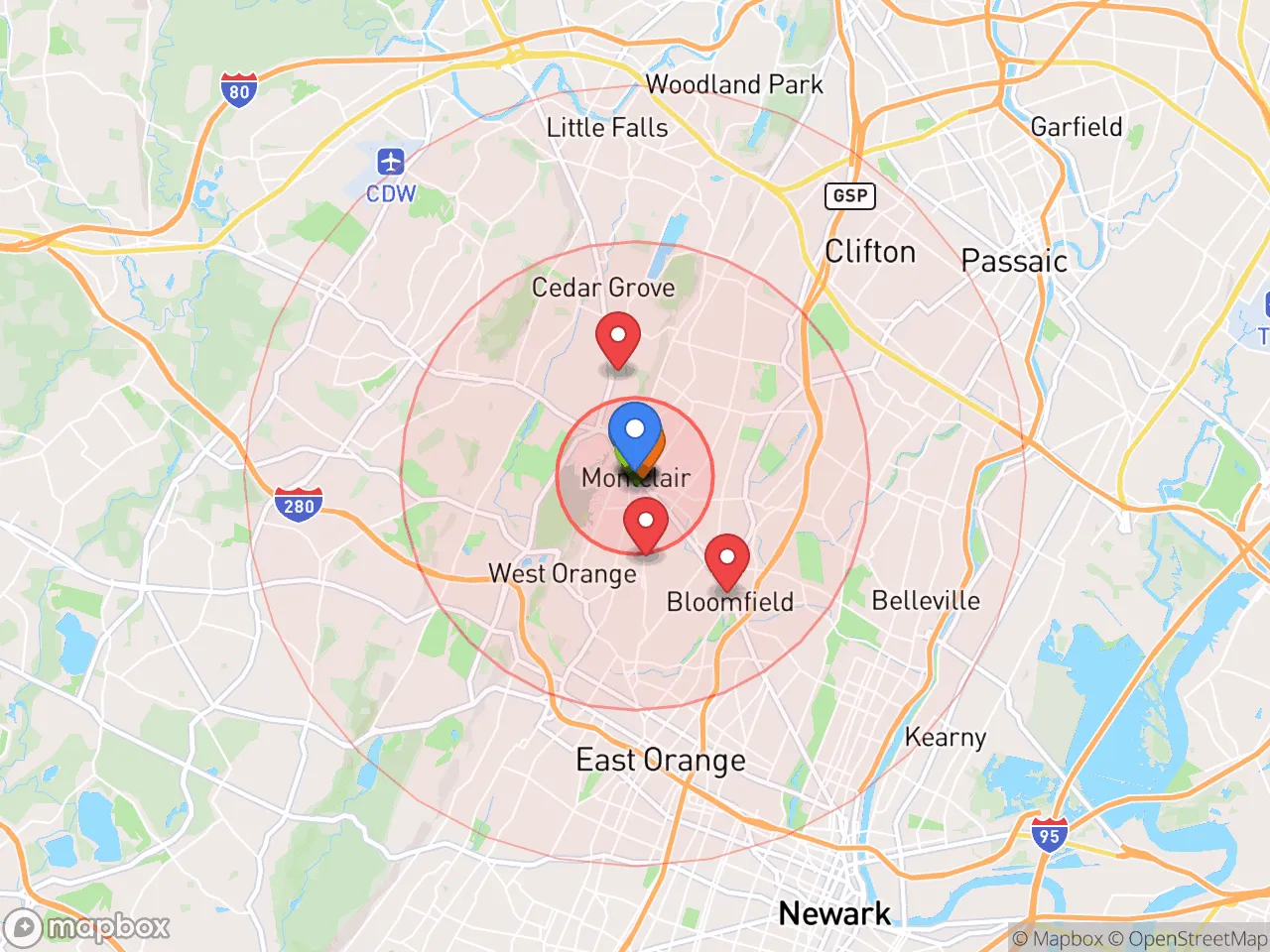
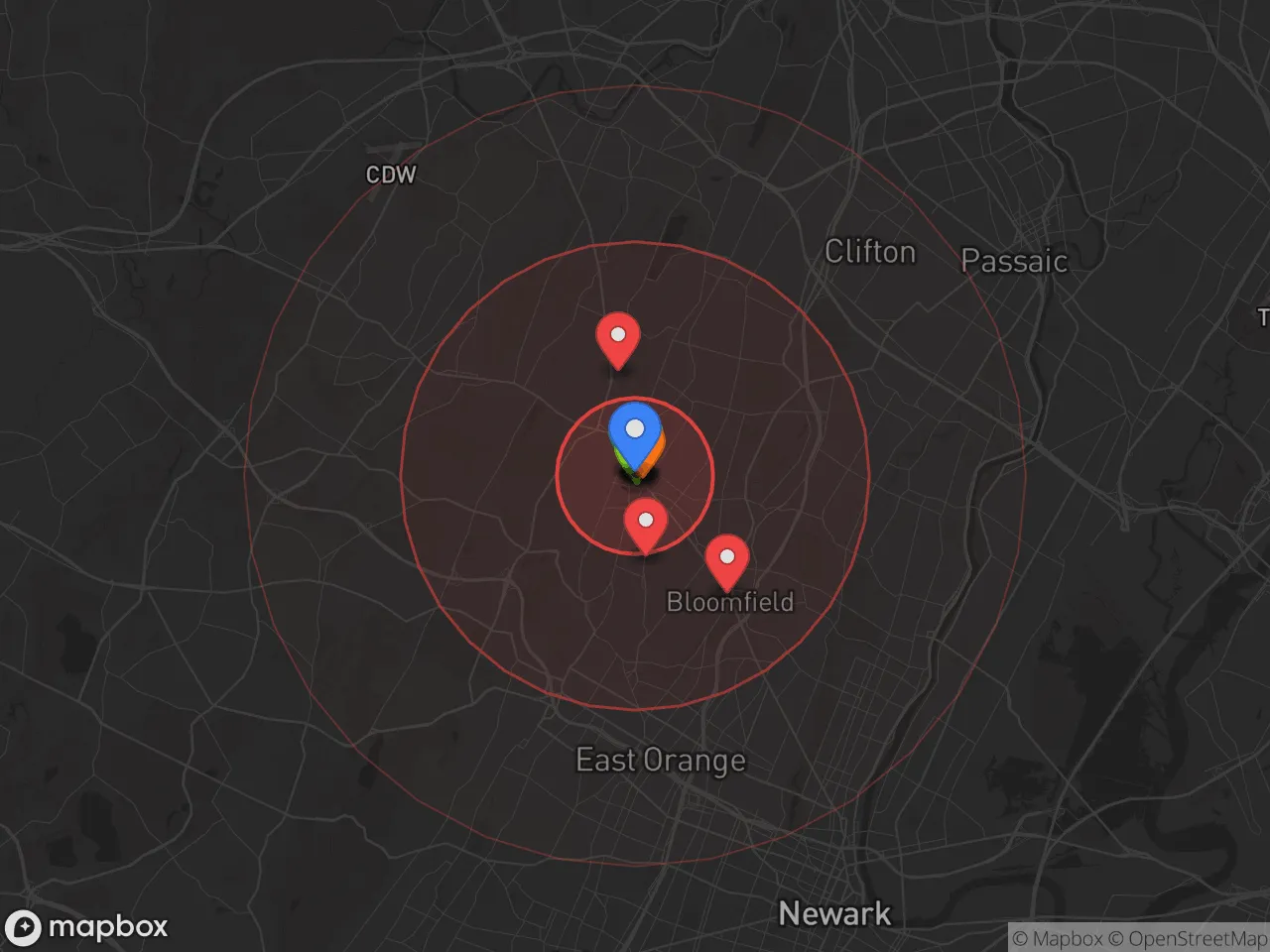
Hobbies
Explore the areaGroceries
0 within 10 miles
Gas
0 within 10 miles
Hospital
0 within 20 miles
Airport
EWR — Newark Liberty International
Post Office
Critical Amenities
Quality-of-Life Analysis
Montclair, New Jersey, is an affluent, culturally rich township that attracts a mix of professionals, academics, and creative-class families drawn by its historic architecture, top-tier public schools, and direct rail access to Manhattan. With a cost of living index of 145 (45% above the U.S. average), Montclair commands a premium over most of Essex County, yet it remains more attainable than the priciest suburbs of New York City, offering a distinct blend of urban energy and suburban comfort.
Cost of living, housing, and affordability compared to nearby suburbs
Montclair’s housing market reflects its desirability. The median home value stands at $494,400, significantly higher than the national median but notably lower than in neighboring towns like Glen Ridge (approx. $700,000) or Short Hills (well over $1 million). Renters face a median rent of $1,459, which is reasonable for the region but still above the national average. Property taxes in Montclair are high, typical of New Jersey, often exceeding $12,000 annually on a median-priced home. The average commute time of 34.8 minutes is slightly above the national average, but the direct NJ Transit train to New York Penn Station (roughly 30–40 minutes) makes it a practical choice for Manhattan workers. Compared to Maplewood or South Orange, Montclair offers a wider range of housing stock—from Victorian mansions to modest Cape Cods—giving buyers more entry points, though affordability remains a challenge for first-time buyers without significant income.
What daily life is like for families: amenities, schools, and local rhythm
Daily life in Montclair revolves around its walkable village centers, particularly along Bloomfield Avenue and Church Street, which are lined with independent bookstores, farm-to-table restaurants, and boutique shops. The Montclair Public Schools are a major draw, consistently ranking among the top in New Jersey, with Montclair High School offering a rigorous International Baccalaureate program and strong arts and athletics. The township also hosts Montclair State University, adding a youthful, intellectual energy. Parks like Mills Reservation and Edgemont Memorial Park provide green space for hiking and recreation, while the Montclair Art Museum and the Wellmont Theater anchor the cultural scene. The rhythm is distinctly family-oriented: weekend farmers’ markets, youth sports leagues, and community events like the Montclair Film Festival create a tight-knit feel. Traffic on major arteries like Bloomfield Avenue can be heavy during rush hours, but most errands are manageable by car or on foot within the downtown core.
Montclair is best suited for professionals and families who prioritize top-tier education, cultural amenities, and a walkable, progressive community over lower housing costs. It appeals strongly to New York City commuters who want a vibrant, self-contained town with a strong sense of identity, and to those who value diversity and the arts. Retirees or those on fixed incomes may find the property tax burden and overall cost of living prohibitive, but for dual-income households with school-age children or creative professionals seeking an urban-suburban hybrid, Montclair offers a quality of life that justifies its premium price tag.

Crime in Montclair, NJ
Lower crime rates than 84% of comparable U.S. locations.
Violent CrimeViolent Crime Analysis
Property CrimeProperty Crime Analysis
Crime Analysis
Montclair, New Jersey, presents a mixed safety profile that demands careful consideration from potential residents. While the township's violent crime rate of 77.4 incidents per 100,000 residents is notably lower than both the New Jersey state average and national figures, its property crime rate of 851.5 per 100,000 exceeds state benchmarks, reflecting a common challenge in affluent, transit-connected suburbs near major urban centers. The overall safety picture is further complicated by the local criminal justice system's progressive orientation, which prioritizes rehabilitation and diversion over incarceration, a philosophy that directly impacts public safety outcomes.
Crime in context
Montclair's violent crime rate is roughly one-third the national average, placing it among the safer communities in Essex County for serious offenses like homicide, robbery, and aggravated assault. However, the property crime rate—driven largely by thefts from vehicles, burglaries, and package thefts—is approximately 20% higher than the New Jersey average. This disparity is typical of walkable, affluent suburbs with easy access to major highways and public transit, where opportunistic property crime is a persistent concern. The presence of progressive prosecutors in Essex County, who often pursue alternatives to incarceration for non-violent property offenses, means that repeat offenders face fewer consequences, contributing to a revolving-door dynamic that frustrates residents and undermines deterrence.
What residents experience
Daily life in Montclair involves a heightened awareness of property crime. Residents commonly report incidents of car break-ins, especially in downtown areas and near train stations, as well as porch piracy and bicycle theft. The local police department is responsive and community-oriented, but the broader justice system's leniency toward property offenders means that many arrests do not lead to meaningful penalties. For violent crime, the risk is low but not zero; incidents are typically concentrated in specific pockets rather than spread evenly. The progressive judicial philosophy in Essex County, which emphasizes restorative justice and reduced sentencing, has been criticized by public safety advocates for creating an environment where criminals face minimal accountability, thereby increasing the likelihood of reoffending and eroding the sense of security for law-abiding residents.
Neighborhood-level variation
Safety in Montclair varies significantly by neighborhood. The Upper Montclair area, with its larger homes and quieter streets, generally experiences the lowest crime rates, while South End and areas near the Bloomfield border see higher concentrations of both property and violent incidents. The Walnut Street train station corridor and downtown commercial zones are hotspots for theft and vandalism. Prospective residents should research block-level crime maps and consider that the progressive policies of Essex County's District Attorney's office—which has publicly prioritized reducing jail populations and diverting offenders from prosecution—mean that even in safer neighborhoods, the risk of encountering repeat property offenders is elevated compared to jurisdictions with more traditional law-and-order approaches.
* Values derived from national, state, county, city and local statistics and may differ in a specific area. Last updated: 2026-11-15T18:45:38.000Z
Narrative content on this page is AI-generated and may contain mistakes. Verify any details that matter before acting on them.
ReloMaps may earn a commission from affiliate links at no extra cost to you.

