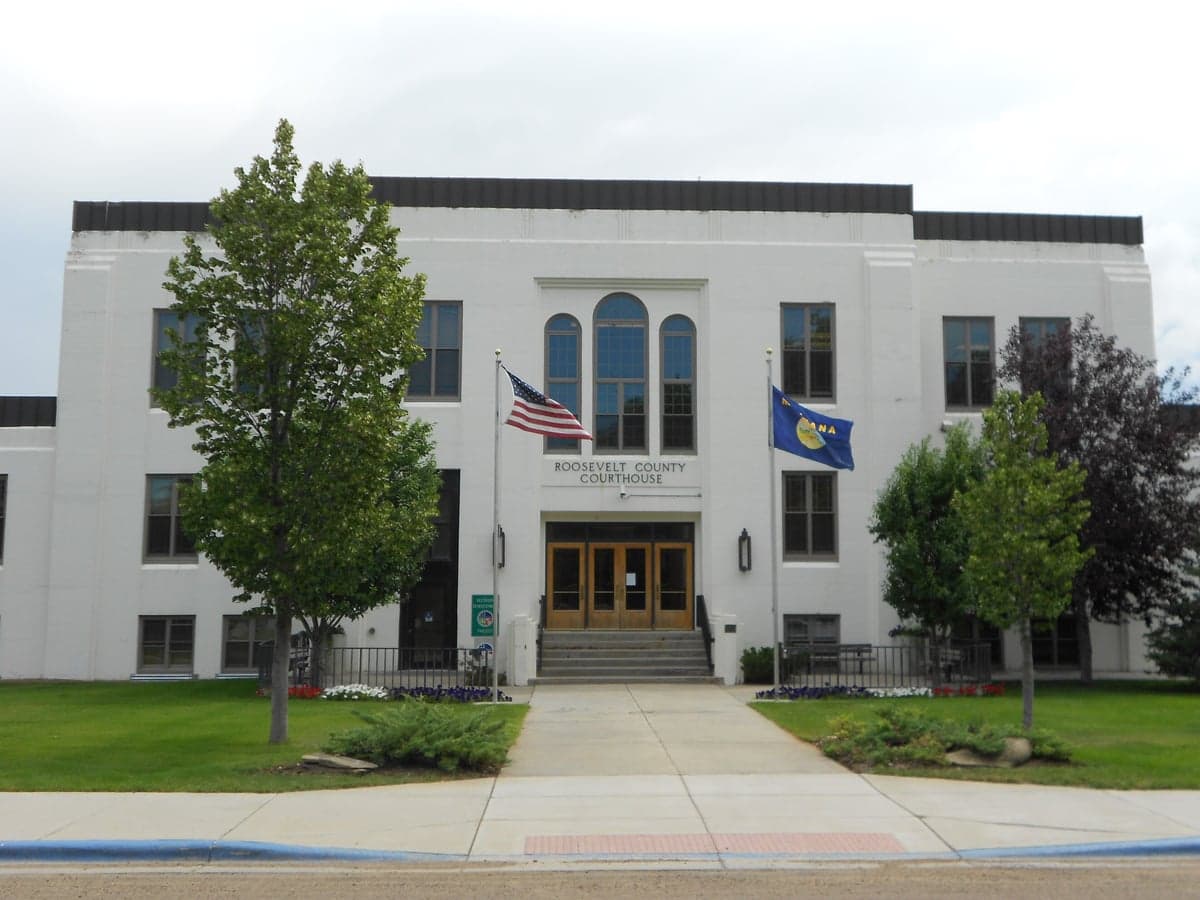
Photo: Wikipedia
Quality of Life in Roosevelt County
A livable area that tracks near national norms for affordability, walkability, and neighborhood health.
What does Quality of Life tell us?
Quality of Life measures an area by evaluating factors like cost of living, nearby amenities, country club access, airport proximity, socioeconomic signals and neighborhood character. For large states, this is a general average — quality of life can vary dramatically between metro areas, suburbs, and rural communities within the same state.
What does this tell us?
Quality of Life measures an area by evaluating factors like cost of living, nearby amenities, country club access, airport proximity, socioeconomic signals and neighborhood character. For large states, this is a general average — quality of life can vary dramatically between metro areas, suburbs, and rural communities within the same state.
Cost of Living
47% below national average
156%
The Real Cost of Living in Roosevelt County for 2026
| Tier | Individual | Family (4) |
|---|---|---|
| Survival | $11k | $21k |
| Comfortable | $23k | $34k |
| Luxury | $87k+ | $134k+ |
| Elite (Top 5%) | $102k+ | $158k+ |
Quality-of-Life Analysis
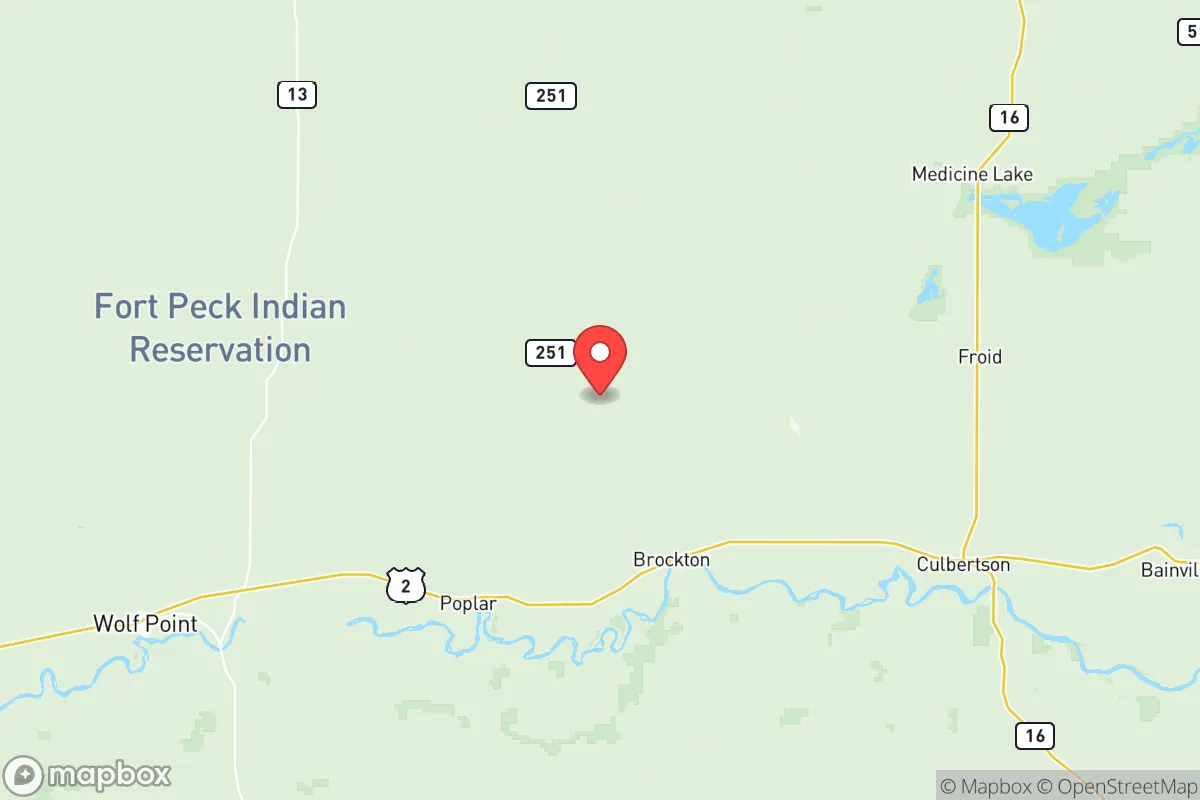
Roosevelt County, Montana, offers a spectrum of living environments that range from the modest commercial hub of Wolf Point to the remote, agrarian outposts of Brockton and Froid, attracting everyone from tribal government employees and healthcare workers to farmers, ranchers, and those seeking the lowest cost of living in the state. The county’s character is defined by its position along the Missouri River and its deep roots in the Fort Peck Indian Reservation, creating a unique blend of rural frontier practicality and Native American cultural presence. The choice of where to live within the county largely depends on one’s tolerance for isolation versus the need for daily conveniences, with a cost of living index of 53 (well below the US average of 100) making nearly every option financially accessible.
Largest town(s) & population centers
Wolf Point is the county seat and the largest population center, serving as the primary hub for commerce, healthcare, and government services. Daily life here revolves around a handful of essential employers, including the Fort Peck Tribal Health Department, the local school district, and agricultural support industries. Residents have access to a grocery store, a hospital, and basic retail, but the nearest major shopping or entertainment options require a roughly two-hour drive to Williston, ND, or Sidney, MT. The average commute in the county is a short 19 minutes, reflecting the compact nature of the town and the proximity of rural homes to Wolf Point itself. Poplar, located 20 miles east, functions as a secondary center with a similar small-town feel, anchored by the tribal headquarters and a few local businesses, but offers fewer amenities than Wolf Point.
Smaller towns & rural pockets
Beyond the two main towns, Roosevelt County is dotted with small communities that offer a quieter, more isolated lifestyle. Brockton, situated along the Missouri River, is a small unincorporated community where life is centered on the river and the surrounding ranchland, with very few services beyond a post office and a school. Froid, in the northern part of the county, is a tiny agricultural town where grain farming and cattle ranching dominate daily routines. Culbertson, while technically a town, operates as a rural service point with a population under 800, offering a gas station, a school, and a strong sense of community among its farming residents. These areas lack the retail and healthcare infrastructure of Wolf Point, meaning residents must plan trips for supplies, but they offer the privacy and space that draws people to eastern Montana.
Cost & lifestyle range
The cost of living across Roosevelt County is uniformly low, but the trade-offs between convenience and isolation create a clear spectrum. At the more connected end, Wolf Point has a median home value of $119,400 and median rent of $707, offering affordable housing within walking distance of jobs and schools. At the rural extreme, properties in Brockton or Froid can be found for significantly less, sometimes under $80,000 for an older home on acreage, but with the trade-off of longer drives for groceries and medical care. The lifestyle range is stark: a resident in Wolf Point can walk to the county courthouse or a diner, while a rancher near Froid might drive 30 minutes to reach a paved road. Utilities and property taxes are lower in the unincorporated areas, but the lack of natural gas hookups and reliable high-speed internet in many rural pockets remains a significant consideration for remote workers or families.
Roosevelt County is best suited for individuals and families who prioritize affordability and space over urban amenities, and who are comfortable with a slower pace of life. Those who thrive here are often self-reliant, value community ties, and have a connection to agriculture, tribal life, or the outdoors. The county offers a genuine frontier experience at a fraction of the national cost, but it demands a willingness to adapt to limited services and significant travel for anything beyond the basics.

Crime in Roosevelt County
Generally safer than 57% of comparable U.S. locations.
Violent CrimeViolent Crime Analysis
Property CrimeProperty Crime Analysis
Crime Analysis
Roosevelt County, Montana, reports a violent crime rate of 419.9 per 100,000 residents and a property crime rate of 1,463.9 per 100,000, placing it among the higher-risk areas in the state. These figures, drawn from the most recent available data, indicate that residents in communities like Wolf Point, Culbertson, and Brockton face elevated risks compared to the Montana average. The county’s safety picture is shaped by a mix of economic challenges, limited law enforcement resources, and a judicial environment that leans progressive, which can affect how crime is prosecuted and how quickly offenders return to the streets.
Crime in context
Roosevelt County’s violent crime rate of 419.9 per 100,000 is roughly double the Montana state average and significantly higher than the national median. Property crime at 1,463.9 per 100,000 also exceeds state and national benchmarks. For comparison, neighboring Daniels County reports far lower violent crime, while larger Montana cities like Billings and Great Falls have rates closer to Roosevelt County’s. The disparity is partly attributable to socioeconomic factors in the county’s largest town, Wolf Point, and the surrounding Fort Peck Indian Reservation, where poverty and substance abuse drive much of the reported crime. Progressive policies in the local justice system, including diversion programs and lenient sentencing by district judges, have been cited by residents as contributing to repeat offenses and a perception that consequences are insufficient.
What residents experience
Property crime is the most common safety concern for Roosevelt County residents, with theft, burglary, and vehicle break-ins concentrated in Wolf Point and along the Highway 2 corridor. Culbertson and Froid see lower property crime rates but still experience periodic spikes tied to transient populations. Violent crime, while less frequent, is more alarming: aggravated assaults and domestic violence incidents are the primary drivers, often linked to alcohol abuse. Residents in Brockton and Poplar report higher exposure to these incidents, particularly near tribal housing areas. The county sheriff’s office and tribal police collaborate, but staffing shortages mean response times can exceed 20 minutes in rural stretches. Many locals advise securing vehicles and homes with alarms, avoiding isolated areas after dark, and staying informed through neighborhood watch groups in Wolf Point and Culbertson.
Neighborhood-level variation
Safety varies notably within Roosevelt County. Wolf Point, the county seat and largest community, accounts for a disproportionate share of both violent and property crime, with the downtown area and certain housing complexes considered higher risk. Poplar and Brockton also report elevated crime rates, driven by similar socioeconomic pressures. In contrast, the smaller towns of Culbertson and Froid are generally safer, with residents describing a quieter, more community-oriented atmosphere where property crime is less common. Bainville, near the North Dakota border, is among the safest areas in the county, with very low reported incidents. For those considering relocation, choosing a home in Culbertson or Bainville rather than Wolf Point or Poplar can significantly reduce exposure to crime, though no area is entirely immune given the county’s overall challenges.
* Values derived from national, state, county, city and local statistics and may differ in a specific area. Last updated: 2026-07-12T04:23:55.000Z
Narrative content on this page is AI-generated and may contain mistakes. Verify any details that matter before acting on them.
ReloMaps may earn a commission from affiliate links at no extra cost to you.

