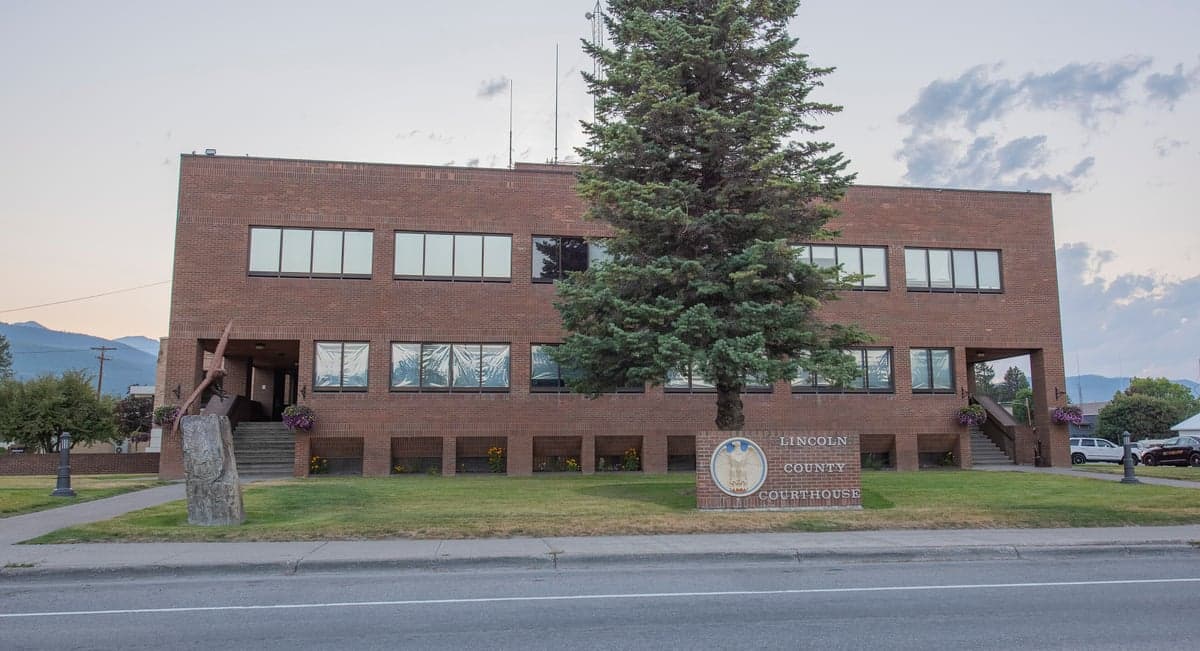
Photo: Wikipedia
Quality of Life in Lincoln County
A livable area that tracks near national norms for affordability, walkability, and neighborhood health.
What does Quality of Life tell us?
Quality of Life measures an area by evaluating factors like cost of living, nearby amenities, country club access, airport proximity, socioeconomic signals and neighborhood character. For large states, this is a general average — quality of life can vary dramatically between metro areas, suburbs, and rural communities within the same state.
What does this tell us?
Quality of Life measures an area by evaluating factors like cost of living, nearby amenities, country club access, airport proximity, socioeconomic signals and neighborhood character. For large states, this is a general average — quality of life can vary dramatically between metro areas, suburbs, and rural communities within the same state.
Cost of Living
22% below national average
64%
The Real Cost of Living in Lincoln County for 2026
| Tier | Individual | Family (4) |
|---|---|---|
| Survival | $13k | $24k |
| Comfortable | $50k | $74k |
| Luxury | $85k+ | $132k+ |
| Elite (Top 5%) | $103k+ | $159k+ |
Quality-of-Life Analysis
Lincoln County, Montana, offers a spectrum of quality-of-life options that range from the modest commercial hub of Libby to remote, off-grid homesteads in the Kootenai National Forest. The county’s character is defined by its deep timber and mining history, and it draws two distinct groups: those seeking affordable, small-town living with access to basic amenities, and those prioritizing solitude and outdoor recreation over proximity to services. With a cost of living index of 78 (well below the U.S. average of 100), the county is one of Montana’s most affordable, but the trade-off is limited employment diversity and long distances to major urban centers like Kalispell or Spokane.
Largest town(s) & population centers
Libby is the county seat and the only incorporated city, home to roughly 2,700 residents. Daily life here centers on a compact downtown with a hospital (Cabinet Peaks Medical Center), a grocery co-op, and a handful of local restaurants and bars. The economy is heavily tied to the Stimson Lumber mill and the U.S. Forest Service, with a growing but small tourism sector drawn to the nearby Kootanusa Recreation Area and Lake Koocanusa. Housing is notably affordable: the median home value in the county is $258,700, and the median rent is just $810. The average commute across the county is a short 18.9 minutes, reflecting the localized nature of work and life. Troy, about 20 miles west of Libby, is the second-largest population center with around 900 residents. It functions as a quieter, more rural alternative to Libby, with a small grocery store, a few gas stations, and direct access to the Yaak River and the Cabinet Mountains Wilderness. Both towns offer basic services—schools, a library, a post office—but residents travel to Kalispell (about 90 miles east) for major shopping, specialized medical care, or airport access.
Smaller towns & rural pockets
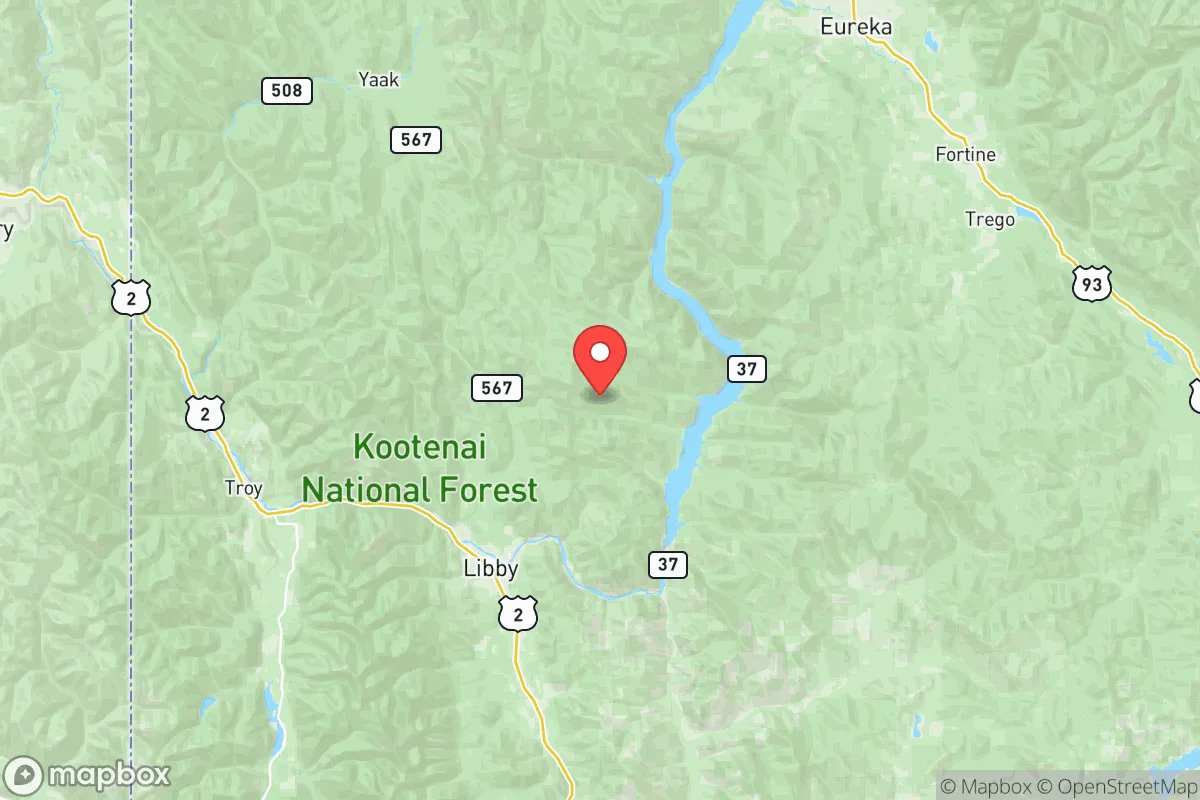
Beyond Libby and Troy, Lincoln County is dotted with unincorporated communities and vast stretches of national forest. Eureka, in the county’s far north near the Canadian border, is a small but active community of about 1,100 people, serving as a gateway to the Tobacco Valley and the Whitefish Range. It has a K-12 school, a small medical clinic, and a handful of businesses, but lacks a full-service grocery store—residents often drive to Libby or Kalispell for major errands. Yaak, deep in the Yaak Valley, is a true rural pocket with fewer than 200 year-round residents. It is known for its extreme isolation, heavy snowfall, and a tight-knit community centered on the Yaak River Tavern and the Yaak School (one of the smallest in the state). Trego and Fortine are tiny crossroads communities near the Flathead County line, offering little more than a post office and a few homes, but prized for their proximity to the Ten Lakes Scenic Area and the Stillwater State Forest. These areas lack municipal water and sewer, and many homes rely on wells, septic systems, and propane heat.
Cost & lifestyle range
The cost of living in Lincoln County is among the lowest in Montana, but the lifestyle trade-offs are significant. At the low-cost end, a renter in Libby can find a one-bedroom apartment for under $700, and a small fixer-upper home in Troy or Yaak can sell for under $150,000. However, these lower prices often come with older housing stock, limited insulation, and higher heating costs in winter. At the higher-cost end, newer or renovated homes near Libby’s hospital or on the shores of Lake Koocanusa can reach $400,000–$500,000, still well below Montana’s statewide median. The lifestyle range is equally broad: a family in Libby enjoys paved roads, a public library, and a swimming pool, while a household in the Yaak Valley may have a 45-minute drive on gravel roads just to reach a paved highway. Internet access varies sharply—Libby and Troy have cable or fiber options, but many rural pockets rely on satellite or fixed wireless, with speeds too slow for remote work. The county’s average commute of 18.9 minutes masks a wide spread: a Libby resident might drive 5 minutes to work, while a Yaak resident commuting to Libby faces a 45-minute one-way trip.
Lincoln County is best suited for people who prioritize affordability, outdoor recreation, and a slower pace over career opportunities, cultural amenities, or convenience. Retirees on fixed incomes, remote workers with reliable satellite internet, and families willing to drive for shopping and healthcare can thrive here. Those seeking nightlife, diverse employment, or walkable urbanism will find the county frustratingly limited. For the right person, however, the combination of low housing costs, short commutes, and world-class fishing, hunting, and hiking in the Kootenai National Forest makes Lincoln County one of Montana’s most underrated places to live.

Crime in Lincoln County
Generally safer than 57% of comparable U.S. locations.
Violent CrimeViolent Crime Analysis
Property CrimeProperty Crime Analysis
Crime Analysis
Lincoln County, Montana, presents a mixed safety picture where violent crime rates exceed national averages while property crime rates remain slightly below the state median, creating a landscape where residents in different communities face distinctly different levels of risk. The county's violent crime rate of 419.9 per 100,000 residents is notably higher than the national average of roughly 380 per 100,000, while its property crime rate of 1,463.9 per 100,000 sits below Montana's statewide average of approximately 1,800 per 100,000. These figures, drawn from the most recent FBI Uniform Crime Reporting data, mask significant variation between the county's small towns and unincorporated areas.
Crime in context
Compared to Montana as a whole, Lincoln County's violent crime rate is roughly 30% higher than the state average of about 320 per 100,000, driven largely by aggravated assault incidents that account for the majority of violent offenses. Property crime, however, is a relative bright spot: the county's rate of 1,463.9 per 100,000 is well below the state average and significantly lower than the national property crime rate of approximately 1,950 per 100,000. This divergence suggests that while residents face elevated risks of personal violence, they are less likely to experience burglary, theft, or motor vehicle theft than Montanans in more urbanized counties like Missoula or Yellowstone. The county's vast geography—spanning over 3,600 square miles with a population density of just 5 people per square mile—means that crime is not evenly distributed, and many rural areas see very few incidents annually.
What residents experience
Daily life in Lincoln County varies sharply by location. Libby, the county seat and largest town (population roughly 2,700), concentrates a disproportionate share of the county's crime, particularly drug-related offenses and property crimes tied to methamphetamine and opioid abuse. Residents in Libby report higher rates of vehicle break-ins and theft from outbuildings than those in smaller communities. Troy (population ~900) and Eureka (population ~1,100) see lower overall crime volumes but experience periodic spikes in domestic violence and alcohol-fueled assaults, especially during summer tourist months. The unincorporated areas around Yaak and Trego are generally very safe, with crime largely limited to occasional trespassing or theft from remote cabins. Law enforcement coverage is thin—the Lincoln County Sheriff's Office patrols most of the county with fewer than 20 deputies, and response times in the far northern reaches can exceed 45 minutes. The county's judicial system, overseen by the Montana 19th Judicial District, has not adopted the progressive prosecutorial policies seen in some urban Montana counties; local judges and the county attorney generally take a traditional approach to sentencing, which provides some reassurance to residents concerned about leniency.
Neighborhood-level variation and safety considerations
Neighborhood-level safety in Lincoln County is largely a function of proximity to Libby's core and the condition of local infrastructure. The Libby area's Kootenai River corridor and the neighborhoods near the former Libby Dam construction site see elevated property crime, while the residential areas west of town along Highway 37 are quieter. In Troy, the area around the historic downtown and the railroad tracks experiences more foot traffic and associated petty crime, while the hillside subdivisions above town are very safe. Eureka's Lake Koocanusa shoreline communities are generally secure, though seasonal vacation homes attract occasional burglaries. For prospective residents, the safest choices are typically the outlying rural subdivisions and the smaller communities of Yaak and Trego, where violent crime is virtually nonexistent and property crime is rare. However, the trade-off is limited access to emergency services and longer travel times to shopping and healthcare. Overall, Lincoln County is not a high-crime area by national standards, but the elevated violent crime rate—concentrated in Libby and tied to substance abuse—warrants caution for those considering relocation to the county's more populated areas.
* Values derived from national, state, county, city and local statistics and may differ in a specific area. Last updated: 2026-06-15T15:48:22.000Z
Narrative content on this page is AI-generated and may contain mistakes. Verify any details that matter before acting on them.
ReloMaps may earn a commission from affiliate links at no extra cost to you.

