Photo: Wikipedia
Strategic Assessment of Deer Lodge County
Deep buffer from population centers and strategic targets. Low natural disaster risk and minimal exposure to border or coastal threats.
What does the Strategic Assessment tell us?
Our Strategic Assessment grades tactical survivability of an area. Major population centers, military targets, fallout zones, natural disasters, and border exposure all drive risk — lower exposure means a more defensible position in a crisis.
This is heavily inspired by Joel Skousen's Strategic Relocation book. Highly recommended you checkout the book ($)What does this tell us?
Our Strategic Assessment grades tactical survivability of an area. Major population centers, military targets, fallout zones, natural disasters, and border exposure all drive risk — lower exposure means a more defensible position in a crisis.
This is heavily inspired by Joel Skousen's Strategic Relocation book. Highly recommended you checkout the book ($)Strategic Pillars

Key Distances
Strategic Assessment Analysis
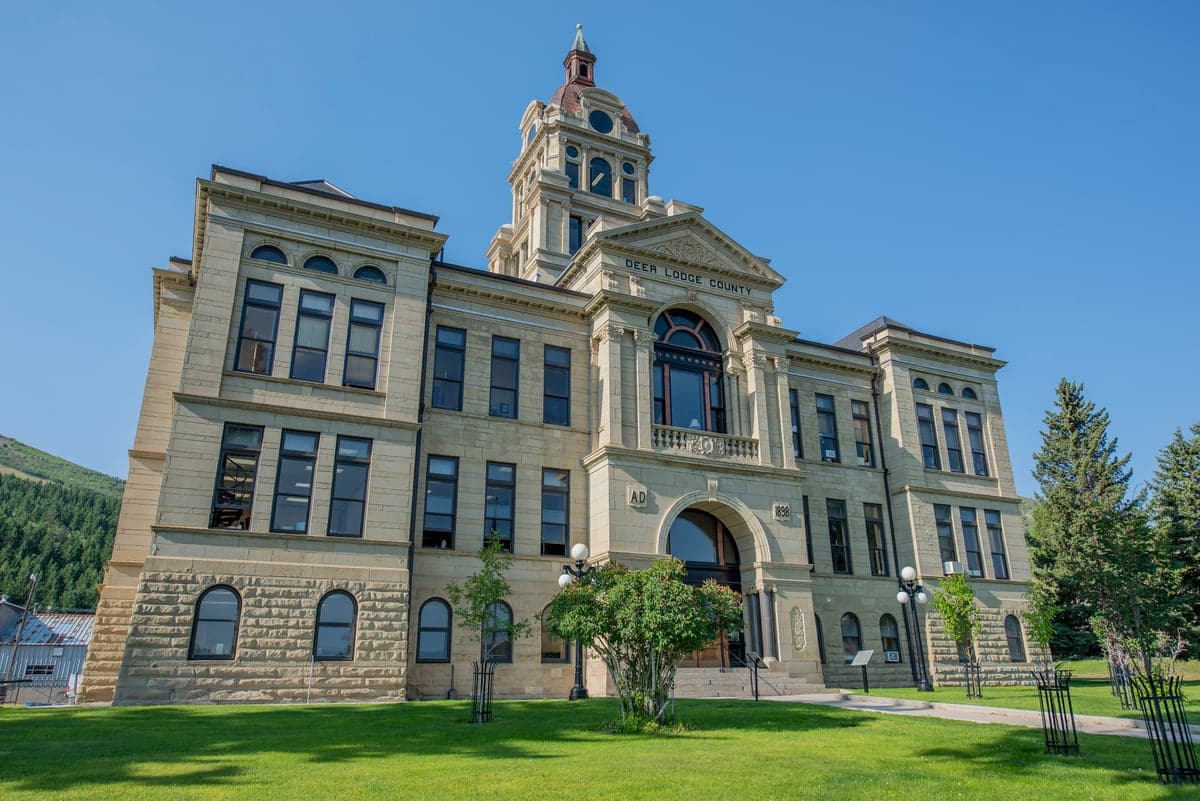
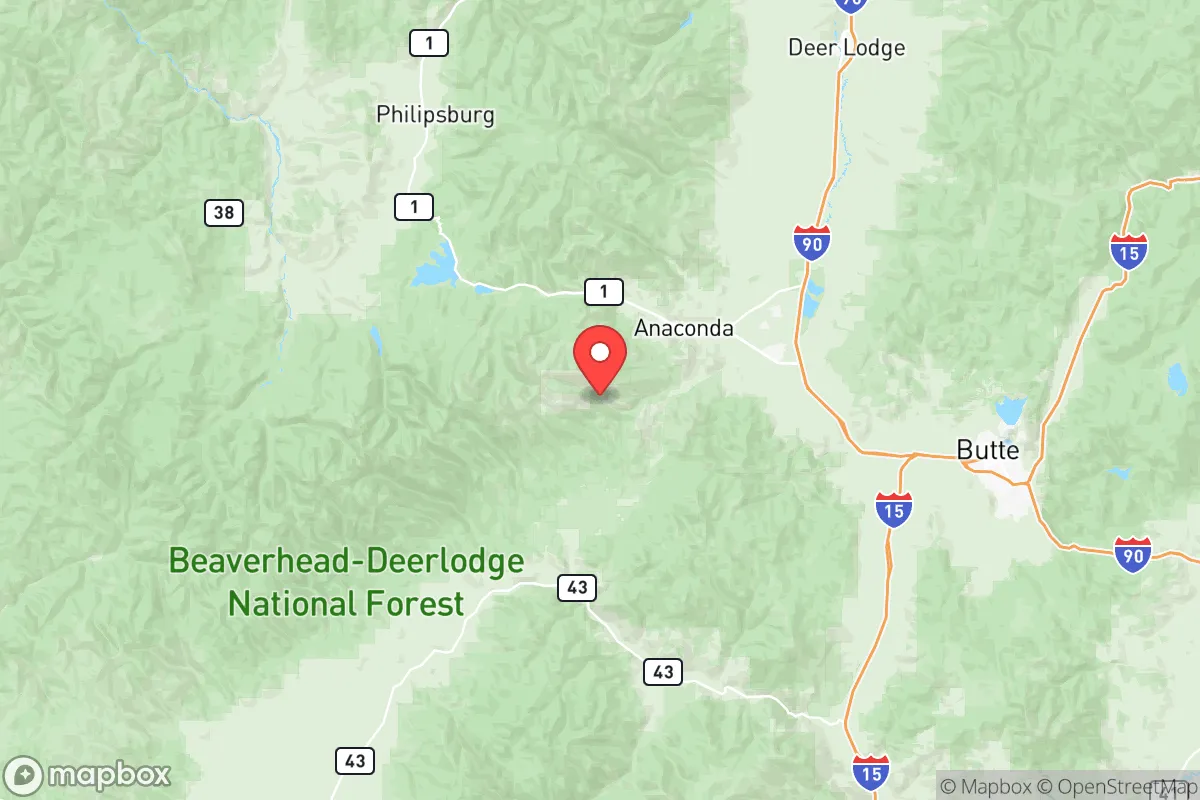
Deer Lodge County, Montana, offers a compelling strategic position for those prioritizing resilience and self-sufficiency, anchored by the county seat of Anaconda and the historic town of Deer Lodge. Its location in the southwestern part of the state, nestled in the Deer Lodge Valley between the Anaconda and Pintler mountain ranges, provides a natural buffer from major population centers while maintaining access to critical infrastructure. The county's distance from high-value strategic targets like the oil refineries in Billings (over 250 miles east) or the missile fields near Great Falls (roughly 100 miles north) reduces its exposure to primary fallout scenarios, making it a viable option for a relocation focused on long-term preparedness.
Geographic position and natural defensive advantages
Deer Lodge County's geography is its primary asset for resilience. The valley floor sits at an elevation of roughly 5,000 feet, surrounded by national forest lands including the Beaverhead-Deerlodge National Forest, the largest national forest in Montana. This mountainous terrain creates natural chokepoints along the primary transportation corridors—Interstate 90 runs through the county, connecting Butte to the southeast and Missoula to the northwest. The Pintler and Anaconda ranges provide defensible high ground and abundant natural resources, including surface water from the Clark Fork River and its tributaries. The county's low population density—approximately 9,000 residents spread over 740 square miles—means fewer people competing for resources in a crisis scenario. The historic mining infrastructure around Anaconda, including the former Anaconda Smelter site, offers industrial-grade building materials and equipment that could be repurposed for community resilience projects.
Risk exposure and proximity to potential fallout-relevant landmarks
While Deer Lodge County avoids proximity to major metropolitan targets, it is not without strategic risks. The Montana Rail Link mainline runs through the valley, carrying freight including hazardous materials between the Pacific Northwest and the Midwest. The county is within 100 miles of Malmstrom Air Force Base near Great Falls, a primary nuclear missile field that could be a target in a major conflict. Interstate 90, while a transportation asset, also serves as a potential evacuation route that could become congested during a crisis. The county sits in a seismically active region, with the nearby Hebgen Lake fault capable of producing significant earthquakes. Wildfire risk is moderate to high, particularly in the surrounding national forests during dry summers, which could threaten both property and air quality. The Anaconda Smelter Superfund site, while largely remediated, still contains residual heavy metals in the soil that could affect local food production if not carefully managed.
Practical resilience for a relocator: food, water, energy, and defensibility
For a relocator focused on self-sufficiency, Deer Lodge County offers strong fundamentals. Water availability is excellent, with the Clark Fork River and numerous mountain streams providing reliable surface water, and groundwater aquifers accessible via wells throughout the valley. The growing season is short—roughly 90 to 110 frost-free days—but the fertile valley soils support hay, alfalfa, and cold-hardy vegetables, with established ranching operations providing a local food network. Energy infrastructure is robust, with Northwestern Energy providing grid power from a mix of hydroelectric, coal, and natural gas sources, and the mountainous terrain offers strong potential for off-grid solar and small-scale hydroelectric generation. The county's defensibility is enhanced by its natural geography: the valley is flanked by mountain ranges with limited entry points, and the dispersed population means fewer neighbors to rely on or compete with. The Montana Department of Corrections operates the Montana State Prison in Deer Lodge, which provides a local law enforcement presence and emergency response capability that could be leveraged in a crisis. For those willing to invest in off-grid infrastructure—solar panels, battery storage, well drilling, and greenhouse construction—the county offers a realistic path to long-term self-sufficiency.
The overall strategic picture for Deer Lodge County is one of balanced opportunity and manageable risk. Its distance from major strategic targets, combined with abundant natural resources and low population density, makes it a strong candidate for a resilience-focused relocation. The primary trade-offs are the short growing season, wildfire risk, and the need for significant upfront investment in off-grid infrastructure. For a single individual or family willing to adapt to a rural mountain environment and invest in self-sufficiency systems, Deer Lodge County provides a defensible, resource-rich base of operations that is unlikely to be overwhelmed by the cascading effects of a major national crisis. The presence of established communities in Anaconda and Deer Lodge means access to medical care, hardware supplies, and social networks that are critical for long-term resilience, without the vulnerability of being near a primary target zone.

* Values derived from national, state, county, city and local statistics and may differ in a specific area. Last updated: 2026-06-28T08:05:25.000Z
Narrative content on this page is AI-generated and may contain mistakes. Verify any details that matter before acting on them.
ReloMaps may earn a commission from affiliate links at no extra cost to you.

