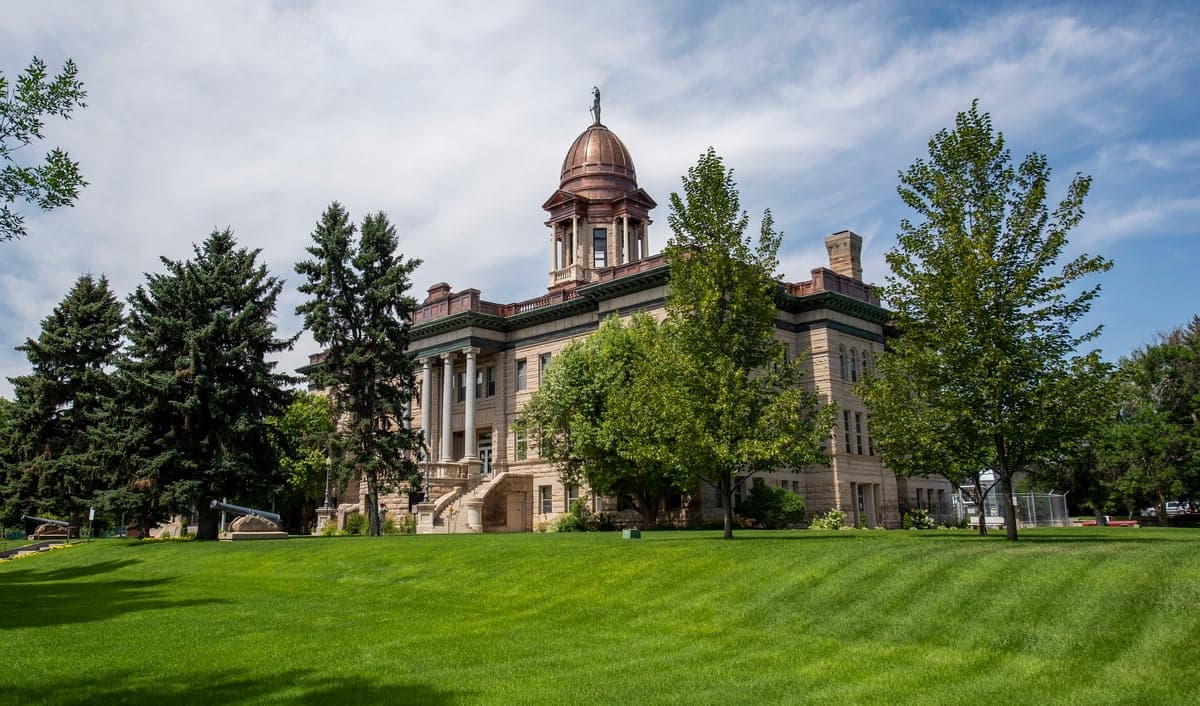
Photo: Wikipedia
Quality of Life in Cascade County
A livable area that tracks near national norms for affordability, walkability, and neighborhood health.
What does Quality of Life tell us?
Quality of Life measures an area by evaluating factors like cost of living, nearby amenities, country club access, airport proximity, socioeconomic signals and neighborhood character. For large states, this is a general average — quality of life can vary dramatically between metro areas, suburbs, and rural communities within the same state.
What does this tell us?
Quality of Life measures an area by evaluating factors like cost of living, nearby amenities, country club access, airport proximity, socioeconomic signals and neighborhood character. For large states, this is a general average — quality of life can vary dramatically between metro areas, suburbs, and rural communities within the same state.
Cost of Living
19% below national average
95%
The Real Cost of Living in Cascade County for 2026
| Tier | Individual | Family (4) |
|---|---|---|
| Survival | $14k | $27k |
| Comfortable | $47k | $69k |
| Luxury | $113k+ | $176k+ |
| Elite (Top 5%) | $133k+ | $207k+ |
Quality-of-Life Analysis
Cascade County, Montana, offers a quality-of-life spectrum that spans from the urban amenities of its largest city to the quiet isolation of its remote plains and mountain foothills. The county’s character is defined by this contrast: it draws professionals and families seeking jobs and services to its central hub, while attracting ranchers, retirees, and outdoor enthusiasts to its smaller communities and wide-open rural spaces. With a cost of living index of 81 (well below the national average of 100), a median home value of $243,300, and a median rent of $902, the county provides affordable entry points across nearly all its settings.
Largest town(s) & population centers
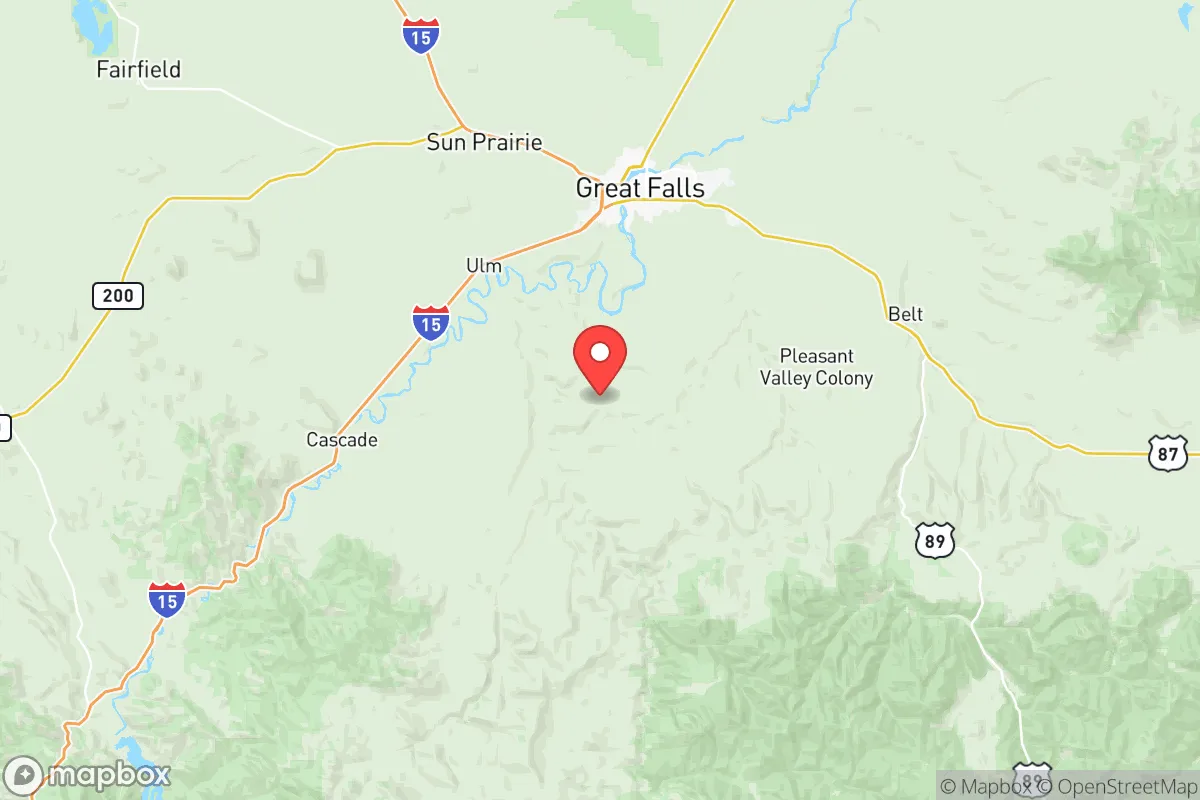
Great Falls is the county’s undisputed population and economic center, home to roughly 60,000 residents. Daily life here revolves around a mix of healthcare, retail, and service-sector employment, anchored by major employers like the Malmstrom Air Force Base, Benefis Health System, and local school districts. The city offers a full range of amenities — grocery chains, big-box stores, a regional airport, and cultural venues such as the C.M. Russell Museum and the Mansfield Center for the Performing Arts. Commute times are notably short, with the county average sitting at just under 17 minutes, meaning most Great Falls residents can cross town in under 20 minutes. Housing here is the most expensive in the county, but still affordable by national standards: the median home value of $243,300 translates to a mortgage well within reach for a household earning the local median income.
Smaller towns & rural pockets
Outside of Great Falls, the county’s smaller communities offer a markedly different pace. Black Eagle, directly adjacent to Great Falls and the Malmstrom base, is a compact residential area with a strong military-connected population. Sun Prairie and Vaughn are unincorporated farming communities along the Sun River valley, where life centers on agriculture, local schools, and a handful of convenience stores. Further afield, Fort Shaw and Simms sit near the county’s western edge, offering a deeply rural lifestyle with limited services — residents typically commute 20–30 minutes to Great Falls for groceries, healthcare, and employment. The Highwood Mountains area in the county’s east is sparsely populated, attracting those who prioritize privacy and recreational access over proximity to urban amenities. These rural pockets are where the county’s lowest housing prices can be found, with some older homes and fixer-uppers selling for well under $200,000.
Cost & lifestyle range
The cost-of-living spread across Cascade County is significant. At the high end, Great Falls’ newer subdivisions — such as those near the Missouri River or in the city’s southwest — see home values approaching $350,000, while rents for a two-bedroom apartment can reach $1,200. At the low end, rural properties in areas like Ulm or Cascade (the small town, not the county) can be found for under $150,000, and rental units in older multi-family buildings in central Great Falls may go for $700 or less. Amenities follow the same gradient: Great Falls offers multiple grocery stores, a hospital, and entertainment options, while residents of Stockett or Sand Coulee may drive 25 minutes for a full-service grocery store. The trade-off is space and quiet — rural properties often sit on acreage with mountain views, while urban lots are smaller and closer to neighbors.
This county works best for people who value affordability and are comfortable with trade-offs. Young families and first-time homebuyers find the housing market accessible, especially if they are willing to live outside Great Falls proper. Military personnel and base employees gravitate toward Black Eagle or the city’s north side for short commutes. Ranchers, retirees, and remote workers who prize solitude and land are drawn to the county’s rural fringe. Cascade County does not offer the cosmopolitan density of a Bozeman or Missoula, but for those who want a low-cost, low-stress base with solid services in its core and genuine wilderness at its edges, it remains one of Montana’s most practical choices.

Crime in Cascade County
Generally safer than 57% of comparable U.S. locations.
Violent CrimeViolent Crime Analysis
Property CrimeProperty Crime Analysis
Crime Analysis
Cascade County, Montana, presents a mixed safety profile, with crime rates that significantly exceed both state and national averages. The county's overall violent crime rate stands at 422 incidents per 100,000 residents, while property crime reaches 1,467.6 per 100,000. These figures place Cascade County among the more dangerous jurisdictions in Montana, driven largely by conditions in its largest city, Great Falls, while smaller communities like Belt, Cascade, and Sun River experience markedly lower crime levels.
Crime in context
Compared to Montana's statewide violent crime rate of approximately 380 per 100,000, Cascade County's rate is about 11% higher. Nationally, the U.S. violent crime rate hovers around 380 per 100,000 as well, meaning Cascade County exceeds the national benchmark by a similar margin. Property crime in the county is even more elevated: the national property crime rate is roughly 1,954 per 100,000, but Cascade County's 1,467.6 per 100,000 is actually below the national figure, though still above the Montana state average of about 1,300 per 100,000. The disparity between violent and property crime rates suggests that while theft and burglary are not out of control, violent offenses—particularly aggravated assault—are a persistent concern. The Cascade County Attorney's Office, which prosecutes cases in Great Falls and the surrounding area, has faced criticism for a perceived leniency in plea deals, a pattern that some residents and local law enforcement argue emboldens repeat offenders and undermines public safety.
What residents experience
Daily life in Cascade County varies sharply by location. In Great Falls, the county seat and economic hub, residents report frequent encounters with property crime, including vehicle break-ins and package thefts, especially in neighborhoods near the downtown core and along the 10th Avenue South corridor. Violent crime in Great Falls is concentrated in a few high-density areas, such as the Central Avenue district and the vicinity of the Missouri River levee, where aggravated assaults and robberies are more common. The city's police department has struggled with staffing shortages, leading to slower response times in some precincts. In contrast, the small towns of Belt (population ~600) and Cascade (population ~700) see virtually no violent crime, with property crime limited to occasional thefts from unlocked vehicles. Sun River, a rural community in the county's western reaches, benefits from its isolation and strong social ties, keeping crime rates near zero. The county's judicial district, part of Montana's 8th Judicial District, has seen a shift toward progressive sentencing policies in recent years, with judges increasingly favoring diversion programs and reduced sentences for non-violent offenders. While intended to reduce incarceration, this approach has drawn fire from victims' advocates who argue it fails to hold criminals accountable and contributes to a revolving-door justice system that prioritizes offender rehabilitation over community protection.
Neighborhood-level variation is pronounced. Within Great Falls, the southwest quadrant—including the Riverview and Skyline neighborhoods—consistently reports the lowest crime rates, with violent crime nearly absent and property crime rates comparable to the county's rural areas. The northeast quadrant, particularly around the Great Falls International Airport and the industrial district, sees higher rates of both violent and property crime. For those considering relocation, the safest bets are the small towns of Cascade, Belt, and Sun River, where community policing and low population density keep crime at bay. However, residents of these areas must commute to Great Falls for most services, a trade-off that many accept for the peace of mind. Overall, Cascade County's safety picture is one of stark contrasts: a high-crime urban core in Great Falls, shaped in part by progressive judicial policies, surrounded by low-crime rural communities where traditional law enforcement and community vigilance remain the norm.
* Values derived from national, state, county, city and local statistics and may differ in a specific area. Last updated: 2026-08-25T19:31:15.000Z
Narrative content on this page is AI-generated and may contain mistakes. Verify any details that matter before acting on them.
ReloMaps may earn a commission from affiliate links at no extra cost to you.

