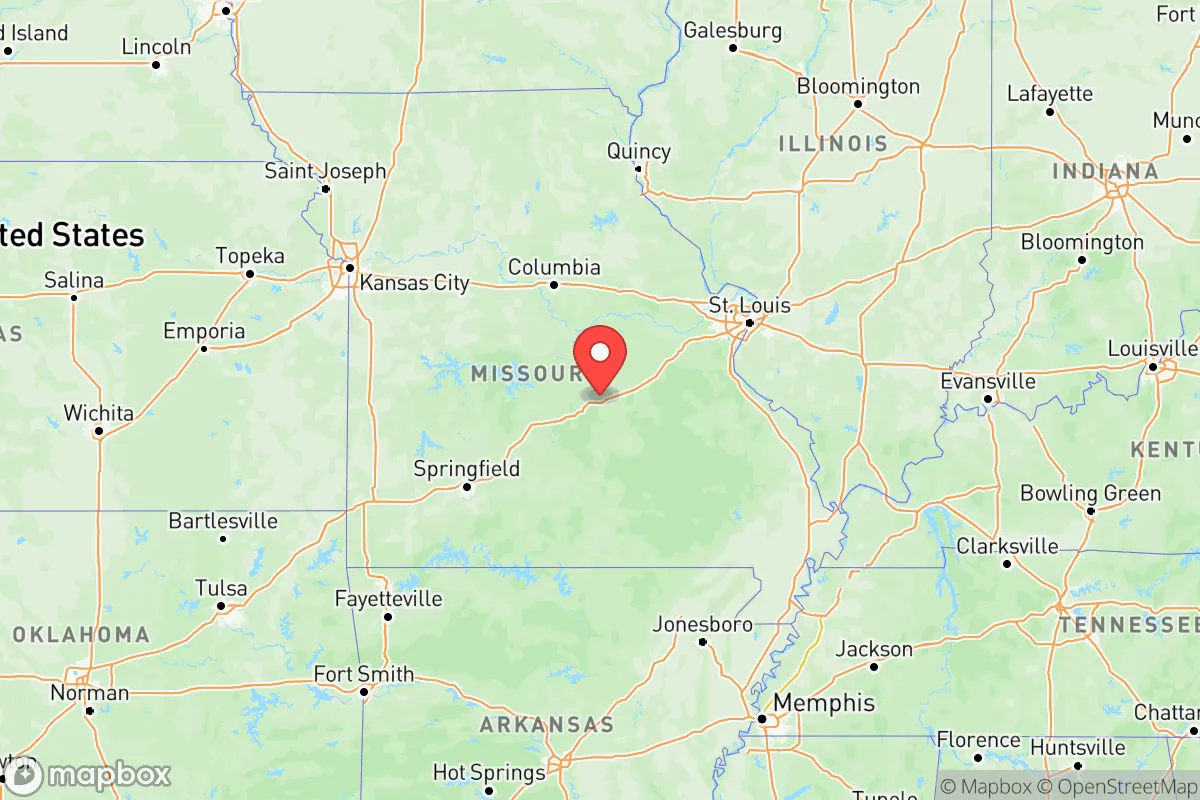
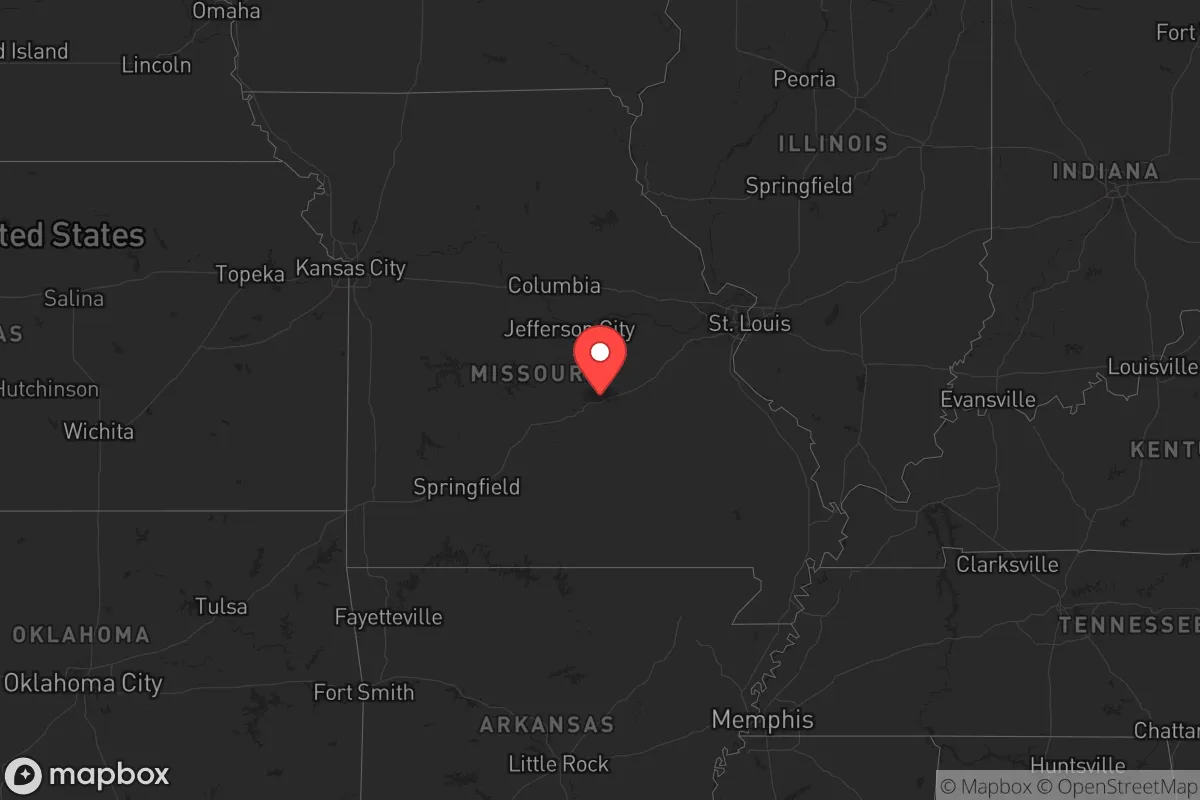
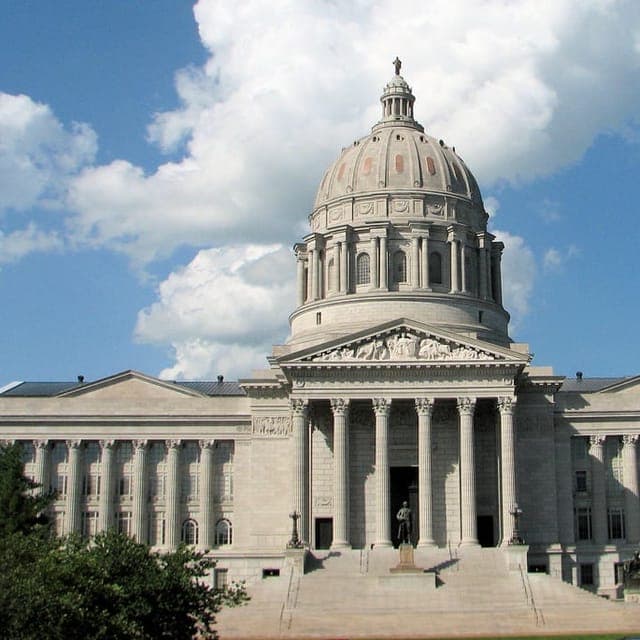
Photo: Wikipedia
Strategic Assessment of Missouri
Workable tactical position. Some exposure to population density or targets, but generally defensible in a crisis.
What does the Strategic Assessment tell us?
Our Strategic Assessment grades tactical survivability of an area. Major population centers, military targets, fallout zones, natural disasters, and border exposure all drive risk — lower exposure means a more defensible position in a crisis.
This is heavily inspired by Joel Skousen's Strategic Relocation book. Highly recommended you checkout the book ($)What does this tell us?
Our Strategic Assessment grades tactical survivability of an area. Major population centers, military targets, fallout zones, natural disasters, and border exposure all drive risk — lower exposure means a more defensible position in a crisis.
This is heavily inspired by Joel Skousen's Strategic Relocation book. Highly recommended you checkout the book ($)Regional Safe Places
Below is our recommended "safe zones" in Missouri and the surrounding area based on our strategic heuristics. For most people, it's unrealistic to live in a “safe zone” full-time due to work, family or other personal reasons. They tend to be more rural. However, many of these areas are perfect for second homes and retreat properties that double as a vacation home or even a short-term rental.


Important Note: For informational purposes only. This does not mean nothing bad ever happens in the green zones. Please use common sense. This is based on public data and modeled with AI. We tried to take a conservative approach but mistakes happen. We update this regularly as new information becomes available.
Solar Generator Recommendations
Backup power matters more here than in safer locations. We've picked three solar generators across budgets and capacity tiers — start with the budget unit if you only need a few essentials, or step up if you want to run a fridge and HVAC for days at a time.

Jackery Portable Power Station Explorer 300
Budget OptionPower on the Go: Weighing only 11 lbs, it's convenient to set up and store with book-sized foldable solar panels

BLUETTI Portable Power Station AC180
Designed for both indoor and outdoor scenarios, AC180 is highly capable as it has a robost capacity and continuous output power.

EF ECOFLOW DELTA Pro Ultra Power Station
Upgraded PickEcoFlow DELTA Pro Ultra is a whole-home energy system designed to grow with your family. Integrated with the Smart Home Panel 2, it scales to meet your evolving energy needs — keeping your home powered, intelligent, and secure through every stage of life.
We earn a commission, at no additional cost to you.
Strategic Assessment Analysis
Missouri offers a compelling mix of strategic depth and practical resilience for those prioritizing self-reliance and security in an uncertain future. Its central U.S. location, away from the most vulnerable coastal and border zones, provides a natural buffer against many of the worst-case scenarios—from nuclear fallout drifting from coastal strikes to the cascading chaos of a major port disruption. The state’s access to the Missouri and Mississippi Rivers, combined with a robust agricultural interior and a network of smaller, defensible towns, makes it a serious contender for anyone looking to build a sustainable, long-term position outside the major metropolitan corridors.
Geographic position and natural advantages for long-term security
Missouri sits in a sweet spot for strategic relocation. It’s far enough inland to avoid the immediate blast and fallout zones of coastal targets like New York, Los Angeles, or Houston’s refinery corridor, yet it retains critical infrastructure via the Mississippi River, which runs its eastern border. The Ozark Plateau in the southern half of the state offers rugged terrain, limestone caves, and dense forests—ideal for off-grid living, water catchment, and natural concealment. The Missouri River cuts through the center, providing a reliable water source and a potential transport route if roads become impassable. Key towns like Rolla (home to Missouri S&T and a known hub for engineering and emergency management) and West Plains sit in the Ozarks, offering low population density and access to the Mark Twain National Forest. The northern plains, around Chillicothe and Macon, provide flat, fertile land for agriculture, with fewer people and less strategic value to an adversary. This geographic diversity means a relocator can choose between defensible hills or productive farmland, depending on their specific needs.
Risks, exposures, and proximity to fallout-relevant landmarks
No state is a fortress, and Missouri has its share of vulnerabilities. The most obvious is the concentration of critical infrastructure along the I-70 corridor, which runs from Kansas City through Columbia to St. Louis. St. Louis itself is a major inland port, rail hub, and home to the Lambert-St. Louis International Airport, which could be a secondary target in a conflict or a chokepoint during civil unrest. The Whiteman Air Force Base near Knob Noster, which houses B-2 stealth bombers, is a high-value military target—anyone within a 20-mile radius of that base should plan for potential evacuation or fallout. Similarly, the Lake City Army Ammunition Plant near Independence is a primary small-caliber ammunition producer for the U.S. military, making it a likely target for sabotage or direct strike. The Mississippi River itself, while a resource, also concentrates barge traffic and industrial facilities like oil refineries and chemical plants near Cape Girardeau and Hannibal. A major event at one of these sites could contaminate water supplies downstream. The New Madrid Seismic Zone, which runs through the southeastern bootheel, poses a natural risk of earthquakes that could disrupt infrastructure and cause secondary industrial accidents. For a survivalist, the key is to avoid the I-70 and I-44 corridors and the immediate vicinity of military bases, focusing instead on the Ozarks or the northern plains.
Practical resilience for a relocator: food, water, energy, and defensibility
Missouri’s practical resilience is strong, especially for those willing to put in the work. The state is a top producer of soybeans, corn, and livestock, meaning local food supplies are abundant if you can secure land and storage. The Ozarks are rich in springs and creeks—places like Van Buren and Eminence have reliable water sources that don’t depend on municipal systems. For energy, the Callaway Nuclear Plant near Fulton provides a stable grid supply, but off-grid solar and wind are viable in the southern hills, where tree cover offers both camouflage and firewood. Defensibility is a mixed bag: the Ozarks’ steep hollows and narrow roads make them hard to approach, but they also limit your own mobility. A property with a good well, a south-facing slope for solar, and a root cellar or cave access is ideal. The northern plains offer better lines of sight and easier fortification, but less natural cover. For a single individual or family, a small homestead in a county like Texas County (population density under 20 people per square mile) or Shannon County (the least densely populated in the state) provides a realistic base for long-term survival. The state’s gun laws are favorable—constitutional carry, no state-level registration, and strong preemption laws—which supports the defensive aspect of a prepper’s plan. However, be aware that Missouri’s proximity to Fort Leonard Wood (a major Army training base) means military traffic and potential mobilization zones in the south-central region; avoid settling too close to that area if you want to stay under the radar.
Overall, Missouri presents a balanced strategic picture for the conservative relocator. It’s not a perfect redoubt—the New Madrid fault, the concentration of targets along the rivers, and the presence of military installations are real concerns. But for someone looking to get out of the coastal rat race and into a place with real agricultural potential, defensible terrain, and a culture of self-reliance, it’s one of the better options in the lower 48. The key is to pick your spot carefully: avoid the big cities and the military zones, lean into the Ozarks or the northern plains, and invest in water and food storage before you need it. Missouri won’t save you from every scenario, but it gives you a fighting chance in the ones that matter most.

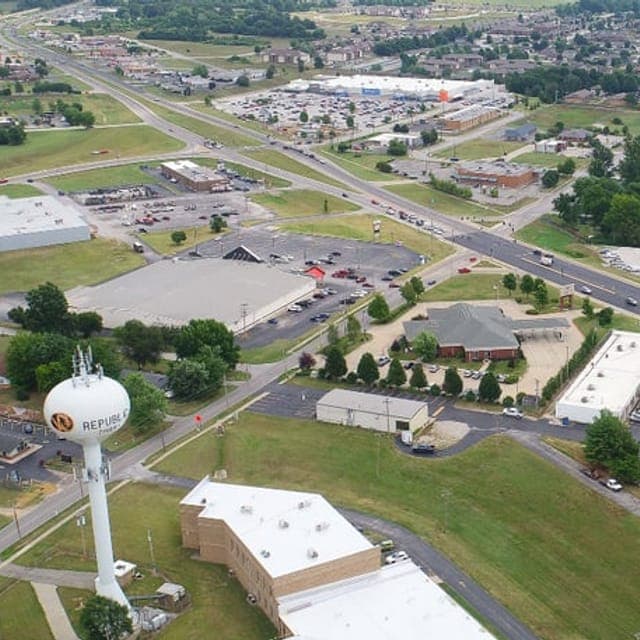
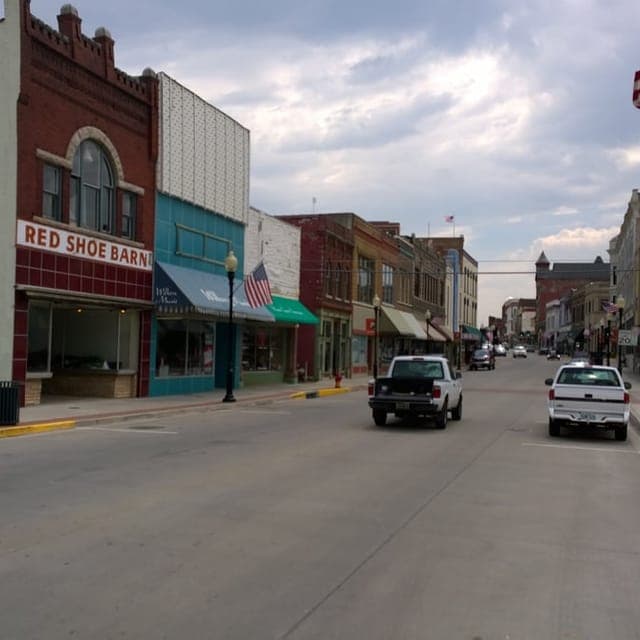
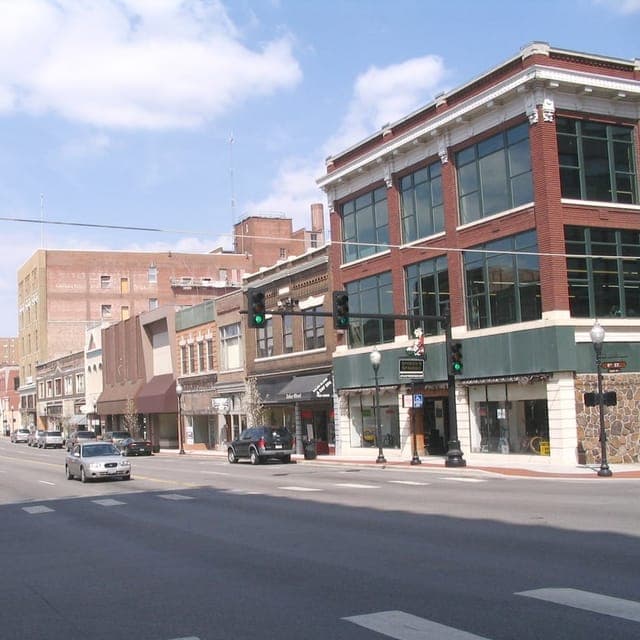
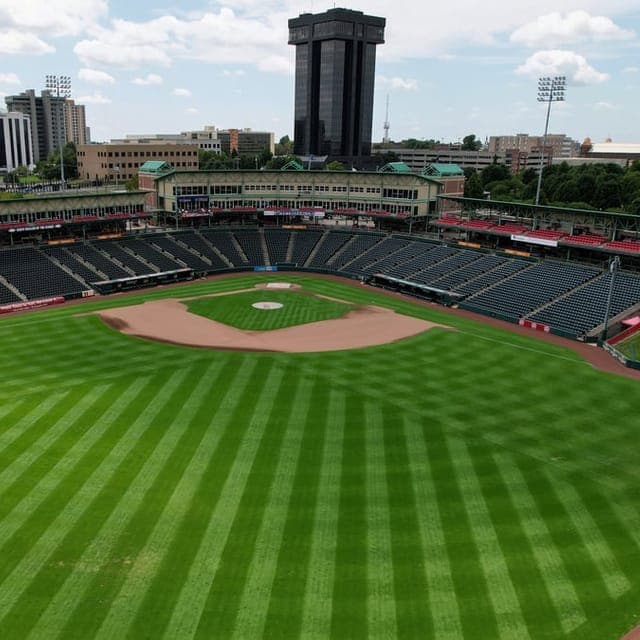
Top 10 Cities by Strategic Assessment in Missouri
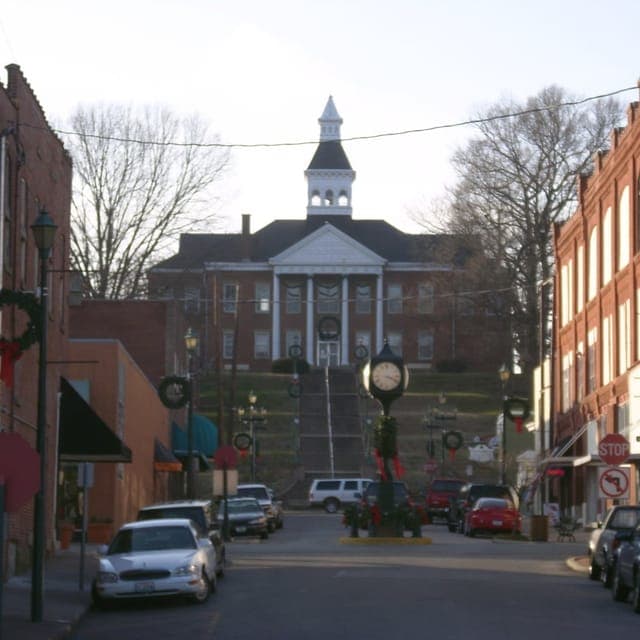
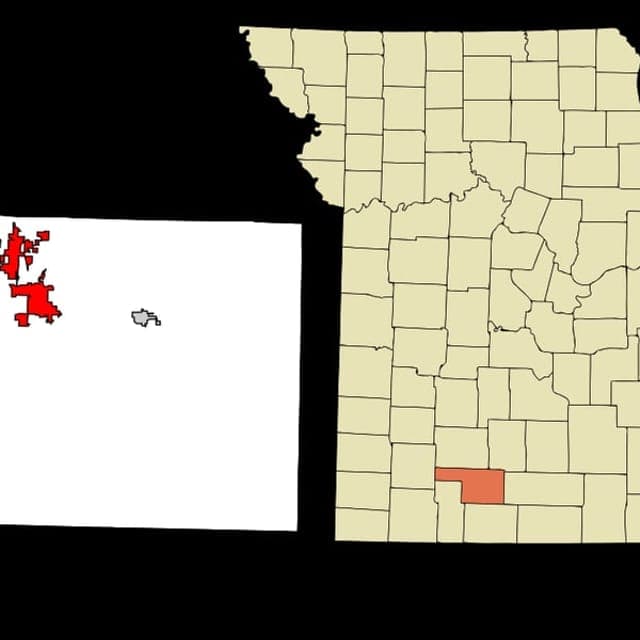
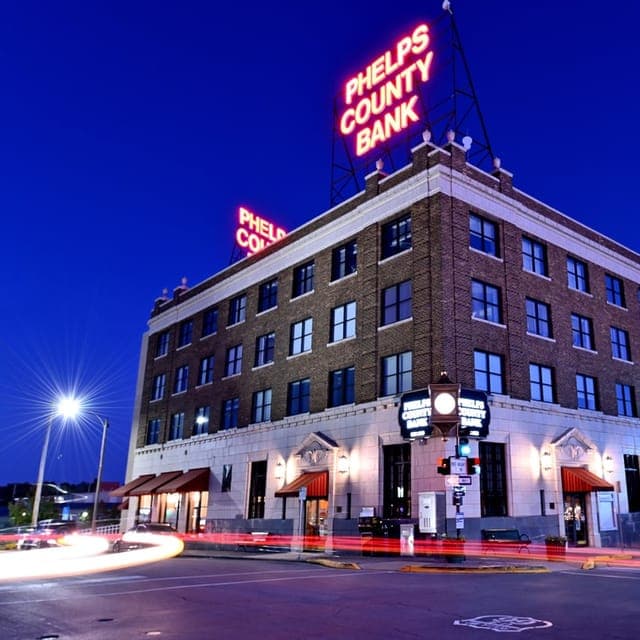
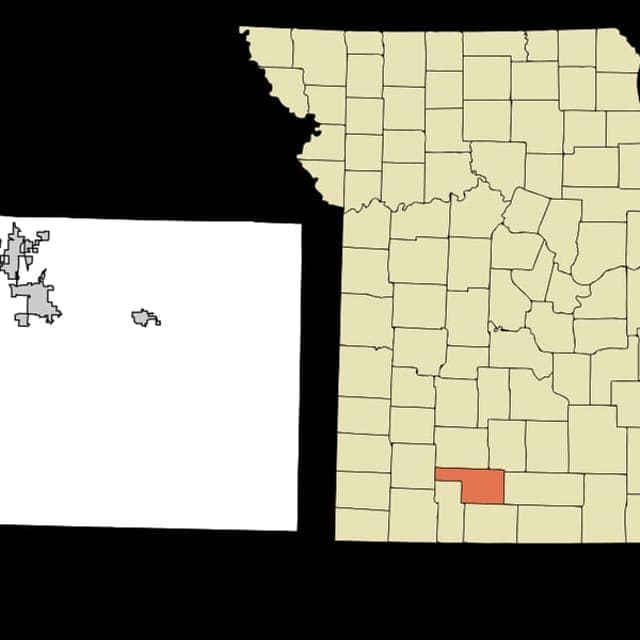
* Values derived from national, state, county, city and local statistics and may differ in a specific area. Last updated: 2026-04-18T23:36:58.000Z
Narrative content on this page is AI-generated and may contain mistakes. Verify any details that matter before acting on them.
ReloMaps may earn a commission from affiliate links at no extra cost to you.

