
Photo: Wikipedia
Quality of Life in Missouri
A livable area that tracks near national norms for affordability, walkability, and neighborhood health.
What does Quality of Life tell us?
Quality of Life measures an area by evaluating factors like cost of living, nearby amenities, country club access, airport proximity, socioeconomic signals and neighborhood character. For large states, this is a general average — quality of life can vary dramatically between metro areas, suburbs, and rural communities within the same state.
What does this tell us?
Quality of Life measures an area by evaluating factors like cost of living, nearby amenities, country club access, airport proximity, socioeconomic signals and neighborhood character. For large states, this is a general average — quality of life can vary dramatically between metro areas, suburbs, and rural communities within the same state.
Cost of Living
18% below national average
112%
The Real Cost of Living in Missouri for 2026
| Tier | Individual | Family (4) |
|---|---|---|
| Survival | $16k | $30k |
| Comfortable | $42k | $62k |
| Luxury | $125k+ | $193k+ |
| Elite (Top 5%) | $152k+ | $235k+ |
Quality-of-Life Analysis
Missouri offers a remarkably broad spectrum of quality-of-life options, from the dense urban energy of its two major metros to the quiet solitude of the Ozarks, with a statewide cost-of-living index of 82 (100 = U.S. average) making nearly every tier more affordable than the national norm. The state’s median home value of $215,600 and median rent of $996 allow for a wide range of housing choices, while an average commute of 23.6 minutes keeps daily life manageable across most regions. The choice of where to live in Missouri largely depends on whether a resident prioritizes career density, cultural amenities, outdoor recreation, or simply the lowest possible overhead.
Major metros
If you are looking for urban living, Missouri has two distinct major metros: St. Louis and Kansas City. St. Louis, the state’s eastern anchor, is a historic city with a dense, walkable core, a strong biotech and healthcare sector anchored by Washington University and BJC HealthCare, and a deeply rooted cultural identity tied to baseball, beer, and blues. Its neighborhoods range from the revitalized Cortex innovation district to the historic brick streets of Soulard. Kansas City, on the western edge, offers a more sprawling, car-oriented layout with a booming tech and logistics scene, a nationally recognized barbecue culture, and a revitalized downtown centered around the Power & Light District and the Crossroads Arts District. Both metros have suburban rings—like Clayton and Chesterfield near St. Louis, or Overland Park and Lee’s Summit near Kansas City—that offer top-rated schools and larger homes while still providing access to urban jobs. The choice between them often comes down to industry: St. Louis leans heavily on healthcare, finance, and manufacturing, while Kansas City is stronger in logistics, tech, and professional services.
Mid-size cities & college towns
Missouri’s mid-size cities and college towns offer a blend of urban amenities and lower costs that appeals to families, remote workers, and academics. Columbia, home to the University of Missouri, is the state’s most educated city per capita, with a vibrant downtown, a strong local food scene, and a relatively young population; its median home value hovers around $250,000, above the state average but still affordable compared to national college towns. Springfield, the third-largest city, is a hub for healthcare (Mercy and CoxHealth are major employers) and manufacturing, with a cost of living well below the state average and easy access to the Ozark Mountains for hiking and fishing. Jefferson City, the state capital, offers a quieter, government-focused lifestyle with stable employment and a slower pace, though its nightlife and dining options are limited. St. Joseph, on the Kansas border, is a manufacturing and logistics center with extremely low home prices—often under $150,000—making it one of the most affordable mid-size cities in the Midwest. Rolla, home to Missouri S&T, attracts engineering and tech workers with its specialized job market and low cost of living, though its small size means fewer entertainment options.
Small towns & rural areas
For those seeking a slower pace, Missouri’s small towns and rural areas offer deep affordability and strong community ties. The Ozark region, including towns like Branson, West Plains, and Mountain View, is defined by rolling hills, clear rivers, and a tourism-driven economy in Branson’s case, or a more isolated, self-sufficient lifestyle elsewhere. Hermann, in the Missouri River Valley, is a small wine-country town with a historic German heritage and a growing tourism sector, but its population of under 3,000 means limited services. Macon and Chillicothe in northern Missouri are classic agricultural towns where the median home value can fall below $100,000, attracting retirees and remote workers who prioritize land and quiet over convenience. The Bootheel region in the southeast, including Kennett and Sikeston, is the state’s most rural and poorest area, with high poverty rates but also the lowest housing costs in the state—often under $80,000 for a single-family home. These areas are best suited for those who value privacy, outdoor recreation, and low expenses over access to jobs, healthcare, or cultural amenities.
Luxury vs. affordable living
Missouri’s luxury enclaves are concentrated in the suburbs of its two major metros. Ladue and Frontenac in St. Louis County consistently rank among the wealthiest zip codes in the state, with median home values exceeding $700,000 and large estates on wooded lots. Mission Hills and Leawood in the Kansas City metro offer similar exclusivity, with homes often above $1 million and top-rated public schools. In Columbia, the Grindstone and Rock Bridge neighborhoods attract professionals with homes in the $400,000–$600,000 range. On the affordable end, St. Louis’s north side neighborhoods like Ferguson and Jennings have median home values under $80,000, though they face higher crime rates and lower school performance. Kansas City’s East Side and Independence offer homes under $150,000 with reasonable commutes to downtown. In rural areas, Carrollton and Brookfield in north Missouri have homes under $70,000, making homeownership achievable on a minimum-wage salary. The spread is enormous: a luxury home in Ladue costs roughly ten times what a comparable square footage costs in Kennett.
The practical reality is that Missouri’s quality-of-life spectrum is defined by trade-offs between cost, opportunity, and lifestyle. Urban professionals and creatives thrive in St. Louis and Kansas City, where salaries are higher but so is competition for housing. Families and academics gravitate toward Columbia and Springfield for their balance of amenities and affordability. Retirees and remote workers often choose the Ozarks or northern Missouri for the lowest costs and most space, accepting longer drives to hospitals and fewer job options. With a statewide cost of living 18% below the national average, even the most expensive parts of Missouri remain accessible to middle-class households, while the cheapest areas offer a path to homeownership that is increasingly rare elsewhere in the United States.

Crime in Missouri
Higher crime rates than 57% of comparable U.S. locations.
Violent CrimeViolent Crime Analysis
Property CrimeProperty Crime Analysis
Crime Analysis
Missouri’s overall safety picture is mixed, with violent and property crime rates that consistently exceed national averages. The state recorded a violent crime rate of 413.1 per 100,000 residents and a property crime rate of 1,644.4 per 100,000 in the most recent data, compared to U.S. averages of roughly 380 and 1,950, respectively. While property crime in Missouri sits below the national figure, the elevated violent crime rate is driven largely by a handful of high-crime urban centers, particularly in the eastern and western corridors of the state.
Crime in context
Missouri’s violent crime rate of 413.1 per 100,000 places it among the higher-risk states in the Midwest, though it remains below states like New Mexico or Louisiana. The property crime rate of 1,644.4 per 100,000 is actually lower than the national average, a point often overlooked in statewide rankings. However, these averages mask extreme disparities: St. Louis routinely posts violent crime rates above 2,000 per 100,000, while Kansas City hovers near 1,200 per 100,000. In contrast, suburban and rural counties such as St. Charles County (outside St. Louis) and Boone County (home to Columbia) report rates closer to 200–300 per 100,000. The state’s overall figures are pulled upward by these two major metro areas, where concentrated poverty, gang activity, and lenient prosecutorial policies in progressive jurisdictions contribute to persistently high crime.
What residents experience
Daily life for Missouri residents varies dramatically by location. In St. Louis and Kansas City, residents face a tangible risk of carjackings, armed robberies, and shootings, particularly in neighborhoods with high vacancy rates and limited police presence. The property crime rate, while below the national average, still means that theft and burglary are common concerns in both urban and suburban settings. In Springfield and Jefferson City, violent crime is less frequent but property crime—especially vehicle break-ins and package theft—remains a nuisance. Residents in safer enclaves like Chesterfield or Lee’s Summit report feeling secure walking at night, though they still lock doors and use security systems out of habit. The presence of progressive district attorneys in St. Louis and Jackson County (Kansas City) has been a point of contention, as critics argue that reduced bail requirements and diversion programs for repeat offenders have led to more criminals on the street, undermining public confidence in the justice system.
Neighborhood-level variation and what to watch
Neighborhood-level safety in Missouri is starkly divided. In St. Louis, the Central West End and Clayton remain relatively safe due to higher property values and private security patrols, while North St. Louis neighborhoods like Ferguson and Jennings see violent crime rates three to four times the city average. In Kansas City, the Plaza and Brookside areas are low-crime pockets, whereas the East Side and parts of Independence experience elevated rates of assault and burglary. Suburban counties like St. Charles and Clay County (excluding Kansas City proper) offer significantly lower crime rates, often below 250 per 100,000 for violent offenses. For those considering relocation, focusing on school district boundaries and municipal police jurisdictions—rather than county-level data—provides the clearest picture of daily risk. Areas with conservative prosecutorial policies and well-funded police departments, such as O’Fallon and Blue Springs, tend to report the lowest crime and highest resident satisfaction.
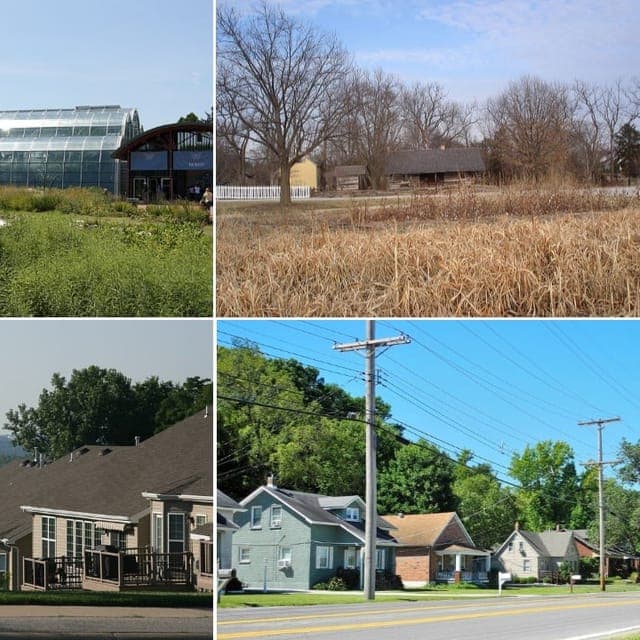
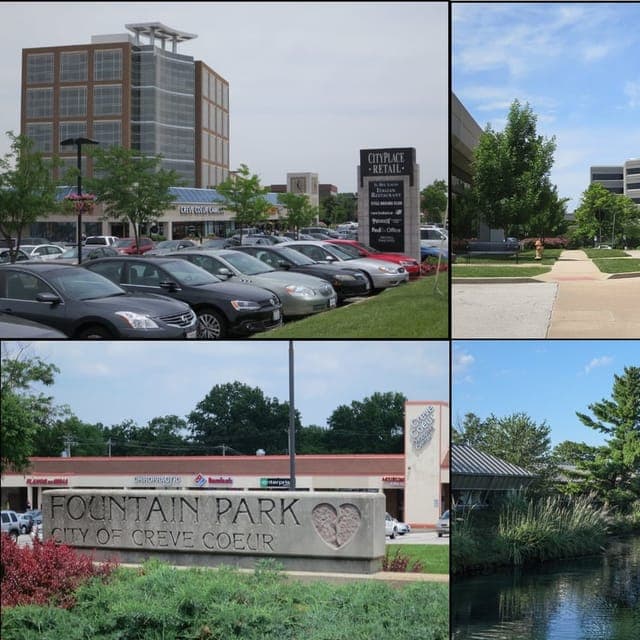
Top Cities for Quality of Life in Missouri


* Values derived from national, state, county, city and local statistics and may differ in a specific area. Last updated: 2026-04-18T23:36:58.000Z
Narrative content on this page is AI-generated and may contain mistakes. Verify any details that matter before acting on them.
ReloMaps may earn a commission from affiliate links at no extra cost to you.

