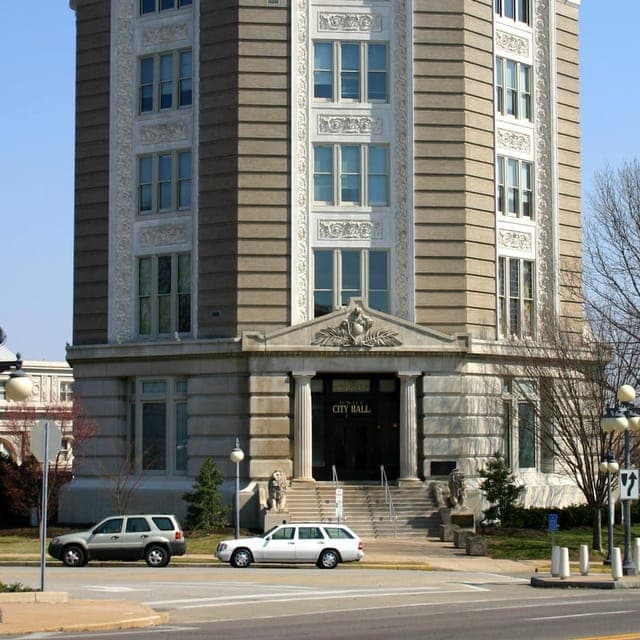
Photo: Wikipedia
Political ClimatePolitical Climate in Missouri
Political Environment in the State
Missouri has been a reliably Republican state for decades, with a Cook PVI of R+8, but don’t let that number fool you into thinking it’s a monolith. The state’s political lean is driven by a deep red rural and exurban base, but it’s been slowly shifting rightward in statewide races even as its largest metros trend blue. Over the last 20 years, the GOP has tightened its grip on the legislature and governor’s mansion, but the real story is the growing cultural and policy chasm between places like St. Louis County and the rest of the state.
Urban vs. rural divide
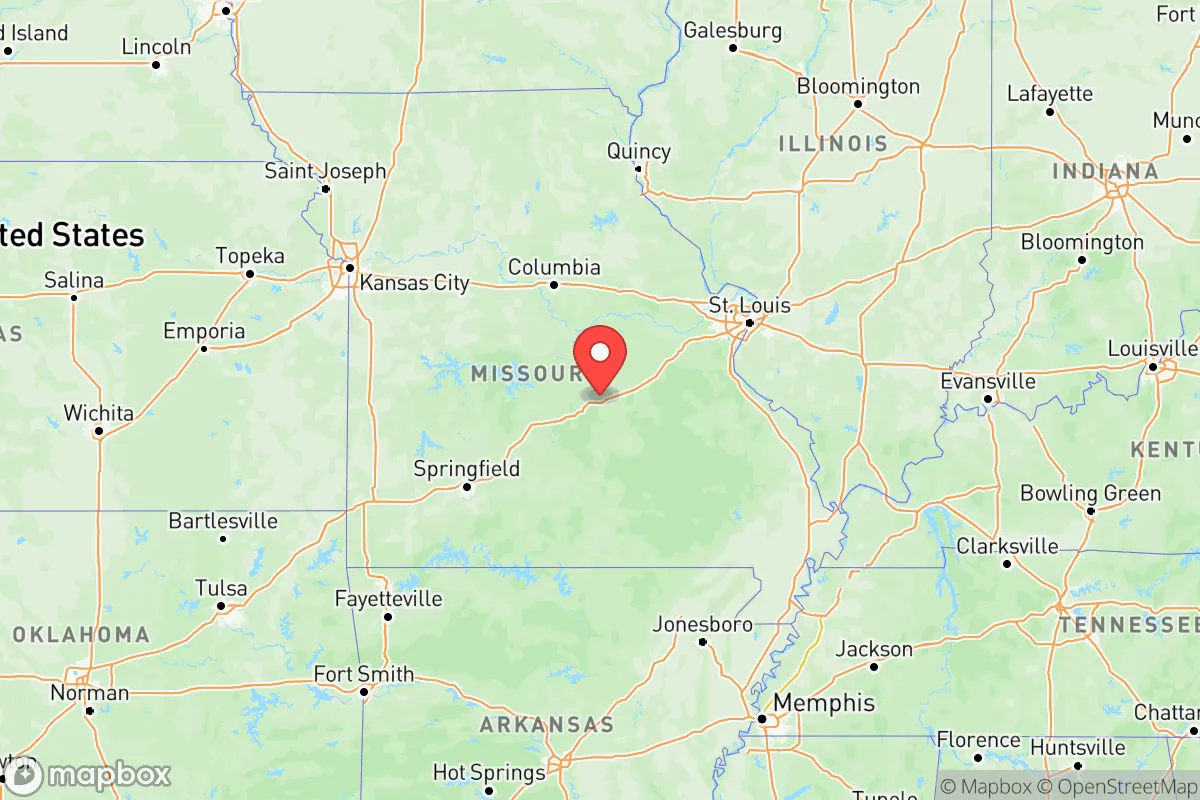
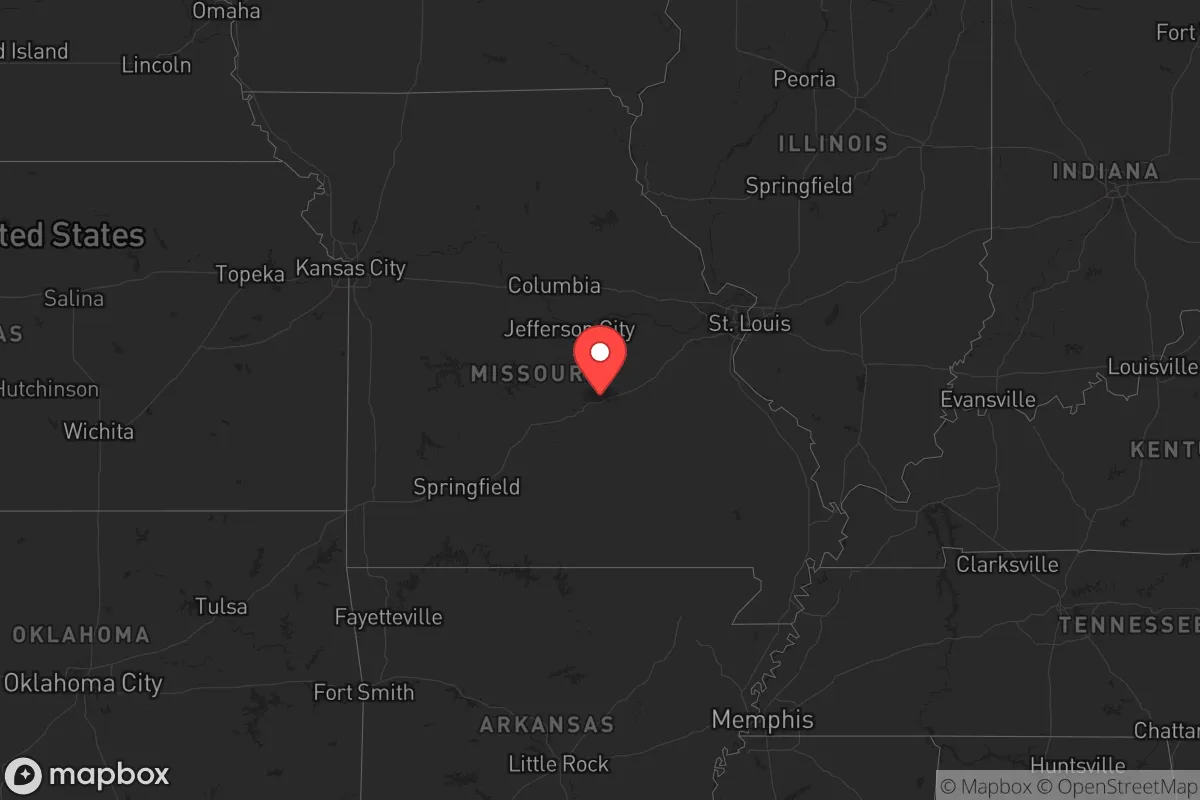
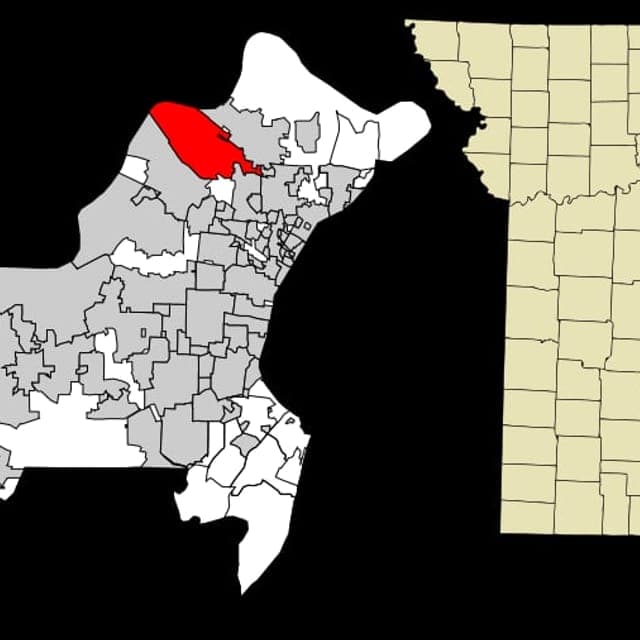
The political map of Missouri is a textbook case of the urban-rural split. The two major metros—St. Louis and Kansas City—are the state’s Democratic strongholds. St. Louis City and County, along with Jackson County (Kansas City), consistently vote blue by double digits. In 2024, St. Louis County went +18 for the Democratic presidential candidate, while rural counties like Texas County and Howell County voted +50 or more for the GOP. The real battlegrounds are the suburban ring counties: St. Charles County, once a swing area, has become reliably red, voting +15 for Trump in 2024. Boone County (Columbia), home to the University of Missouri, is a purple outlier—it went +2 for Biden in 2020 but flipped back to +3 for Trump in 2024, reflecting the state’s overall rightward drift. The rural southwest, including Springfield and Joplin, is deeply conservative, while the Bootheel region in the southeast remains a Democratic holdover from the old Solid South, but it’s fading fast.
Policy environment
Missouri’s policy environment is broadly conservative, with a few notable exceptions. The state has a flat income tax rate of 4.95%, and in 2024, the legislature passed a bill to gradually reduce it to 4.5% by 2027. Property taxes are low, with an effective rate around 0.9% of home value, and there’s no estate tax. The regulatory posture is business-friendly, with right-to-work laws repealed in 2018 but a general anti-union sentiment still strong in the legislature. On education, Missouri has a robust school choice program, including charter schools in St. Louis and Kansas City, and a tax-credit scholarship program for private schools. In 2024, the state expanded its open enrollment law, allowing students to transfer between districts more easily. Healthcare policy is mixed: the state expanded Medicaid under the 2020 ballot initiative (Amendment 2), which passed with 53% support, but the GOP-controlled legislature has since tried to impose work requirements and other restrictions. Election laws have tightened: voter ID is required, and in 2022, the legislature passed a law banning private funding for election administration and limiting drop boxes. The state also has a constitutional amendment (passed in 2018) that prohibits any state or local government from infringing on the right to keep and bear arms, making it one of the strongest Second Amendment sanctuaries in the country.
Trajectory & freedom
Missouri is becoming more free in several key areas, particularly on gun rights and parental rights. In 2021, the legislature passed the Second Amendment Preservation Act (SAPA), which declares federal gun laws that don’t have a state equivalent to be null and void—a direct challenge to federal authority that has sparked legal battles. On parental rights, the 2024 “Parents’ Bill of Rights” (HB 1870) requires schools to notify parents of any changes to a student’s health or well-being, including gender identity discussions, and gives parents the right to review instructional materials. Medical autonomy has seen a mixed trajectory: the state banned nearly all abortions after a 2022 trigger law took effect, with no exceptions for rape or incest, but a 2024 ballot initiative (Amendment 3) to enshrine abortion rights in the state constitution is pending. Property rights are strong, with no statewide zoning mandates and a low property tax burden. However, there are concerning trends: the state’s Medicaid expansion, while popular, has led to increased state spending, and some conservatives worry about long-term fiscal sustainability. The biggest red flag for liberty-minded residents is the growing influence of local progressive governments in St. Louis and Kansas City, which have imposed mask mandates, vaccine requirements, and other public health measures that conflict with state law.
Civil unrest & political movements
Missouri has a history of civil unrest, most notably the 2014 Ferguson protests after the shooting of Michael Brown, which sparked a national movement and led to the creation of the “Ferguson Effect” narrative. Since then, the state has seen periodic protests in St. Louis over police brutality and racial justice, but they’ve largely subsided. On the right, the state has a strong Second Amendment sanctuary movement, with over 100 counties passing resolutions against federal gun control. The “Show-Me” spirit is alive in the form of nullification rhetoric: the SAPA law is the most prominent example, but there have also been efforts to nullify federal vaccine mandates and mask requirements. Immigration politics are relatively quiet, with no sanctuary cities and a state law (SB 391) that requires law enforcement to cooperate with federal immigration authorities. Election integrity has been a flashpoint: the 2020 election saw no major scandals, but the GOP-led legislature has passed multiple bills tightening voting laws, including a 2022 law that bans ballot harvesting and requires a government-issued ID. A new resident would notice the strong presence of conservative activist groups like the Missouri Right to Life and the Missouri Firearms Coalition, which hold significant sway in Jefferson City.
Projection
Over the next 5-10 years, Missouri will likely continue its slow rightward drift, driven by out-migration from St. Louis and Kansas City to red suburbs and rural areas. The state’s population is growing fastest in the conservative southwest (Springfield, Branson) and the Lake of the Ozarks region, while St. Louis City is losing residents. This demographic shift will reinforce the GOP’s supermajority in the legislature and keep the governor’s mansion red. However, the urban-rural divide will deepen, with St. Louis and Kansas City becoming increasingly isolated blue islands. The biggest wildcard is the 2024 abortion rights ballot initiative: if it passes, it could energize Democratic turnout and flip some suburban seats, but it’s unlikely to change the overall partisan balance. On freedom, expect more nullification-style laws on gun rights and possibly on medical freedom, as the legislature continues to push back against federal overreach. A new resident moving in now should expect a state that is broadly conservative on taxes, guns, and education, but with a persistent progressive minority in the cities that will keep cultural battles alive.
Bottom line for a new resident: If you’re looking for a state where your rights are respected, your taxes are low, and your kids aren’t subjected to progressive indoctrination in schools, Missouri is a solid bet. Just know that you’ll be living in a state with two very different realities: the conservative, freedom-minded heartland and the progressive, government-heavy cities. Pick your county wisely—St. Charles, Boone, or Greene County will give you a much different experience than St. Louis City or Jackson County.

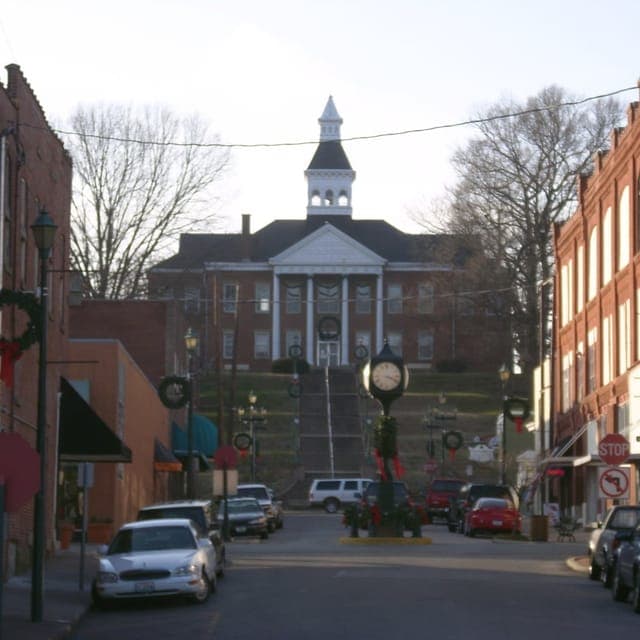
Most Conservative Cities in Missouri




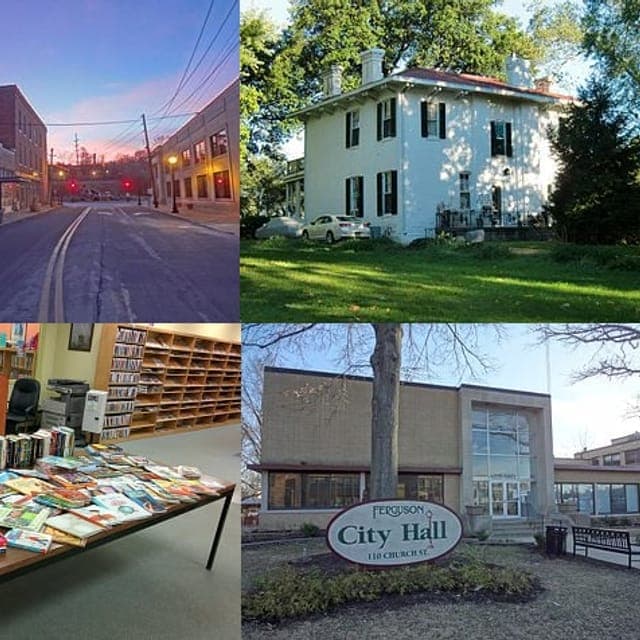
Most Liberal Cities in Missouri

* Values derived from national, state, county, city and local statistics and may differ in a specific area. Last updated: 2026-04-18T23:36:58.000Z
Narrative content on this page is AI-generated and may contain mistakes. Verify any details that matter before acting on them.
ReloMaps may earn a commission from affiliate links at no extra cost to you.

