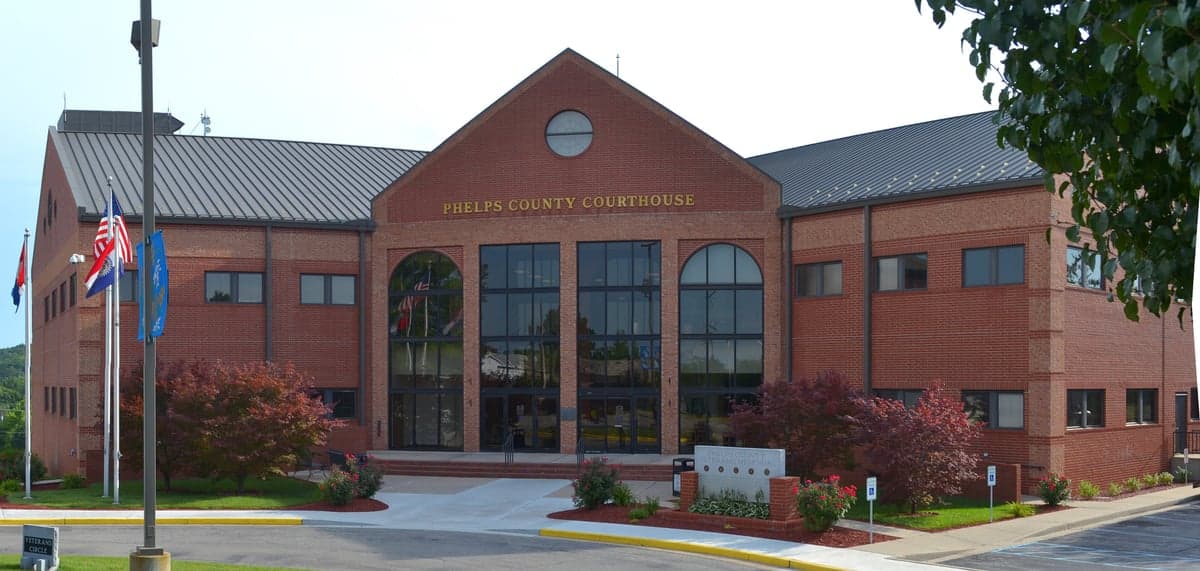
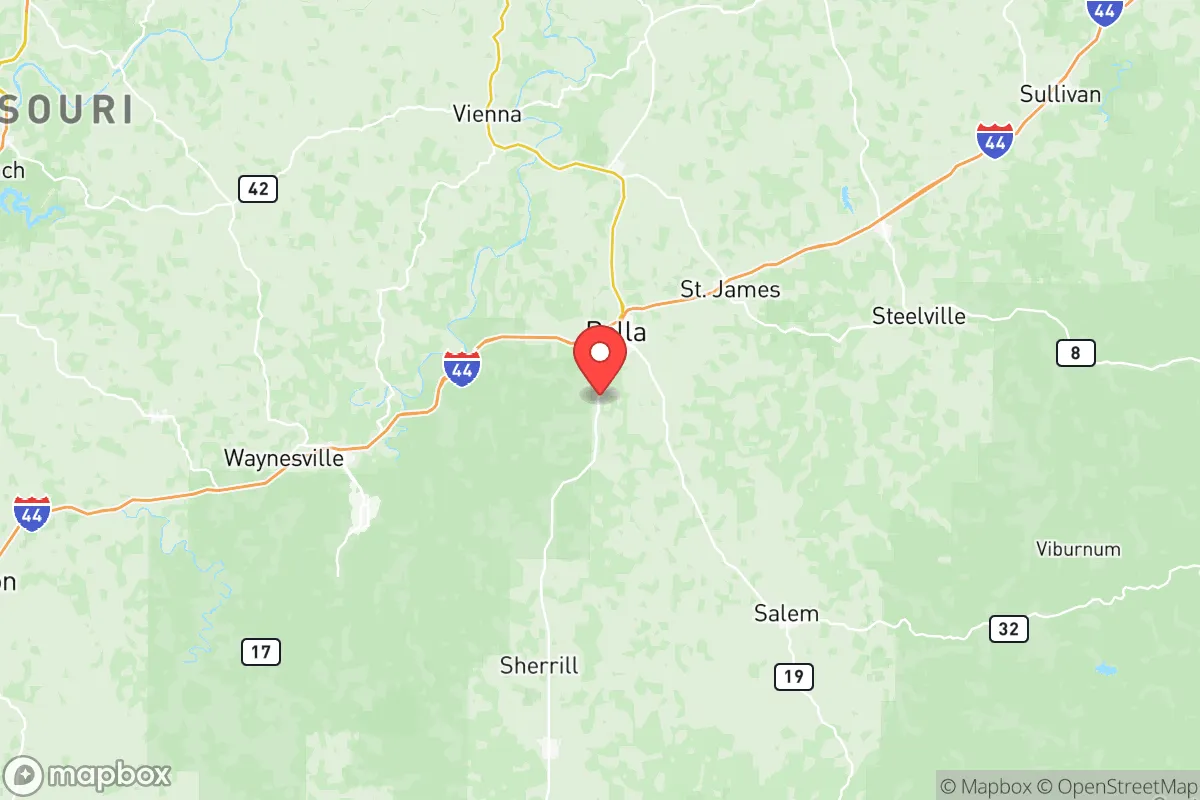
Photo: Wikipedia
Quality of Life in Phelps County
A livable area that tracks near national norms for affordability, walkability, and neighborhood health.
What does Quality of Life tell us?
Quality of Life measures an area by evaluating factors like cost of living, nearby amenities, country club access, airport proximity, socioeconomic signals and neighborhood character. For large states, this is a general average — quality of life can vary dramatically between metro areas, suburbs, and rural communities within the same state.
What does this tell us?
Quality of Life measures an area by evaluating factors like cost of living, nearby amenities, country club access, airport proximity, socioeconomic signals and neighborhood character. For large states, this is a general average — quality of life can vary dramatically between metro areas, suburbs, and rural communities within the same state.
Cost of Living
31% below national average
100%
The Real Cost of Living in Phelps County for 2026
| Tier | Individual | Family (4) |
|---|---|---|
| Survival | $13k | $24k |
| Comfortable | $38k | $56k |
| Luxury | $98k+ | $152k+ |
| Elite (Top 5%) | $115k+ | $178k+ |
Quality-of-Life Analysis
Phelps County, Missouri, offers a broad quality-of-life spectrum that ranges from the college-town energy of Rolla to the quiet solitude of unincorporated crossroads like Arlington and Dillon. The county’s overall cost of living index sits at 69 (well below the U.S. average of 100), with a median home value of $194,900 and a median rent of $801, making it one of the more affordable places in the state. This diversity attracts a mix of residents: university faculty and STEM professionals drawn to Rolla’s Missouri S&T campus, families seeking low-crime rural settings, and retirees looking for small-town peace within driving distance of urban amenities.
Largest town(s) & population centers
Rolla is the county seat and by far the largest population center, home to roughly 20,000 residents and the Missouri University of Science and Technology (Missouri S&T). Daily life here revolves around the university’s calendar, with a steady influx of students, researchers, and engineering firms that give the town a younger, more educated demographic than the rest of the county. Rolla offers the widest range of amenities: a regional hospital (Phelps Health), multiple grocery chains, a historic downtown with local restaurants and shops, and the Lions Club Park system. The average commute in the county is a short 20.4 minutes, and for Rolla residents, most jobs, schools, and services are within a 10- to 15-minute drive. The town’s housing stock includes older bungalows near downtown, newer subdivisions on the south side, and apartment complexes catering to students, with prices generally higher than the county median but still affordable by national standards.
Smaller towns & rural pockets
Outside Rolla, the county’s smaller communities offer a markedly quieter pace. St. James (pop. ~4,200) is the second-largest town, known for its historic downtown, the St. James Winery, and a strong agricultural base. It has its own school district and a small medical clinic, but most residents commute to Rolla for specialized shopping and healthcare. Newburg (pop. ~470) sits along I-44 and feels more like a highway-adjacent bedroom community, with limited services and a strong sense of local identity. Doolittle (pop. ~630) is a compact residential village with a few churches and a post office, popular with families who want a low-cost home on a larger lot. Further out, unincorporated places like Arlington, Dillon, and Edgar Springs are essentially crossroads with scattered homes, no commercial districts, and gravel roads. These areas offer true rural living — acreage, privacy, and dark night skies — but require a 20- to 30-minute drive to Rolla for most errands.
Cost & lifestyle range
The cost spread across Phelps County is significant. At the low end, a three-bedroom home in Doolittle or Newburg can sell for $120,000–$150,000, and rents in older duplexes or mobile home parks can fall below $700. These areas have minimal property taxes and no city-level earnings tax, keeping monthly carrying costs very low. At the high end, newer subdivisions in Rolla’s south and west sides — such as the Greenbriar and Woodland Hills neighborhoods — see home values from $250,000 to $350,000, with larger floor plans and access to Rolla’s full amenity set. Rentals near Missouri S&T can reach $1,000+ for a modern two-bedroom apartment. The lifestyle trade-off is clear: Rolla offers walkable pockets, dining variety, and cultural events (university lectures, theater, sports), while the smaller towns and rural areas trade those conveniences for space, quiet, and lower upfront costs. Property taxes countywide are low, and the absence of a county sales tax on groceries keeps everyday expenses manageable.
Phelps County is best suited for people who value affordability and want choice in their daily environment — from the active, amenity-rich college town of Rolla to the deeply rural solitude of Dillon or Arlington. Families with school-age children often gravitate to Rolla or St. James for their accredited districts, while remote workers and retirees find the lower-cost rural pockets attractive. The county’s short average commute and low cost of living make it a practical base for anyone working in Rolla or commuting to nearby hubs like Fort Leonard Wood or even St. Louis (about 90 minutes east).

Crime in Phelps County
Higher crime rates than 57% of comparable U.S. locations.
Violent CrimeViolent Crime Analysis
Property CrimeProperty Crime Analysis
Crime Analysis
Phelps County, Missouri, presents a mixed safety picture for prospective residents. The county's violent crime rate of 413.1 incidents per 100,000 people sits notably above the national average, while its property crime rate of 1,644.4 per 100,000 also exceeds state and national benchmarks. These figures, drawn from the most recent FBI Uniform Crime Reporting data, indicate that while many areas within the county remain peaceful, certain pockets—particularly around the city of Rolla—require closer scrutiny from anyone considering relocation.
Crime in context
To understand Phelps County's safety landscape, it helps to compare its numbers against broader benchmarks. The national violent crime rate hovers around 380 per 100,000, meaning Phelps County's 413.1 figure is roughly 9% higher than the U.S. average. Property crime nationally sits near 1,950 per 100,000, so the county's 1,644.4 rate is actually below the national mark—but still above the Missouri state average of approximately 1,500 per 100,000. The city of Rolla, as the county seat and largest population center, accounts for a disproportionate share of these incidents. Rolla's proximity to Interstate 44 contributes to property crime issues, including vehicle break-ins and theft from parked cars near the university and commercial corridors. Smaller communities like St. James, Newburg, and Edgar Springs report lower overall crime volumes, though their smaller populations can produce volatile per-capita rates in any given year.
What residents experience
Daily life in Phelps County varies significantly by location and time of day. Residents of Rolla's historic downtown and the Missouri University of Science and Technology campus area report occasional thefts and vandalism, particularly during late-night hours. The Phelps County Sheriff's Office and Rolla Police Department maintain visible patrols, but response times in rural stretches—especially around Doolittle and the unincorporated areas near the Mark Twain National Forest—can exceed 20 minutes. A concern for many residents is the judicial philosophy within Phelps County's courts. The county falls under Missouri's 25th Judicial Circuit, and like many jurisdictions with progressive-leaning prosecutors, there is a pattern of lenient plea deals and reduced sentencing for repeat property offenders. This approach, while intended to reduce incarceration rates, has the practical effect of returning known criminals to the streets more quickly, directly impacting public safety and victim satisfaction. Residents in outlying towns like Vichy and Rosati often express frustration that property crime suspects arrested in their communities face minimal consequences before being released.
Neighborhood-level variation
Neighborhood-level data reveals sharp contrasts within Phelps County. The area immediately surrounding the Missouri S&T campus and along Bishop Avenue in Rolla sees the highest concentration of reported incidents, including bicycle thefts and alcohol-related disturbances. In contrast, the residential subdivisions west of Rolla—particularly around Rolla Technical Institute and the rural stretches toward Arlington—report crime rates well below the county average. The unincorporated community of Beulah and the lakefront properties near the Little Piney Creek corridor are considered among the safest areas, with violent crime nearly absent and property crime limited to occasional shed burglaries. Prospective residents should prioritize visiting specific neighborhoods at different hours, speaking with local sheriff's deputies about recent activity, and reviewing the Phelps County Sheriff's Office online crime map before committing to a lease or purchase.
* Values derived from national, state, county, city and local statistics and may differ in a specific area. Last updated: 2026-06-20T19:26:05.000Z
Narrative content on this page is AI-generated and may contain mistakes. Verify any details that matter before acting on them.
ReloMaps may earn a commission from affiliate links at no extra cost to you.

