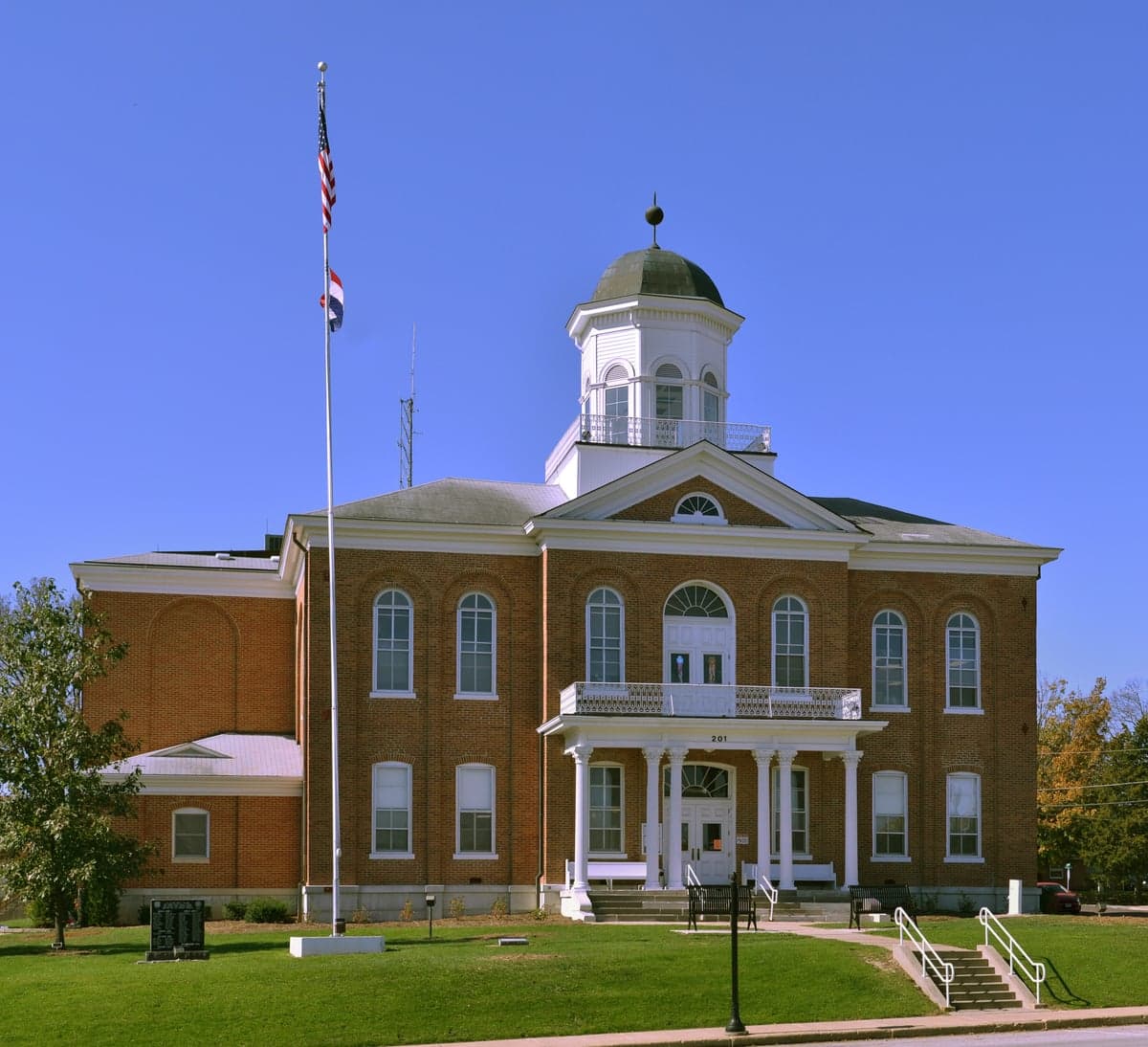
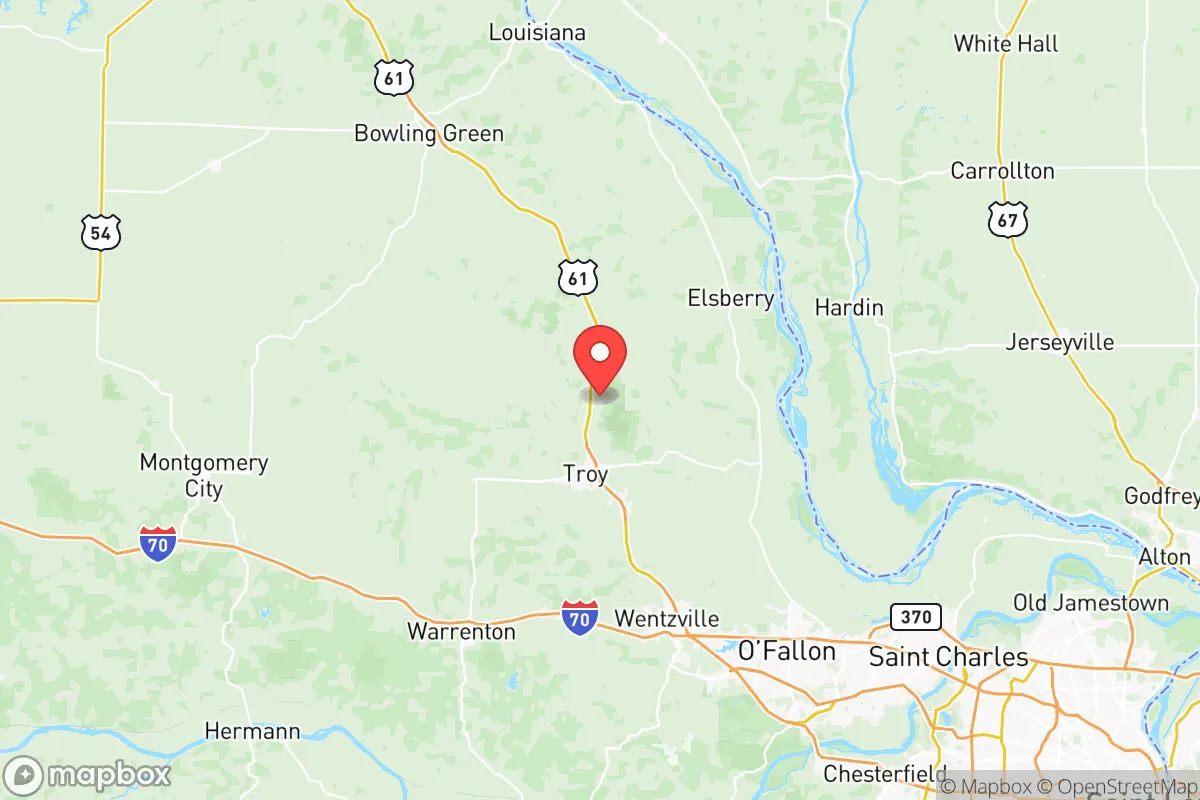
Photo: Wikipedia
Quality of Life in Lincoln County
A livable area that tracks near national norms for affordability, walkability, and neighborhood health.
What does Quality of Life tell us?
Quality of Life measures an area by evaluating factors like cost of living, nearby amenities, country club access, airport proximity, socioeconomic signals and neighborhood character. For large states, this is a general average — quality of life can vary dramatically between metro areas, suburbs, and rural communities within the same state.
What does this tell us?
Quality of Life measures an area by evaluating factors like cost of living, nearby amenities, country club access, airport proximity, socioeconomic signals and neighborhood character. For large states, this is a general average — quality of life can vary dramatically between metro areas, suburbs, and rural communities within the same state.
Cost of Living
18% below national average
133%
The Real Cost of Living in Lincoln County for 2026
| Tier | Individual | Family (4) |
|---|---|---|
| Survival | $16k | $29k |
| Comfortable | $44k | $64k |
| Luxury | $114k+ | $176k+ |
| Elite (Top 5%) | $134k+ | $207k+ |
Quality-of-Life Analysis
Lincoln County, Missouri, offers a broad spectrum of quality-of-life options that range from the modest suburban convenience of its largest town, Troy, to the quiet, agricultural seclusion of hamlets like Silex and Foley. With a cost of living index of 82—well below the national average of 100—the county attracts a mix of St. Louis commuters seeking affordable housing, families looking for small-town schools, and retirees or rural residents who value land and privacy. The county’s character shifts noticeably as you move from its commercial corridors along Highway 61 to the two-lane roads winding through the Mississippi River bluffs and farmlands to the east.
Largest town(s) & population centers
Troy is the county seat and the primary population center, home to roughly 12,000 residents. Daily life here revolves around the historic downtown square, which hosts local shops, restaurants, and the county courthouse, as well as the newer commercial development along Highway 61, including big-box retailers like Walmart and Lowe’s. Troy offers the most amenities in the county—a public library, a YMCA, multiple grocery stores, and the Lincoln County Medical Center. The Troy R-III School District is the largest in the county and a major draw for families. Moscow Mills, immediately south of Troy, is a smaller but growing suburb with a population around 3,000, offering more affordable housing and a quieter feel while still being within a 10-minute drive of Troy’s shopping. Both towns serve as bedroom communities for workers commuting to St. Louis County, which is about 50 miles east via I-70 or Highway 61. The average commute for the county is 32.4 minutes, a figure that reflects the significant number of residents who drive to jobs in St. Charles, O’Fallon, or St. Louis proper.
Smaller towns & rural pockets
East of Troy, the landscape opens into rolling hills and river bottoms dotted with unincorporated communities and small villages. Elsberry, with a population near 2,000, is the second-largest incorporated town and has its own school district, a handful of local businesses, and a strong sense of independence. Winfield, situated closer to the Mississippi River, is a quiet river town with a population under 1,500, known for its access to fishing and boating at the nearby Cuivre River State Park. Further south, Foley (population ~160) and Silex (population ~200) are unincorporated hamlets where daily life is defined by agriculture, hunting, and a complete absence of chain retail. These areas are served by the Silex R-1 and Elsberry R-2 school districts, which are small and community-focused. The rural pockets along Highway 79 and the county’s eastern edge offer large lots, older farmhouses, and a pace of life that is markedly slower than in Troy or Moscow Mills.
Cost & lifestyle range
The cost of living varies noticeably across the county. At the higher end, Troy’s newer subdivisions and homes near the school district command a median home value of $224,800, with some properties in the $300,000–$400,000 range. Median rent in the county is $972, with Troy apartments and rental houses typically at the top of that range. In contrast, in Silex or Foley, a three-bedroom home on an acre or more can often be found for under $180,000, and rental options are scarce but cheaper when available. Property taxes are low across the county—around 0.8% of assessed value—which keeps carrying costs down for homeowners. The lifestyle trade-off is clear: Troy and Moscow Mills offer grocery stores, medical clinics, and a 30-minute drive to the St. Louis suburbs, while the eastern rural pockets require a 20- to 30-minute drive to Troy for most errands but provide quiet, space, and lower upfront housing costs. Utilities and transportation costs are slightly higher in rural areas due to well water, septic systems, and longer commutes, but overall monthly expenses remain well below the national average.
Lincoln County is best suited for those who want affordable homeownership, a slower pace than the St. Louis metro, and the flexibility to choose between suburban convenience and rural privacy. Families who prioritize school districts and amenities will gravitate to Troy or Moscow Mills, while hunters, farmers, and remote workers seeking acreage and solitude will find value in the unincorporated communities east of Highway 61. The county’s low cost of living and manageable commute make it a practical choice for budget-conscious buyers who do not require urban density or a vibrant nightlife scene.

Crime in Lincoln County
Higher crime rates than 58% of comparable U.S. locations.
Violent CrimeViolent Crime Analysis
Property CrimeProperty Crime Analysis
Crime Analysis
Lincoln County, Missouri, presents a mixed safety profile for potential residents. The county's violent crime rate of 420.1 per 100,000 residents is notably higher than the national average, while its property crime rate of 1,667.9 per 100,000 sits closer to the national median. These figures mask significant variation between the county's small towns and unincorporated areas, with the more populous communities along the I-70 corridor experiencing the bulk of reported incidents.
Crime in context
Compared to Missouri's statewide violent crime rate of roughly 540 per 100,000, Lincoln County's rate is about 22% lower, placing it in a middle tier among the state's 114 counties. However, when measured against the national violent crime rate of approximately 380 per 100,000, Lincoln County is about 10% higher. The property crime rate of 1,667.9 per 100,000 is slightly below the Missouri average of roughly 2,100 per 100,000 but still above the national figure of about 1,950 per 100,000. These numbers are heavily influenced by crime in Troy, the county seat and largest city, which accounts for a disproportionate share of both violent and property offenses. Smaller communities like Elsberry and Winfield report significantly lower per-capita crime rates, often falling below state averages.
What residents experience
Residents in Lincoln County's more rural areas, such as those near Foley or Moscow Mills, typically describe their neighborhoods as quiet and safe, with property crimes like theft from vehicles and burglary being the most common concerns. In Troy, however, residents report a more visible police presence and a higher awareness of drug-related offenses, particularly methamphetamine and opioid trafficking, which drive much of the county's violent crime. The county is served by the Lincoln County Sheriff's Office and municipal police departments in Troy, Elsberry, and Winfield. The local judicial system, part of the 45th Judicial Circuit, has historically taken a moderate-to-conservative approach to sentencing, though residents express concern about the influence of progressive policies from the St. Louis metropolitan area, which is only 50 miles east. Liberal-leaning district attorneys in nearby St. Louis County have been criticized for catch-and-release policies and reduced sentences for nonviolent offenders, and some Lincoln County residents worry these trends could spill over as the county grows and attracts more commuters from the metro area.
Neighborhood-level variation
Crime in Lincoln County is not evenly distributed. The highest concentration of incidents occurs in and around Troy's downtown and commercial corridors, particularly along Highway 61 and Business 61. The Moscow Mills area, which has experienced rapid residential growth, shows rising property crime rates but remains below the county average for violent offenses. Safer pockets include the lake communities near Cuivre River State Park and the rural subdivisions around Old Monroe, where crime rates are a fraction of the county average. For those considering relocation, the safest options are the smaller towns and unincorporated areas west of Troy, where community watch programs are active and sheriff's response times remain under 10 minutes. Prospective residents should also note that the county's proximity to St. Louis means some property crime is linked to metro-area offenders, a dynamic that local law enforcement actively monitors but cannot fully control.
* Values derived from national, state, county, city and local statistics and may differ in a specific area. Last updated: 2026-11-15T07:14:52.000Z
Narrative content on this page is AI-generated and may contain mistakes. Verify any details that matter before acting on them.
ReloMaps may earn a commission from affiliate links at no extra cost to you.

