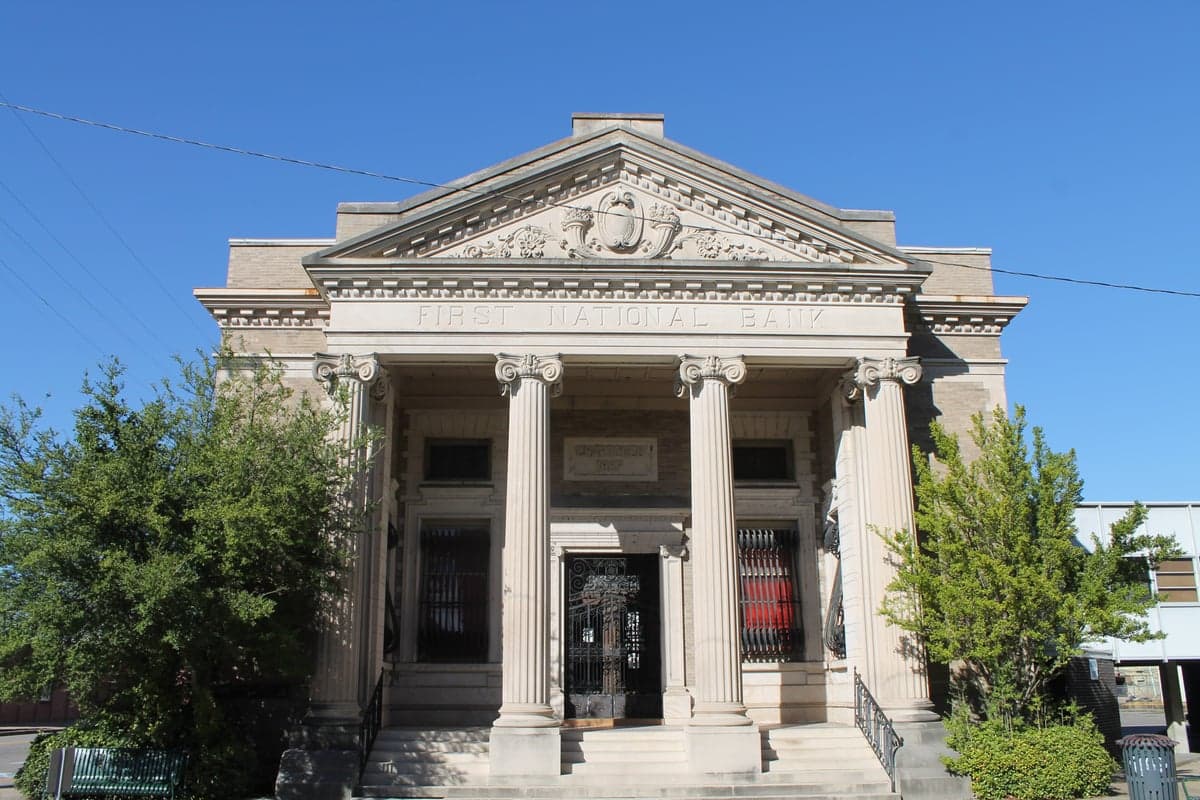
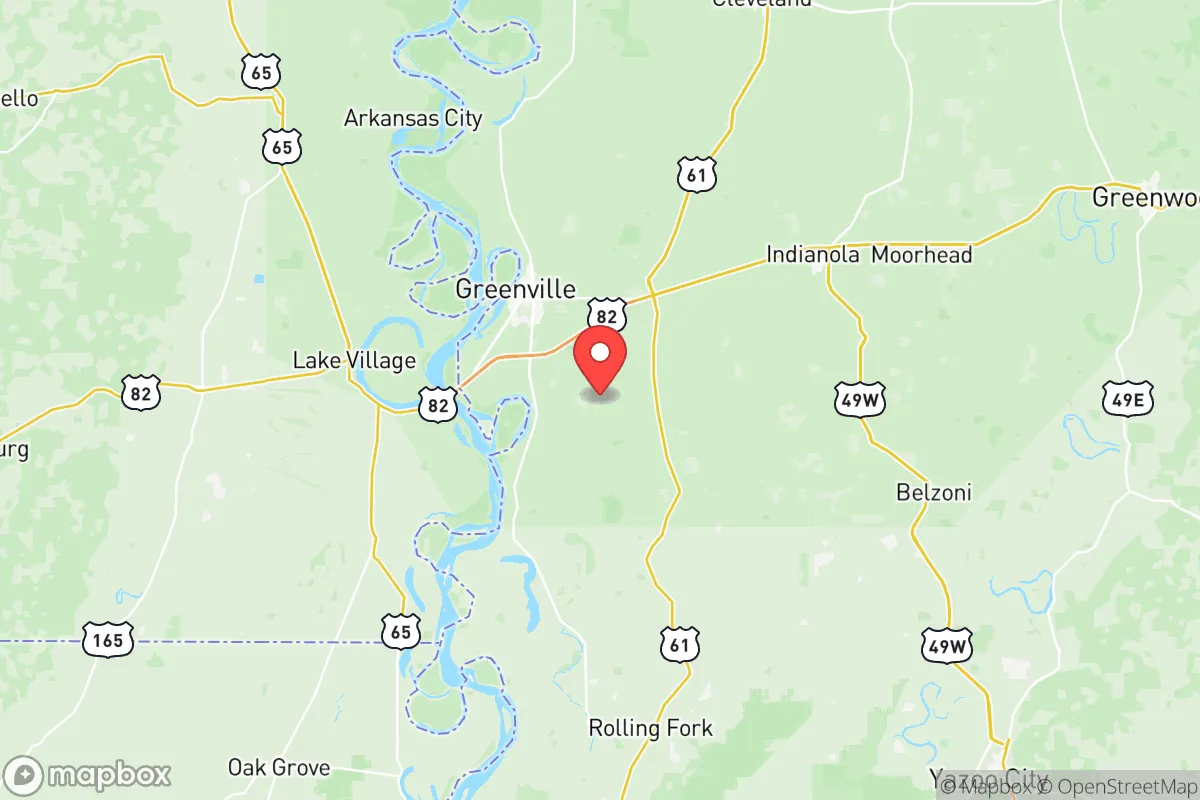
Photo: Wikipedia
Find The Best Places To Live in Washington County
PRO TIP! You can paste a Zillow or Redfin link to get info on that property.
Best Places to Live in Washington County
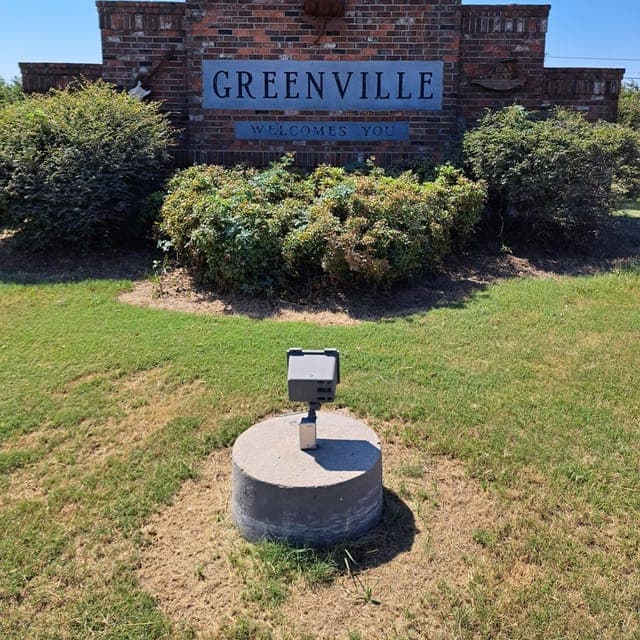
Cities & Towns in Washington County
Cities in Washington County
What It's Like Living in Washington County, MS
Living in Washington County, Mississippi, feels a bit like stepping back to a slower, more deliberate pace of life, centered on the Mississippi River and the historic cities of Greenville and Leland. It’s a place where front-porch conversations still happen, high school football on Friday nights is a major social event, and the cost of living is genuinely low—think a median home value around $99,300 and a cost-of-living index of 55, less than half the national average. But this affordability comes with trade-offs: a shrinking job base, a median household income hovering around $40,117, and a very rural character that means you’ll drive for most things.
The Daily Rhythm: River Town Life in the Delta
For most people here, daily life revolves around a small circle of familiar places. If you live in Greenville, the county seat and largest city, your morning might start with coffee at The Warehouse Cafe or a quick breakfast at a local diner like Doe’s Eat Place (famous for its tamales and steaks). The commute is a blessing—the average is just 19 minutes, so you’re rarely stuck in traffic, even crossing the bridge to Arkansas for work or shopping. Errands usually mean a trip to the local Walmart or Piggly Wiggly, with weekend grocery runs to Greenville’s Main Street for produce. People here tend to be practical and self-reliant; you see a lot of trucks, boats, and gardening in backyards. The type of person who fits in is often someone who values peace and quiet over nightlife, who doesn’t mind a 30-minute drive to a chain restaurant, and who either has deep family roots here or is looking for a very affordable place to buy land or a home outright.
Sports, Community & What People Actually Do
High school sports are the heartbeat of local identity. Greenville High School and Leland High School football games on Friday nights draw crowds that rival small college games in enthusiasm. The annual Greenville Christmas Parade and the Leland Crawfish Festival are big community anchors. For outdoor life, the Mississippi River is the main draw—fishing, boating, and duck hunting are practically religions here. Lake Ferguson, right in Greenville, offers fishing and a walking trail. But if you’re looking for a mall, a movie theater chain, or a live music venue beyond a local bar, you’ll drive an hour to Greenwood or two hours to Jackson. The Delta Arts Project in Greenville and the Highway 61 Blues Museum in Leland (the self-proclaimed birthplace of bluesman Johnny Winter) give a taste of the area’s musical heritage, but it’s not a nonstop festival scene.
What Locals Love and What Frustrates Them
The pros are concrete and real. Owning a home is achievable on a modest salary—a median price of under $100,000 means a mortgage often costs less than rent in other states. The violent crime rate of 178.8 per 100,000 is lower than the national average, and most people feel safe in their neighborhoods, though property crime can be an issue in certain pockets of Greenville. The sense of community is strong; if you need help, your neighbor will show up. The cons are equally honest. The economy is fragile: agriculture (cotton, soybeans, catfish) and a few manufacturing plants (like the Greenville Steel Mill and Baxter Healthcare) provide most jobs, but unemployment spiked during downturns, and many college graduates leave for Jackson or Memphis. Only about 20.5% of adults have a bachelor’s degree, which shapes the job market. Weather-wise, summers are brutally hot and humid—think 95°F with 90% humidity from June through September—and spring brings frequent tornado threats. In rural parts like Arcola or Glen Allan, you can drive 20 minutes without seeing another car, let alone a grocery store.
Cultural Quirks and Practical Realities for Newcomers
One thing that strikes newcomers is how old-school social life is. Church is central—you’ll find Baptist, Methodist, and Pentecostal churches on every other corner, and many social events revolve around church suppers or revivals. The median age of 38.3 suggests a stable, slightly older population, but families with school-aged kids will find tight-knit communities in Greenville and Leland, where the school system is often the social hub. That said, public schools in the county have struggled with funding and test scores, so private or parochial options (like St. Joseph’s Catholic School in Greenville) are common for those who can afford them. Another quirk: the area’s diet is heavy on fried catfish, tamales, and Southern-style vegetables—you’ll find Doe’s Eat Place and The Crown Restaurant are institutions, not just eateries. Traffic is essentially a non-issue—you’ll rarely hit a red light that lasts more than a cycle. For someone looking for a low-cost, low-stress retreat with deep roots in blues and river culture, Washington County offers a real, unfiltered slice of the Delta. But if you crave diversity in jobs, restaurants, or entertainment, you’ll feel the limits of a county of 43,674 people quickly.

* Values derived from national, state, county, city and local statistics and may differ in a specific area. Last updated: 2026-07-02T02:32:50.000Z
Narrative content on this page is AI-generated and may contain mistakes. Verify any details that matter before acting on them.
ReloMaps may earn a commission from affiliate links at no extra cost to you.

