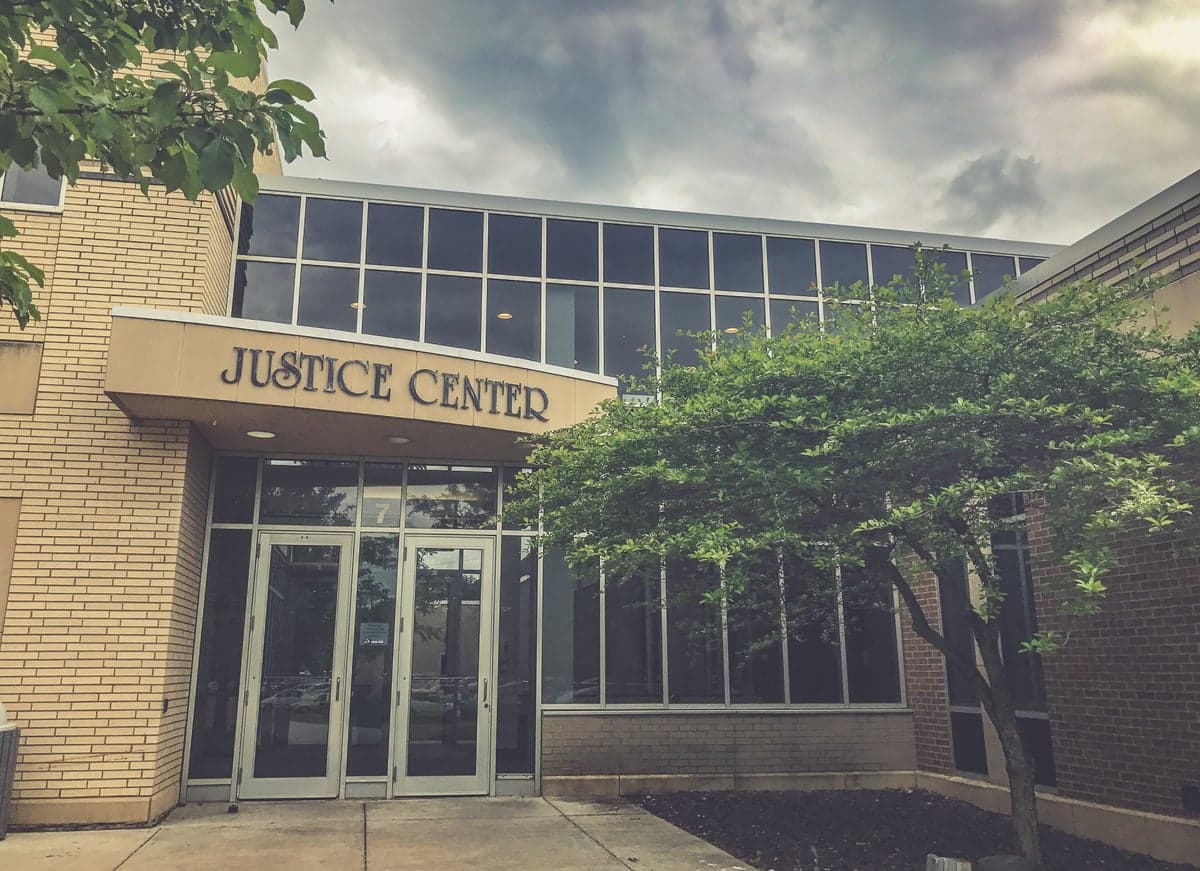
Photo: Wikipedia
Quality of Life in Carver County
A livable area that tracks near national norms for affordability, walkability, and neighborhood health.
What does Quality of Life tell us?
Quality of Life measures an area by evaluating factors like cost of living, nearby amenities, country club access, airport proximity, socioeconomic signals and neighborhood character. For large states, this is a general average — quality of life can vary dramatically between metro areas, suburbs, and rural communities within the same state.
What does this tell us?
Quality of Life measures an area by evaluating factors like cost of living, nearby amenities, country club access, airport proximity, socioeconomic signals and neighborhood character. For large states, this is a general average — quality of life can vary dramatically between metro areas, suburbs, and rural communities within the same state.
Cost of Living
35% above national average
101%
The Real Cost of Living in Carver County for 2026
| Tier | Individual | Family (4) |
|---|---|---|
| Survival | $23k | $43k |
| Comfortable | $83k | $122k |
| Luxury | $193k+ | $299k+ |
| Elite (Top 5%) | $227k+ | $352k+ |
Quality-of-Life Analysis
Carver County, Minnesota, offers a distinct quality-of-life spectrum that ranges from the walkable, amenity-rich core of its largest city, Chaska, to the quiet, agricultural landscapes of towns like Hamburg and New Germany. The county’s overall cost of living index sits at 135 (100 is the U.S. average), reflecting its position as one of the more affluent suburban counties in the Twin Cities metro area, yet the experience of living here varies dramatically depending on whether a resident chooses a bustling river town, a commuter-friendly suburb, or a rural farmstead. This diversity draws a mix of professionals seeking short commutes to Minneapolis, families prioritizing top-rated schools, and long-time residents who value the slower pace of the county’s western reaches.
Largest town(s) & population centers
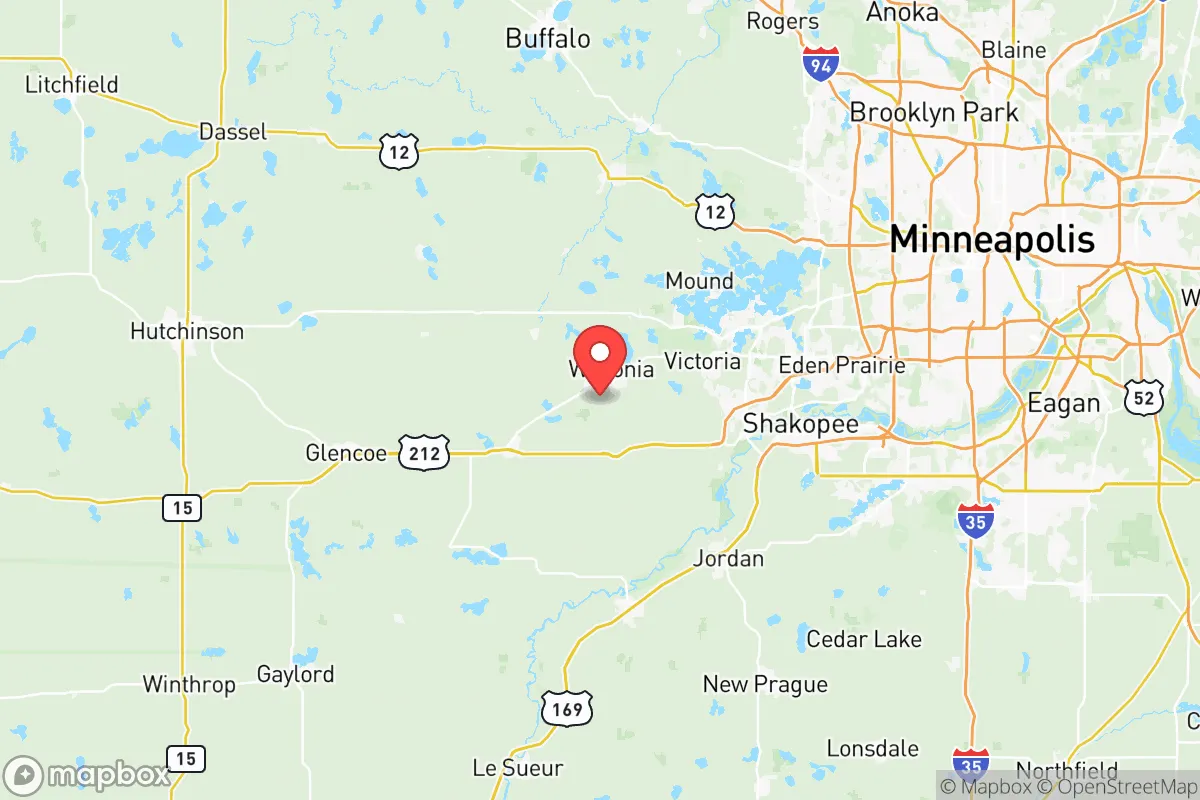
The county’s primary population centers are Chaska, Waconia, and Victoria, each offering a distinct flavor of suburban life. Chaska, the county seat, is the largest city and is anchored by the historic downtown along the Minnesota River, which features local restaurants, the Chaska Community Center, and the Chaska Curling Center. Daily life here is defined by a mix of established neighborhoods and newer developments, with the median home value of $426,900 reflecting the premium for proximity to the river and parks. Waconia, situated on the shores of Lake Waconia, is a hub for lake-oriented recreation and has a vibrant downtown square with seasonal events. Victoria, one of the fastest-growing cities in the state, is more residential and family-focused, with a strong emphasis on its school system and newer housing developments. The average commute across the county is roughly 26 minutes, which is manageable for those working in the southwest metro or downtown Minneapolis via Highway 212 or Highway 5.
Smaller towns & rural pockets
Moving west and south from the population centers, the county’s character shifts markedly. Hamburg and New Germany are small, unassuming communities where the population hovers around 500 to 600 residents, and daily life revolves around local churches, volunteer fire departments, and agricultural work. Mayer and Norwood Young America (often referred to as NYA) are slightly larger but still retain a small-town feel, with grain elevators and main streets that see little traffic. The rural pockets between these towns consist of working farms, hobby farms, and acreages, where residents trade the convenience of city services for space and privacy. These areas are not merely "the countryside" but are specific, named communities with their own identities, such as the unincorporated area of San Francisco (a small crossroads, not the California city) and the farming district around Benton Township.
Cost & lifestyle range
The cost of living and lifestyle options in Carver County span a wide range, directly tied to location. At the high end, Victoria and the lakefront areas of Waconia command premium prices, with homes frequently exceeding the county median of $426,900 and some lake properties reaching well over $700,000. These areas offer high-end amenities, including private boat access, golf courses, and newer commercial developments. At the more affordable end, Hamburg and New Germany offer median home values closer to $300,000, and the median rent of $1,444 is easier to achieve in these smaller towns, though rental inventory is scarce. The trade-off is clear: residents in the eastern towns enjoy walkable downtowns, diverse dining, and shorter commutes, while those in the western towns accept a longer drive to grocery stores and schools in exchange for lower property taxes and larger lots. The county’s overall COL index of 135 is driven primarily by housing costs in the eastern half, while the western half remains closer to the national average.
Carver County is best suited for people who want access to the Twin Cities job market without living in a dense urban environment, but who also appreciate the option of a truly rural lifestyle. Families drawn to the county’s highly rated school districts, particularly in Chaska and Victoria, will find strong community infrastructure, while those seeking land, quiet, and a slower pace will find a home in the small towns and farmsteads of the county’s western townships. The county’s strength lies in its ability to offer both a polished suburban experience and an authentic agricultural one within a 30-minute drive.

Crime in Carver County
Generally safer than 62% of comparable U.S. locations.
Violent CrimeViolent Crime Analysis
Property CrimeProperty Crime Analysis
Crime Analysis
Carver County, Minnesota, is one of the safest large counties in the state, with violent and property crime rates that fall well below national averages. Located on the southwestern edge of the Twin Cities metro, the county recorded a violent crime rate of 224.9 per 100,000 residents and a property crime rate of 1,424.3 per 100,000 in the most recent reporting period. While no community is crime-free, Carver County’s overall safety profile is strong, though residents in certain towns and unincorporated areas should be aware of localized risks and the broader regional trends affecting public safety.
Crime in context
Carver County’s violent crime rate of 224.9 per 100,000 is roughly 36% lower than the national average of approximately 350 per 100,000. Property crime in the county, at 1,424.3 per 100,000, is also significantly below the national figure of about 2,100 per 100,000. Compared to the state of Minnesota, which has a violent crime rate near 280 per 100,000, Carver County is safer by a notable margin. However, the county is not immune to the broader trends affecting the Twin Cities metro area. Neighboring Hennepin County, which includes Minneapolis, has a violent crime rate roughly double that of Carver County, and the proximity to a major urban center means that some property crime — particularly vehicle theft and burglary — can spill over into Carver County communities. The county’s law enforcement agencies, including the Carver County Sheriff’s Office and police departments in Chaska, Waconia, and Chanhassen, work collaboratively to address these cross-jurisdictional issues.
What residents experience
For most residents, daily life in Carver County feels very safe. The most common crimes are property-related: theft from vehicles, burglary, and occasional vandalism. Violent crime is rare and tends to be concentrated in specific circumstances rather than random. The cities of Chaska (the county seat) and Waconia see slightly higher property crime rates than smaller towns like Norwood Young America or Mayer, largely due to their larger populations and more commercial activity. Carver County is part of Minnesota’s First Judicial District, which covers a largely suburban and rural area. The district attorney’s office in Carver County has historically taken a more conservative approach to prosecution compared to the progressive policies seen in Hennepin and Ramsey counties. This means that offenders in Carver County are more likely to face charges and serve time, which contributes to the county’s lower recidivism and crime rates. Residents concerned about the broader trend of progressive prosecutors in the Twin Cities metro can take some comfort in Carver County’s judicial philosophy, which prioritizes public safety and accountability.
Neighborhood-level variation
Within Carver County, safety varies by location and housing density. The most affluent areas, such as Victoria and parts of Chanhassen, consistently report the lowest crime rates, with violent crime nearly nonexistent. These communities benefit from strong neighborhood watch programs and well-funded police departments. In contrast, the more rural and agricultural areas around Hamburg and New Germany see very low crime overall but can experience occasional agricultural theft and trespassing. The city of Carver itself, a small historic river town, has a crime profile similar to other small towns in the county: low violent crime but some property crime tied to seasonal tourism and river access. Overall, Carver County offers a safe environment, especially for families and retirees, with the caveat that residents should still practice standard precautions like locking vehicles and securing outbuildings, particularly in areas closer to the metro fringe.
* Values derived from national, state, county, city and local statistics and may differ in a specific area. Last updated: 2026-07-07T16:25:40.000Z
Narrative content on this page is AI-generated and may contain mistakes. Verify any details that matter before acting on them.
ReloMaps may earn a commission from affiliate links at no extra cost to you.

