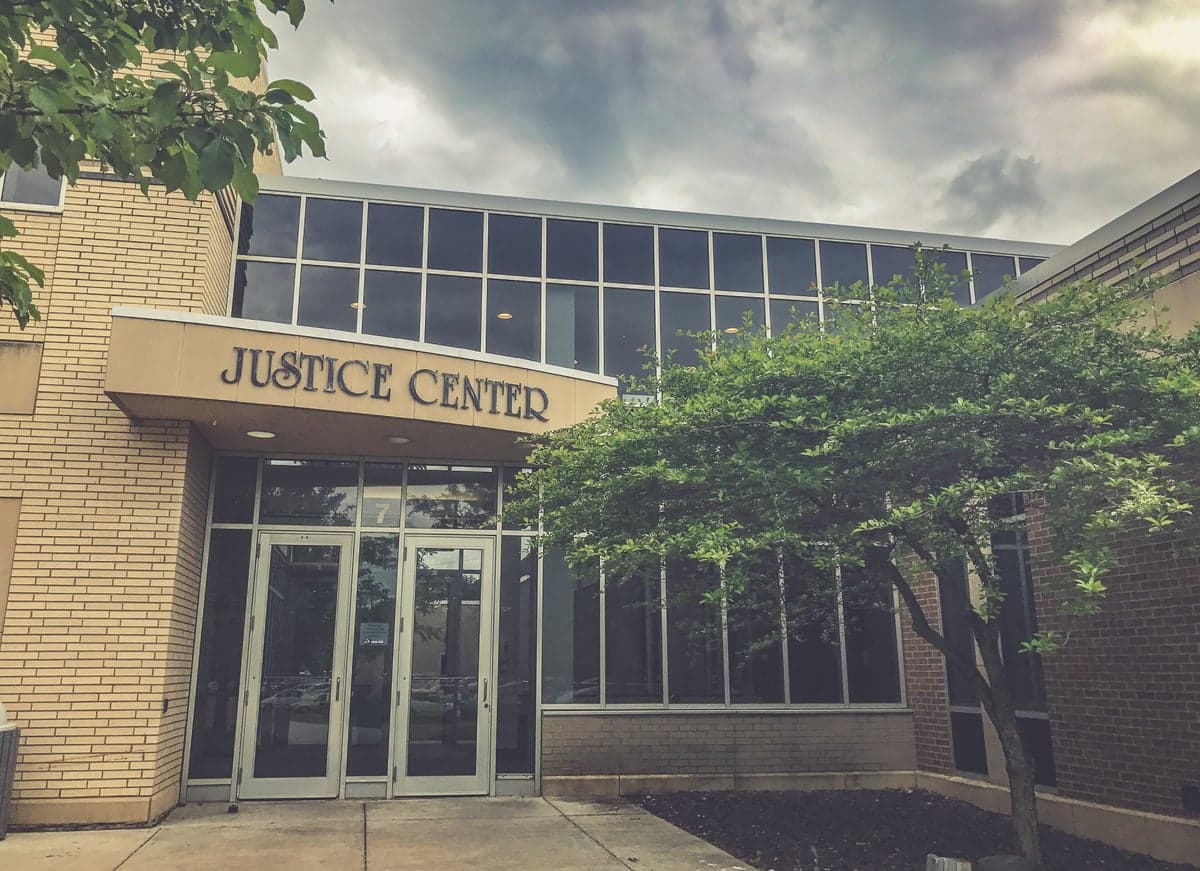
Photo: Wikipedia
Personal Sovereignty in Carver County
Viable for self-reliance. Generally workable, though some barriers may limit total independence.
What does Personal Sovereignty tell us?
Personal Sovereignty measures your capacity for self-reliance and independence with minimal government friction. Higher scores mean fewer barriers between you and the way you want to live... but it assumes you have the space you need and good neighbors.
What does this tell us?
Personal Sovereignty measures your capacity for self-reliance and independence with minimal government friction. Higher scores mean fewer barriers between you and the way you want to live... but it assumes you have the space you need and good neighbors.
State Policy
Energy independence: Importer (20% of energy produced in-state)
Personal Liberty
Homesteading

Personal Liberty Analysis
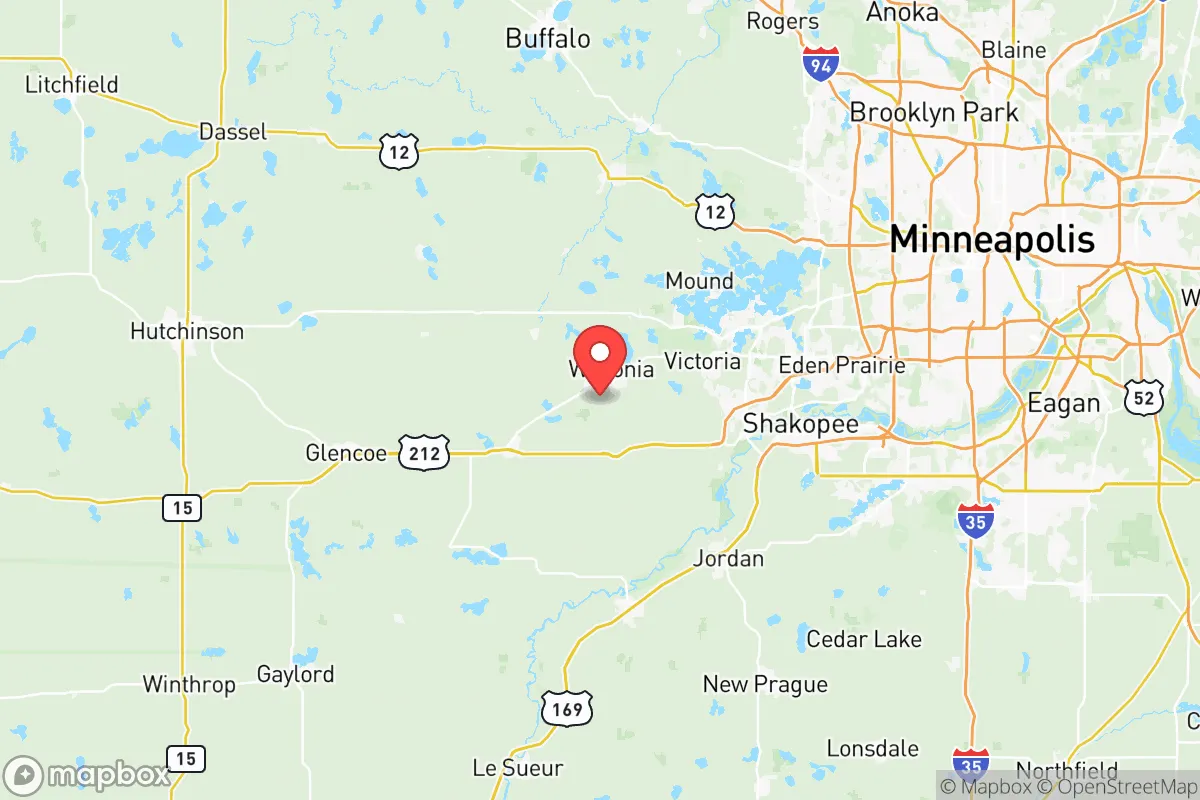
Carver County, Minnesota, offers a notably high degree of personal sovereignty relative to the Twin Cities metro area, blending a fiscally conservative tax posture with a regulatory environment that generally favors individual discretion. While not as libertarian-leaning as some rural outstate counties, Carver County’s combination of low property tax rates, a permissive approach to self-defense, and zoning that accommodates modest self-reliance makes it a compelling option for families and individuals who prioritize autonomy. The county’s political character, anchored by communities like Chanhassen, Chaska, and Waconia, leans center-right, with a practical, business-friendly ethos that translates into lighter-touch governance than what one finds in Hennepin or Ramsey counties.
Tax burden and regulatory posture: How Carver County compares to the metro
Carver County maintains one of the lowest property tax rates in the seven-county metro area, a direct result of its conservative fiscal management and slower growth in government spending. The county’s total tax rate per $100,000 of market value is consistently below the metro average, with Waconia and Norwood Young America offering particularly favorable rates for homeowners. There is no local sales tax surcharge in Carver County, unlike Hennepin and Ramsey counties, which add 0.5% to 1% on top of the state’s 6.875% rate. The regulatory posture is pragmatic: the county enforces standard building codes and septic requirements but does not impose the kind of overlay zoning, tree preservation ordinances, or stormwater management mandates common in more urbanized counties. For a homeowner looking to add a workshop, install solar panels, or keep a few chickens, Carver County’s permitting process is straightforward and fast, especially outside the city limits of Chanhassen and Victoria, where HOA restrictions can be more stringent than county rules.
Self-defense and gun law specifics: What residents can expect
Minnesota is a shall-issue state for concealed carry permits, and Carver County’s sheriff’s office processes applications efficiently, typically within the statutory 30-day window. The county has no local ordinances restricting firearm possession beyond state law, meaning no waiting periods, no magazine capacity bans, and no restrictions on carrying in county parks or public buildings that are not explicitly prohibited by statute. Waconia and Norwood Young America have particularly strong gun-friendly cultures, with multiple local gun shops, indoor ranges, and a visible presence of permit holders. The county’s law enforcement is generally supportive of Second Amendment rights; there are no reports of aggressive enforcement of "no guns" signage or overreach in permit revocation. For those interested in recreational shooting, Carver County has several public and private ranges, and the state’s preemption law prevents cities like Chaska or Chanhassen from enacting their own restrictions. The practical takeaway: Carver County is one of the most firearm-friendly jurisdictions in the Twin Cities metro, comparable to Wright or Sherburne counties in its permissiveness.
Self-reliance and homesteading viability: Lot sizes, zoning, and off-grid feasibility
Carver County’s zoning code is a mixed bag for serious homesteaders, but it offers more flexibility than any county directly adjacent to Minneapolis. The Agricultural (A) and Rural Residential (RR) districts allow for a wide range of self-reliance activities: keeping horses, cattle, goats, and poultry is permitted by right on parcels of 10 acres or more, and smaller lots in the RR district can typically accommodate a garden, a small orchard, and a few chickens without a conditional use permit. Hamburg and New Germany, in the western part of the county, are the most homestead-friendly areas, with larger parcel sizes (often 5-40 acres), minimal HOA presence, and a culture of self-sufficiency. Off-grid feasibility is limited by state building codes that require a permanent heat source and a septic system for any habitable dwelling, but solar panels are permitted without special county approval, and rainwater collection for irrigation is allowed. The county does not ban composting toilets or graywater systems outright, though they require a variance. For a family wanting to raise much of their own food, keep a few animals, and reduce reliance on municipal utilities, the western townships — Benton, Dahlgren, and Young America — offer the best combination of affordable land, permissive zoning, and a like-minded community.
Personal liberties: Parental rights, medical autonomy, speech, and property
Carver County’s school boards, particularly in Waconia and Norwood Young America, have been responsive to parental rights concerns, with transparent curriculum policies and active parent advisory committees. The county does not have any local health mandates that exceed state requirements, and during the 2020-2022 period, Carver County was one of the few metro counties where the sheriff publicly stated he would not enforce emergency orders he deemed unconstitutional. Medical autonomy is largely a matter of state law, but the county’s health department takes a hands-off approach, focusing on education rather than enforcement. Free speech is robustly protected; there are no local noise ordinances that would prevent peaceful assembly or expressive activity beyond standard decibel limits. Property rights are well-respected: the county does not impose rent control, inclusionary zoning, or short-term rental bans outside of specific city ordinances in Chanhassen and Victoria. The county’s approach to code enforcement is complaint-driven rather than proactive, meaning that as long as a property is not creating a nuisance, the county generally leaves owners alone.
Overall, Carver County ranks among the top three metro-area counties for personal sovereignty, trailing only Wright and Sherburne in its combination of low taxes, gun-friendly culture, and homesteading flexibility. For a family or individual who wants to live within commuting distance of Minneapolis or the southwest metro job centers while retaining a high degree of autonomy over their property, finances, and lifestyle, Carver County is a strong practical choice. The key trade-off is that the eastern cities — Chanhassen, Chaska, and Victoria — have more restrictive HOAs and smaller lots, while the western townships offer the genuine self-reliance environment that many freedom-oriented residents seek.

* Values derived from national, state, county, city and local statistics and may differ in a specific area. Last updated: 2026-07-07T16:25:40.000Z
Narrative content on this page is AI-generated and may contain mistakes. Verify any details that matter before acting on them.
ReloMaps may earn a commission from affiliate links at no extra cost to you.

