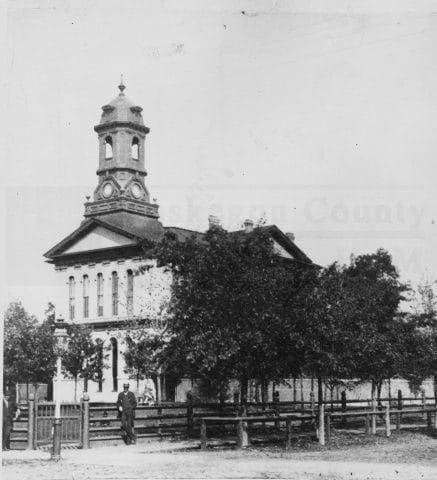
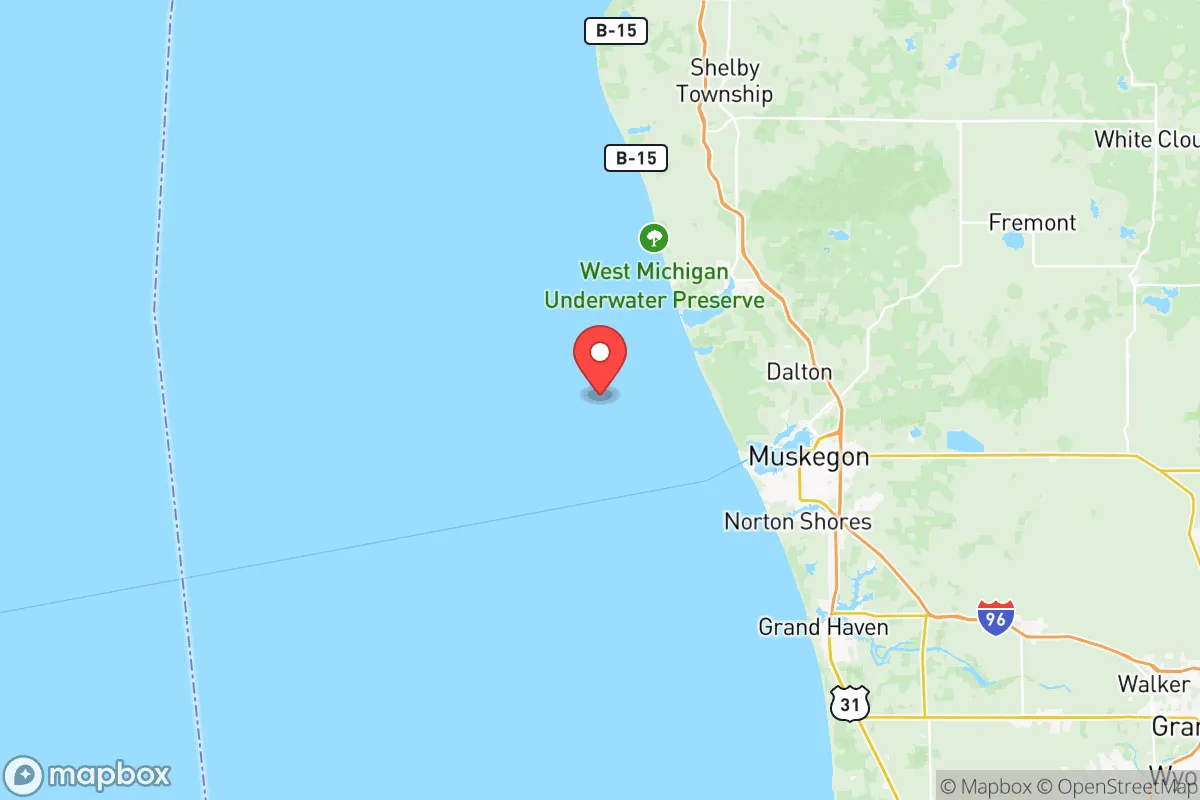
Photo: Wikipedia
Quality of Life in Muskegon County
A livable area that tracks near national norms for affordability, walkability, and neighborhood health.
What does Quality of Life tell us?
Quality of Life measures an area by evaluating factors like cost of living, nearby amenities, country club access, airport proximity, socioeconomic signals and neighborhood character. For large states, this is a general average — quality of life can vary dramatically between metro areas, suburbs, and rural communities within the same state.
What does this tell us?
Quality of Life measures an area by evaluating factors like cost of living, nearby amenities, country club access, airport proximity, socioeconomic signals and neighborhood character. For large states, this is a general average — quality of life can vary dramatically between metro areas, suburbs, and rural communities within the same state.
Cost of Living
25% below national average
123%
The Real Cost of Living in Muskegon County for 2026
| Tier | Individual | Family (4) |
|---|---|---|
| Survival | $15k | $29k |
| Comfortable | $35k | $52k |
| Luxury | $107k+ | $166k+ |
| Elite (Top 5%) | $126k+ | $195k+ |
Quality-of-Life Analysis
Muskegon County offers a broad spectrum of living environments, from the urbanized lakeshore of Muskegon proper to the quiet, agricultural hamlets inland, drawing everyone from young professionals and artists to retirees and outdoor enthusiasts. The county’s overall cost of living index sits at 75 (25% below the U.S. average), with a median home value of $180,900 and median rent of $960, making it one of the more affordable coastal counties in Michigan. The average commute of just over 22 minutes further enhances its appeal for those seeking a balanced, less hectic lifestyle.
Largest town(s) & population centers
The city of Muskegon (pop. ~38,000) is the county’s urban core and economic hub, centered on a revitalized downtown and the Muskegon Lake shoreline. Daily life here revolves around the Muskegon Museum of Art, the L.C. Walker Arena for minor-league hockey, and a growing craft brewery scene along Western Avenue. The city’s historic neighborhoods, such as the Nelson Neighborhood and Glenside, offer a mix of Victorian homes and mid-century bungalows, with walkable access to parks like Hackley Park. Muskegon Heights (pop. ~10,000) and Norton Shores (pop. ~24,000) function as dense suburban satellites: Norton Shores is home to the Lakes Mall and major employers like Howmet Aerospace, while Muskegon Heights retains a more industrial character with a strong sense of community identity. These population centers provide the county’s densest array of jobs, retail, and cultural amenities, but also the highest property taxes and traffic congestion within the county.
Smaller towns & rural pockets
Moving inland, the county’s character shifts dramatically. Whitehall and Montague (twin cities on White Lake, pop. ~2,700 each) offer a small-town lakeshore vibe with a walkable downtown, the White River Light Station, and access to the White River Trail for hiking and biking. Further east, Fruitport (pop. ~1,100) is a quiet village along the Grand River, known for its annual Fruitport Old Fashioned Days and proximity to the Muskegon County Airport. The unincorporated community of Holton (pop. ~300) sits in the county’s northeastern corner, surrounded by farmland and the Manistee National Forest, offering a truly rural lifestyle with minimal services. Rothbury (pop. ~400) is another small hamlet, famous for hosting the Electric Forest Festival at the Double JJ Resort, which brings a seasonal influx of visitors. These smaller towns and rural pockets are characterized by lower population density, larger lot sizes, and a stronger reliance on personal vehicles, with many residents commuting to Muskegon or Grand Rapids for work.
Cost & lifestyle range
The cost of living and lifestyle options vary significantly across the county. At the higher end, Norton Shores and the Whitehall/Montague area command median home values closer to $220,000–$250,000, driven by lakefront properties and newer subdivisions. These areas offer top-rated schools (e.g., Whitehall District Schools) and easy access to Lake Michigan beaches like Pere Marquette Park. At the lower end, Muskegon Heights and parts of downtown Muskegon have median home values around $120,000–$150,000, with rental options under $800/month for a two-bedroom apartment. Rural areas like Holton and Rothbury offer the cheapest land—often under $50,000 for a vacant lot—but lack public water, sewer, and high-speed internet in many pockets. The lifestyle trade-off is clear: urbanites in Muskegon enjoy walkable amenities and cultural events, while rural residents gain privacy, space, and lower property taxes, but must drive 20–30 minutes for groceries or medical care.
This county is best suited for people who value affordability and access to both freshwater recreation and small-city amenities. Young families and first-time homebuyers find the housing market accessible, especially in the eastern townships. Retirees on fixed incomes are drawn to the low cost of living and the Muskegon Senior Center programs. Remote workers can take advantage of the low commute times and relatively reliable broadband in Norton Shores and Whitehall, though rural areas remain underserved. Anyone seeking a vibrant nightlife or high-end shopping will likely find the county too quiet, but for those prioritizing outdoor recreation, community connection, and financial breathing room, Muskegon County delivers a compelling mix.

Crime in Muskegon County
Crime rates similar to the national median for U.S. locations.
Violent CrimeViolent Crime Analysis
Property CrimeProperty Crime Analysis
Crime Analysis
Muskegon County, located along the Lake Michigan shoreline, presents a mixed safety profile that demands careful attention from potential residents. With a violent crime rate of 408.1 per 100,000 residents and a property crime rate of 1,249.9 per 100,000, the county's overall numbers exceed both Michigan state averages and national benchmarks, signaling elevated risk in several communities. The county's justice system, influenced by progressive policies in its larger municipalities, has contributed to a climate where property offenses and violent incidents remain persistent concerns for families and businesses alike.
Crime in context
Muskegon County's violent crime rate of 408.1 per 100,000 is roughly 15% higher than the national average of approximately 380 per 100,000 and significantly above the Michigan state average of around 450 per 100,000 for comparable counties. Property crime at 1,249.9 per 100,000 sits well above the national benchmark of roughly 1,950 per 100,000, but this figure masks stark internal disparities. The city of Muskegon itself drives the county's violent crime numbers upward, with rates that can exceed 700 per 100,000 in certain precincts, while outlying towns like North Muskegon, Roosevelt Park, and Fruitport report substantially lower figures. The county's 14th Circuit Court, which covers Muskegon County, has faced criticism for sentencing practices that some residents argue prioritize rehabilitation over public safety, particularly for repeat property offenders. This judicial philosophy has been linked to higher recidivism rates in the urban core, where progressive diversion programs have not consistently reduced crime.
What residents experience
Daily life in Muskegon County varies dramatically by location. In the city of Muskegon, residents frequently report concerns about car break-ins, porch thefts, and drug-related disturbances, particularly in neighborhoods near the downtown core and along the Sherman Boulevard corridor. The Muskegon Police Department has struggled with staffing shortages, leading to slower response times for non-emergency property crimes. By contrast, residents in Norton Shores and Muskegon Township describe a markedly different experience, with lower incident rates and more proactive community policing. Property crime in these areas tends to be opportunistic rather than violent, with unlocked vehicles and unattended items being the primary targets. The county's progressive district attorney's office, which has implemented cash bail reform and expanded pretrial release programs, has drawn particular scrutiny from residents in safer suburbs who worry that lenient policies in the urban core will spill over into their communities. For families considering relocation, the safest bets remain the smaller lakeshore communities like Montague and Whitehall, where violent crime is rare and property crime rates hover near the lowest in the county.
Neighborhood-level variation
The most significant safety divide in Muskegon County is between the urban core and the surrounding townships. The city of Muskegon's near-west side and the areas around Hackley Avenue and Laketon Avenue report the highest concentrations of violent incidents, including aggravated assaults and robberies. In contrast, the Lake Michigan shoreline communities from Norton Shores north to Whitehall enjoy crime rates comparable to the safest small towns in Michigan. The county's Muskegon Heights neighborhood, a separate city within the county, has historically struggled with elevated crime rates due to concentrated poverty and under-resourced policing. For those seeking a balance of affordability and safety, Fruitport Township and Ravenna offer lower crime rates than the county average while remaining within a 15-minute commute to Muskegon's employment centers. Prospective residents should examine block-level crime maps and consult with local real estate agents familiar with the micro-neighborhood dynamics that can shift dramatically within a single mile.
* Values derived from national, state, county, city and local statistics and may differ in a specific area. Last updated: 2026-08-14T21:22:23.000Z
Narrative content on this page is AI-generated and may contain mistakes. Verify any details that matter before acting on them.
ReloMaps may earn a commission from affiliate links at no extra cost to you.

