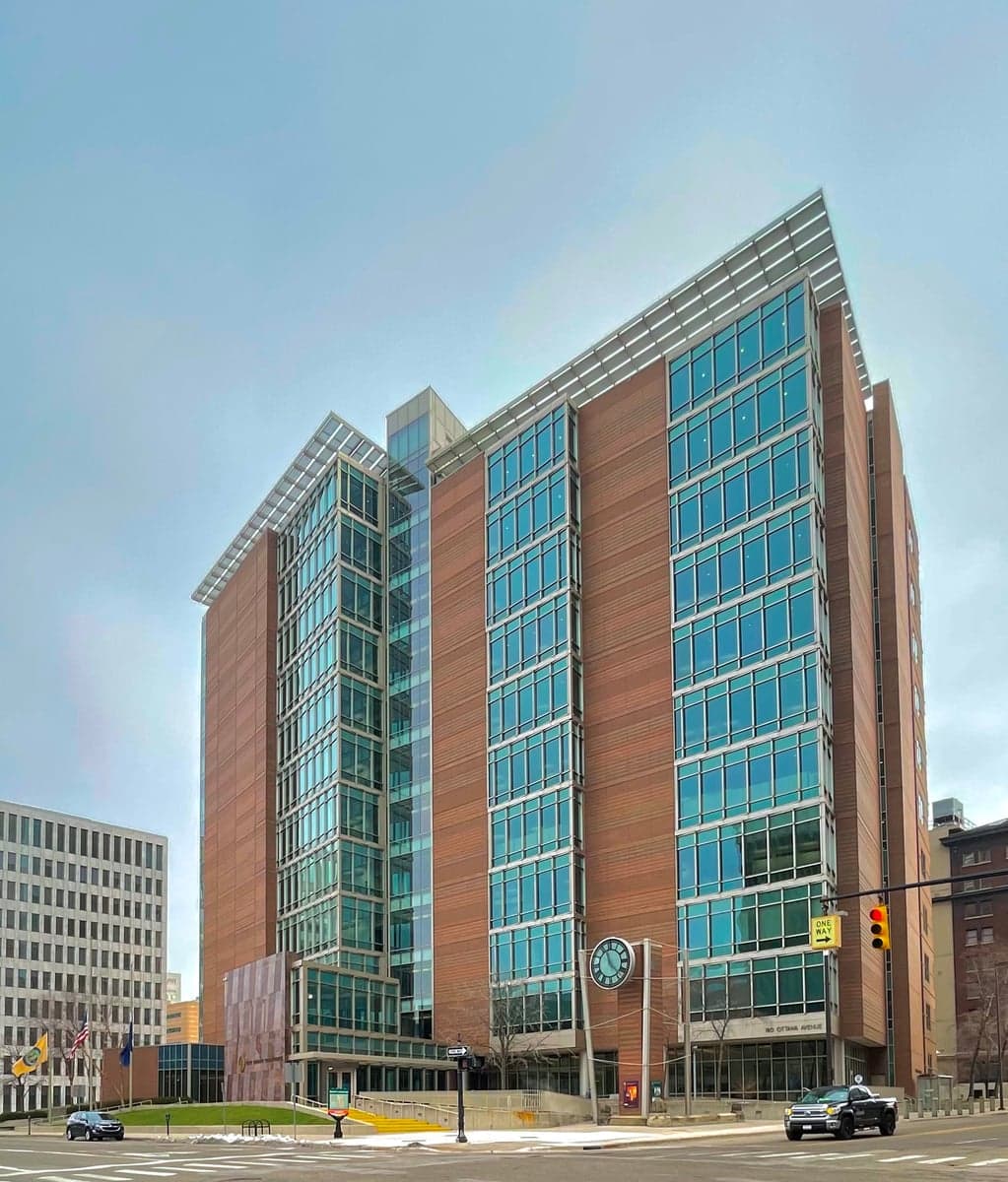
Photo: Wikipedia
Quality of Life in Kent County
A livable area that tracks near national norms for affordability, walkability, and neighborhood health.
What does Quality of Life tell us?
Quality of Life measures an area by evaluating factors like cost of living, nearby amenities, country club access, airport proximity, socioeconomic signals and neighborhood character. For large states, this is a general average — quality of life can vary dramatically between metro areas, suburbs, and rural communities within the same state.
What does this tell us?
Quality of Life measures an area by evaluating factors like cost of living, nearby amenities, country club access, airport proximity, socioeconomic signals and neighborhood character. For large states, this is a general average — quality of life can vary dramatically between metro areas, suburbs, and rural communities within the same state.
Cost of Living
2% below national average
106%
The Real Cost of Living in Kent County for 2026
| Tier | Individual | Family (4) |
|---|---|---|
| Survival | $19k | $35k |
| Comfortable | $52k | $76k |
| Luxury | $141k+ | $219k+ |
| Elite (Top 5%) | $166k+ | $258k+ |
Quality-of-Life Analysis
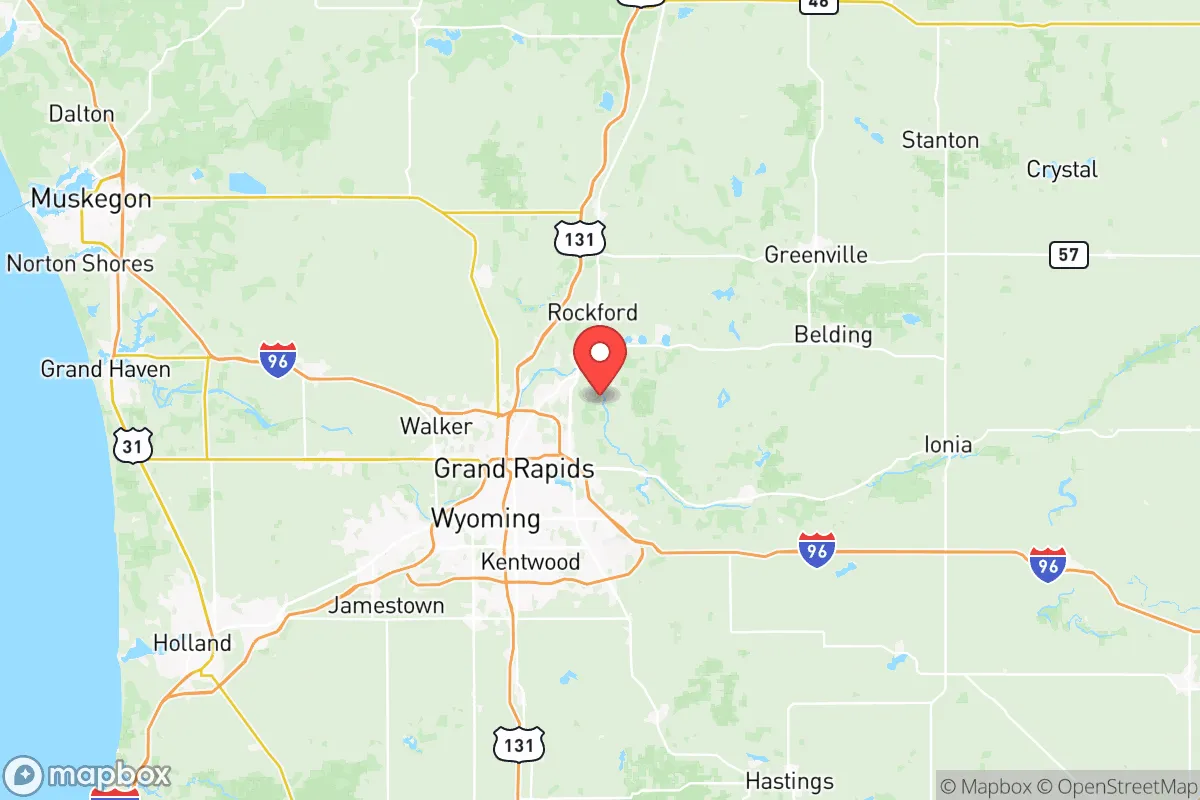
Kent County, Michigan offers a broad quality-of-life spectrum that spans from the urban energy of its largest city, Grand Rapids, to the quiet farmland of communities like Cedar Springs and Caledonia. This diversity attracts a wide range of residents: young professionals and creatives drawn to Grand Rapids' revitalized downtown, families seeking suburban school districts in towns like Rockford and East Grand Rapids, and rural homesteaders or commuters looking for lower land costs in the county's outer townships. The county's overall cost of living index sits at 98 (just below the U.S. average), with a median home value of $265,700 and median rent of $1,176, but these figures mask significant variation between the urban core and the outlying areas.
Largest town(s) & population centers
Grand Rapids is the county's anchor, home to roughly 200,000 residents and the economic engine of West Michigan. Daily life here centers on a walkable downtown with a nationally recognized craft beer scene, the Grand Rapids Art Museum, and a growing medical corridor anchored by Spectrum Health and Corewell Health. The city's neighborhoods range from the historic, tree-lined streets of Heritage Hill to the rapidly developing West Side near Bridge Street. The average commute in the county is a manageable 21 minutes, though trips from outer suburbs into Grand Rapids can stretch to 30-40 minutes during peak hours. Wyoming and Kentwood, the county's second and third largest cities, function as dense, family-oriented suburbs with large retail corridors (like 28th Street) and significant industrial employment bases. Daily life there is more car-dependent, with strip malls, chain restaurants, and access to parks like the 100-acre Lamar Park in Wyoming.
Smaller towns & rural pockets
Beyond the urbanized core, Kent County contains distinct small towns that each offer a different flavor of rural or small-town life. Rockford, situated along the Rogue River, is a historic mill town that has become an affluent bedroom community with a charming downtown, top-rated Rockford Public Schools, and access to the White Pine Trail. Cedar Springs, known as the "Red Flannel Town," retains a working-class agricultural character with a small downtown and annual Red Flannel Festival. Caledonia and Lowell are growing exurbs where new subdivisions sit alongside century farms; both have walkable downtowns with independent shops and restaurants. Unincorporated areas like Alpine Township and Plainfield Township offer a mix of suburban subdivisions and undeveloped land, with residents often commuting to Grand Rapids for work. The county's rural pockets, particularly in Grattan Township and Oakfield Township near the northern boundary, feature large-lot homes, equestrian properties, and agricultural operations.
Cost & lifestyle range
The cost of living varies sharply across Kent County. At the high end, East Grand Rapids and Forest Hills (an unincorporated area served by Forest Hills Public Schools) feature median home values well above the county average, often exceeding $400,000, with large historic homes and highly ranked schools. Rockford and Caledonia also command premiums for their school districts and downtowns. At the lower end, Grand Rapids' core neighborhoods (like Garfield Park or the West Side) offer median home values closer to $180,000–$220,000, with older housing stock and more rental options. The county's most affordable housing is found in rural townships like Sand Lake and Courtland Township, where land is cheaper but amenities are sparse. Renters see a similar spread: downtown Grand Rapids one-bedrooms average $1,300–$1,500, while comparable units in Wyoming or Kentwood run $1,000–$1,200. The lifestyle range is equally broad: urban residents walk to breweries and concerts, suburbanites rely on school sports and big-box shopping, and rural dwellers enjoy privacy, hunting land, and lower property taxes.
Kent County suits a wide variety of residents, but it is especially well-suited to those who value proximity to a mid-sized city without sacrificing access to nature. Young professionals and empty-nesters thrive in Grand Rapids' walkable districts, while families with school-age children gravitate toward the suburban and exurban towns with strong districts. Rural homesteaders and commuters willing to drive 30–40 minutes find affordable land in the county's northern and eastern townships. The county's balanced mix of urban, suburban, and rural options—combined with below-average costs and a short average commute—makes it one of Michigan's most versatile places to live.

Crime in Kent County
Crime rates similar to the national median for U.S. locations.
Violent CrimeViolent Crime Analysis
Property CrimeProperty Crime Analysis
Crime Analysis
Kent County, Michigan, reports a violent crime rate of 413 incidents per 100,000 residents and a property crime rate of 1,246.5 per 100,000, placing it above both the state and national averages for serious offenses. The county's overall safety picture is heavily shaped by its largest city, Grand Rapids, which accounts for a disproportionate share of violent incidents, while outlying communities like Rockford, Ada, and Caledonia experience significantly lower crime rates. Residents considering relocation should weigh these disparities carefully, as the county's progressive judicial policies in Grand Rapids have drawn criticism for contributing to recidivism and public safety concerns.
Crime in context
Kent County's violent crime rate of 413 per 100,000 is roughly 18% higher than the national average of 380 per 100,000 and significantly exceeds the Michigan state average of 460 per 100,000. Property crime in the county, at 1,246.5 per 100,000, also surpasses the national figure of 1,954 per 100,000 but remains below the Michigan average of 1,350 per 100,000. These figures mask stark internal variation: Grand Rapids alone accounts for over 60% of the county's violent crime, while suburban jurisdictions like Wyoming and Kentwood report rates closer to the national median. The disparity is driven in part by the Kent County Prosecutor's Office and Grand Rapids District Court, which have adopted progressive diversion programs and reduced cash bail policies. Critics argue these reforms, while intended to reduce incarceration, have led to repeat offenders cycling through the system more quickly, with property crime and carjackings rising in the downtown core since 2021.
What residents experience
Daily life in Kent County varies dramatically by location. In Grand Rapids' core neighborhoods—such as the Heartside District, Baxter, and Madison Square—residents report frequent encounters with panhandling, open drug use, and property theft from vehicles. The city's 2024 data showed a 12% increase in aggravated assaults and a 9% rise in motor vehicle theft, trends that local law enforcement attribute to a shortage of patrol officers and a court system that often releases suspects on personal recognizance. Conversely, residents in Rockford (population 6,000) enjoy a violent crime rate near zero, with the Rockford Department of Public Safety handling mostly minor theft and traffic incidents. Ada, home to the Amway corporate headquarters, reports property crime rates roughly one-third the county average, while Caledonia and Byron Center similarly benefit from proactive community policing and conservative judicial practices in the 63rd District Court. For families, the choice between a Grand Rapids address and a suburban one often comes down to tolerance for urban crime versus access to amenities.
Neighborhood-level variation is extreme and well-documented. The Grand Rapids Police Department's own crime maps show that the 49507 ZIP code (southeast Grand Rapids) has a violent crime rate exceeding 800 per 100,000, while the 49546 ZIP code (Cascade Township) sits below 150 per 100,000. East Grand Rapids, an independent city surrounded by Grand Rapids, maintains a dedicated police force and reports property crime rates comparable to the safest suburbs. The Kent County Sheriff's Office provides primary law enforcement for unincorporated areas and smaller townships, where response times are longer but serious crime is rare. Prospective residents should examine block-level data for their specific target neighborhood, as a single street can separate high-crime corridors from quiet residential blocks. The county's progressive approach to criminal justice—including the Kent County Community Corrections program and the 61st District Court's emphasis on treatment over incarceration—means that repeat property offenders often face minimal jail time, a factor that directly impacts quality of life in higher-density areas.
* Values derived from national, state, county, city and local statistics and may differ in a specific area. Last updated: 2026-05-16T04:01:29.000Z
Narrative content on this page is AI-generated and may contain mistakes. Verify any details that matter before acting on them.
ReloMaps may earn a commission from affiliate links at no extra cost to you.

