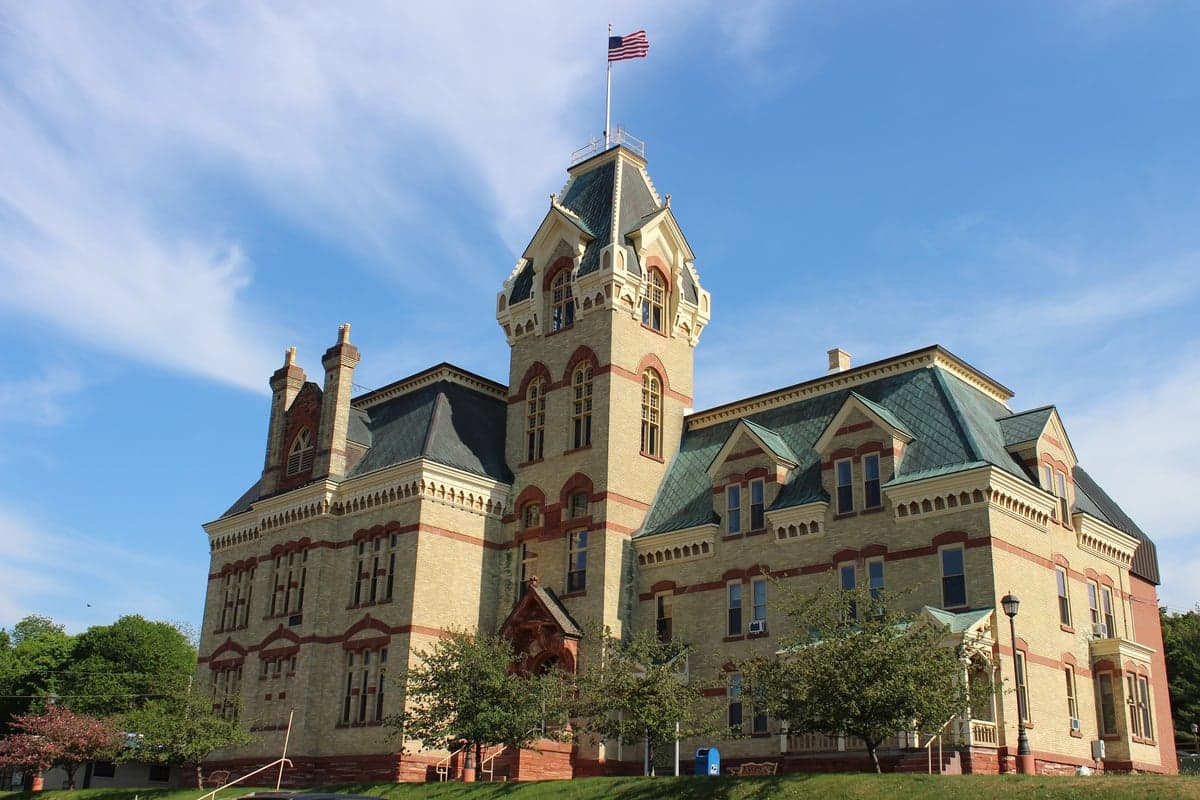
Photo: Wikipedia
Quality of Life in Houghton County
A livable area that tracks near national norms for affordability, walkability, and neighborhood health.
What does Quality of Life tell us?
Quality of Life measures an area by evaluating factors like cost of living, nearby amenities, country club access, airport proximity, socioeconomic signals and neighborhood character. For large states, this is a general average — quality of life can vary dramatically between metro areas, suburbs, and rural communities within the same state.
What does this tell us?
Quality of Life measures an area by evaluating factors like cost of living, nearby amenities, country club access, airport proximity, socioeconomic signals and neighborhood character. For large states, this is a general average — quality of life can vary dramatically between metro areas, suburbs, and rural communities within the same state.
Cost of Living
41% below national average
141%
The Real Cost of Living in Houghton County for 2026
| Tier | Individual | Family (4) |
|---|---|---|
| Survival | $12k | $23k |
| Comfortable | $27k | $40k |
| Luxury | $102k+ | $158k+ |
| Elite (Top 5%) | $126k+ | $196k+ |
Quality-of-Life Analysis
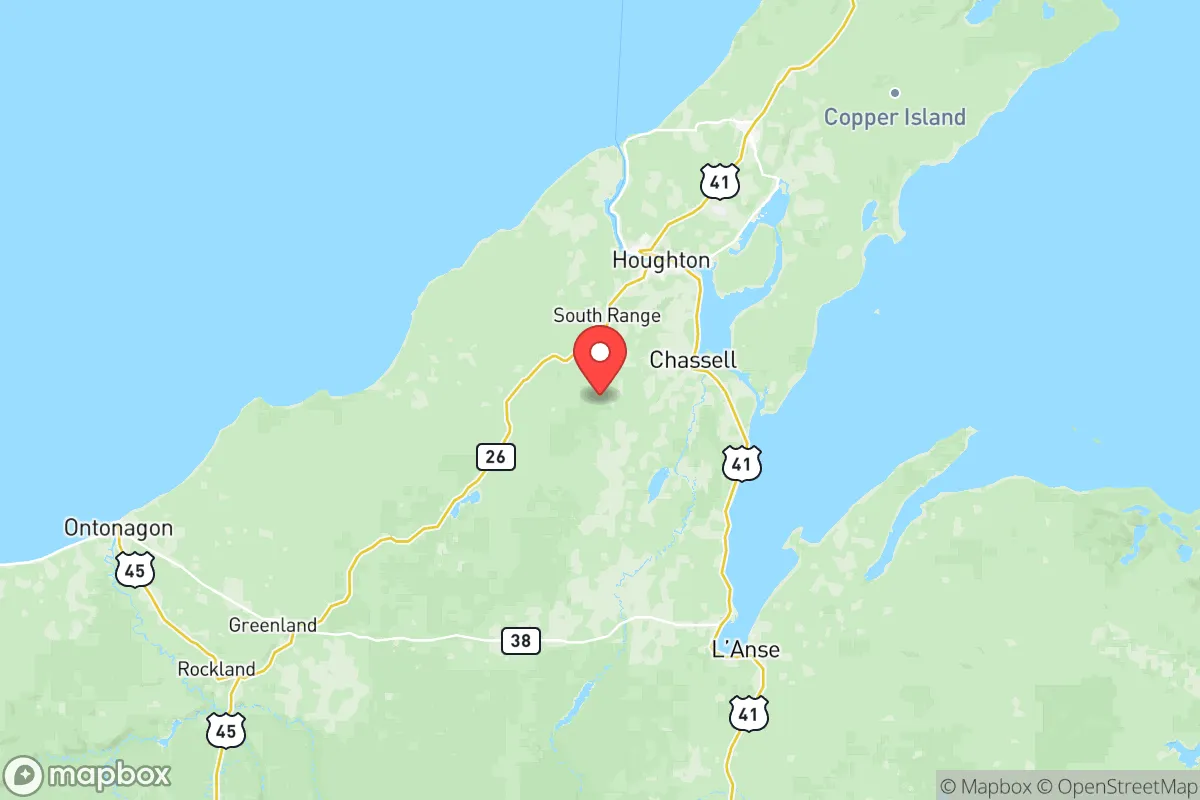
Houghton County, Michigan, offers a quality-of-life spectrum that ranges from the walkable, university-anchored streets of Houghton and Hancock to the remote, lakefront solitude of smaller communities like Chassell and Toivola. The county’s character is defined by its position on the Keweenaw Peninsula, where the built environment of the Copper Country meets dense forests and the shores of Portage Lake and Lake Superior. People drawn here typically fall into one of two camps: those seeking the intellectual and cultural energy of a college town, and those prioritizing low-cost, low-density living with direct access to outdoor recreation.
Largest town(s) & population centers
The county’s primary population centers are the twin cities of Houghton and Hancock, which face each other across the Portage Lake Canal. Houghton is home to Michigan Technological University, giving the city a distinctly younger, more transient feel with a steady flow of students and faculty. Daily life here revolves around the university campus, downtown shops and restaurants along Shelden Avenue, and seasonal events like the Bridgefest celebration. Hancock, perched on the hill to the north, has a quieter, more residential character with a historic downtown of its own and slightly lower housing costs. Together, these two cities form the commercial, educational, and medical hub of the county, with the only full-service hospital (UP Health System – Portage) and the region’s largest concentration of retail and dining. The average commute across the county is a notably short 15.9 minutes, meaning even residents of the more distant towns can reach Houghton or Hancock quickly.
Smaller towns & rural pockets
Outside the twin cities, the county is dotted with smaller communities that offer a markedly different pace of life. Chassell, located a few miles south of Houghton on the shore of Portage Lake, is a tight-knit village known for its annual Strawberry Festival and its working waterfront. South Range and Ripley are former mining towns that now serve as quiet, low-cost residential areas for people who work in Houghton but prefer a more secluded setting. Further north and west, unincorporated areas like Toivola and Tapiola are deeply rural, with scattered homes, seasonal cabins, and vast stretches of state forest land. These pockets are popular with retirees, remote workers, and second-home owners who value privacy and direct access to snowmobile and ATV trails over proximity to amenities. The county also includes the Keweenaw National Historical Park sites, which draw heritage tourists and history buffs to the region’s copper-mining past.
Cost & lifestyle range
The cost of living in Houghton County is well below the national average, with a composite index of 59 (where 100 is the U.S. average). The median home value sits at $140,300, and median rent is $767, making homeownership attainable even for entry-level earners. At the higher end of the spectrum, Houghton and Hancock command premium prices for well-maintained historic homes near the waterfront or within walking distance of campus, with some properties exceeding $250,000. At the lower end, rural areas like Toivola and South Range offer homes for under $100,000, though these often require more maintenance and a longer drive to grocery stores and healthcare. Lifestyle varies accordingly: residents in the twin cities enjoy walkable neighborhoods, cultural events at the Rozsa Center, and a wider variety of dining and nightlife, while those in the outlying towns trade those conveniences for larger lots, lower taxes, and immediate access to hunting, fishing, and snowmobiling. The county’s short average commute means that even residents of the most remote pockets can reach Houghton in under 25 minutes, blurring the line between rural and urban living.
Houghton County is best suited for people who value a low cost of living, four distinct seasons, and a community that balances academic energy with outdoor recreation. Families and professionals who want walkable amenities and a strong school system tend to settle in Houghton or Hancock, while retirees, remote workers, and seasonal residents often choose the quieter, more affordable rural towns. The county’s compact geography and short commutes mean that no one is far from the region’s core services or its wilderness, making it a practical choice for those who want both.

Crime in Houghton County
Crime rates similar to the national median for U.S. locations.
Violent CrimeViolent Crime Analysis
Property CrimeProperty Crime Analysis
Crime Analysis
Houghton County, Michigan, reports a violent crime rate of 414.4 per 100,000 residents and a property crime rate of 1,248.9 per 100,000, placing it above national averages for violent offenses but below the national property crime benchmark. The county's safety picture is uneven, with the city of Houghton and the adjacent village of Hancock experiencing the bulk of reported incidents, while smaller townships like Chassell and Stanton Township see significantly lower crime volumes. Understanding where crime concentrates and how local judicial philosophies affect public safety is critical for anyone evaluating relocation to this Upper Peninsula region.
Crime in context
Houghton County's violent crime rate of 414.4 per 100,000 is roughly 18% higher than the national average of approximately 350 per 100,000, and notably above Michigan's statewide rate of about 450 per 100,000. Property crime in the county, at 1,248.9 per 100,000, sits below the national average of roughly 1,950 per 100,000 but aligns closely with Michigan's statewide property crime rate. The disparity between violent and property crime rates suggests that while theft and burglary are less pressing concerns than in many other parts of the country, assaults and other violent offenses occur at a frequency that warrants attention. The 97th District Court, which serves Houghton County, handles the bulk of criminal cases, and the prosecutorial approach in the region leans toward traditional sentencing, though residents should monitor judicial elections for shifts toward progressive policies that could reduce accountability for repeat offenders.
What residents experience
Daily life in Houghton County varies sharply by location. The city of Houghton, home to Michigan Technological University, sees a concentration of alcohol-related incidents, disorderly conduct, and aggravated assaults tied to the student population and bar district along Sheldon Avenue. Hancock, directly across the Portage Canal, reports a similar but slightly lower volume of violent crime, with property crimes like vehicle break-ins and bicycle thefts being the most common complaints. In contrast, the townships of Chassell and Stanton Township report violent crime rates near zero in most years, with property crime limited to occasional shed burglaries and mailbox theft. The Houghton County Sheriff's Office provides primary law enforcement outside the city limits, and response times in rural areas can exceed 20 minutes. Residents in outlying communities like Calumet and Laurium report that neighborly vigilance and community watch programs are the most effective deterrents, as formal police presence is sparse.
Neighborhood-level variation and judicial impact
Crime in Houghton County is not evenly distributed. The downtown corridors of Houghton and Hancock account for over 60% of all reported violent incidents, while the county's rural townships and lakefront communities remain statistically safe. The 97th District Court's sentencing patterns have historically favored jail time for violent offenders, but recent appointments have introduced some progressive diversion programs for drug-related property crime. Residents concerned about rising recidivism should note that the county's proximity to the Keweenaw Bay Indian Community and the city of Baraga introduces cross-jurisdictional complexities that can slow prosecution. For those seeking the safest environments, the villages of South Range and Dollar Bay offer extremely low crime rates, with most years recording zero violent offenses. The key takeaway for prospective residents is that choosing a township outside the Houghton-Hancock urban core dramatically reduces exposure to crime, while living within the city limits requires standard urban precautions like locking vehicles and avoiding late-night solo travel near bar districts.
* Values derived from national, state, county, city and local statistics and may differ in a specific area. Last updated: 2026-07-08T14:42:37.000Z
Narrative content on this page is AI-generated and may contain mistakes. Verify any details that matter before acting on them.
ReloMaps may earn a commission from affiliate links at no extra cost to you.

