Photo: Wikipedia
Quality of Life in Hampden County
A livable area that tracks near national norms for affordability, walkability, and neighborhood health.
What does Quality of Life tell us?
Quality of Life measures an area by evaluating factors like cost of living, nearby amenities, country club access, airport proximity, socioeconomic signals and neighborhood character. For large states, this is a general average — quality of life can vary dramatically between metro areas, suburbs, and rural communities within the same state.
What does this tell us?
Quality of Life measures an area by evaluating factors like cost of living, nearby amenities, country club access, airport proximity, socioeconomic signals and neighborhood character. For large states, this is a general average — quality of life can vary dramatically between metro areas, suburbs, and rural communities within the same state.
Cost of Living
4% below national average
89%
The Real Cost of Living in Hampden County for 2026
| Tier | Individual | Family (4) |
|---|---|---|
| Survival | $18k | $33k |
| Comfortable | $54k | $79k |
| Luxury | $127k+ | $197k+ |
| Elite (Top 5%) | $151k+ | $234k+ |
Quality-of-Life Analysis
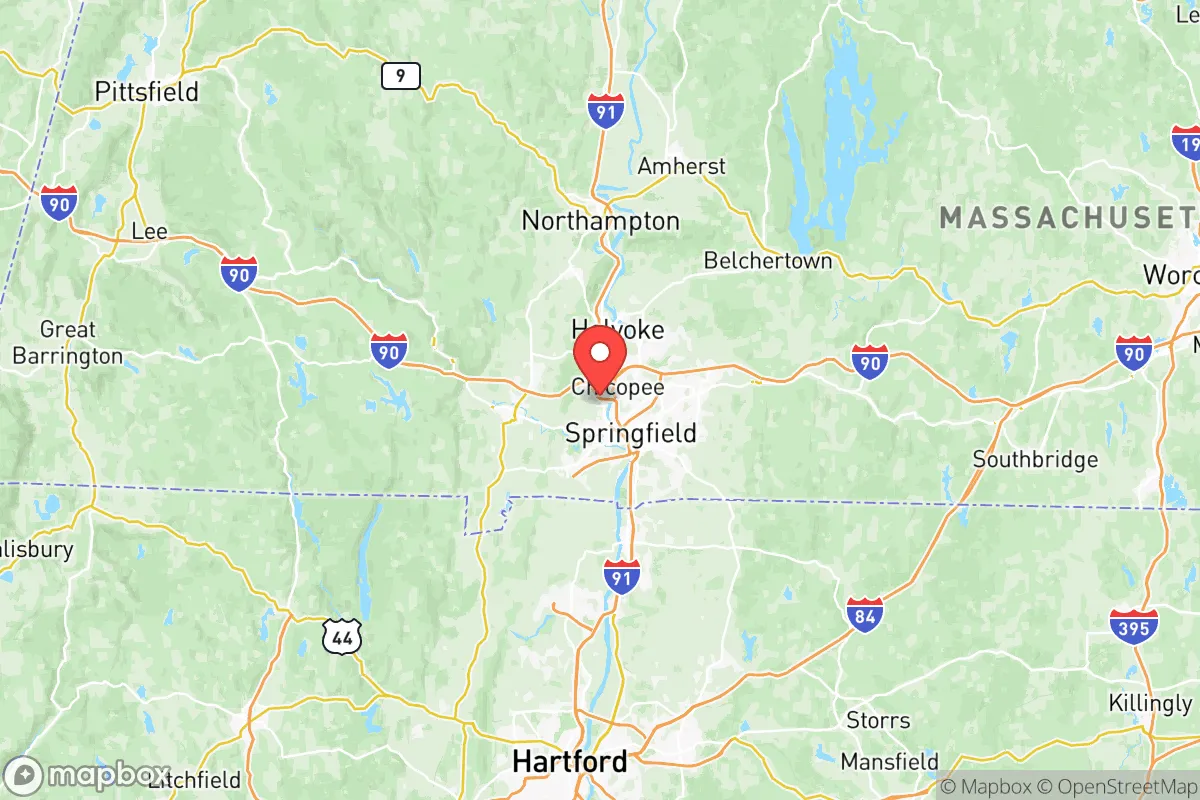
Hampden County, Massachusetts, offers a broad quality-of-life spectrum that ranges from the dense, historic urban core of Springfield to the quiet, rural landscapes of towns like Blandford and Tolland, attracting everyone from young professionals and students to families seeking affordable space and retirees looking for small-town calm. The county’s overall cost of living index sits at 96 (100 being the U.S. average), with a median home value of $276,300 and median rent of $1,105, making it one of the more affordable regions in the state. An average commute of roughly 23 minutes reflects the county’s manageable scale, where residents can shift from city amenities to countryside solitude in a short drive.
Largest town(s) & population centers
The county’s primary population center is Springfield, the third-largest city in Massachusetts, with a population exceeding 155,000. Daily life here is defined by a dense, walkable downtown anchored by institutions like the Springfield Museums, the MassMutual Center, and the Basketball Hall of Fame. The city offers a robust public transit system (PVTA), a major hospital network (Baystate Health), and a diverse dining and cultural scene. Adjacent Chicopee (pop. ~55,000) and West Springfield (pop. ~28,000) function as more suburban complements, with strip-mall corridors, riverfront parks, and a mix of single-family homes and apartment complexes. Holyoke (pop. ~38,000) is a smaller urban center known for its historic canals, the Holyoke Mall, and a growing arts district, though it faces higher poverty rates than neighboring towns. These population centers draw residents who want urban amenities—jobs, entertainment, public services—without Boston-level costs.
Smaller towns & rural pockets
Beyond the urbanized core, Hampden County contains distinct smaller towns and genuinely rural areas. Longmeadow (pop. ~15,800) is an affluent, tree-lined suburb with top-rated public schools and a village green, appealing to families seeking a classic New England small town. East Longmeadow (pop. ~16,000) offers a similar feel with more mid-century ranch homes and a strong local retail base. Further west, Blandford (pop. ~1,200) and Tolland (pop. ~500) are sparsely populated hill towns with large tracts of state forest, dirt roads, and minimal commercial development—ideal for those seeking privacy, hunting, or off-grid living. Granville (pop. ~1,600) and Wales (pop. ~1,800) sit along the Connecticut border, offering rural homesteads and farmland, with residents often commuting to Springfield or Hartford for work. These areas lack public transit and have limited grocery options, but they provide land and quiet that the urban centers cannot.
Cost & lifestyle range
The cost of living varies sharply across the county. At the high end, Longmeadow has a median home value near $450,000, well above the county median of $276,300, and its property taxes reflect premium schools and services. At the low end, Springfield’s median home value is roughly $190,000, and Holyoke’s is around $175,000, making homeownership accessible for first-time buyers. Rent follows the same pattern: a two-bedroom in Longmeadow averages $1,400–$1,600, while in Springfield or Chicopee it can fall below $1,000. Rural towns like Blandford and Tolland have very low housing costs—often under $150,000 for a fixer-upper—but residents pay more for heating oil, septic maintenance, and longer drives to supermarkets. The lifestyle range is equally wide: Springfield offers nightlife, museums, and a walkable downtown; Longmeadow provides manicured subdivisions and country clubs; Blandford offers 50-acre lots and starry skies. The county’s average commute of 22.9 minutes means that even rural residents can reach Springfield or Hartford (CT) within 30–40 minutes, a rare balance of isolation and access.
Hampden County is best suited for those who value affordability and variety over prestige or coastal proximity. Young families and first-time homebuyers find entry-level prices in Springfield and Chicopee; professionals and empty-nesters gravitate to Longmeadow or East Longmeadow for schools and safety; and homesteaders, hunters, or remote workers thrive in the hill towns of Blandford, Tolland, and Granville. The county’s mix of urban energy, suburban comfort, and rural solitude—all within a short commute—makes it a practical choice for a wide range of budgets and lifestyles.

Crime in Hampden County
Generally safer than 67% of comparable U.S. locations.
Violent CrimeViolent Crime Analysis
Property CrimeProperty Crime Analysis
Crime Analysis
Hampden County, Massachusetts, presents a mixed safety picture, with crime rates that exceed state averages but remain below national benchmarks. The county's overall violent crime rate stands at 284.3 incidents per 100,000 residents, while property crime occurs at a rate of 993.9 per 100,000. These figures mask significant variation between the county's urban core—dominated by Springfield—and its more suburban and rural communities, where residents experience markedly different levels of day-to-day safety.
Crime in context
Compared to Massachusetts as a whole, Hampden County is a clear outlier. The state's violent crime rate is roughly 300 per 100,000, meaning the county sits just below that average, but its property crime rate is notably higher than the statewide figure of approximately 900 per 100,000. Nationally, the U.S. violent crime rate hovers around 380 per 100,000, placing Hampden County below the national average. However, these aggregate numbers are heavily influenced by Springfield, which accounts for a disproportionate share of the county's crime. The city of Springfield alone reports violent crime rates that can exceed 600 per 100,000, driven by gang-related activity and socioeconomic challenges. In contrast, communities like Longmeadow and East Longmeadow report violent crime rates well under 100 per 100,000, creating a stark intra-county divide.
What residents experience
For residents in the county's larger cities, property crime is the most common safety concern. Vehicle break-ins, package thefts, and home burglaries are frequent in Springfield, Holyoke, and Chicopee. The property crime rate of 993.9 per 100,000 translates to roughly one property crime for every 100 residents annually—a figure that feels higher in dense urban neighborhoods. Residents in these areas often report that police response times are stretched thin, and many have adopted personal security measures like cameras and neighborhood watch groups. In Westfield and Agawam, property crime rates are lower but still above the state average, with residents citing occasional car break-ins as the primary nuisance. The county's district attorney, Anthony Gulluni, operates in a state where progressive criminal justice reforms have reduced incarceration rates and prioritized diversion programs. While these policies aim to reduce recidivism, critics argue they have contributed to a revolving-door effect for repeat property offenders, undermining public confidence in the justice system. Residents in Springfield and Holyoke frequently express frustration that offenders are arrested and quickly released, a pattern that directly impacts their sense of safety.
Neighborhood-level variation within Hampden County is extreme and well-documented. The Forest Park and Six Corners neighborhoods in Springfield experience the highest concentration of violent crime, while the East Forest Park area is comparatively quieter. In Holyoke, the Flats neighborhood near the canal system has persistent issues with drug-related crime, while the Highlands area is more residential and safer. Suburban towns like Wilbraham and Southwick report crime rates that are a fraction of the county average, often below 50 violent crimes per 100,000. For prospective residents, the choice of town within Hampden County is the single most important factor in determining personal safety, with the urban-suburban divide creating two entirely different realities under the same county government.
* Values derived from national, state, county, city and local statistics and may differ in a specific area. Last updated: 2026-06-14T23:01:35.000Z
Narrative content on this page is AI-generated and may contain mistakes. Verify any details that matter before acting on them.
ReloMaps may earn a commission from affiliate links at no extra cost to you.

