Photo: Wikipedia
Find The Best Places To Live in Hampden County
PRO TIP! You can paste a Zillow or Redfin link to get info on that property.
Best Places to Live in Hampden County
Cities & Towns in Hampden County
Cities in Hampden County
What It's Like Living in Hampden County, MA
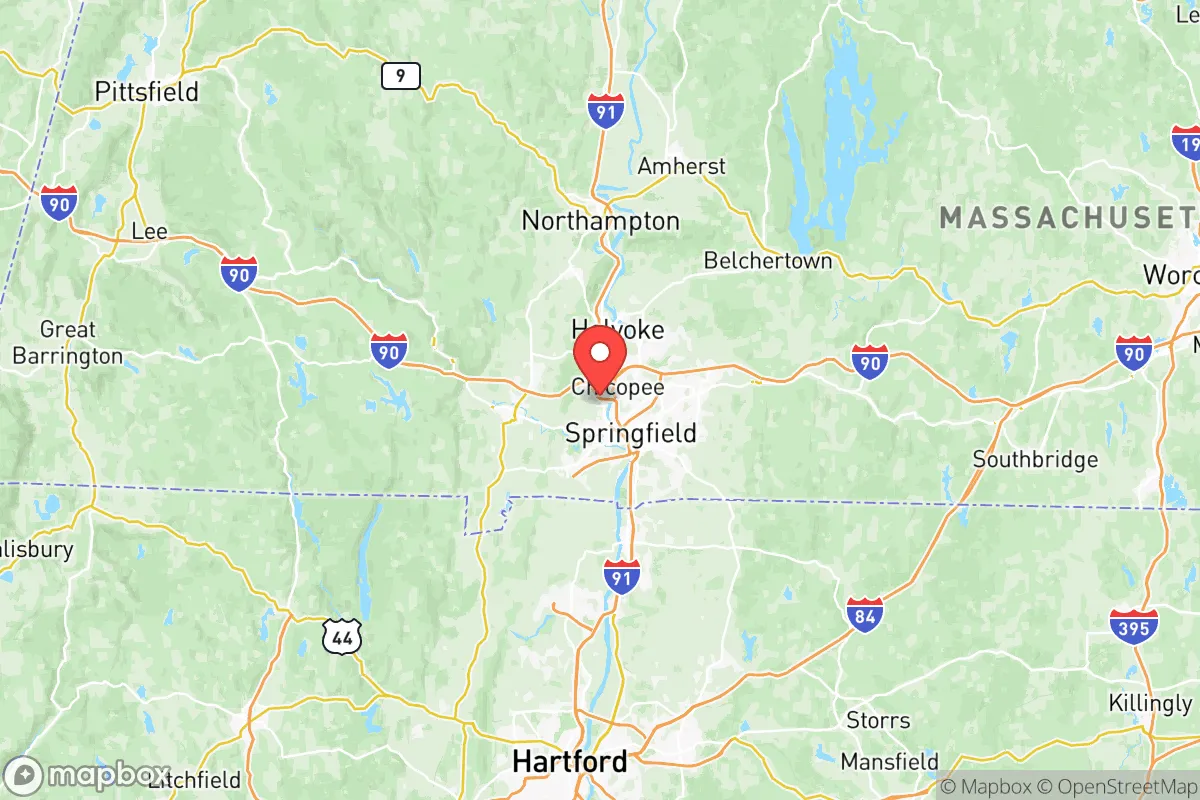
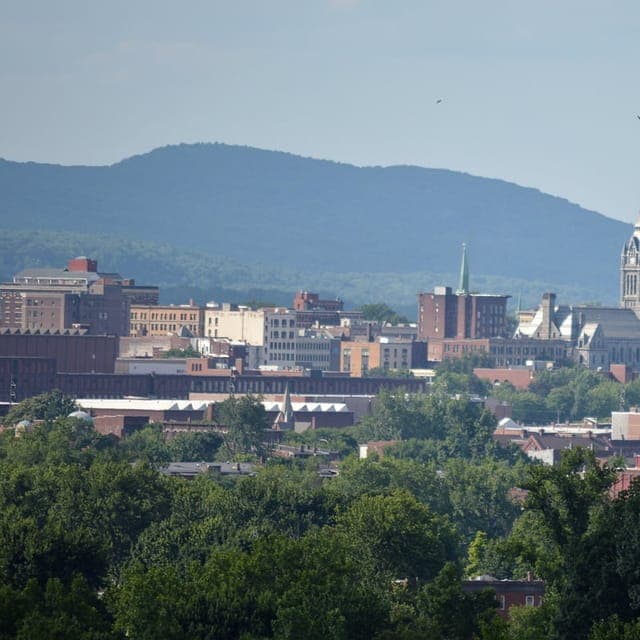
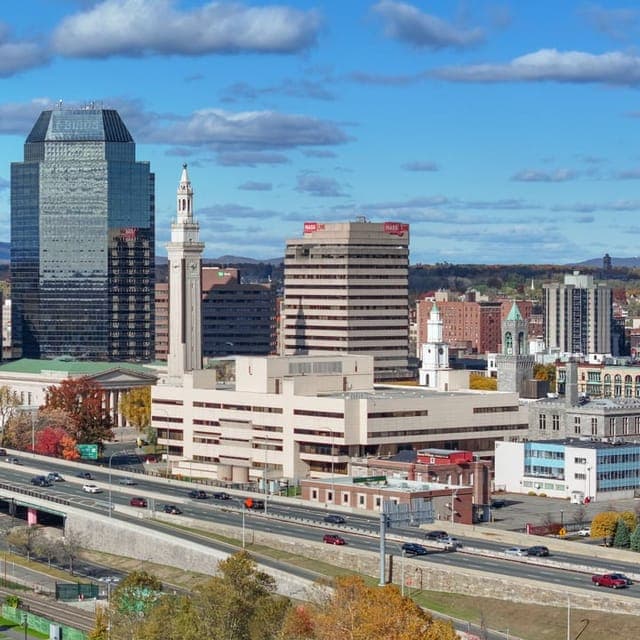
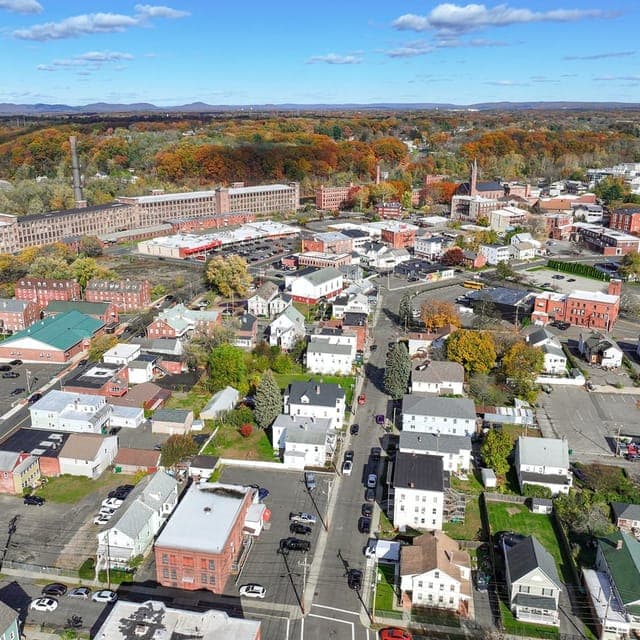
Living in Hampden County means you're trading the breakneck pace of Boston for something slower, grittier, and a lot more affordable—a place where the Connecticut River cuts through old mill towns and leafy suburbs alike. The county's identity is really split between the urban core of Springfield and Holyoke, with their deep industrial roots and ongoing revitalization, and the quieter, more conservative-leaning towns like Longmeadow, Wilbraham, and East Longmeadow, where families settle down for good schools and a yard. If you're looking for a place where your dollar stretches further than in most of Massachusetts, and where Friday night lights still matter more than the latest pop-up restaurant, this might be your spot.
Daily Rhythm: From the Pioneer Valley to the Suburbs
Daily life here depends heavily on which part of the county you call home. In Springfield, the region's largest city, mornings mean a quick commute—the average is just under 23 minutes, one of the shortest in the state—and a coffee run at a local spot like Theodores' before heading to work at Baystate Health, MassMutual, or one of the many logistics centers along I-291. In Longmeadow or Wilbraham, the rhythm is more suburban: school drop-offs, errands at the Big Y or Stop & Shop, and evenings spent at youth soccer games or on the town common. The median home value of $276,300 is a fraction of what you'd pay in Boston's suburbs, making it possible for a single earner or a young family to buy a three-bedroom ranch with a basement. The cost of living index sits at 96, slightly below the national average, which feels like a relief in a state known for high prices.
Weekends often revolve around the outdoors. The Westfield River and the Quabbin Reservoir draw hikers, kayakers, and anglers, while the Springfield Armory National Historic Site offers a dose of history without the crowds. In Holyoke, the canals and the Holyoke Heritage State Park tell the story of the city's industrial past, and the annual Holyoke St. Patrick's Day Parade is one of the largest in the country—a genuine community event that brings out everyone, not just those of Irish descent.
Sports, Community, and the Local Identity
Sports are woven into the fabric here, and not just the pro kind. The Springfield Thunderbirds, the AHL affiliate of the St. Louis Blues, pack the MassMutual Center on winter weekends, offering affordable hockey that feels more intimate than a big-league arena. But the real heartbeat is high school football. Towns like Longmeadow and East Longmeadow have fierce rivalries that draw thousands on Friday nights, and the Western Massachusetts championships are a genuine source of pride. For college sports, Western New England University and Springfield College (the birthplace of basketball) keep the calendar busy with Division III games that are easy to walk into for a few bucks.
The cultural quirk you'll notice fast is the Pioneer Valley identity. People here are proud of being "Western Mass"—distinct from the Boston-centric eastern half of the state. There's a self-reliant, slightly skeptical attitude toward the capital, and a strong sense of local loyalty. You'll hear it in the way folks talk about the Big E (the massive fair in West Springfield that runs every September) or the Eastern States Exposition grounds, which host everything from horse shows to craft fairs. The median age of 39.8 reflects a population that's settled, not transient—people tend to stay once they put down roots.
What's There to Do—and What Frustrates
Entertainment options are solid but not flashy. The Springfield Museums (a complex of five museums under one roof) are a weekend staple for families, and the Dr. Seuss National Memorial Sculpture Garden honors the town's most famous native son. For food, Theodores' BBQ in Springfield is a legendary spot for blues and ribs, while Student Prince Cafe in the city's downtown serves German fare that's been around since the 1930s. In Chicopee, the Chicopee Memorial State Park offers swimming and trails, and the Szot Park hosts summer concerts. The Big E itself is a two-week extravaganza of fried dough, livestock shows, and state pavilions that feels like a county fair on steroids—it's a must-do for anyone new to the area.
Now for the honest downsides. The violent crime rate of 284.3 per 100,000 is higher than the national average, and it's concentrated in parts of Springfield and Holyoke—you'll hear locals advise which streets to avoid after dark. The job market is anchored by healthcare, education, and manufacturing, but it's not booming; the median household income of $70,535 is below the state median, and the college-educated share of the population sits at just 28.9%, reflecting fewer white-collar opportunities than in the eastern part of the state. Winters are real—expect snow from December through March, with the occasional nor'easter that shuts things down for a day. And while the commute is short, the public transit (PVTA buses) is limited, so a car is essential.
What longtime residents love most is the balance: you can own a home, raise a family, and still be within a two-hour drive of Boston, the Berkshires, or the Vermont border. The schools in Longmeadow and East Longmeadow are consistently ranked among the best in the state, and the sense of community—neighbors knowing neighbors, volunteer fire departments, church suppers—is real. If you're okay with a place that's more blue-collar than hip, more practical than polished, Hampden County offers a solid, no-nonsense life that's increasingly hard to find in Massachusetts.

* Values derived from national, state, county, city and local statistics and may differ in a specific area. Last updated: 2026-06-14T23:01:35.000Z
Narrative content on this page is AI-generated and may contain mistakes. Verify any details that matter before acting on them.
ReloMaps may earn a commission from affiliate links at no extra cost to you.

