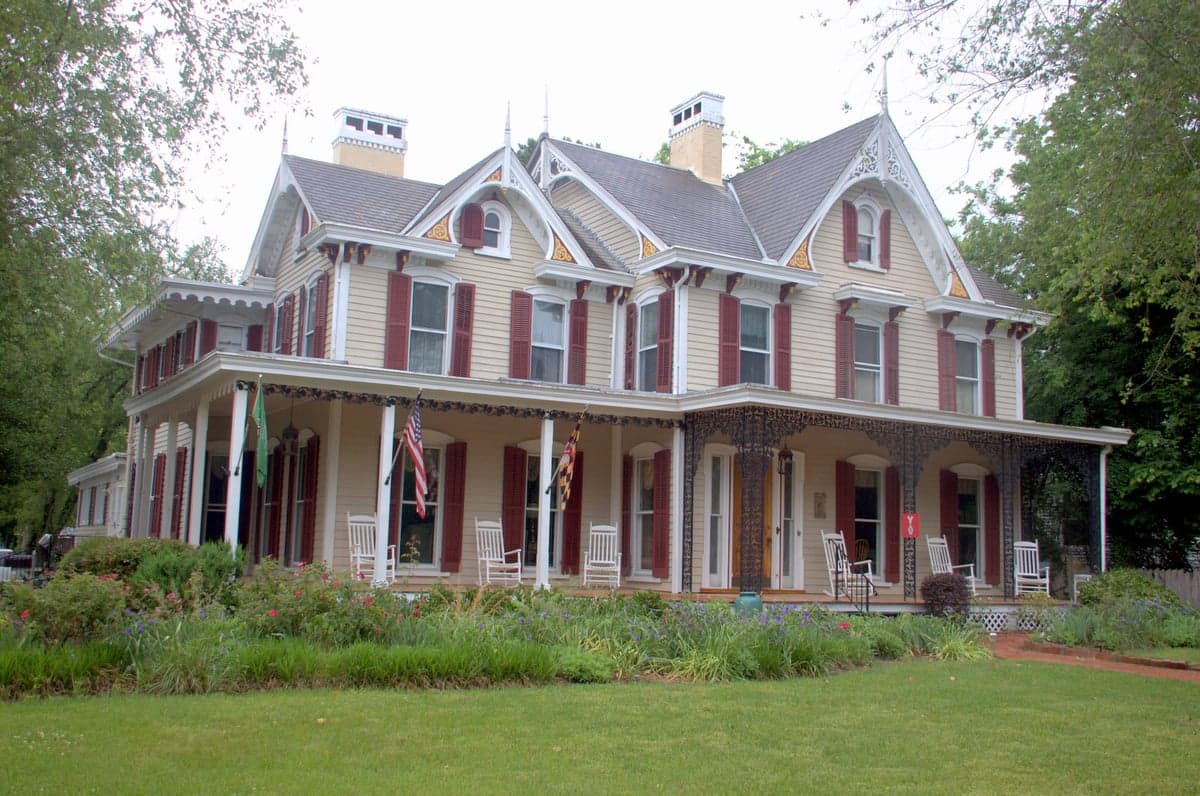
Photo: Wikipedia
Quality of Life in Worcester County
A livable area that tracks near national norms for affordability, walkability, and neighborhood health.
What does Quality of Life tell us?
Quality of Life measures an area by evaluating factors like cost of living, nearby amenities, country club access, airport proximity, socioeconomic signals and neighborhood character. For large states, this is a general average — quality of life can vary dramatically between metro areas, suburbs, and rural communities within the same state.
What does this tell us?
Quality of Life measures an area by evaluating factors like cost of living, nearby amenities, country club access, airport proximity, socioeconomic signals and neighborhood character. For large states, this is a general average — quality of life can vary dramatically between metro areas, suburbs, and rural communities within the same state.
Cost of Living
10% above national average
82%
The Real Cost of Living in Worcester County for 2026
| Tier | Individual | Family (4) |
|---|---|---|
| Survival | $19k | $35k |
| Comfortable | $68k | $99k |
| Luxury | $147k+ | $228k+ |
| Elite (Top 5%) | $195k+ | $302k+ |
Quality-of-Life Analysis
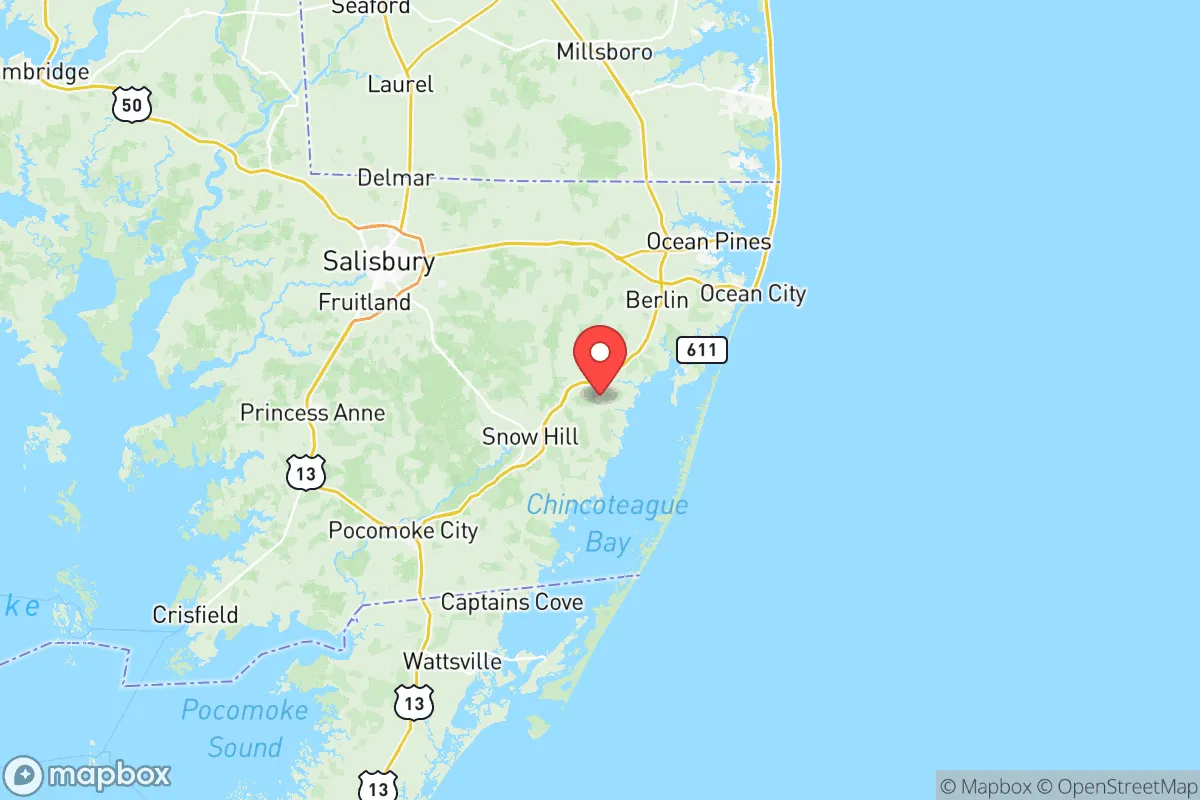
Worcester County, Maryland, offers a broad spectrum of living environments that range from the bustling, tourism-driven resort town of Ocean City to the quiet, agricultural hamlets of the county’s interior and southern reaches. This diversity attracts distinct groups: seasonal workers and second-home owners gravitate toward the coastal strip, while families seeking lower costs and retirees looking for slower-paced living often settle in towns like Berlin or Pocomoke City. The county’s character shifts noticeably from the Atlantic shoreline to the Pocomoke River basin, creating a quality-of-life gradient that is rare in a single county.
Largest town(s) & population centers
Ocean City is the county’s economic and tourism anchor, with a year-round population of roughly 7,000 that swells to over 300,000 during summer weekends. Daily life here is defined by seasonal rhythms: long hours in hospitality and retail during the warm months, followed by a quieter, small-town winter. The town offers dense amenities — boardwalk attractions, restaurants, nightlife, and public beach access — but housing is expensive and often oriented toward vacation rentals. Berlin, the county seat, presents a contrasting experience: a walkable historic downtown with independent shops and a slower, family-oriented pace. Its population of about 5,000 enjoys a strong sense of community, with events like the Berlin Fiddlers Convention and a growing arts scene. Salisbury, while technically in Wicomico County, serves as a major regional employment and retail hub for northern Worcester residents, with a 15-minute commute from Berlin.
Smaller towns & rural pockets
South of Berlin, Snow Hill (pop. ~2,100) sits on the Pocomoke River and offers a distinctly different lifestyle: canoeing, kayaking, and a quiet downtown anchored by the Julia A. Purnell Museum and the historic Worcester County Courthouse. It attracts retirees and remote workers who value water access without the crowds. Pocomoke City (pop. ~4,200) is the county’s southernmost incorporated town, with a more industrial history and a lower cost of entry; it has seen reinvestment in its riverfront park and the Delmarva Discovery Center. Unincorporated areas like Whaleyville, Newark, and Stockton are true rural crossroads, with scattered homes, farmland, and limited services — residents here typically commute to Berlin, Salisbury, or Ocean City for work and shopping. The county’s interior is dominated by the Pocomoke State Forest and agricultural land, where homes sit on acreage and the nearest grocery store may be 15–20 minutes away.
Cost & lifestyle range
Worcester County’s overall cost of living index of 110 (100 = U.S. average) masks wide internal variation. At the high end, Ocean City and the coastal communities of Fenwick Island and Ocean Pines (an unincorporated planned community) see median home values well above the county’s $348,100 average, often exceeding $500,000 for canal-front or bayfront properties. Rents in these areas also run higher, though the countywide median rent of $1,180 is kept lower by more affordable options inland. At the low end, Pocomoke City and parts of Snow Hill offer homes in the $150,000–$250,000 range, making them accessible for first-time buyers and retirees on fixed incomes. The average commute of 22.7 minutes is manageable across the county, though residents in southern Worcester may drive 30–40 minutes to reach the larger job centers in Salisbury or Ocean City. Amenities follow the same gradient: Ocean City and Berlin have full-service grocery stores, medical facilities, and entertainment, while rural residents rely on smaller markets and longer drives for specialized services.
Worcester County suits a wide range of preferences, but the best fit depends on tolerance for tourism and distance from services. Families and professionals who want walkable downtowns and good schools often choose Berlin or Snow Hill. Retirees and second-home buyers who prioritize beach access and nightlife gravitate to Ocean City or Ocean Pines. Those seeking land, privacy, and lower housing costs find value in the rural pockets around Whaleyville and Newark. The county’s key trade-off is between coastal energy and inland quiet, with a 20–30 minute drive bridging the two worlds.

Crime in Worcester County
Higher crime rates than 58% of comparable U.S. locations.
Violent CrimeViolent Crime Analysis
Property CrimeProperty Crime Analysis
Crime Analysis
Worcester County, Maryland, presents a mixed safety profile that varies significantly between its coastal resort communities and inland rural areas. The county's overall violent crime rate of 362.8 per 100,000 residents and property crime rate of 1,845.7 per 100,000 place it in a middle tier among Maryland jurisdictions, though these figures mask sharp contrasts between tourist-heavy Ocean City and quieter towns like Berlin and Snow Hill.
Crime in context
Worcester County's violent crime rate sits slightly below the Maryland state average of approximately 450 per 100,000 but remains above the national median of roughly 380 per 100,000. Property crime in the county runs notably higher than the national average of about 1,950 per 100,000, driven largely by seasonal theft and burglary in vacation areas. The county's location on the Eastern Shore, with easy access via Route 50 and the Chesapeake Bay Bridge, creates transient crime patterns that differ from more isolated rural counties. The Worcester County State's Attorney's Office, led by Kris Heiser, operates within a judicial system that has generally avoided the progressive prosecutorial reforms seen in Baltimore City and Prince George's County, meaning offenders here face more traditional charging and sentencing practices. This prosecutorial approach likely helps contain crime rates compared to jurisdictions where district attorneys have adopted policies of declining to prosecute certain low-level offenses.
What residents experience
Property crime dominates the daily safety concerns for Worcester County residents, with larceny-theft accounting for the largest share of incidents. Ocean City, the county's most populous municipality and a major summer tourist destination, experiences concentrated property crime during peak season from May through September, including vehicle break-ins and thefts from beachfront rentals. The Ocean City Police Department supplements its force with seasonal officers to manage this surge. In contrast, the inland towns of Berlin and Snow Hill report substantially lower crime volumes, with Berlin's historic downtown maintaining a reputation for safety that supports its growing arts and dining scene. Pocomoke City, in the county's southern end, has historically struggled with higher rates of drug-related offenses and property crime, though recent community policing initiatives have shown measurable improvements. The Worcester County Sheriff's Office provides primary law enforcement for unincorporated areas, where crime rates tend to be lower than in the resort corridor. Residents in communities like Whaleyville and Newark report property crime as their primary concern, typically theft from unlocked vehicles and outbuildings rather than violent confrontations.
Neighborhood-level variation
Safety conditions in Worcester County diverge most sharply between the coastal tourism zone and the agricultural interior. Ocean City's boardwalk area and the surrounding resort blocks see elevated rates of disorderly conduct, alcohol-related incidents, and theft during summer months, while the same areas become notably quiet and safe during the off-season. The Ocean Pines community, a large planned residential development west of Ocean City, maintains a private security force alongside county sheriff patrols and consistently reports crime rates well below county averages. The town of Berlin, with its walkable historic district and strong neighborhood watch programs, has violent crime rates roughly half the county average. Prospective residents should note that Worcester County's judicial district, part of Maryland's First Judicial Circuit, has not adopted the progressive bail reform or diversion programs common in Baltimore-area courts, meaning that property crimes and drug offenses here carry more predictable consequences for offenders. This traditional approach to prosecution provides a measurable safety advantage over Maryland jurisdictions where liberal district attorneys have reduced penalties for theft and drug possession, contributing to higher recidivism and more property crime in those areas.
* Values derived from national, state, county, city and local statistics and may differ in a specific area. Last updated: 2026-06-18T03:37:10.000Z
Narrative content on this page is AI-generated and may contain mistakes. Verify any details that matter before acting on them.
ReloMaps may earn a commission from affiliate links at no extra cost to you.

