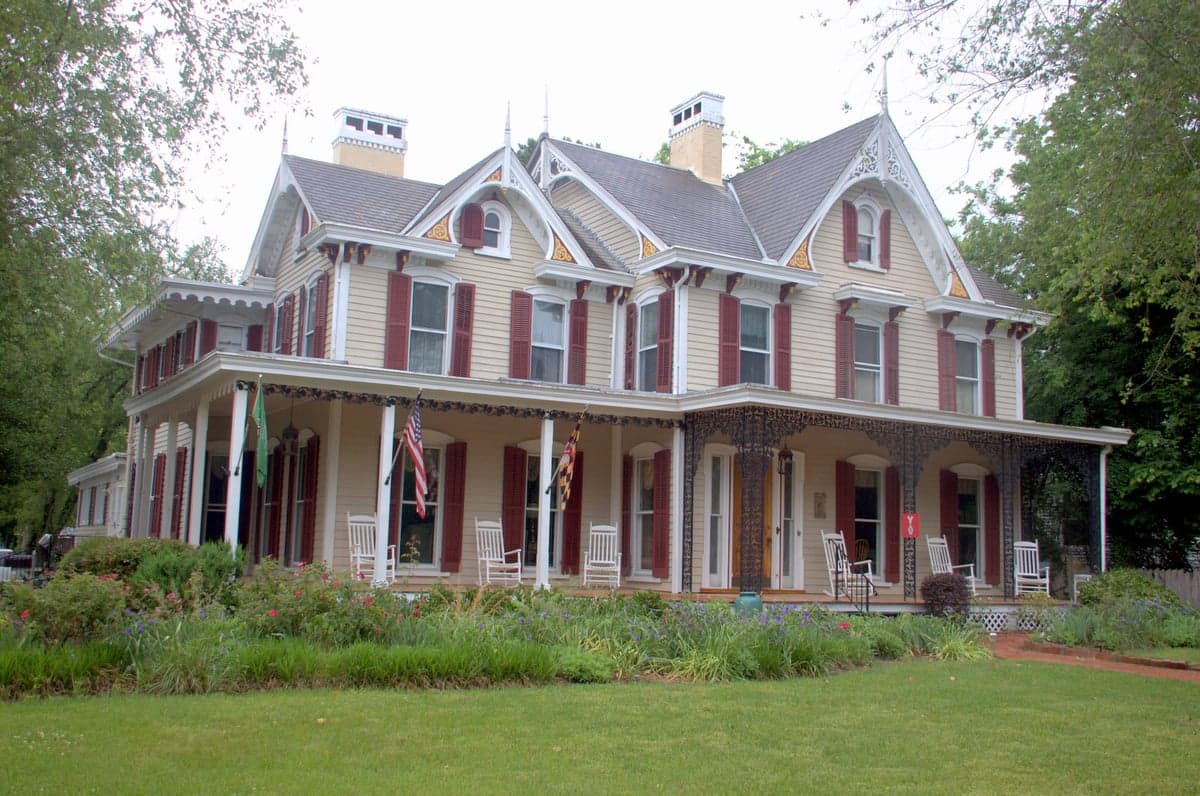
Photo: Wikipedia
Personal Sovereignty in Worcester County
Viable for self-reliance. Generally workable, though some barriers may limit total independence.
What does Personal Sovereignty tell us?
Personal Sovereignty measures your capacity for self-reliance and independence with minimal government friction. Higher scores mean fewer barriers between you and the way you want to live... but it assumes you have the space you need and good neighbors.
What does this tell us?
Personal Sovereignty measures your capacity for self-reliance and independence with minimal government friction. Higher scores mean fewer barriers between you and the way you want to live... but it assumes you have the space you need and good neighbors.
State Policy
Energy independence: Importer (8% of energy produced in-state)
Personal Liberty
Homesteading

Personal Liberty Analysis
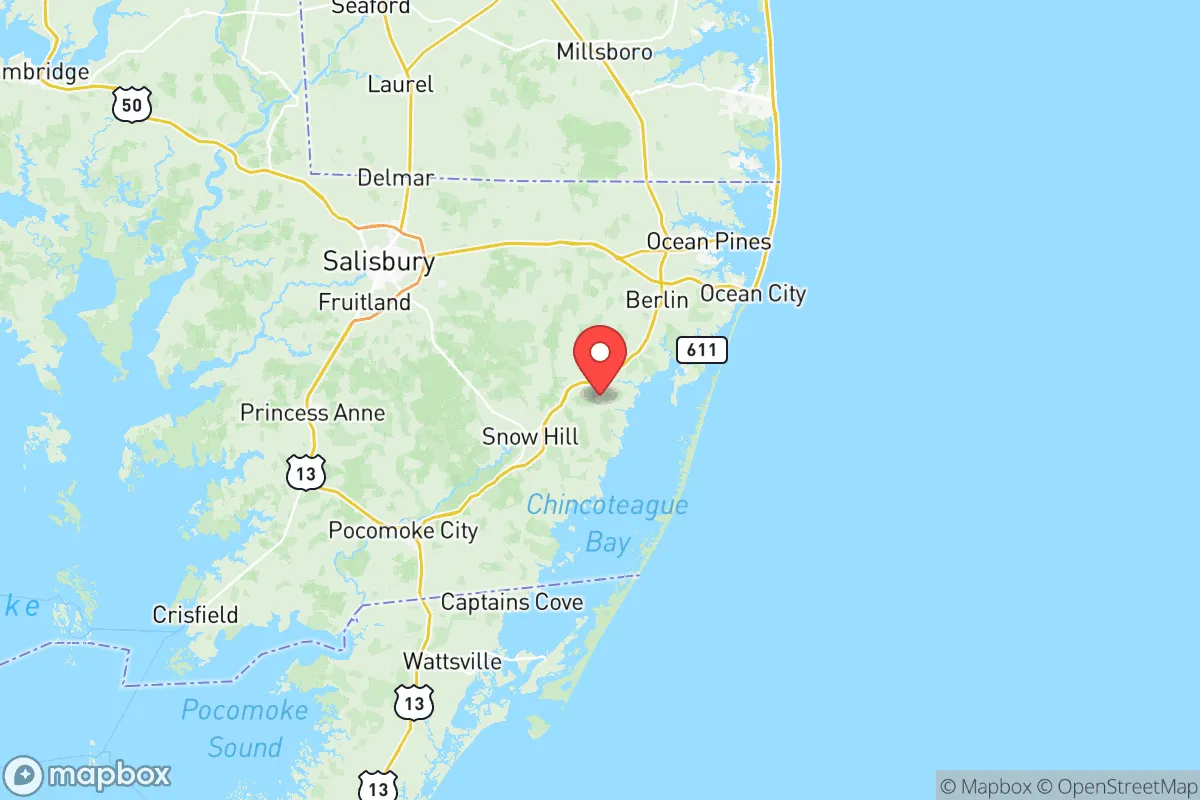
Worcester County, Maryland offers a nuanced but notably above-average environment for personal sovereignty compared to much of the Mid-Atlantic, with the rural Eastern Shore character of towns like Snow Hill, Berlin, and Stockton providing substantially more autonomy than the state's heavily regulated western regions—though Maryland's statewide tax burden, gun laws, and regulatory framework impose real constraints that any freedom-oriented relocator must weigh carefully. This corner of the state, stretching from the Atlantic coast at Ocean City to the agricultural interior around Pocomoke City, exhibits a split personality: the tourist-driven coastal strip leans toward heavier regulation, while the inland communities retain a quieter, more self-reliant culture. For single individuals and families who prioritize personal freedom, the inland towns—particularly Snow Hill and the rural stretches near Newark—represent the strongest draw, while the Ocean City corridor requires a more measured assessment of tradeoffs.
Tax burden and regulatory posture compared to surrounding areas
Maryland ranks among the higher-tax states nationally, and Worcester County sits within that framework with a combined state and local income tax rate that can push past 8% for many residents. The county's property tax rate of roughly $0.87 per $100 of assessed value is moderate for the region—lower than neighboring Wicomico County's $1.14 and far below the rates in Montgomery or Prince George's counties. For a $300,000 home in Berlin or Snow Hill, annual property taxes run about $2,610, which is manageable for rural Maryland but roughly double what you'd pay in a low-tax state like Texas or Florida. Sales tax is a flat 6% statewide, with no local add-ons, and the state does not tax groceries or prescription medications. The regulatory posture in Worcester County leans lighter than the state average: county-level zoning in the rural areas is permissive, with no countywide building permit requirement in unincorporated zones for many agricultural structures, though the Maryland Department of the Environment still has significant jurisdiction over wetlands, septic systems, and shoreline development. Ocean City imposes its own stricter codes on rentals, short-term stays, and noise, making the coastal town the most regulated jurisdiction in the county. For someone seeking low-touch governance, the inland towns—particularly Pocomoke City and the unincorporated area around Girdletree—offer the most breathing room, as they lack the coastal overlay of seasonal ordinances and tourism-driven restrictions.
Self-defense rights and gun law specifics for residents
Maryland's gun laws are among the most restrictive in the nation, and Worcester County residents operate under those statewide statutes. A purchase permit is required for handguns, including a background check and a seven-day waiting period, and assault weapons as defined by state law are banned. However, the county itself is notably more permissive than the state in enforcement and cultural attitudes. The Worcester County Sheriff's Office is known for a pragmatic approach: concealed carry permits, while subject to state-issued "good and substantial reason" standards as of late 2025, are routinely processed without unusual delays for qualified applicants, and open carry is legally permitted in most unincorporated areas, though rarely practiced in Ocean City or Berlin's commercial districts. Shooting ranges are available in the county—the Worcester County Rifle and Pistol Club near Whaleyville offers memberships and public events—and private land use for target practice is generally tolerated in the rural agricultural zones. Stand-your-ground rules do not exist in Maryland; the state imposes a duty to retreat in public spaces, but not within one's home. For a gun-owning family, the reality is that Worcester County provides a more supportive environment than the state's urban centers—Baltimore and Montgomery County are markedly more restrictive in enforcement—but the legal ceiling remains lower than in Virginia or Delaware, just across the state line. A practical note: many Worcester County residents who desire less restricted firearm options keep a secondary residence or frequent shooting trips to Delaware or Virginia, where laws are substantially looser.
Self-reliance and homesteading feasibility in rural areas
Homesteading and off-grid living are viable in inland Worcester County, though with specific constraints rooted in Maryland's environmental regulations. The county's agricultural zoning allows for residential lots as small as one acre in certain areas, but the more practical homesteading parcels range from 5 to 20 acres, particularly in the areas around Snow Hill, Newark, and Stockton. Minimum lot sizes for a single-family dwelling with a septic system are typically 1.5 acres in the rural zones, which is attainable for many buyers. Off-grid feasibility is mixed: solar panels are permitted without county-level restrictions in unincorporated areas, and the county has no ordinance explicitly banning rain barrels or composting toilets, though the Maryland Department of the Environment has significant authority over wastewater systems, requiring a MDE-approved septic design for any dwelling with plumbing. Grid-tied solar is straightforward, but full off-grid electric independence requires a system large enough to power well pumps, which is common in rural areas. Well drilling is allowed with a county permit and an approved water quality test, and many properties on the Eastern Shore rely on private wells. Raising livestock—chickens, goats, sheep—is allowed on parcels over one acre in agricultural zones, with no county limit on the number of animals beyond humane standards. The primary hurdle for serious homesteading is the state's wetland and critical area regulations: Worcester County has extensive tidal and non-tidal wetlands, and any construction or clearing within 100 feet of a wetland requires MDE review, which can be a significant slowdown. For someone looking to buy 10 acres near Girdletree or Newark and establish a self-reliant lifestyle, the zoning and regulatory path is manageable but requires patience with state-level permitting timelines that are longer than in less regulated states.
Personal liberties: parental rights, medical autonomy, speech, and property
Maryland's statewide framework shapes personal liberties in Worcester County, with the county's rural character providing a buffer in practice. Parental rights in education are a point of strength: the state has a robust homeschool statute requiring only a simple notification to the local school superintendent, with no portfolio reviews or standardized testing requirements for most families, and Worcester County Public Schools is known for a cooperative posture toward homeschoolers, allowing part-time enrollment in individual courses and access to extracurricular activities. Medical autonomy is more constrained: Maryland has strict vaccine mandates for school attendance, with only narrow religious and medical exemptions available, and the state operates a Prescription Drug Monitoring Program that limits opioid prescriptions. However, the county's healthcare infrastructure—primarily Atlantic General Hospital in Berlin and the smaller PRMC in Salisbury—does not impose local restrictions beyond state law. Speech and assembly rights are fully protected. Property rights are a mixed picture: Worcester County has no countywide rent control or landlord licensing beyond state law, and property taxes are assessable at market value with a 10% cap on annual increases for owner-occupied homes through the state's Homestead Tax Credit. Zoning in the agricultural areas is permissive for home-based businesses, workshops, and small-scale agriculture, making it feasible to run a cottage industry from a property near Stockton or Pocomoke City without excessive permitting. The primary property-rights concern is the state's ability to regulate land use through the Critical Area Act, which restricts development near the Chesapeake Bay and Atlantic coastal bays—a factor that mostly affects properties close to the water rather than inland homesteads.
Overall, Worcester County ranks as one of the more sovereignty-friendly jurisdictions in the Mid-Atlantic region, sitting in a zone between the heavily managed urban centers of Maryland and the truly low-regulation states to the south and west. For someone comparing it to coastal Delaware or the Virginia Piedmont, Worcester County loses on gun laws and tax burden but wins on coastal access, a cooperative homeschooling environment, and genuine rural zoning freedom in its inland towns. The practical advice for a freedom-oriented relocator is clear: choose the inland portions—Snow Hill, Stockton, Girdletree, or the agricultural outskirts of Berlin—over the Ocean City strip if autonomy is the priority, and budget for Maryland's higher state-level taxes as a cost of living within driving distance of the Atlantic without the regulatory weight of the Northeast corridor.

* Values derived from national, state, county, city and local statistics and may differ in a specific area. Last updated: 2026-06-18T03:37:10.000Z
Narrative content on this page is AI-generated and may contain mistakes. Verify any details that matter before acting on them.
ReloMaps may earn a commission from affiliate links at no extra cost to you.

