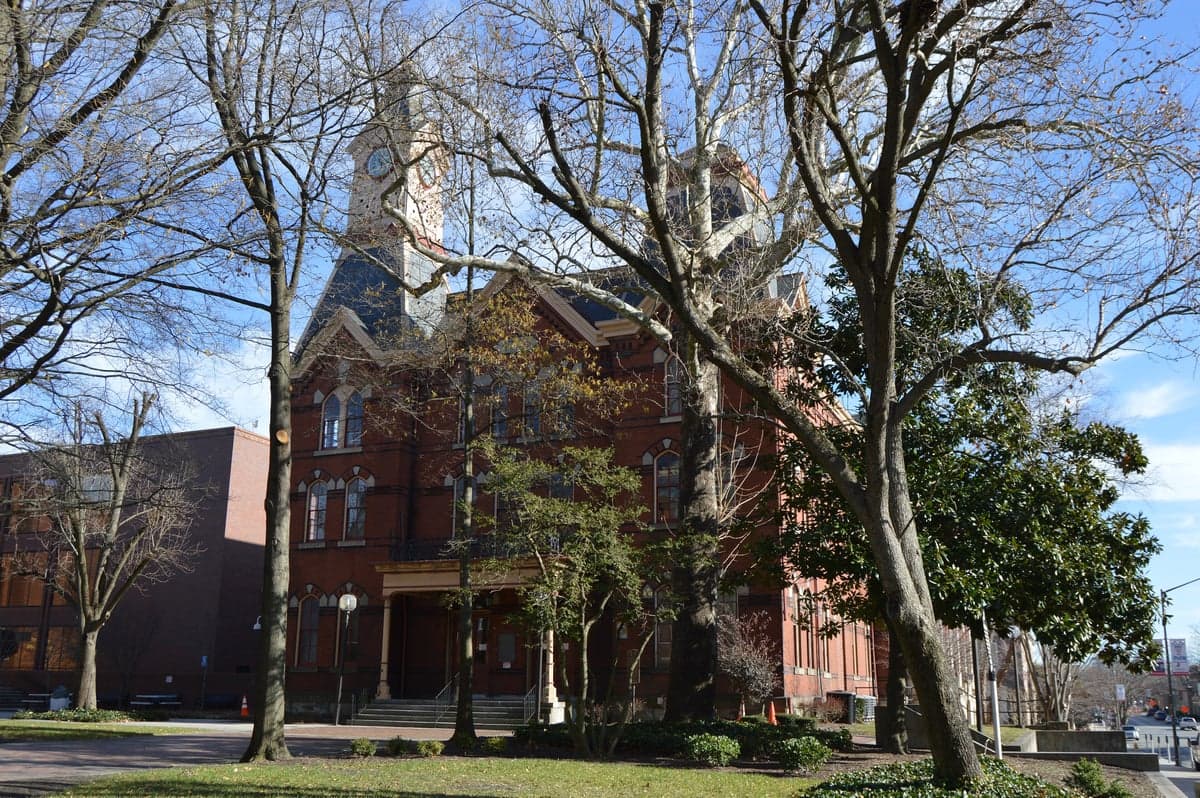
Photo: Wikipedia
Quality of Life in Wicomico County
A livable area that tracks near national norms for affordability, walkability, and neighborhood health.
What does Quality of Life tell us?
Quality of Life measures an area by evaluating factors like cost of living, nearby amenities, country club access, airport proximity, socioeconomic signals and neighborhood character. For large states, this is a general average — quality of life can vary dramatically between metro areas, suburbs, and rural communities within the same state.
What does this tell us?
Quality of Life measures an area by evaluating factors like cost of living, nearby amenities, country club access, airport proximity, socioeconomic signals and neighborhood character. For large states, this is a general average — quality of life can vary dramatically between metro areas, suburbs, and rural communities within the same state.
Cost of Living
2% below national average
107%
The Real Cost of Living in Wicomico County for 2026
| Tier | Individual | Family (4) |
|---|---|---|
| Survival | $20k | $37k |
| Comfortable | $46k | $68k |
| Luxury | $127k+ | $197k+ |
| Elite (Top 5%) | $150k+ | $232k+ |
Quality-of-Life Analysis
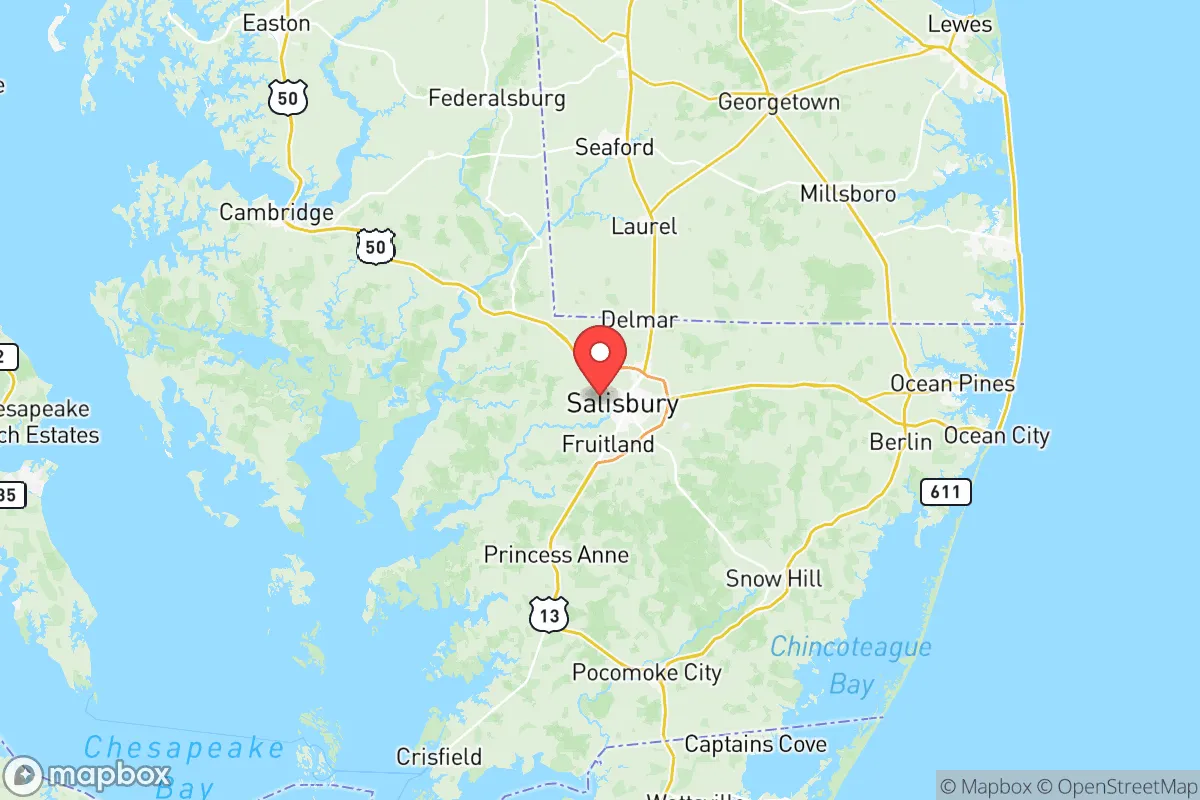
Wicomico County, Maryland, offers a spectrum of quality-of-life options that range from the walkable, historic streets of its urban core to quiet, agricultural crossroads and waterfront enclaves. The county’s character is defined by this contrast: Salisbury provides the jobs, nightlife, and cultural amenities of a regional hub, while towns like Delmar, Pittsville, and Willards offer slower-paced, family-oriented living with lower housing costs. The county’s overall Cost of Living Index of 98 (100 = US average) and median home value of $238,900 make it one of the more affordable coastal counties in the Mid-Atlantic, attracting a mix of Salisbury University students and faculty, commuters to the beach resort economies of Ocean City and Rehoboth, and retirees seeking a quieter, lower-cost alternative to the Eastern Shore’s pricier waterfront towns.
Largest town(s) & population centers
Salisbury is the county seat and undisputed population center, home to roughly 33,000 residents and the economic engine of the region. Daily life here centers around Salisbury University (enrolling over 8,000 students) and the Peninsula Regional Medical Center, the area’s largest employer. The downtown has seen a revival with new breweries, farm-to-table restaurants, and the Wicomico Youth & Civic Center hosting concerts and conventions. Housing is a mix of historic Victorians near the university campus and newer subdivisions on the city’s west side. The average commute of 22.9 minutes is notably short for a regional hub, allowing residents to reach the beach in under 40 minutes or Baltimore in about two hours. For those seeking a more suburban feel within the city limits, neighborhoods around Nanticoke Road and Route 13 offer chain retail and newer apartment complexes, while the Newtown and Church Street areas provide older, more affordable single-family homes.
Smaller towns & rural pockets
Outside Salisbury, the county’s smaller towns each have distinct identities. Delmar, straddling the Maryland-Delaware line, is a tight-knit community with a historic downtown and a strong sense of local pride, anchored by the Delmar Volunteer Fire Department and annual community events. Pittsville, located along Route 50, is a classic Eastern Shore farming town with a population under 1,500, offering very low home prices and a quiet, rural lifestyle. Willards, even smaller, is surrounded by soybean and corn fields and has a single general store as its social hub. Fruitland, just south of Salisbury, is a growing bedroom community with newer subdivisions and a more suburban feel, while Hebron and Mardela Springs are unincorporated villages where residents value privacy and space. The county’s rural pockets, particularly along the Wicomico River and Nanticoke River tributaries, offer waterfront properties on creeks like Monie Bay and Wetipquin Creek, where homes often sit on one to five acres with private docks.
Cost & lifestyle range
The cost of living and amenities vary significantly across the county. At the higher end, waterfront homes along the Wicomico River near Whitehaven or Tyaskin can exceed $400,000, offering deep-water access and privacy, but with limited nearby services—residents often drive 20 minutes to Salisbury for groceries. In contrast, the median home value of $238,900 is easily attainable in Pittsville or Willards, where a three-bedroom ranch can sell for under $200,000. Median rent of $1,238 is most common in Salisbury’s newer apartment complexes near the university, while older rentals in Fruitland or Delmar can be found for under $1,000. The lifestyle range is equally broad: Salisbury offers walkable access to the Wicomico Public Library, the Art Institute & Gallery, and multiple parks like WinterPlace Park with sports fields and a dog park. Rural residents trade those amenities for larger lots, lower property taxes (the county rate is roughly 0.93% of assessed value), and the ability to keep horses or run small farms. The county’s Wicomico County Public Schools system serves all areas, with Parkside High School in Salisbury and Wicomico High School being the largest, while smaller elementary schools in Pittsville and Willards offer smaller class sizes.
Wicomico County is best suited for people who want the convenience of a small city without the high costs of the Northeast corridor, or who desire genuine rural living within a short drive of a regional hospital, university events, and the Atlantic beaches. The county’s affordability and short commutes make it particularly attractive to young professionals starting careers at Salisbury University or the medical center, as well as to retirees who want to stretch their savings while staying close to healthcare and cultural amenities. Families will find the school system solid but not elite, and the lack of major public transit means a car is essential outside of downtown Salisbury. For those who value space, quiet, and a lower cost of living over urban density, Wicomico County delivers a balanced, accessible slice of the Eastern Shore.

Crime in Wicomico County
Higher crime rates than 57% of comparable U.S. locations.
Violent CrimeViolent Crime Analysis
Property CrimeProperty Crime Analysis
Crime Analysis
Wicomico County, Maryland, reports a violent crime rate of 351.4 incidents per 100,000 residents and a property crime rate of 1,814.9 per 100,000, placing it above both the state and national averages for overall crime. While the county is not uniformly dangerous, the data signals that residents in certain areas, particularly around the city of Salisbury, face elevated risks compared to more rural or suburban pockets like Fruitland or Delmar. The county’s safety picture is heavily shaped by its largest population center, where crime is concentrated, and by the policies of local prosecutors that influence how offenders are handled.
Crime in context
Wicomico County’s violent crime rate of 351.4 per 100,000 is roughly 40% higher than the Maryland state average of about 250 per 100,000 and nearly double the national rate of approximately 230 per 100,000. Property crime at 1,814.9 per 100,000 also exceeds the national benchmark of around 1,950 per 100,000, but is slightly below Maryland’s state average of roughly 1,900 per 100,000. The disparity is stark when comparing Salisbury, the county seat and economic hub, to smaller towns. Salisbury accounts for the majority of reported incidents, with its violent crime rate often exceeding 500 per 100,000 in recent years, driven by aggravated assaults and robberies. In contrast, towns like Delmar and Fruitland report rates closer to 200 per 100,000 for violent crime, reflecting a quieter, more residential environment. The county’s overall numbers are pulled upward by Salisbury’s density and socioeconomic challenges, including poverty and drug-related activity.
What residents experience
Daily life in Wicomico County varies significantly by location. In Salisbury, residents frequently cite concerns about property crimes such as vehicle break-ins and theft from porches, as well as occasional violent incidents near the downtown corridor and the Salisbury University campus. The city’s police department has increased patrols in high-traffic areas, but the presence of a progressive district attorney’s office in Wicomico County has raised alarm among some residents. Critics argue that a focus on diversion programs and reduced sentencing for nonviolent offenders has led to higher recidivism rates and a perception that criminals face few consequences. This approach, while intended to reduce jail overcrowding, has been linked to a rise in repeat property offenses in neighborhoods like the Westside and near the Route 13 commercial strip. In contrast, residents in Pittsville and Willards report far fewer incidents, with property crime rates below 1,000 per 100,000 and violent crime nearly absent. These communities benefit from lower population density and a stronger sense of neighborhood watch, but they are not immune to spillover from Salisbury’s crime trends.
Neighborhood-level variation is pronounced. The safest areas are generally the rural outskirts and incorporated towns with their own police forces, such as Mardela Springs and Sharptown, where crime is rare and residents often leave doors unlocked. Conversely, the highest-risk zones are concentrated in Salisbury’s central and eastern census tracts, where poverty rates exceed 25% and rental properties dominate. The Wicomico County Sheriff’s Office has noted that drug trafficking along the US 50 corridor contributes to both violent and property crime, with hotspots near the intersection of Route 13 and Route 50. For prospective residents, choosing a location outside Salisbury’s city limits—such as Fruitland or Delmar—can significantly reduce exposure to crime, though property taxes and commute times may be higher. Overall, the county’s safety profile demands caution in urban areas but remains manageable in its smaller towns and rural communities.
* Values derived from national, state, county, city and local statistics and may differ in a specific area. Last updated: 2026-05-08T21:35:29.000Z
Narrative content on this page is AI-generated and may contain mistakes. Verify any details that matter before acting on them.
ReloMaps may earn a commission from affiliate links at no extra cost to you.

