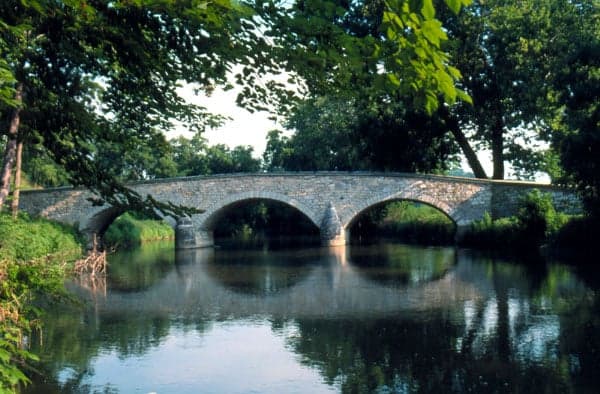
Photo: Wikipedia
Quality of Life in Washington County
A livable area that tracks near national norms for affordability, walkability, and neighborhood health.
What does Quality of Life tell us?
Quality of Life measures an area by evaluating factors like cost of living, nearby amenities, country club access, airport proximity, socioeconomic signals and neighborhood character. For large states, this is a general average — quality of life can vary dramatically between metro areas, suburbs, and rural communities within the same state.
What does this tell us?
Quality of Life measures an area by evaluating factors like cost of living, nearby amenities, country club access, airport proximity, socioeconomic signals and neighborhood character. For large states, this is a general average — quality of life can vary dramatically between metro areas, suburbs, and rural communities within the same state.
Cost of Living
4% below national average
94%
The Real Cost of Living in Washington County for 2026
| Tier | Individual | Family (4) |
|---|---|---|
| Survival | $18k | $33k |
| Comfortable | $54k | $79k |
| Luxury | $124k+ | $193k+ |
| Elite (Top 5%) | $146k+ | $227k+ |
Quality-of-Life Analysis
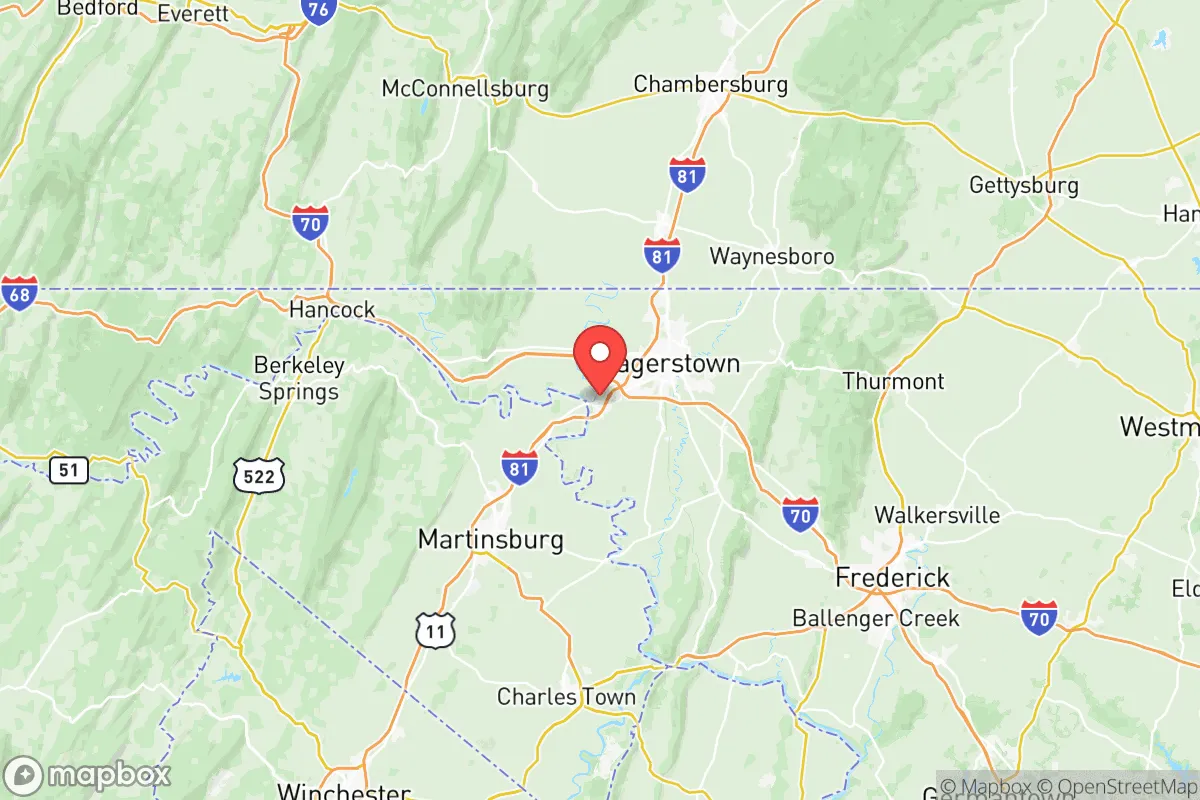
Washington County, Maryland, offers a broad quality-of-life spectrum that ranges from the historic, walkable urban core of Hagerstown to the deeply rural farmlands of Clear Spring and the mountain-adjacent communities of Hancock. This diversity attracts a mix of residents: commuters seeking affordable housing near the I-81 corridor, outdoor enthusiasts drawn to the Appalachian Trail and Potomac River, and families looking for small-town schools with lower property taxes than nearby Frederick or Montgomery counties. The county’s character shifts noticeably within a 20-minute drive, making it essential for prospective residents to match their lifestyle preferences to a specific area.
Largest town(s) & population centers
Hagerstown is the county’s dominant population center, home to roughly 44,000 residents and the region’s primary hub for retail, healthcare, and employment. Daily life here centers on the downtown Arts & Entertainment District, the Valley Mall corridor, and the Meritus Health system. The city offers a mix of historic row houses and newer subdivisions, with a median home value of $275,900 and a cost-of-living index of 96 — notably below the national average. Commuters benefit from the 29.5-minute average commute, which is shorter than the national average and makes Hagerstown viable for workers heading to Frederick (45 minutes) or even northern Virginia (75 minutes). The city’s public schools, including North Hagerstown and South Hagerstown high schools, serve a diverse student body, while Washington County Public Schools overall enrolls about 22,000 students. For those seeking a more suburban feel within the town, the Halfway area (just west of Hagerstown) offers newer shopping centers and a slightly higher median home price around $300,000.
Smaller towns & rural pockets
Outside Hagerstown, the county’s smaller communities each have distinct identities. Boonsboro (pop. ~3,500) sits at the base of South Mountain and is known for its historic Main Street, the Antietam Brewery, and proximity to Greenbrier State Park. It draws families who want a walkable village feel with access to hiking. Smithsburg (pop. ~3,000) is a quieter, unincorporated community with a strong agricultural base and a popular annual carnival. Clear Spring (pop. ~2,000) is the county’s most rural incorporated town, surrounded by working farms and offering a median home value closer to $200,000. Hancock (pop. ~1,500), at the western edge of the county, is a narrow town squeezed between the Potomac River and the Chesapeake & Ohio Canal National Historical Park. It attracts retirees and remote workers seeking the lowest housing costs in the county — median home values here often fall below $150,000 — but residents must drive 20 minutes to Hagerstown for most groceries and medical services. Sharpsburg (pop. ~700) is the site of Antietam National Battlefield and remains a tiny, historic village with no major retail, appealing to history buffs and those who prioritize quiet over convenience.
Cost & lifestyle range
The cost-of-living spread across Washington County is significant. At the low end, Hancock and Clear Spring offer median rents around $1,100 and home prices 30-40% below the county median, but with limited employment options and few amenities beyond a gas station and a dollar store. At the mid-range, Boonsboro and Smithsburg have median home values of $280,000–$320,000, with better schools (Boonsboro High School ranks among the county’s top) and access to parks. At the higher end, the Fountain Head and Longmeadow neighborhoods in Hagerstown feature homes in the $400,000–$600,000 range, with larger lots and proximity to the city’s golf courses and country clubs. The county’s average commute of 29.5 minutes masks a wide variation: a resident of Hancock commuting to Hagerstown faces a 35-minute drive, while someone in Boonsboro can reach downtown Hagerstown in 15 minutes. Property taxes in Washington County are roughly 1.0% of assessed value, notably lower than Frederick County’s 1.1% and Montgomery County’s 0.9%, which keeps carrying costs manageable for buyers.
This county works best for people who value affordability and space over urban density. Remote workers, tradespeople, and federal employees (many commute to Fort Detrick or the NSA at Fort Meade) find the housing costs freeing. Retirees on fixed incomes gravitate toward Hancock or Clear Spring for the low taxes and quiet. Families who want a strong school system without the premium of Frederick County often choose Boonsboro or Smithsburg. The trade-off is clear: lower costs and shorter commutes than the Washington, D.C., suburbs, but fewer high-paying jobs, limited public transit, and a slower pace of life that not everyone will embrace.

Crime in Washington County
Higher crime rates than 58% of comparable U.S. locations.
Violent CrimeViolent Crime Analysis
Property CrimeProperty Crime Analysis
Crime Analysis
Washington County, Maryland, presents a mixed safety profile. Its violent crime rate of 364.1 per 100,000 residents is notably higher than the national average, while its property crime rate of 1,849.2 per 100,000 sits closer to the national median. The county's public safety landscape is heavily influenced by its proximity to the Baltimore-Washington metropolitan area and the contrasting environments of its largest city, Hagerstown, versus its more rural towns like Boonsboro, Smithsburg, and Hancock.
Crime in context
Washington County's violent crime rate of 364.1 per 100,000 is significantly above the national average of approximately 380 per 100,000, though it remains lower than many of Maryland's more urban jurisdictions. The property crime rate of 1,849.2 per 100,000 is roughly in line with the national average of about 1,954 per 100,000. These figures place the county in a middle tier within Maryland—safer than Baltimore City or Prince George's County, but more dangerous than neighboring Frederick County or Carroll County. The disparity is largely driven by crime concentrations in Hagerstown, which accounts for a disproportionate share of the county's violent incidents, particularly aggravated assaults and robberies. The more rural towns of Boonsboro and Smithsburg report crime rates well below the county average, often by 40-60%.
What residents experience
Residents' daily safety experience varies dramatically by location. In Hagerstown, the county seat and economic hub, property crimes like vehicle break-ins and package thefts are common, especially in areas near the downtown core and along the Dual Highway corridor. Violent crime in Hagerstown is often concentrated in specific neighborhoods and is frequently drug-related, with the city's opioid crisis fueling much of the theft and assault activity. In contrast, residents of Boonsboro, Smithsburg, and Hancock report a much higher sense of security, with violent crime being rare and property crime largely limited to opportunistic thefts from unlocked cars. The county's rural character means that many residents in unincorporated areas face minimal crime risk, though they may experience longer emergency response times. The Washington County Sheriff's Office provides primary law enforcement for the unincorporated areas, while Hagerstown maintains its own police department.
Neighborhood-level variation and judicial concerns
The most significant safety divide in Washington County is between Hagerstown and the rest of the county. Hagerstown's violent crime rate is estimated to be two to three times higher than the county average, while Boonsboro and Smithsburg consistently rank among the safest communities in the region. Hancock, a small town on the county's western edge, sees very low crime but faces economic challenges that can contribute to property crime. A growing concern for residents is the influence of progressive judicial policies emanating from the broader Maryland court system. The Washington County State's Attorney's Office operates within a state legal framework that has increasingly emphasized diversion programs, reduced sentencing for non-violent offenders, and bail reform. Critics argue these policies, while intended to reduce incarceration, have led to repeat offenders cycling through the system more quickly, particularly in Hagerstown where property crime recidivism is a visible problem. Residents in safer areas like Boonsboro and Smithsburg worry that these lenient trends could eventually erode their communities' security, as regional crime patterns often shift along transportation corridors like I-70 and I-81. For those considering relocation, the safest bets remain the smaller towns and rural areas west of Hagerstown, while the city itself requires careful neighborhood selection and heightened property security measures.
* Values derived from national, state, county, city and local statistics and may differ in a specific area. Last updated: 2026-07-25T16:23:46.000Z
Narrative content on this page is AI-generated and may contain mistakes. Verify any details that matter before acting on them.
ReloMaps may earn a commission from affiliate links at no extra cost to you.

