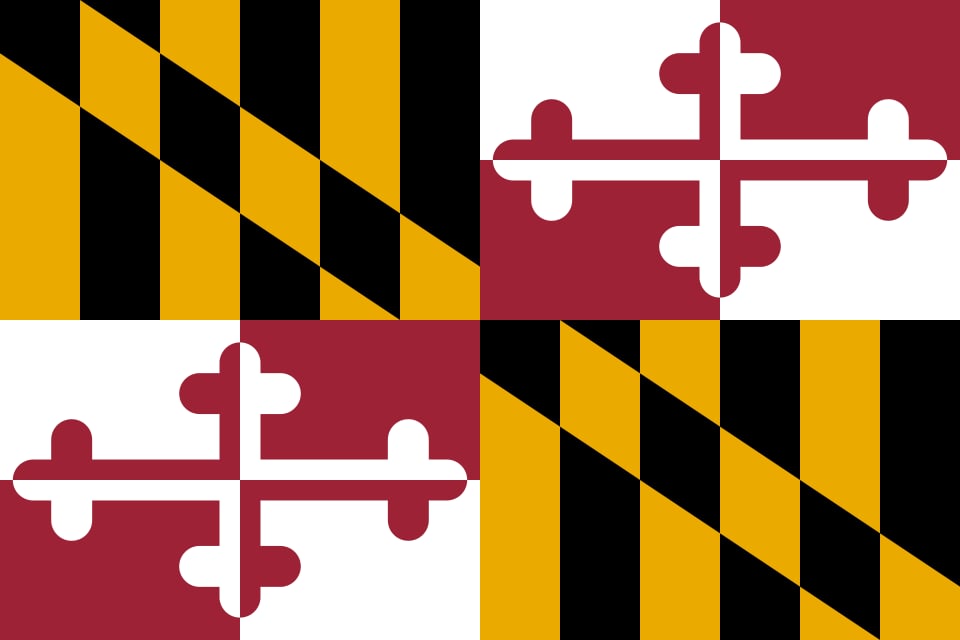
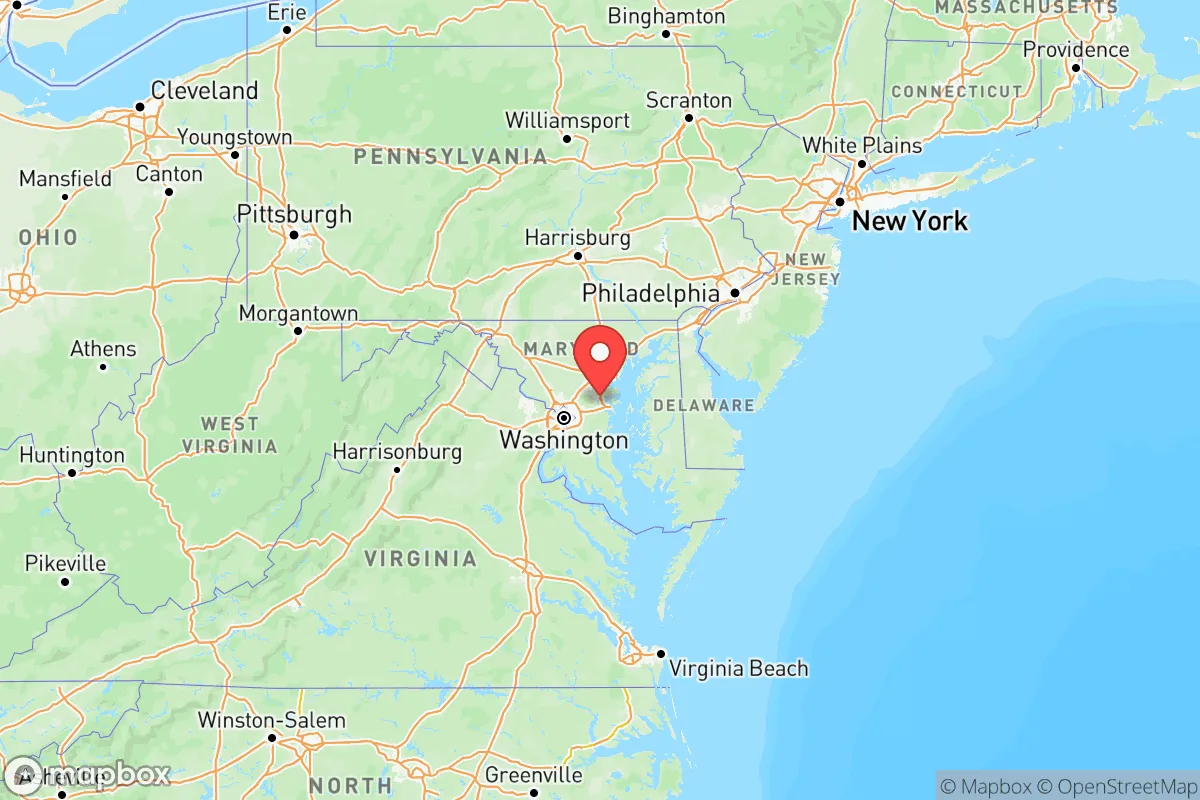
Photo: Wikipedia
Political ClimatePolitical Climate in Maryland
Political Environment in the State
Maryland is a deeply blue state with a Cook PVI of D+17, meaning it votes about 17 points more Democratic than the national average in presidential elections. The state hasn’t voted for a Republican president since George H.W. Bush in 1988, and Democrats hold supermajorities in both chambers of the General Assembly. Over the past 20 years, the state has shifted steadily leftward, driven by explosive population growth in the Washington, D.C. suburbs and the consolidation of progressive power in Baltimore, while rural and exurban areas have become more Republican but lack the numbers to counterbalance the urban centers.
Urban vs. rural divide
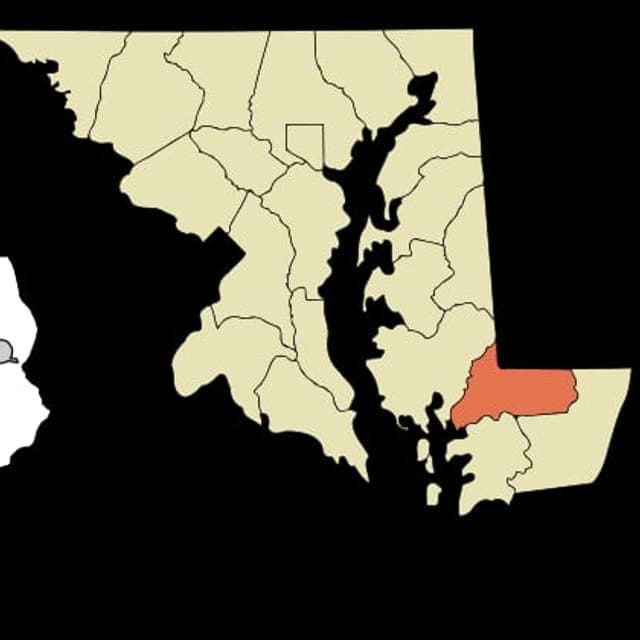
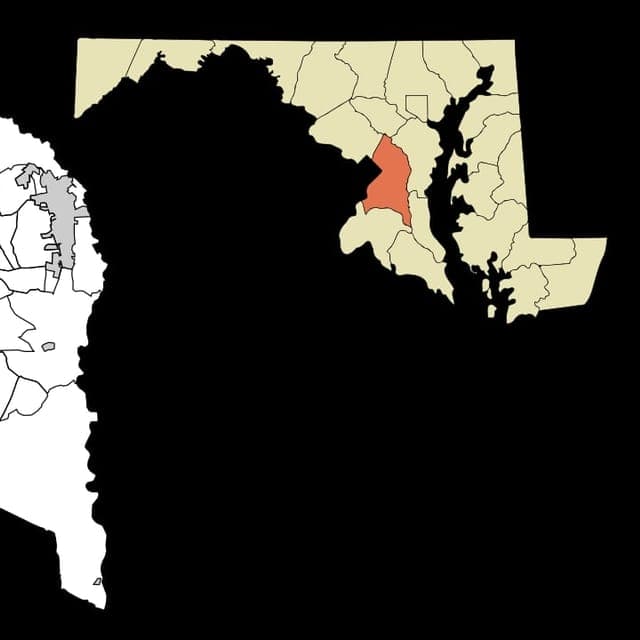
The political map of Maryland is a tale of two worlds. The entire western shore of the Chesapeake Bay, from the D.C. suburbs north through Baltimore and up to the Pennsylvania line, is solidly Democratic. Montgomery County and Prince George’s County alone account for nearly a third of the state’s population and vote about 80% Democratic. Baltimore City is even more lopsided, routinely giving Democrats 90% of the vote. These three jurisdictions effectively decide every statewide election. Meanwhile, the Eastern Shore and western Maryland are Republican strongholds. Garrett County, the state’s westernmost county, voted for Trump by 40 points in 2020. Allegany County and the Eastern Shore counties like Wicomico and Queen Anne’s are reliably red. But these areas simply don’t have the population to compete. A notable exception is Anne Arundel County, home to Annapolis, which has been trending blue as D.C. commuters move in; it voted for Biden by 15 points in 2020 after being a swing county as recently as 2012. Frederick County, once a Republican bastion, has also flipped blue as exurban development from D.C. has transformed its politics.
Policy environment
Maryland’s policy environment is among the most progressive in the country, and the tax burden reflects that. The state has a progressive income tax that tops out at 5.75%, but counties add their own piggyback taxes, pushing the effective rate in places like Montgomery County above 9%. Property taxes are high, and the state’s estate tax kicks in at $5 million, well below the federal exemption. The regulatory posture is heavy: Maryland has some of the strictest environmental regulations in the nation, a statewide plastic bag ban, and a ban on fracking that was passed in 2017. Education policy is dominated by the Blueprint for Maryland’s Future, a massive funding plan that pours billions into public schools but has also centralized control in Annapolis and reduced local autonomy. Healthcare is heavily regulated, with a state-based insurance exchange and Medicaid expansion under the Affordable Care Act. Election laws are among the most permissive in the country: no-excuse mail-in voting, same-day registration, and automatic voter registration are all in place. The state also has a strict gun control regime, including a ban on “assault weapons,” a handgun permit system that requires showing a “good and substantial reason,” and a 10-round magazine limit.
Trajectory & freedom
Maryland is becoming less free, not more, across multiple dimensions. The most significant recent contraction of liberty came with the Firearm Safety Act of 2013, which banned many semi-automatic rifles and imposed the handgun permit requirement that was later partially struck down in the Supreme Court’s Bruen decision. In response, the General Assembly passed a new law in 2023 that requires a 30-day wait for handgun purchases and expands the list of “sensitive places” where guns are banned, effectively trying to circumvent the court ruling. On parental rights, Maryland passed a law in 2023 that prohibits schools from notifying parents if a child changes their gender identity or pronouns, overriding local school board policies. The state also legalized recreational marijuana in 2023, but the regulatory framework is so onerous that many small businesses have been priced out. On medical freedom, Maryland was one of the first states to impose strict COVID-19 vaccine mandates for healthcare workers and state employees, and it has not repealed those mandates. Property rights are constrained by the state’s aggressive use of impact fees and zoning restrictions, particularly in Montgomery and Howard counties, which drive up housing costs and limit development.
Civil unrest & political movements
Maryland has a history of civil unrest, most notably the 2015 Baltimore riots following the death of Freddie Gray, which led to a state of emergency and National Guard deployment. That event reshaped Baltimore politics, leading to the election of State’s Attorney Marilyn Mosby, who later faced federal charges. On the left, activist groups like CASA de Maryland and the ACLU are powerful forces, pushing for sanctuary policies and immigrant protections. The state has a “Trust Act” that limits local law enforcement cooperation with federal immigration authorities, and Baltimore and Montgomery County are de facto sanctuary jurisdictions. On the right, the “We the People” movement and local Republican clubs are active in rural counties, but they have little influence in Annapolis. Election integrity has been a flashpoint: the 2020 election saw widespread use of mail-in ballots, and the state’s automatic voter registration system has been criticized for registering non-citizens, though the state claims safeguards are in place. A notable flashpoint is the debate over the “Kirwan Commission” education reforms, which have sparked protests from parents in rural and suburban areas who feel their local control is being eroded.
Projection
Over the next 5-10 years, Maryland will likely become even more Democratic and more progressive. The D.C. suburbs continue to grow, with Montgomery County adding population while rural counties stagnate or decline. The state’s Democratic supermajority is unlikely to be broken, as gerrymandering has locked in the current map. The trend toward centralized control in Annapolis will accelerate: expect more gun restrictions, more education mandates from the Blueprint, and more environmental regulations. The tax burden will likely increase as the state funds the Blueprint’s massive spending commitments. The one wild card is the potential for a Republican governor in 2026, but even that would only slow the leftward drift, not reverse it. For a conservative moving in now, the expectation should be that the state will continue to expand government control over personal choices, from guns to education to healthcare.
For a new resident, the bottom line is this: Maryland offers proximity to D.C. and a strong economy, but you will pay for it with high taxes, heavy regulation, and a political culture that is increasingly hostile to conservative values. If you value personal freedom, especially on guns, education, and medical choices, you will find yourself swimming against a strong tide. The best you can hope for is to find a red enclave like Garrett County or the Eastern Shore, but even there, state law will override local preferences on most issues. If you’re considering a move, look closely at the specific county and local government, because that’s where you’ll have the most say — but don’t expect Annapolis to leave you alone.

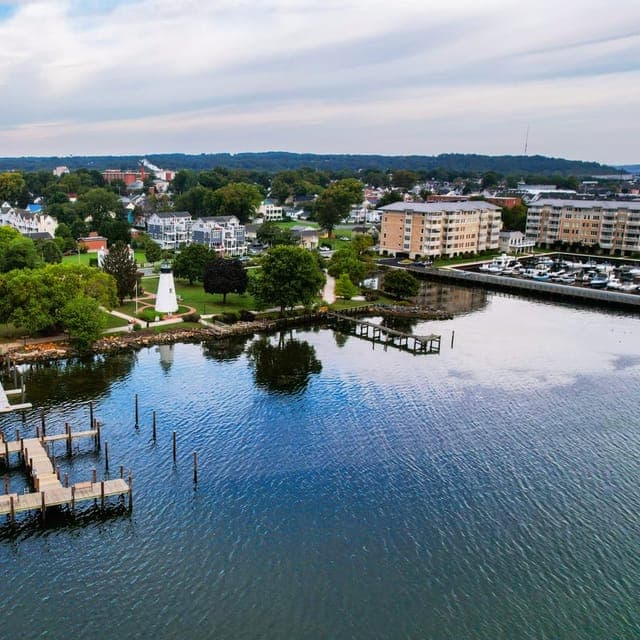
Most Conservative Cities in Maryland
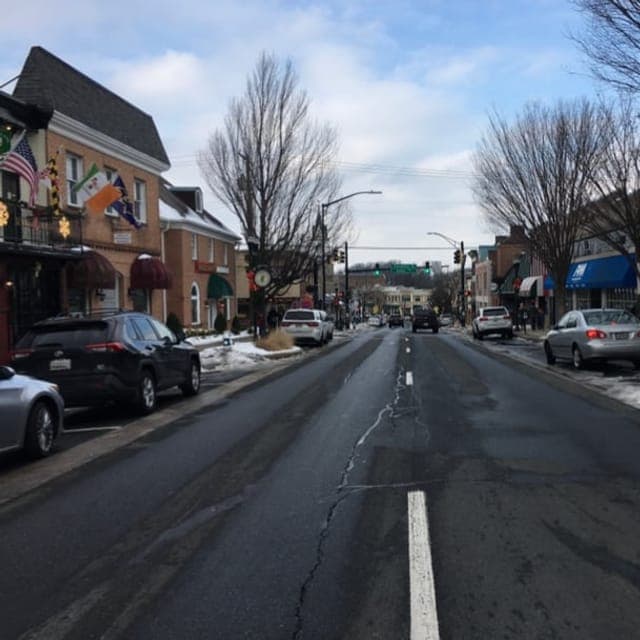
Most Liberal Cities in Maryland

* Values derived from national, state, county, city and local statistics and may differ in a specific area. Last updated: 2026-04-18T22:47:10.000Z
Narrative content on this page is AI-generated and may contain mistakes. Verify any details that matter before acting on them.
ReloMaps may earn a commission from affiliate links at no extra cost to you.

