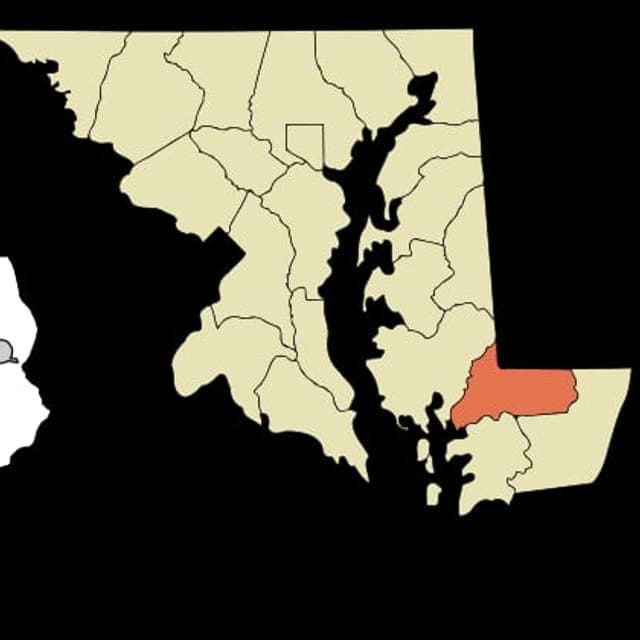
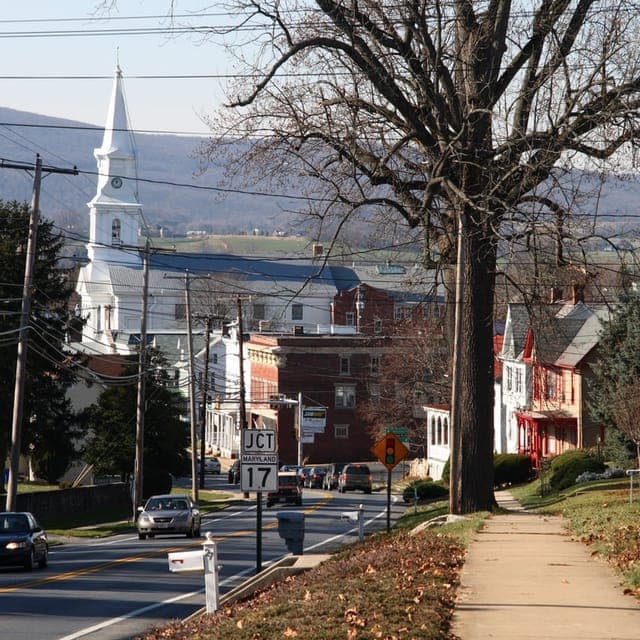
Photo: Wikipedia
Personal Sovereignty in Maryland
Viable for self-reliance. Generally workable, though some barriers may limit total independence.
What does Personal Sovereignty tell us?
Personal Sovereignty measures your capacity for self-reliance and independence with minimal government friction. Higher scores mean fewer barriers between you and the way you want to live... but it assumes you have the space you need and good neighbors.
What does this tell us?
Personal Sovereignty measures your capacity for self-reliance and independence with minimal government friction. Higher scores mean fewer barriers between you and the way you want to live... but it assumes you have the space you need and good neighbors.
State Policy
Energy independence: Importer (8% of energy produced in-state)
Personal Liberty
Homesteading

Personal Liberty Analysis
Maryland presents a deeply conflicted environment for personal sovereignty, where the state’s constitutional history of individual rights clashes with one of the densest regulatory frameworks in the nation. For the strategic relocator—especially those with a survivalist or prepper mindset—the state offers pockets of relative autonomy in its rural western and eastern shores, but the overall trajectory is toward centralized control that erodes self-reliance. The state’s proximity to federal power centers amplifies this tension, making it a place where you must carefully choose your county and municipality to preserve any meaningful degree of personal freedom.
Tax burden and regulatory posture: How Maryland’s fiscal and rule-making environment impacts your autonomy
Maryland’s tax burden is among the highest in the country, ranking consistently in the top five for combined state and local tax rates. The state levies a progressive income tax with rates from 2% to 5.75%, and counties add their own “piggyback” tax, pushing effective rates over 8% in places like Montgomery County and Prince George’s County. Property taxes vary wildly: in rural Garrett County, rates hover around 0.9%, while in Baltimore City they exceed 2.2%. Sales tax is a flat 6%, but it applies to most goods, including some groceries. This fiscal posture directly reduces your ability to stockpile resources, invest in off-grid infrastructure, or maintain financial independence. The regulatory environment is equally aggressive: Maryland has some of the strictest environmental regulations on the Chesapeake Bay, which can limit land use for homesteading, especially in waterfront areas like Anne Arundel County or Queen Anne’s County. The state’s energy policies also mandate a transition to renewable sources, which can complicate off-grid solar setups if you’re tied to the grid. For those seeking maximum financial sovereignty, the western counties—Allegany and Garrett—offer the lowest tax burdens and the least regulatory interference, though even there, state-level mandates apply.
Self-defense and gun law specifics: What Maryland’s firearm regulations mean for your right to protect yourself
Maryland is a shall-issue state for concealed carry after the 2022 Supreme Court decision in NYSRPA v. Bruen, but the process remains burdensome. Applicants must complete a 16-hour training course, pass a live-fire qualification, and submit to a background check that includes mental health records and a review of any protective orders. The state also bans “assault weapons” under the Firearm Safety Act of 2013, which prohibits many popular semi-automatic rifles like the AR-15. Magazine capacity is capped at 10 rounds for long guns and 10 rounds for handguns. This creates a stark divide: in rural areas like Washington County or Cecil County, sheriff’s offices process permits efficiently and local gun culture is strong, with ranges and gun shops common. In contrast, in Montgomery County or Baltimore City, the process is slower and the cultural hostility to firearms is palpable. For the prepper, this means you can legally defend your home with a handgun or shotgun, but building a serious defensive arsenal requires navigating a complex approval system. Stand-your-ground laws do not exist in Maryland; you have a duty to retreat if possible before using deadly force, even in your own home in some interpretations. This legal posture makes self-defense a calculated risk, especially in urban areas where prosecutors are aggressive.
Self-reliance and homesteading viability: Lot sizes, zoning, and off-grid feasibility across Maryland’s regions
Homesteading viability in Maryland is highly location-dependent. In the western panhandle, Garrett County and Allegany County offer large rural lots—often 5 to 20 acres—with minimal zoning restrictions. You can keep chickens, goats, and even small livestock without permits in most unincorporated areas. Off-grid living is feasible here: well water is common, septic systems are standard, and solar panels are allowed, though you must still connect to the grid for net metering under state law. The Eastern Shore, particularly in Dorchester County and Somerset County, offers similar opportunities with larger agricultural parcels, but be aware of wetland restrictions and Chesapeake Bay critical area laws that limit building near waterways. In central Maryland, around Frederick County and Carroll County, lot sizes shrink to 1-3 acres in rural zones, and zoning becomes more restrictive—you’ll need permits for structures like barns or workshops. The worst areas for self-reliance are the suburban counties surrounding Washington, D.C., like Montgomery and Prince George’s, where lot sizes are under half an acre, HOAs often ban livestock, and building codes are stringent. For the serious prepper, the best bet is to target Garrett County near towns like Oakland or Accident, or the Eastern Shore near Cambridge or Princess Anne, where land is affordable and regulations are lighter.
Personal liberties: Parental rights, medical autonomy, speech, and property protections
Maryland’s record on personal liberties is mixed. Parental rights are relatively strong in theory—the state allows homeschooling with minimal oversight, requiring only a simple notice and portfolio review. However, the state’s education system is heavily centralized, and curriculum mandates in public schools can conflict with conservative values, particularly around sex education and critical race theory. Medical autonomy is under significant pressure: Maryland has strict vaccine mandates for school attendance, and during the COVID-19 pandemic, the state imposed some of the longest-lasting emergency orders in the country. For the prepper, this means stockpiling medical supplies and maintaining a private medical network is prudent, as government overreach in health decisions is a real risk. Free speech is protected under the First Amendment, but Maryland has a “hate speech” statute that can be used to prosecute speech deemed threatening or harassing, which some conservatives view as a chilling effect on political discourse. Property rights are the weakest link: the state’s strong eminent domain powers, combined with environmental regulations, mean your land use can be restricted without compensation. For example, the Chesapeake Bay Critical Area Law limits development within 1,000 feet of tidal waters, and the state’s Forest Conservation Act requires replanting if you clear trees. This makes true property sovereignty difficult, especially in the central and coastal regions.
Overall, Maryland ranks low for personal sovereignty compared to states like West Virginia or Idaho, but it is not a total loss for the strategic relocator. The key is to choose your location carefully: the rural western counties and the Eastern Shore offer a semblance of self-reliance, while the urban and suburban corridors are hostile to individual freedom. If you are willing to navigate the state’s regulatory maze and accept a higher tax burden, you can carve out a life of relative autonomy. But for those seeking maximum independence—where your gun rights are unfettered, your land is yours to use as you see fit, and your family’s medical and educational choices are yours alone—Maryland is a compromise, not a sanctuary. The state’s proximity to federal power and its progressive political dominance ensure that government overreach will remain a constant threat, making it a place where vigilance, not complacency, is the price of liberty.

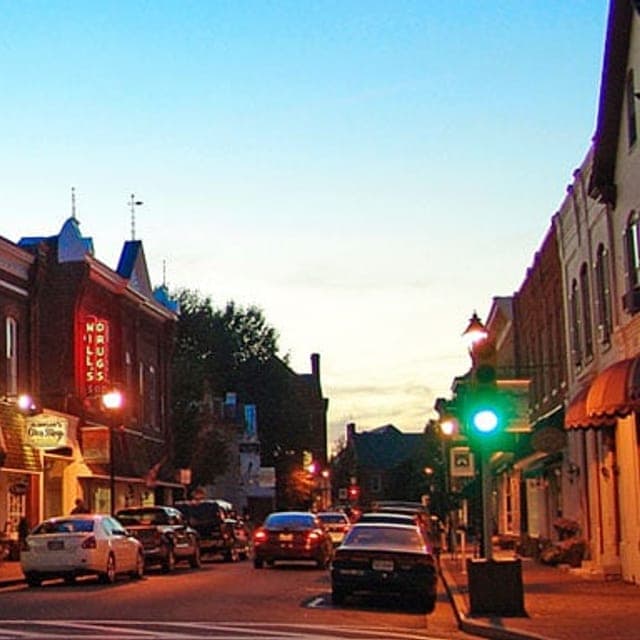
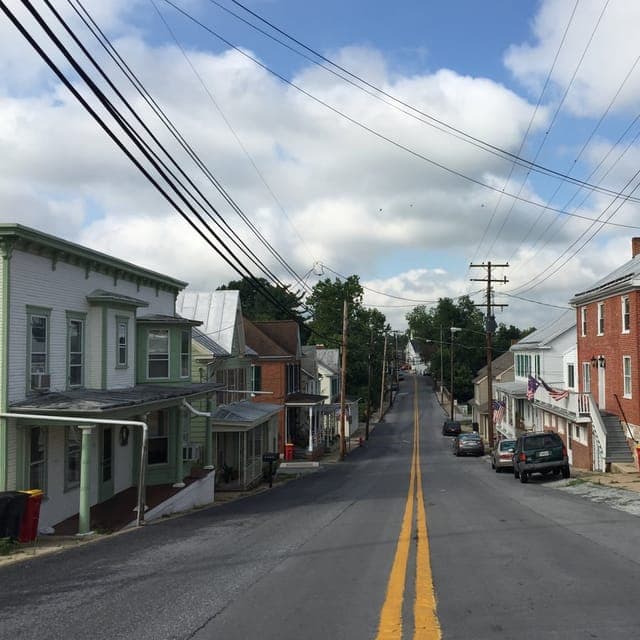
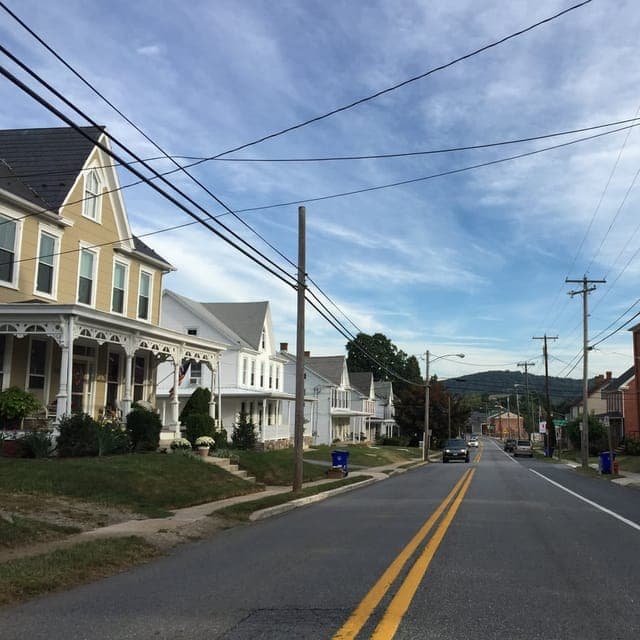
Top Cities for Personal Sovereignty in Maryland




* Values derived from national, state, county, city and local statistics and may differ in a specific area. Last updated: 2026-04-18T22:47:10.000Z
Narrative content on this page is AI-generated and may contain mistakes. Verify any details that matter before acting on them.
ReloMaps may earn a commission from affiliate links at no extra cost to you.

