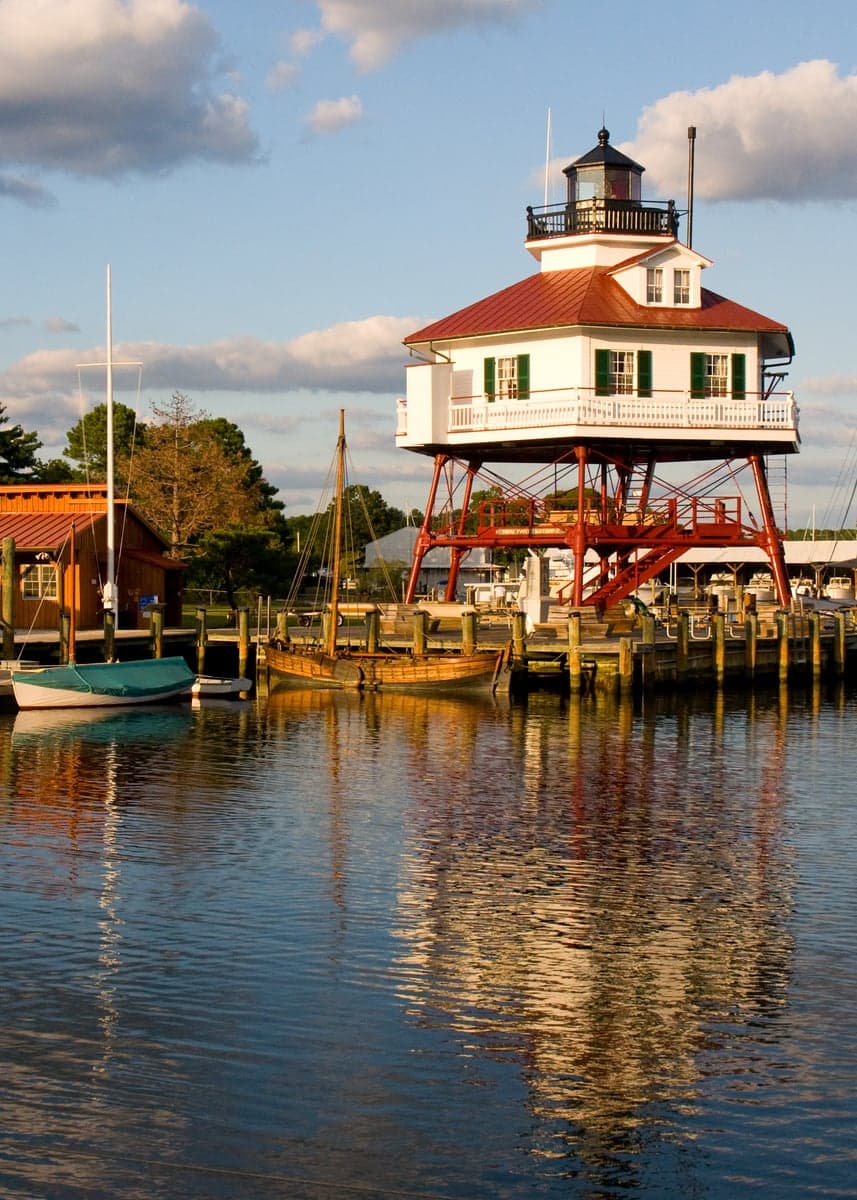
Photo: Wikipedia
Quality of Life in Calvert County
A livable area that tracks near national norms for affordability, walkability, and neighborhood health.
What does Quality of Life tell us?
Quality of Life measures an area by evaluating factors like cost of living, nearby amenities, country club access, airport proximity, socioeconomic signals and neighborhood character. For large states, this is a general average — quality of life can vary dramatically between metro areas, suburbs, and rural communities within the same state.
What does this tell us?
Quality of Life measures an area by evaluating factors like cost of living, nearby amenities, country club access, airport proximity, socioeconomic signals and neighborhood character. For large states, this is a general average — quality of life can vary dramatically between metro areas, suburbs, and rural communities within the same state.
Cost of Living
50% above national average
105%
The Real Cost of Living in Calvert County for 2026
| Tier | Individual | Family (4) |
|---|---|---|
| Survival | $27k | $51k |
| Comfortable | $86k | $126k |
| Luxury | $180k+ | $280k+ |
| Elite (Top 5%) | $212k+ | $329k+ |
Quality-of-Life Analysis
Calvert County, Maryland, offers a spectrum of quality-of-life options that range from the suburban, amenity-rich town of Prince Frederick to the quiet, waterfront villages of Solomons and North Beach, with large swaths of rural farmland and forest in between. The county’s character is defined by its Chesapeake Bay shoreline, a strong military and government employment base, and a cost of living index of 150 (50% above the national average) that reflects its desirability as a commuter haven for Washington, D.C., and Annapolis. People drawn to the county’s different parts tend to sort by lifestyle preference: families seeking schools and services gravitate to Prince Frederick, while retirees and second-home buyers favor the coastal communities, and those wanting acreage and privacy settle into the rural interior around Huntingtown and St. Leonard.
Largest town(s) & population centers
Prince Frederick is the county seat and undisputed commercial hub, home to the Calvert County government complex, CalvertHealth Medical Center, and the majority of retail and dining options along MD-2/4. Daily life here is suburban and car-dependent, with a median home value of $440,200 and median rent of $1,701 anchoring a housing market that is expensive by Maryland standards but still more affordable than nearby Anne Arundel or Montgomery counties. The town hosts the Calvert County Public Schools headquarters and the College of Southern Maryland’s Prince Frederick campus, making it a magnet for families. Lusby, anchored by the Calvert Cliffs Nuclear Power Plant and the adjacent Cove Point LNG terminal, is the county’s second-largest population center, offering a mix of mid-century ranch homes and newer subdivisions like the Chesapeake Ranch Estates. Commuters from both towns face an average drive time of 40.7 minutes, with many heading north to Joint Base Andrews or the Patuxent River Naval Air Station in neighboring St. Mary’s County.
Smaller towns & rural pockets
Calvert County’s smaller communities each carry a distinct identity. Solomons, at the southern tip, is a historic fishing village turned tourist and retirement destination, with the Calvert Marine Museum, waterfront restaurants, and the Annmarie Sculpture Garden. Housing here skews toward condos and townhomes near the boardwalk, with prices often exceeding the county median. North Beach and Chesapeake Beach, on the northern bay shore, are resort towns with public beaches, a fishing pier, and the Chesapeake Beach Railway Museum; they attract weekenders from D.C. and offer a more laid-back, seasonal vibe. Inland, Huntingtown and St. Leonard are unincorporated rural pockets where large-lot homes on 2–5 acres are common, and residents rely on septic systems and well water. Owings and Sunderland are crossroads communities with little commercial development, serving as bedroom neighborhoods for those who want land without being fully isolated.
Cost & lifestyle range
The cost of living and amenities vary sharply across the county. At the high end, waterfront properties in Solomons and along the Patuxent River can command $600,000–$900,000, with a lifestyle centered on boating, dining out, and proximity to the Naval Air Station. At the more affordable end, interior areas like Dares Beach and Port Republic offer older homes on larger lots for $350,000–$400,000, though these areas lack sidewalks, streetlights, and nearby grocery stores. The county’s overall COL index of 150 is driven primarily by housing and transportation costs; utilities and groceries are closer to the national average. Prince Frederick sits in the middle of the spectrum, with newer townhome developments and apartments near the hospital and shopping centers, while Lusby offers the lowest entry point for single-family homes, with some fixer-uppers under $300,000. The trade-off is clear: waterfront and town-center convenience command a premium, while rural areas trade amenities for space and lower property taxes.
Who thrives in Calvert County? The county is best suited for commuters who can tolerate a 40-minute drive to military bases or federal jobs, families who prioritize Calvert County Public Schools (consistently ranked among Maryland’s top 10), and retirees seeking a slower pace with access to the Chesapeake Bay. It is less ideal for young renters seeking nightlife or walkable urbanism, as the county lacks a true downtown core and public transit is minimal. The mix of suburban convenience in Prince Frederick, coastal charm in Solomons, and rural privacy in Huntingtown means most lifestyle preferences can be accommodated — provided the budget and commute tolerance align.

Crime in Calvert County
Higher crime rates than 58% of comparable U.S. locations.
Violent CrimeViolent Crime Analysis
Property CrimeProperty Crime Analysis
Crime Analysis
Calvert County, Maryland, presents a mixed safety profile for prospective residents. With a violent crime rate of 360.3 per 100,000 residents and a property crime rate of 1,833.7 per 100,000, the county sits notably above the national average for violent offenses but below the state average for property crime. Understanding where these incidents concentrate and how local law enforcement and judicial policies shape safety is critical for anyone evaluating relocation to this Chesapeake Bay community.
Crime in context
Calvert County’s violent crime rate of 360.3 per 100,000 is roughly 25% higher than the national average of approximately 288 per 100,000, though it remains lower than Maryland’s statewide violent crime rate of about 470 per 100,000. The property crime rate of 1,833.7 per 100,000 sits below both the national average (around 1,950) and the Maryland average (approximately 2,100). These figures place Calvert County in a middle tier among Maryland jurisdictions: safer than Prince George’s County or Baltimore City, but more dangerous than neighboring St. Mary’s County or rural Charles County. The county’s location within the Washington, D.C. metro area means it shares some regional crime pressures, including drug trafficking along the Route 4 corridor and property theft linked to transient populations.
What residents experience
Residents in Calvert County most frequently encounter property crimes—theft from vehicles, burglary, and larceny—which account for roughly 85% of all reported incidents. Violent crime, while less common, includes aggravated assault as the dominant category, with robbery and homicide occurring at lower frequencies. Prince Frederick, the county seat and largest commercial hub, sees the highest concentration of both property and violent incidents, driven by its retail density and population draw. In contrast, the waterfront communities of Solomons and North Beach report significantly lower crime rates, particularly for violent offenses, owing to their smaller year-round populations and higher property values. The town of Chesapeake Beach falls between these extremes, with property crime rates comparable to Prince Frederick but violent crime rates closer to Solomons. Residents in suburban subdivisions near Huntingtown and Lusby typically experience the lowest overall crime rates in the county, though vehicle break-ins remain a persistent nuisance.
Neighborhood-level variation and judicial concerns
Crime in Calvert County is not evenly distributed. The unincorporated areas around Prince Frederick and along the Route 4 corridor—particularly near the Calvert County Courthouse and shopping centers—see elevated incident reports. Conversely, the gated communities and waterfront enclaves of Solomons Island and Drum Point enjoy crime rates well below the county average. A significant concern for safety-conscious residents is the judicial philosophy in Calvert County’s District Court and Circuit Court. Progressive-leaning judges in the 7th Judicial Circuit, which includes Calvert, Charles, and St. Mary’s counties, have increasingly adopted pretrial release policies and reduced sentencing for nonviolent property offenders. This approach, while intended to reduce incarceration, has resulted in repeat offenders cycling through the system more quickly. Residents in Prince Frederick and Lusby report frustration with property crime recidivism, as offenders arrested for theft or burglary often return to the same neighborhoods within weeks. For those prioritizing safety, neighborhoods in Solomons, North Beach, and rural Huntingtown offer the best combination of low crime rates and distance from the county’s most active criminal justice dynamics.
* Values derived from national, state, county, city and local statistics and may differ in a specific area. Last updated: 2026-06-12T16:56:14.000Z
Narrative content on this page is AI-generated and may contain mistakes. Verify any details that matter before acting on them.
ReloMaps may earn a commission from affiliate links at no extra cost to you.

