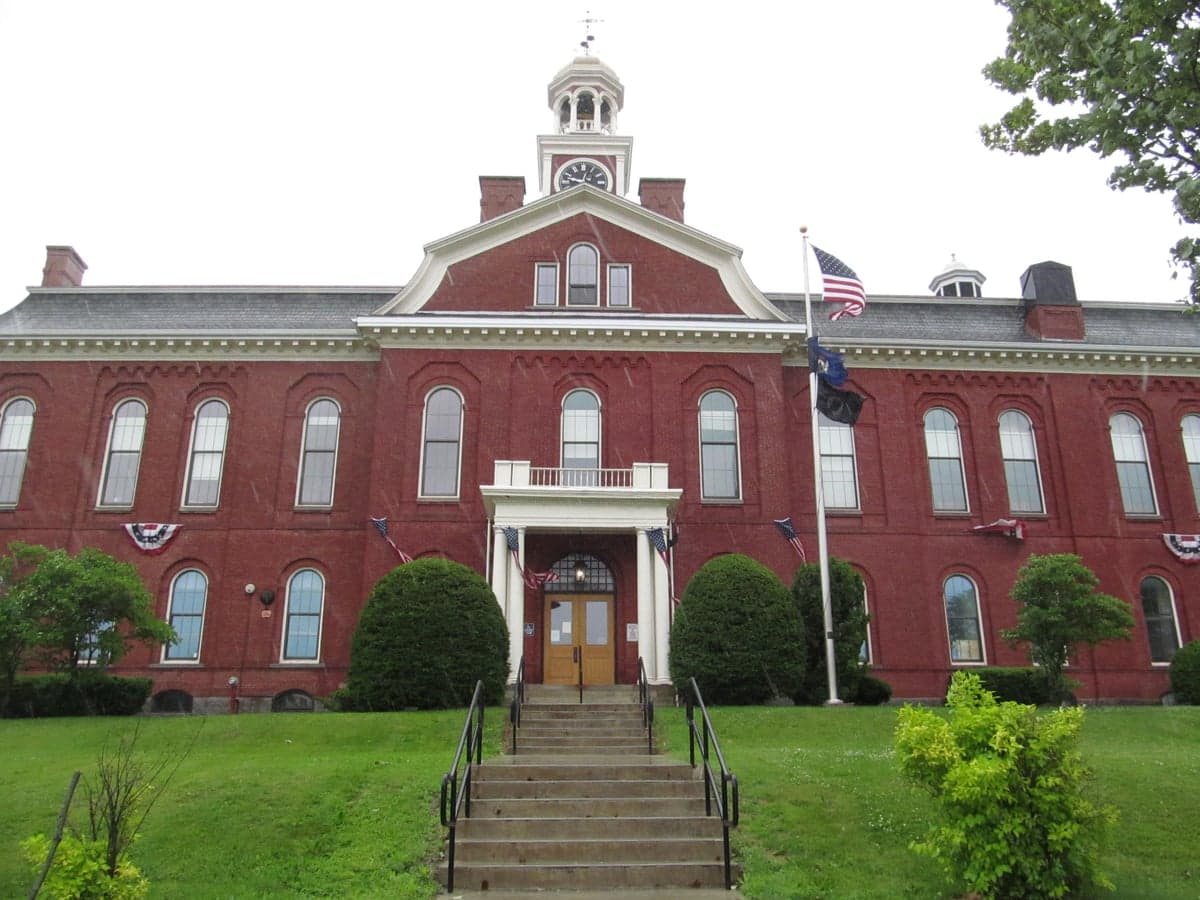
Photo: Wikipedia
Quality of Life in Aroostook County
A livable area that tracks near national norms for affordability, walkability, and neighborhood health.
What does Quality of Life tell us?
Quality of Life measures an area by evaluating factors like cost of living, nearby amenities, country club access, airport proximity, socioeconomic signals and neighborhood character. For large states, this is a general average — quality of life can vary dramatically between metro areas, suburbs, and rural communities within the same state.
What does this tell us?
Quality of Life measures an area by evaluating factors like cost of living, nearby amenities, country club access, airport proximity, socioeconomic signals and neighborhood character. For large states, this is a general average — quality of life can vary dramatically between metro areas, suburbs, and rural communities within the same state.
Cost of Living
43% below national average
144%
The Real Cost of Living in Aroostook County for 2026
| Tier | Individual | Family (4) |
|---|---|---|
| Survival | $12k | $22k |
| Comfortable | $26k | $38k |
| Luxury | $98k+ | $152k+ |
| Elite (Top 5%) | $117k+ | $181k+ |
Quality-of-Life Analysis
Aroostook County, Maine—often called "The County"—offers a quality-of-life spectrum that stretches from small but service-rich border towns to remote, off-grid homesteads, with a cost of living nearly half the national average. With a cost-of-living index of 57 (100 = U.S. average), a median home value of $131,700, and a remarkably short average commute of 19 minutes, the county attracts a distinct mix of people: outdoor enthusiasts, work-from-home professionals seeking land, agricultural workers in the potato belt, and retirees on fixed incomes. The experience of living here changes dramatically depending on whether one chooses a population center like Presque Isle or a backroad hamlet like New Sweden.
Largest towns & population centers
The county's economic and social anchors are Presque Isle (pop. ~9,000), Caribou (~7,500), and Fort Kent (~4,000). Presque Isle, home to Northern Maine Community College and the Northern Maine Regional Hospital, functions as the unofficial capital—offering Walmart, chain restaurants, a regional airport (PQI), and the University of Maine at Presque Isle. Daily life here includes grocery shopping at Hannaford, catching a minor-league baseball game, and commuting to jobs in healthcare, education, and potato processing. Caribou, 10 miles north, has a similar feel but with a stronger blue-collar heritage tied to the Loring Commerce Centre (former Air Force base). Both towns provide reliable cell service, plowed roads, and typical New England church-and-post-office rhythms. Fort Kent, on the Canadian border, offers the University of Maine at Fort Kent and cross-border shopping access, with French-English bilingualism woven into daily life. Median rent in these towns runs roughly $700–$800 per month, well within reach for a single earner at minimum wage.
Smaller towns & rural pockets
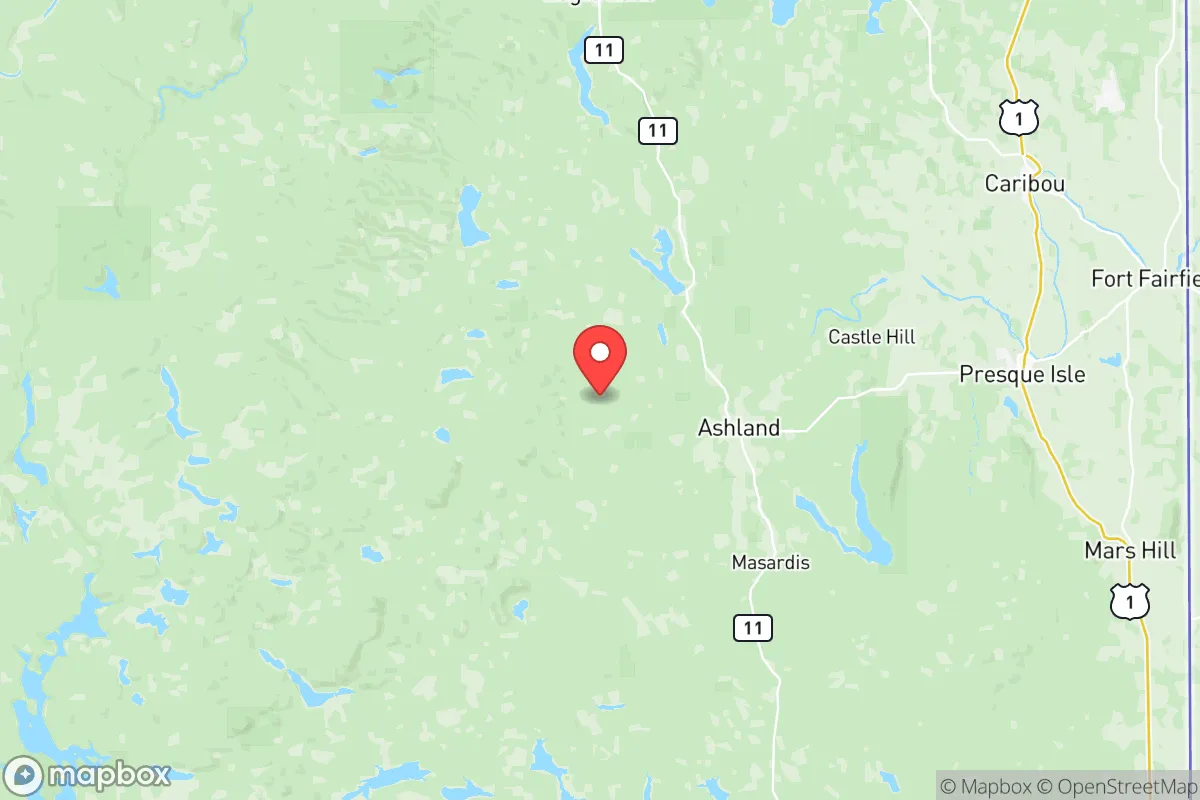
Beyond the population centers, Aroostook's character shifts dramatically. Mars Hill (pop. ~1,400), Houlton (~4,600), and Madawaska (~3,800) sit along U.S. Route 1 as distinct communities. Mars Hill, near the mountain of the same name, offers reliable snowmobile trail access from your doorstep. Houlton, the "Gateway to Maine" at the New Brunswick border, has a historic downtown with an independent movie theater and the county's best antiques shopping. Further north, the St. John Valley towns of Van Buren, St. Agatha, and Frenchville form a Catholic, Acadian cultural corridor where many residents still speak French at home. For true remoteness, unincorporated townships like Allagash (pop. ~240) and Oxbow (pop. ~60) offer no grocery stores, limited cell coverage, and mile-long driveways—but land can be found for under $1,000 per acre. The rural pockets around Ashland, Portage Lake, and Sinclair provide lakefront living with seasonal cabin communities.
Cost & lifestyle range
The cost spread within Aroostook is narrower than in southern Maine but significant in lived experience. At the low end, a three-bedroom home in rural Caribou or Presque Isle outskirts might sell for $90,000–$110,000, while a renovated farmhouse in Houlton with acreage runs $130,000–$160,000—still well below the county median home value of $131,700. At the upper end, lakefront properties on Long Lake in Sinclair or Portage Lake (Portage Township) can reach $250,000–$350,000, rare for this market. Rentals reflect similar compression: a two-bedroom in a Presque Isle strip mall apartment complex goes for $750–$850, while a remote cabin near Allagash might rent for $500–$600 but with a 30-minute drive to the nearest grocery store. The average commute of 19 minutes holds true across the county, but the difference is one of pavement versus gravel: in Madawaska, the drive is paved four-lane; in Oxbow, it's 12 miles of dirt road that requires four-wheel drive in mud season. Amenities drop off steeply beyond the Route 1 corridor—Fort Kent has a hospital, but Van Buren has only a walk-in clinic.
Those who thrive in Aroostook County are self-reliant individuals who value space over convenience. The county is ideal for remote workers with fiber internet (available in Presque Isle, Caribou, Fort Kent, and Houlton, but spotty beyond), retirees with limited fixed incomes, and young families who want a house and yard without a mortgage. It works poorly for those needing frequent flights, diverse dining, or high-end retail—drives to Bangor or Quebec City take 3+ hours. The quality-of-life tradeoff is clear: the lowest housing costs in New England, the shortest commutes in Maine, and a social fabric built on community suppers and snowmobile clubs, all at the price of isolation and harsh winters.

Crime in Aroostook County
Lower crime rates than 81% of comparable U.S. locations.
Violent CrimeViolent Crime Analysis
Property CrimeProperty Crime Analysis
Crime Analysis
Aroostook County, Maine’s northernmost county, maintains a violent crime rate of 93.4 incidents per 100,000 residents, a figure significantly lower than both the state average of 114 per 100,000 and the national rate of roughly 380 per 100,000. The property crime rate of 944.9 per 100,000 also falls below Maine’s overall rate of 1,224 per 100,000 and is roughly half the national average of 1,954 per 100,000. While the county is generally safe, localized variations exist between its larger commercial hubs and smaller rural communities, often influenced by the effectiveness of local law enforcement and the judicial philosophy of elected prosecutors.
Crime in context
Aroostook County’s crime statistics position it as one of the safest regions in the state for both violent and property offenses. The violent crime rate of 93.4 per 100K is about 18% lower than the Maine state average and roughly 75% lower than the national benchmark. Property crime, at 944.9 per 100K, is 23% below the Maine average. Compared to more urbanized parts of the state—such as Portland or Lewiston—Aroostook’s figures are dramatically lower. However, the county’s numbers are pulled slightly upward by the larger towns of Presque Isle and Caribou, which report higher rates of theft, burglary, and motor vehicle theft than the county’s rural townships. By contrast, smaller communities like Fort Kent, Madawaska, and Van Buren consistently report negligible violent crime and property crime rates well below the county average, reflecting tight-knit populations and active community policing.
What residents experience
For most residents, daily life in Aroostook County is marked by a strong sense of security. The county benefits from a robust Maine State Police presence and a network of dedicated local sheriff’s departments in each town. Violent crime is rare and typically limited to isolated domestic incidents or disputes among known parties—it rarely spills into public view. Property crime, while more common, tends to target unoccupied seasonal residences and outbuildings rather than occupied homes. In Houlton, the county’s southern gateway, officials have noted a slight uptick in thefts tied to transient populations traveling along the Interstate 95 corridor, but these remain infrequent. A significant factor maintaining low crime is the region’s judicial district. The Aroostook County District Attorney’s Office is known for a traditional, prosecution-focused approach, consistently seeking meaningful sentences for repeat offenders and violent criminals. This stands in contrast to the progressive, rehabilitation-only policies seen in some larger urban jurisdictions—policies that often result in lower consequences for offenders and higher recidivism rates elsewhere. In Aroostook, the balance remains firmly on the side of public safety and victim justice, which contributes to the area’s persistently low crime figures.
Neighborhood-level variation is most apparent between the commercial corridors of Presque Isle and the quiet rural subdivisions of places like Mars Hill and Limestone. Presque Isle, the county’s largest city and economic hub, sees higher foot traffic and commercial activity, which elevates its property crime rate slightly above the county mean. However, even Presque Isle’s numbers are a fraction of those in comparably sized towns elsewhere in Maine. The remote towns along the Canadian border—such as Allagash and St. Agatha—report crime rates so low they are statistically negligible. Residents across Aroostook County consistently cite the ability to leave doors unlocked and the willingness of neighbors to watch out for one another as defining features of daily life. For those seeking a rural environment with genuinely low crime and a justice system that prioritizes public safety over offender accommodation, Aroostook County stands as a reliably safe option.
* Values derived from national, state, county, city and local statistics and may differ in a specific area. Last updated: 2026-07-01T05:27:24.000Z
Narrative content on this page is AI-generated and may contain mistakes. Verify any details that matter before acting on them.
ReloMaps may earn a commission from affiliate links at no extra cost to you.

