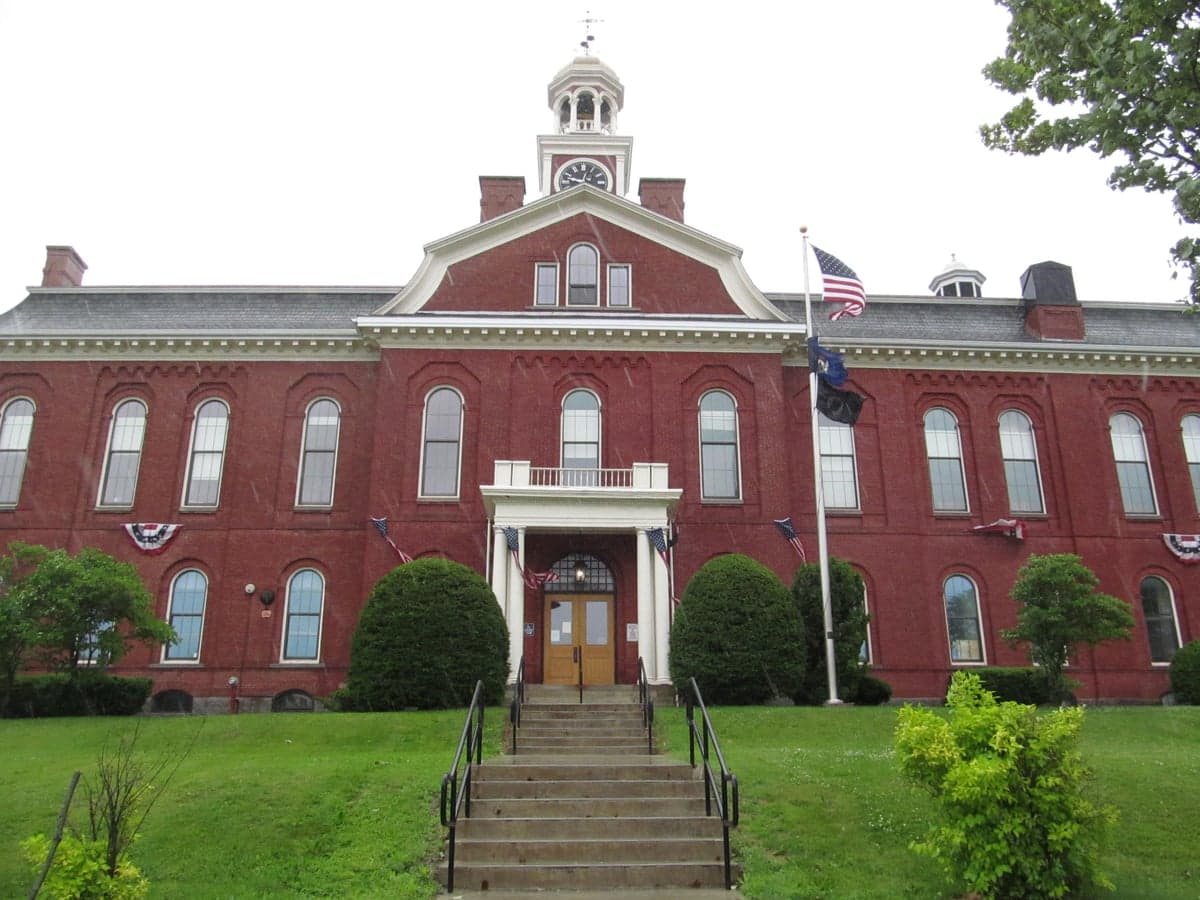
Photo: Wikipedia
Personal Sovereignty in Aroostook County
Viable for self-reliance. Generally workable, though some barriers may limit total independence.
What does Personal Sovereignty tell us?
Personal Sovereignty measures your capacity for self-reliance and independence with minimal government friction. Higher scores mean fewer barriers between you and the way you want to live... but it assumes you have the space you need and good neighbors.
What does this tell us?
Personal Sovereignty measures your capacity for self-reliance and independence with minimal government friction. Higher scores mean fewer barriers between you and the way you want to live... but it assumes you have the space you need and good neighbors.
State Policy
Energy independence: Importer (30% of energy produced in-state)
Personal Liberty
Homesteading

Personal Liberty Analysis
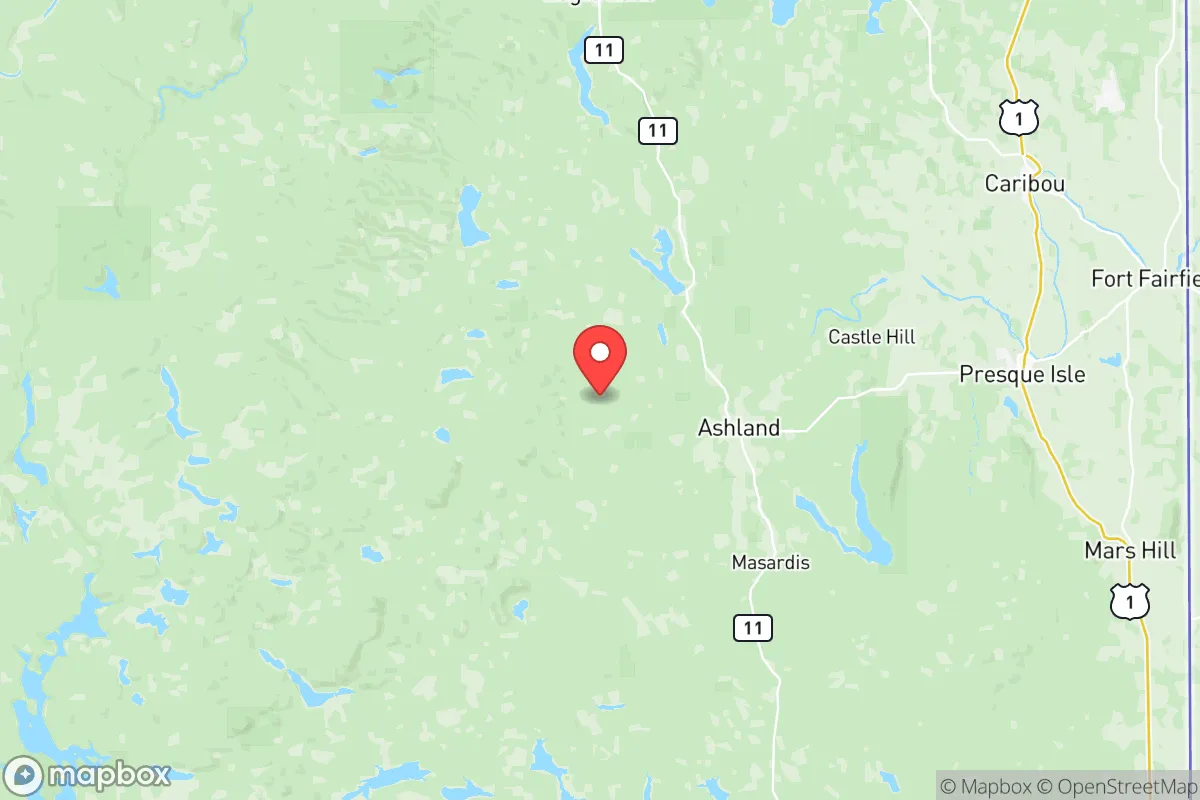
For individuals and families who prioritize personal sovereignty above all else, Aroostook County, Maine, offers one of the lightest-touch regulatory environments in the northeastern United States. Known locally as "The County," this vast, rural region—larger than Connecticut and Rhode Island combined—presents an autonomy profile that is substantially freer than Portland, Augusta, or even much of southern Maine. The county’s low population density (roughly 11 people per square mile), combined with Maine’s constitutional protections and a deeply ingrained frontier ethos, creates a baseline for self-determination that is rare in New England. However, local variations matter: the regulatory posture and culture of freedom differ meaningfully between the central hub of Presque Isle, the small city of Caribou near the Canadian border, and the more remote unincorporated townships like those around Ashland or Portage Lake.
Tax burden and regulatory environment across Aroostook County
Aroostook County’s tax burden is moderate by Maine standards, but still relatively high compared to the most tax-free states. Maine’s state income tax is progressive, with a top marginal rate of 7.15%, and the state sales tax is 5.5%. Property taxes in Aroostook County typically range from 1.2% to 1.6% of assessed value, significantly lower than coastal Maine counties but higher than parts of the South or Midwest. The real sovereignty advantage lies in the county’s regulatory culture. Aroostook County has some of the most permissive zoning in New England: in towns like Fort Fairfield, Limestone, and Van Buren, there are often no building codes for rural residential construction, and agricultural land use is virtually unrestricted. The unorganized townships—about half the county’s land area—have no local government at all, meaning no property tax (though state taxes still apply) and minimal township-level regulation. This contrasts sharply with Presque Isle and Caribou, which have municipal codes, building permits, and stricter subdivision rules. Overall, the county’s regulatory posture is best described as "light-touch within a progressive state framework"—the state sets baseline environmental and labor rules, but local enforcement is often minimal to nonexistent in the most remote areas.
Self-defense rights and gun law specifics in the Maine north woods
Maine is a "shall-issue" state for concealed carry permits, with no discretionary denial, and Aroostook County has one of the highest rates of gun ownership in New England. The county is part of Maine’s Second District, where voters consistently support the state’s constitutional carry law (effective since 2015, allowing permitless carry for anyone legally able to possess a firearm). Stand-your-ground principles apply under Maine’s justifiable force statute, which does not impose a duty to retreat if a person is lawfully present. In practice, Caribou and Houlton have particularly strong gun cultures—local shooting ranges, gun shows, and competitive shooting events are common. The county sheriff’s offices in Aroostook are known for pro-Second Amendment interpretation of state law; for example, applying for a concealed carry permit (still recommended for reciprocity) is straightforward, with wait times typically under 30 days. However, buyers should note that Maine state law does require a background check for all firearm sales, including private party transactions, though enforcement in unorganized townships is practically minimal. The remote areas around Ashland and Eagle Lake have a culture of armed self-reliance, with many homes visibly possessing firearms for both defense and hunting—a reality that aligns with the area’s strong wildlife defense needs (bears, moose, and coyotes are common).
Homesteading viability, lot sizes, and off-grid living in The County
Aroostook County is arguably the best place in New England for self-sufficient homesteading. Minimum lot sizes in the unorganized territories are typically 5 acres, but in practice, most rural parcels range from 10 to 100 acres, with land prices often below $1,000 per acre. Towns like Fort Kent and Madawaska have looser zoning than Presque Isle, but even in the county’s more populated areas, keeping livestock and building outbuildings is rarely restricted. Off-grid living is completely feasible: Maine has no statewide prohibition on rainwater collection, and many homesteaders install solar, wind, or wood-fired systems without building permits in unzoned areas. The biggest practical constraint is climate—the growing season is short (average 90–110 frost-free days), and winter heating costs are high. Wells and septic systems are regulated by the state health department, but the permitting process in rural Aroostook is straightforward and low-cost. The unorganized townships south of Portage Lake are especially popular with off-gridders because they have no local government, no building codes, and no property tax, though state income and sales taxes still apply. The county’s historical reliance on potato farming and timber means that rural property is commonly sold with rights for logging, hunting, and resource extraction, further supporting a self-reliance lifestyle.
Personal liberties: parental rights, medical autonomy, speech, and property
Maine is a blue state on many social issues, but Aroostook County’s political geography creates what locals call a "live and let live" culture. Parental rights are broadly respected in the county, with homeschooling being very common—Maine requires only a simple notice of intent and annual assessment, with minimal oversight. The county’s schools, particularly in Presque Isle and Houlton, are generally deferential to parental decisions regarding curriculum and vaccination, though state law does mandate certain school vaccines. Medical autonomy is more complicated: Maine has a state-run health insurance exchange and relatively strict vaccine mandates for healthcare workers, but in rural Aroostook, enforcement is lax, and many doctors accept alternative treatment preferences. Free speech is protected under Maine’s state constitution, which has some of the strongest free expression language in the nation. Property rights are the strongest sovereignty draw: the county’s extensive unorganized territories mean that private landowners face fewer eminent domain threats and zoning restrictions than any other part of New England. The Allagash region and St. John Valley have a particularly independent cultural tradition, with generations-long family landholdings and minimal government interaction. For families, the main limitation on personal sovereignty is state-level taxation and environmental regulations affecting large-scale development, but for a single individual or family seeking to live quietly on their own land, Aroostook County provides an unmatched level of autonomy within the northeastern US.
Compared to the rest of the country, Aroostook County represents a middle ground—not as unregulated as rural Alaska or parts of the West where federal land dominates, but far freer than any suburban or urban area in the Northeast. The county’s combination of constitutional gun carry, permissive land-use rules, low property taxes in unorganized townships, and a deep culture of self-reliance makes it one of the top sovereignty destinations east of the Mississippi. The trade-off is that state-level income and sales taxes are unavoidable, and the climate demands serious self-sufficiency skill. For a libertarian-leaning family or individual who values being left alone over being completely tax-free, Aroostook County offers a rare balance of personal liberty and practical rural living that few other places in the region can match.

* Values derived from national, state, county, city and local statistics and may differ in a specific area. Last updated: 2026-07-01T05:27:24.000Z
Narrative content on this page is AI-generated and may contain mistakes. Verify any details that matter before acting on them.
ReloMaps may earn a commission from affiliate links at no extra cost to you.

