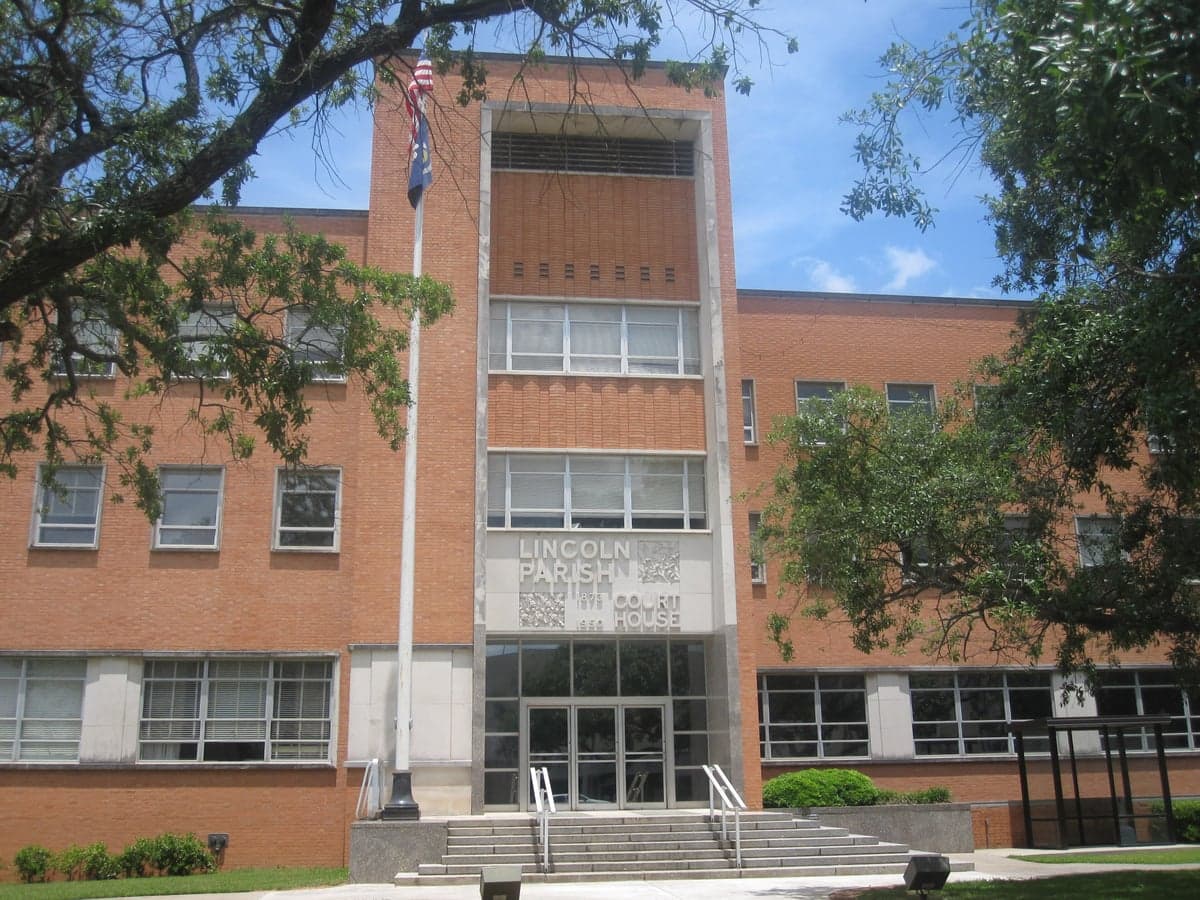
Photo: Wikipedia
Quality of Life in Lincoln County
A livable area that tracks near national norms for affordability, walkability, and neighborhood health.
What does Quality of Life tell us?
Quality of Life measures an area by evaluating factors like cost of living, nearby amenities, country club access, airport proximity, socioeconomic signals and neighborhood character. For large states, this is a general average — quality of life can vary dramatically between metro areas, suburbs, and rural communities within the same state.
What does this tell us?
Quality of Life measures an area by evaluating factors like cost of living, nearby amenities, country club access, airport proximity, socioeconomic signals and neighborhood character. For large states, this is a general average — quality of life can vary dramatically between metro areas, suburbs, and rural communities within the same state.
Cost of Living
30% below national average
68%
The Real Cost of Living in Lincoln County for 2026
| Tier | Individual | Family (4) |
|---|---|---|
| Survival | $13k | $25k |
| Comfortable | $38k | $56k |
| Luxury | $69k+ | $106k+ |
| Elite (Top 5%) | $115k+ | $178k+ |
Quality-of-Life Analysis
Lincoln Parish (commonly referred to as Lincoln County) in north Louisiana offers a distinct quality-of-life spectrum that ranges from the college-town energy of Ruston to the quiet, deeply rural pockets of communities like Dubach and Simsboro. The county’s overall cost of living index sits at 70 (well below the US average of 100), with a median home value of $195,500 and a median rent of $821, making it one of the more affordable places in the state. This range attracts a mix of university faculty, students, families seeking low housing costs, and retirees looking for a slower pace, with each area of the parish providing a notably different daily experience.
Largest town(s) & population centers
Ruston is the undisputed hub of Lincoln Parish, home to roughly 22,000 residents and Louisiana Tech University. Daily life here revolves around the university calendar, with a steady rhythm of football games, cultural events at the Howard Center for the Performing Arts, and a walkable downtown district along Railroad Avenue that features local restaurants, breweries, and boutique shops. The presence of Louisiana Tech also drives a younger demographic and a more diverse economy than the rest of the parish, with major employers including the university itself, the Ruston Regional Medical Center, and manufacturing firms like CenturyLink (now Lumen Technologies) maintaining a significant local footprint. Housing in Ruston is the most expensive in the parish, but still affordable by national standards: the median home value is around $195,500, and the average commute is a short 18.4 minutes, reflecting the town's compact layout. For families, the Lincoln Parish School District operates several highly rated schools in Ruston, including Ruston High School, which consistently ranks among the top in north Louisiana.
Smaller towns & rural pockets
Outside Ruston, the parish's smaller communities offer a markedly different lifestyle. Grambling, home to Grambling State University, is a historic town of about 5,000 residents that blends a strong HBCU legacy with a quiet, residential character. Its housing stock is older and more affordable than Ruston's, with many homes under $150,000, and the town's economy is heavily tied to the university and local services. Further north, Dubach (population ~800) is a classic north Louisiana farming community, often called the "Dogtrot Capital of the World," where life centers on local churches, the annual Louisiana Peach Festival, and small-scale agriculture. Simsboro (population ~800) and Choudrant (population ~900) are unincorporated villages that offer little in the way of commercial amenities but provide deep quiet and large lots, often with acreage. These areas are popular with people who work in Ruston or Monroe (about 30 minutes east) but want a rural homestead. The trade-off is limited retail, no major healthcare facilities, and longer drives for groceries or dining—though the average commute for the parish as a whole remains under 20 minutes, as many rural residents work within the parish.
Cost & lifestyle range
The cost-of-living spread across Lincoln Parish is significant. At the higher end, Ruston's newer subdivisions near Louisiana Tech and the I-20 corridor command prices up to $300,000, while the median rent of $821 reflects a mix of student apartments and family homes. At the lower end, Dubach and Simsboro offer median home values well below $150,000, with some properties under $100,000, and rental options are scarce but very cheap when available. Amenities follow the same gradient: Ruston has a Walmart Supercenter, multiple grocery stores, a movie theater, and the Lincoln Parish Park (a popular spot for hiking and the annual "Mudbug Madness" festival). In contrast, Dubach has a single gas station and a Dollar General, and residents drive 15–20 minutes to Ruston for most shopping. The rural areas also lack public transportation and high-speed internet in some pockets, though fiber-optic service is expanding through local cooperatives. Property taxes are low across the parish, and Louisiana's homestead exemption keeps annual tax bills modest, especially in the unincorporated areas.
This county works best for people who value low cost of living and a short commute above urban amenities. College students and faculty gravitate to Ruston for its walkable campus-town feel. Families and retirees who want a small house on a quiet lot often choose Grambling or Choudrant. Homesteaders and those seeking true rural isolation find their niche in Dubach or Simsboro. The common thread is a pace of life that is unhurried, a housing market that remains accessible, and a community fabric that still relies on face-to-face interaction rather than digital convenience. Anyone expecting nightlife, high-end dining, or rapid urban growth will be disappointed; those seeking affordability, space, and a genuine small-town or rural Louisiana experience will find Lincoln Parish a solid fit.

Crime in Lincoln County
Crime rates similar to the national median for U.S. locations.
Violent CrimeViolent Crime Analysis
Property CrimeProperty Crime Analysis
Crime Analysis
Lincoln County, Louisiana, presents a mixed safety profile with violent crime rates that exceed both state and national averages, while property crime figures align more closely with regional norms. The county recorded a violent crime rate of 362.3 per 100,000 residents and a property crime rate of 1,448.6 per 100,000, according to the most recent FBI Uniform Crime Reporting data. These numbers place Lincoln County in a cautionary position for prospective residents, particularly when compared to safer rural parishes in northern Louisiana.
Crime in context
Lincoln County’s violent crime rate of 362.3 per 100,000 is roughly 25% higher than the Louisiana state average of 290 per 100,000 and significantly above the national rate of 380 per 100,000. The property crime rate of 1,448.6 per 100,000 sits slightly below the state average of 1,520 per 100,000 but remains elevated compared to the national figure of 1,954 per 100,000. These statistics are heavily influenced by the county’s largest city, Ruston, which accounts for the majority of reported incidents. Smaller communities like Grambling and Dubach report lower raw numbers but can experience higher per-capita rates due to their small populations. The county’s location along Interstate 20, a major east-west corridor, contributes to property crime through transient theft and vehicle break-ins, particularly in Ruston’s commercial districts near the interstate exits.
What residents experience
Residents of Lincoln County most commonly encounter property crimes such as burglary, larceny-theft, and motor vehicle theft, with larceny alone representing over 60% of all property crime in the county. Violent crime, while less frequent, includes aggravated assault as the most common offense, followed by robbery and a small number of homicides. The presence of Louisiana Tech University in Ruston introduces a dynamic where crime patterns shift with the academic calendar—property crime spikes during fall and spring semesters, while violent crime remains relatively stable year-round. Residents in the unincorporated areas around Vienna and Choudrant report fewer incidents overall, though response times from the Lincoln Parish Sheriff’s Office can be longer in these rural stretches. The judicial environment in Lincoln Parish is a concern for public safety advocates: the 3rd Judicial District Court, which covers Lincoln and Union Parishes, has seen a trend toward progressive sentencing policies under recent district attorneys, including diversion programs for property offenders and reduced bond amounts for repeat violent offenders. This approach, while intended to reduce incarceration rates, has led to frustration among victims and law enforcement who report that known offenders are frequently back on the street within days of arrest.
Neighborhood-level variation
Safety in Lincoln County varies significantly by neighborhood and municipality. Ruston’s downtown core and areas near the university experience the highest concentration of both violent and property crime, with the Ruston Police Department reporting that most incidents occur within a two-mile radius of the I-20 and US-167 interchange. In contrast, the western side of Ruston near the Lincoln Parish Park and the residential subdivisions along Highway 80 are considered safer, with lower incident rates. Grambling, home to Grambling State University, sees elevated property crime during school breaks when student housing is vacant, but violent crime remains below the county average. The town of Dubach, with a population under 1,000, reports the lowest crime rates in the county, though its isolation means residents must travel to Ruston for most services. For those considering relocation, the safest housing options are found in the rural areas between Ruston and Choudrant, where the sheriff’s office maintains a visible presence and neighborhood watch programs are active. Prospective residents should review the Lincoln Parish Sheriff’s Office annual crime report and consult with local real estate agents who can provide block-level safety data for specific properties.
* Values derived from national, state, county, city and local statistics and may differ in a specific area. Last updated: 2026-07-20T16:30:40.000Z
Narrative content on this page is AI-generated and may contain mistakes. Verify any details that matter before acting on them.
ReloMaps may earn a commission from affiliate links at no extra cost to you.

