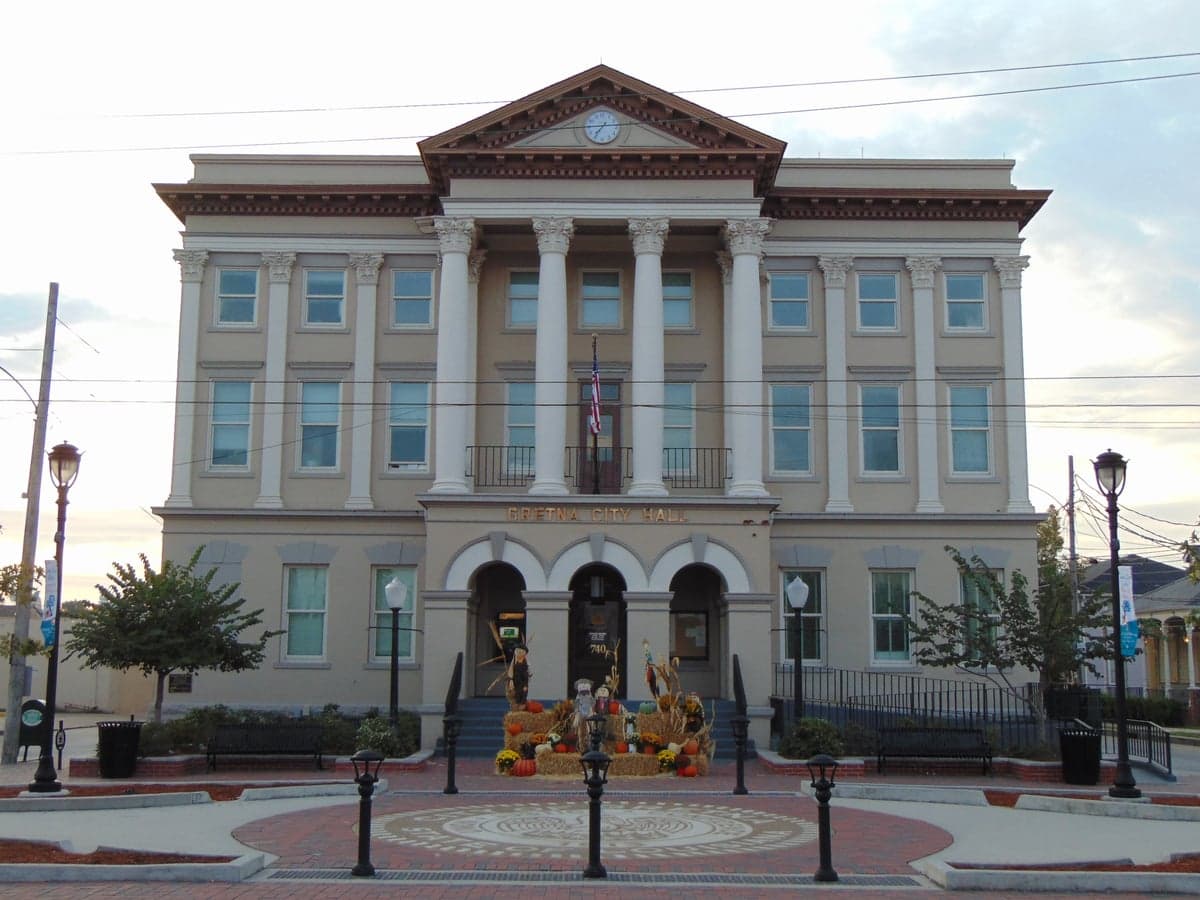
Photo: Wikipedia
Quality of Life in Jefferson County
A livable area that tracks near national norms for affordability, walkability, and neighborhood health.
What does Quality of Life tell us?
Quality of Life measures an area by evaluating factors like cost of living, nearby amenities, country club access, airport proximity, socioeconomic signals and neighborhood character. For large states, this is a general average — quality of life can vary dramatically between metro areas, suburbs, and rural communities within the same state.
What does this tell us?
Quality of Life measures an area by evaluating factors like cost of living, nearby amenities, country club access, airport proximity, socioeconomic signals and neighborhood character. For large states, this is a general average — quality of life can vary dramatically between metro areas, suburbs, and rural communities within the same state.
Cost of Living
6% below national average
94%
The Real Cost of Living in Jefferson County for 2026
| Tier | Individual | Family (4) |
|---|---|---|
| Survival | $19k | $35k |
| Comfortable | $47k | $70k |
| Luxury | $118k+ | $183k+ |
| Elite (Top 5%) | $151k+ | $234k+ |
Quality-of-Life Analysis
Jefferson County, Louisiana, offers a broad quality-of-life spectrum that ranges from the dense, amenity-rich suburbs of New Orleans to quiet, unincorporated bayou communities and rural stretches along the Mississippi River. The county's character shifts noticeably from east to west: the eastern edge, anchored by Metairie and Kenner, feels like an extension of the New Orleans metro area with fast-paced commercial corridors and high-density neighborhoods, while the western and southern parts of the parish slow down into small-town and semi-rural settings. This diversity attracts a wide mix of residents — young professionals and families who want urban proximity without Orleans Parish taxes, retirees seeking quieter riverfront living, and workers in the maritime and petrochemical industries who value short commutes to industrial hubs along the river.
Largest town(s) & population centers
Metairie is the county's largest unincorporated community and its de facto urban core, with a population exceeding 140,000. Daily life here is defined by strip-mall retail along Veterans Memorial Boulevard, a dense concentration of restaurants and medical offices, and easy access to Interstate 10. Kenner, the only incorporated city in the parish, is home to the Louis Armstrong New Orleans International Airport and a mix of older subdivisions and newer townhome developments. Both areas offer the most extensive shopping, dining, and entertainment options in the parish, along with the highest traffic volumes. Gretna, located directly across the Mississippi from New Orleans, functions as a smaller urban center with a walkable historic district, the Gretna Farmers Market, and a growing number of craft breweries and local shops. These population centers draw residents who want the amenities of a major metro area — including multiple hospitals, private schools, and professional services — while paying lower property taxes than Orleans Parish and benefiting from an average commute of just over 24 minutes.
Smaller towns & rural pockets
West of the urban core, Harvey, Marrero, and Westwego form a band of older, quieter communities along the Mississippi River's west bank. These areas feature modest post-war homes, live-oak-lined streets, and a slower pace of life. Further south, Lafitte and Barataria sit at the edge of the Barataria Preserve, a vast wetland ecosystem that defines the parish's southern boundary. These unincorporated fishing villages are dominated by marinas, seafood processing facilities, and stilt-raised homes — a world apart from the suburban bustle of Metairie. Jean Lafitte, a small incorporated town within the Barataria basin, has a population under 2,000 and is known for its swamp tours, crawfish boils, and strong Cajun cultural traditions. The rural pockets along Bayou Barataria and the lower reaches of the Mississippi River offer residents direct access to fishing, boating, and hunting, but with limited retail and no major grocery stores within a 15-minute drive.
Cost & lifestyle range
The county's cost-of-living index of 94 (100 is the U.S. average) reflects a spread that is wider than the single number suggests. At the higher end, Metairie's Lakeshore neighborhood and the Old Metairie historic district feature median home values well above the parish average of $243,500, with many homes exceeding $500,000 and commanding views of Lake Pontchartrain. These areas offer walkable access to lakefront parks, private schools, and upscale dining. At the lower end, Westwego and parts of Marrero have median home values closer to $150,000, with median rents around $1,162 — affordable by metro New Orleans standards. The lifestyle trade-off is clear: eastern Jefferson County provides dense amenities, shorter commutes to downtown New Orleans, and higher housing costs, while western and southern areas offer more space, lower prices, and a quieter daily rhythm but require longer drives for shopping and entertainment. The average commute of 24 minutes holds across much of the parish, though residents in Lafitte or Barataria may face 35- to 40-minute drives to reach a full-service grocery store or hospital.
Jefferson County works best for people who want the economic and cultural advantages of the New Orleans region without the higher costs and bureaucratic challenges of Orleans Parish. Families who prioritize school quality and safety tend to cluster in Metairie and Kenner, where the Jefferson Parish Public School System operates several highly rated magnet and charter schools. Retirees and outdoor enthusiasts are drawn to the riverfront and bayou communities for their lower cost of living and recreational access. Professionals commuting to the Central Business District or the industrial plants along the Mississippi River find the 24-minute average drive time competitive with any suburban metro area in the South. The parish's internal diversity means that a buyer or renter can shift their lifestyle significantly by moving just 10 miles west or east, making Jefferson County a region where location choice directly shapes daily experience.

Crime in Jefferson County
Crime rates similar to the national median for U.S. locations.
Violent CrimeViolent Crime Analysis
Property CrimeProperty Crime Analysis
Crime Analysis
Jefferson County, Louisiana, presents a mixed safety picture for potential residents. With a violent crime rate of 361.5 incidents per 100,000 residents and a property crime rate of 1,446.4 per 100,000, the parish sits above national averages but below the most dangerous urban cores in the state. The data reflects a suburban parish grappling with spillover crime from neighboring New Orleans while maintaining pockets of relative safety in communities like River Ridge, Harahan, and Old Jefferson.
Crime in context
Jefferson County's violent crime rate of 361.5 per 100,000 is roughly 20% higher than the national average of approximately 300 per 100,000, but significantly lower than Orleans Parish, which recorded rates above 1,000 per 100,000 in recent years. The property crime rate of 1,446.4 per 100,000 is about 15% above the national average of roughly 1,250 per 100,000. When compared to neighboring St. Tammany Parish, which consistently posts lower crime figures, Jefferson County's numbers are notably elevated. The parish's proximity to New Orleans means that crime patterns in the city—particularly auto theft and burglary—often ripple into communities like Kenner and Metairie, which border the Orleans line.
What residents experience
Residents of Jefferson County report that property crime is the most tangible safety concern. Vehicle break-ins, package theft, and residential burglaries are the most common incidents, particularly in areas with easy highway access like Metairie near I-10 and Kenner near the airport. Violent crime, while less frequent, is concentrated in specific corridors. The Terrytown and Gretna areas on the West Bank have seen periodic spikes in armed robbery and aggravated assault, often tied to drug-related activity. The Jefferson Parish Sheriff's Office (JPSO) maintains a visible presence, and response times are generally faster than in Orleans Parish. However, the progressive policies of the Jefferson Parish District Attorney's office have drawn criticism from residents who feel that plea deals and reduced sentencing for repeat offenders undermine public safety. Critics argue that a lenient approach to non-violent property crimes and drug offenses creates a revolving door that emboldens criminals and frustrates victims seeking justice.
Neighborhood-level variation
Safety in Jefferson County varies dramatically by neighborhood. River Ridge and Harahan consistently report the lowest crime rates in the parish, with violent crime nearly absent and property crime well below the parish average. Old Jefferson, a census-designated place near the Orleans line, also maintains relatively low crime figures due to its tight-knit community and active neighborhood watch programs. On the other end of the spectrum, Metairie's areas near Causeway Boulevard and Veterans Memorial Boulevard experience higher rates of theft and vehicle crime, driven by dense commercial activity and transient populations. Kenner's neighborhoods near the Louis Armstrong New Orleans International Airport see elevated property crime, while Gretna and Terrytown on the West Bank have pockets where violent crime is more common. Prospective residents should research specific ZIP codes and consult JPSO's online crime mapping tool, as block-level variation within these communities can be significant.
* Values derived from national, state, county, city and local statistics and may differ in a specific area. Last updated: 2026-06-17T14:32:28.000Z
Narrative content on this page is AI-generated and may contain mistakes. Verify any details that matter before acting on them.
ReloMaps may earn a commission from affiliate links at no extra cost to you.

