Photo: Wikipedia
Demographics of Los Gatos, CA
Affluence Level in Los Gatos, CA
An elite concentration of wealth — high incomes, strong home values, advanced degrees, and minimal poverty signal a top-tier socioeconomic profile.
People of Los Gatos, CA
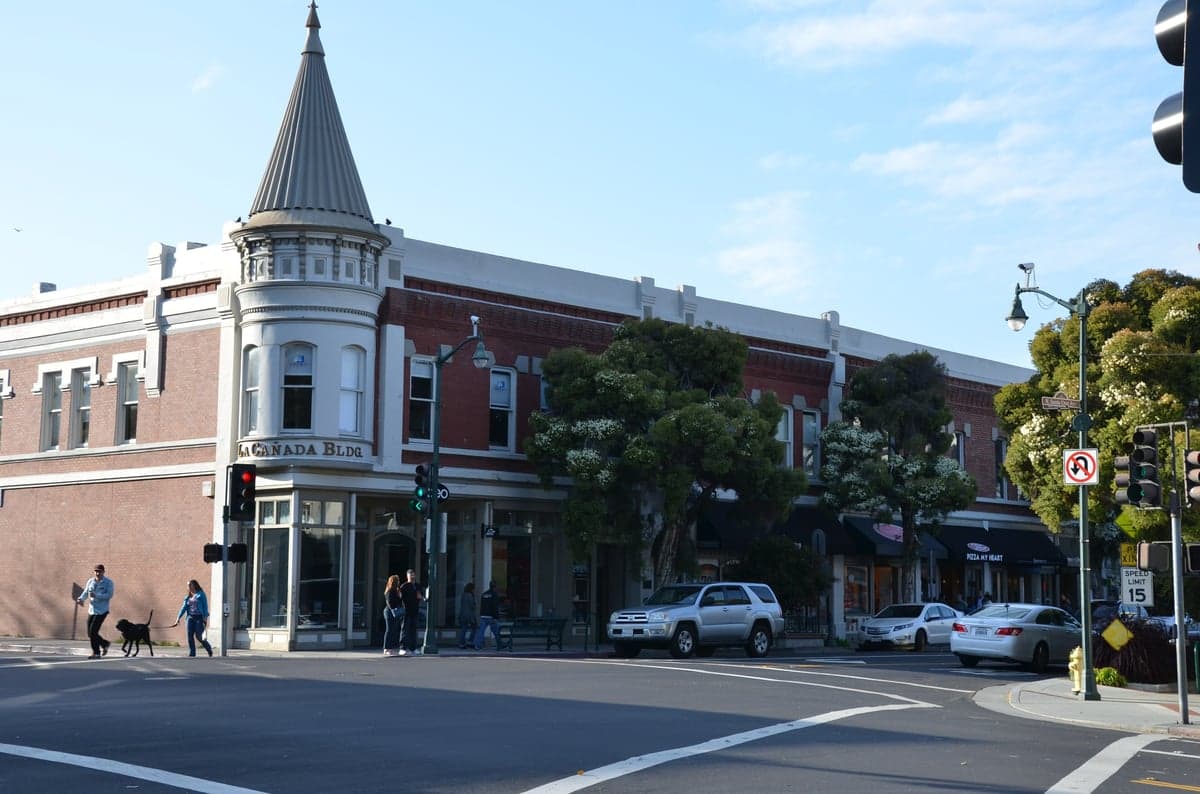
The people of Los Gatos, California, today form a highly educated, predominantly white community of roughly 32,773 residents, distinguished by a median household income well above the national average and a strong concentration of professionals in technology and finance. The town carries a distinct identity as an affluent, family-oriented enclave at the base of the Santa Cruz Mountains, where historic downtown charm meets suburban comfort. With 74.9% of adults holding a bachelor's degree or higher and a foreign-born population of 10.2%, Los Gatos is notably less diverse than neighboring San Jose, though its Asian and Indian communities have grown steadily in recent decades. The population is dense by suburban standards, with a feel that balances quiet residential streets, high-end retail, and easy access to Silicon Valley employment centers.
How the city was settled and grew
Los Gatos was originally inhabited by the Ohlone people, but its modern settlement began with the 1840s Mexican land grant of Rancho Rinconada de Los Gatos, which drew early ranchers and farmers. The real population wave arrived after the 1850s California Gold Rush, when European immigrants—primarily from Italy, Portugal, and Germany—came to work in the area's lumber mills, orchards, and the emerging wine industry. These early settlers built homes in what is now the Old Town neighborhood, centered around Santa Cruz Avenue and Main Street, where many Victorian and Craftsman houses still stand. By the early 20th century, the arrival of the railroad spurred a second wave of middle-class families, who established the East Los Gatos area (east of Highway 17) with modest bungalows and small farms. The town remained a semi-rural retreat for San Francisco's elite through the 1940s, with summer cottages dotting the hillsides of Monte Sereno (which later incorporated separately) and the Blossom Hill area. The post-World War II boom brought a third wave of white, middle-class families from the Bay Area, who filled the new tract homes of West Los Gatos and the Almaden Valley fringe, cementing the town's reputation as a safe, well-schooled suburb.
Modern era (post-1965)
The 1965 Hart-Cellar Immigration Act reshaped Los Gatos's demographics, though more slowly than in nearby cities. The first significant non-white influx came in the 1970s and 1980s, when East and Southeast Asian families—primarily Chinese and Japanese—moved into the West Los Gatos and Blossom Hill neighborhoods, drawn by the town's top-ranked schools and proximity to emerging tech jobs in Cupertino and San Jose. By the 1990s, Indian professionals (from the subcontinent) began settling in the same areas, particularly around Daves Avenue and Shannon Road, where larger homes and newer developments offered space for multigenerational households. Today, East/Southeast Asians make up 13.9% of the population and Indians 5.3%, with both groups concentrated in the western and southern parts of town. The Hispanic population, at 9.6%, is more dispersed but has a historic presence in East Los Gatos, where some families trace roots to the farmworker communities of the early 1900s. The Black population remains very small at 1.5%, reflecting the town's persistent lack of affordable housing and limited diversity compared to the broader Santa Clara County. Domestic in-migration from other parts of California and the U.S. has been the dominant driver of growth since 2000, with many newcomers being high-income tech workers and their families who can afford the area's steep home prices.
The future
The population of Los Gatos is slowly becoming more diverse, though the pace is modest. The East/Southeast Asian and Indian shares are projected to increase gradually as second-generation professionals remain in the area and new immigrants from China, India, and Taiwan continue to be drawn by the school system and tech employment. The white share, while still a majority at 65.0%, is declining slightly as older residents age out and younger, more diverse families move in. The Hispanic population is expected to remain stable or grow slowly, constrained by housing costs that push many working-class families to more affordable parts of Santa Clara County. New residential development is limited by the town's built-out nature and strict zoning, so future population growth will likely be modest—perhaps 1-2% per decade—with most new households concentrated in infill projects near Downtown and along the Los Gatos Boulevard corridor. The cultural identity is evolving from a purely white, old-money enclave toward a more multiethnic, tech-driven community, but the high cost of entry means Los Gatos will remain an affluent, highly educated town for the foreseeable future.
For someone moving in now, Los Gatos offers a stable, family-oriented environment with excellent schools and low crime, but it comes with a premium price tag and limited demographic diversity. The town is becoming slightly more Asian and Indian, yet remains overwhelmingly white and wealthy, with little change expected in the next decade. It is a place where newcomers will find a well-established, conservative-leaning community that values tradition, education, and quality of life over rapid change.

* Values derived from national, state, county, city and local statistics and may differ in a specific area. Last updated: 2026-09-19T04:56:55.000Z
Narrative content on this page is AI-generated and may contain mistakes. Verify any details that matter before acting on them.
ReloMaps may earn a commission from affiliate links at no extra cost to you.

