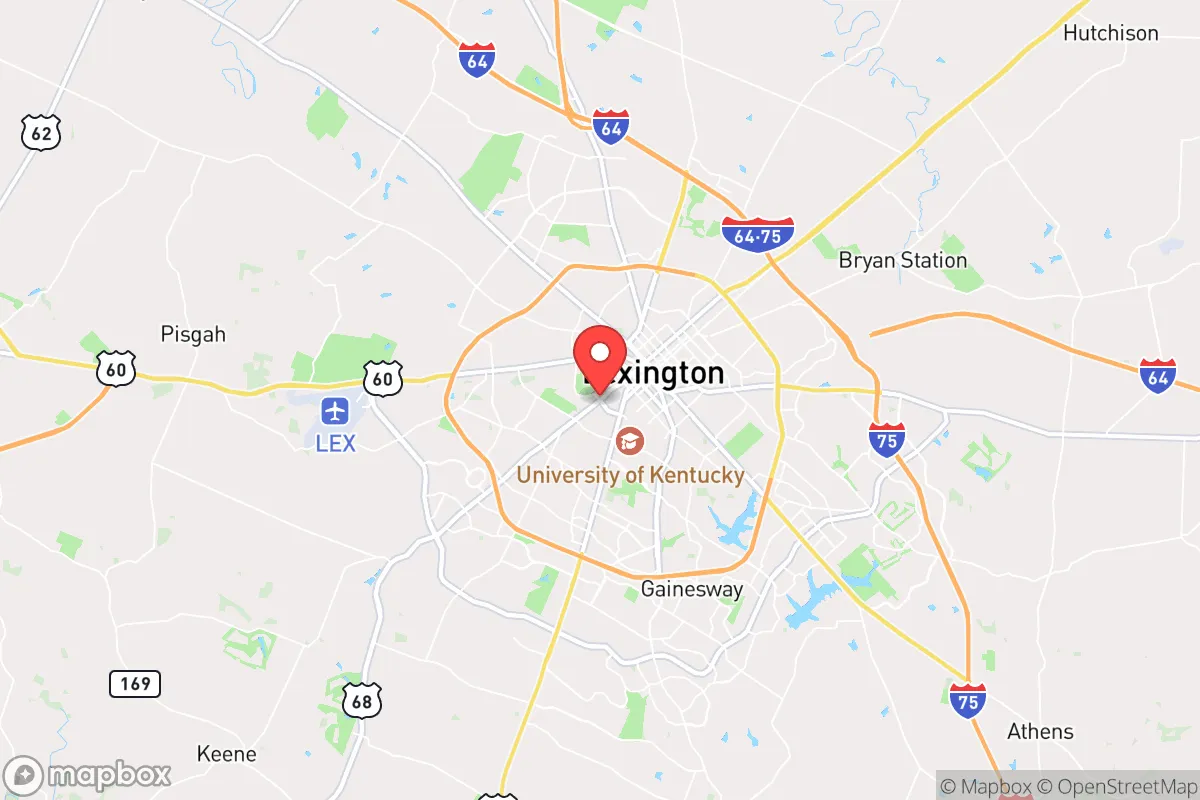
An Unincorporated Community in Fayette County, Kentucky
Find The Best Places To Live
in Lexington Fayette Urban County
PRO TIP! You can paste a Zillow or Redfin link to get info on that property.
Compare Lexington Fayette Urban County with another place
What It's Like Living in Lexington Fayette Urban County, KY
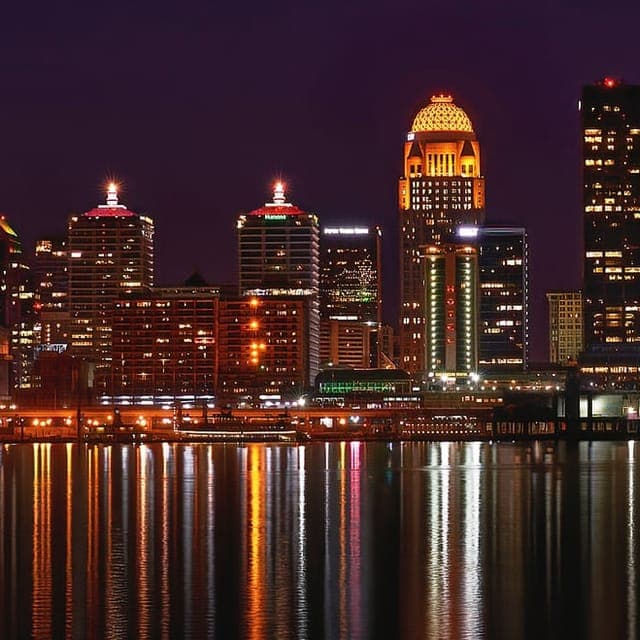
Lexington has a way of sneaking up on you. It’s not trying to be Nashville or Austin—it’s content being a big small town where bourbon flows like water, basketball is practically a religion, and you can be on a horse farm five minutes after leaving a downtown brewery. People here tend to stay because the pace feels right: fast enough to have a good job and a decent restaurant scene, slow enough that you still recognize your neighbor at the grocery store.
The Daily Rhythm: Horses, Bourbon, and a 20-Minute Commute
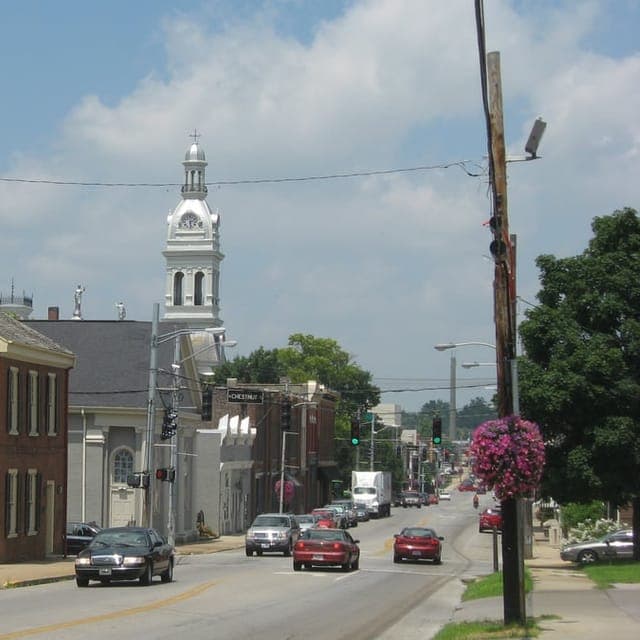
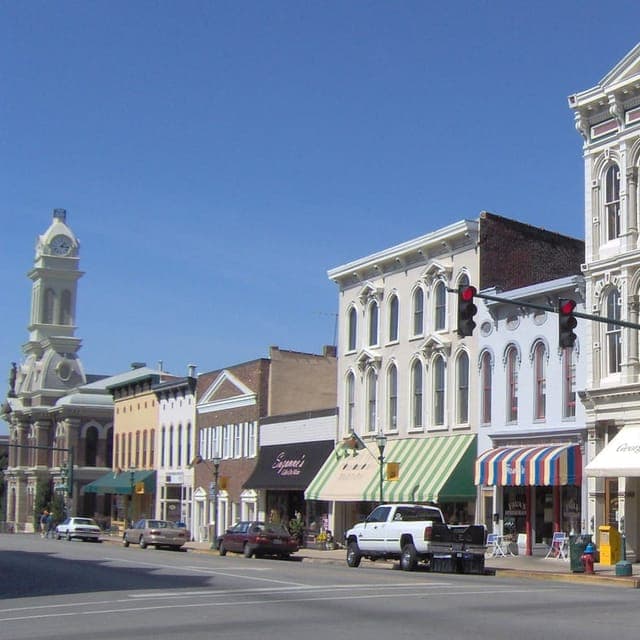
Most mornings in Lexington start with a drive that doesn’t make you want to quit your job. The average commute clocks in at just under 21 minutes, which means you can live in a neighborhood with a yard and still get to work downtown before your coffee gets cold. The city’s layout is a grid of historic districts, suburban subdivisions, and rural pockets—people shop at the same Kroger they’ve gone to for years, grab lunch at a place like Magee’s Bakery for a slice of buttermilk pie, and spend Saturday mornings at the Lexington Farmers’ Market under the pavilion at Cheapside Park.
Work here is dominated by two things: the University of Kentucky and the horse industry. UK is the largest employer, pulling in researchers, professors, and healthcare workers. The equine economy—breeding, training, veterinary services—is a close second, giving the city a unique mix of white-collar professionals and blue-collar horsemen. You’ll see pickup trucks with horse trailers parked next to Teslas at the same coffee shop. The median household income sits at $67,631, which goes further here than in many cities thanks to a cost of living index of 95—slightly below the national average. That means a $272,100 median home value gets you a solid three-bedroom in a good school district, not a fixer-upper.
Sports & Community: Where Basketball Is a Year-Round Religion
If you move to Lexington and don’t care about college basketball, you’ll learn to care. Kentucky Wildcats basketball is the cultural center of gravity. From November through March, bars like KSBar and Tin Roof are packed for every game, and Rupp Arena turns into a sea of blue on game nights. High school basketball is also a big deal—teams like Lexington Catholic and Henry Clay draw real crowds for rivalry games. Football is secondary, but UK’s Kroger Field still fills up on Saturdays in the fall.
The horse culture isn’t just for the wealthy. The Keeneland Race Course hosts two live meets a year (April and October), and locals treat it like a social calendar event—dressing up, tailgating on the lawn, and betting a few dollars on a horse with a funny name. Even if you never go to the track, the city’s identity is wrapped up in the bluegrass landscape: white fences, rolling pastures, and barns that have been in the same families for generations.
What’s There to Do: Festivals, Parks, and a Surprisingly Good Food Scene
Lexington punches above its weight for a city of 321,122 people. The Woodland Art Fair draws thousands every August, and the Bourbon Chase relay race winds through the countryside in October. The Lexington Philharmonic and the Lyric Theatre offer cultural nights out, but most people spend their weekends outdoors. Jacobson Park has a lake with paddleboats, Raven Run Nature Sanctuary has 10 miles of hiking trails, and the Arboretum is a quiet spot for a walk or a picnic.
The food scene has grown fast. You can get a world-class meal at Dudley’s on Short or a messy burger at Wallace Station out in Versailles. Bourbon tourism is real—you’re 20 minutes from distilleries like Woodford Reserve and Buffalo Trace, and downtown has tasting rooms like Bourbon on Rye. Nightlife is modest but functional: a few live music venues like The Burl, a handful of cocktail bars, and a lot of breweries (West Sixth, Country Boy, Blue Stallion).
Pros and Cons of Living Here: What Locals Actually Say
The upsides are easy to list. Cost of living is reasonable for a city with this many amenities. Traffic is manageable—rush hour on New Circle Road is annoying but not soul-crushing. Schools are solid, especially in the Fayette County Public Schools system, and the community rallies around them. 47.3% of adults hold a college degree, which gives the city an educated, engaged feel without the pretension of a bigger metro.
The downsides are real, too. Violent crime is a concern—the rate of 212.6 per 100,000 is above the national average, and it’s concentrated in certain neighborhoods (north and east sides of town). Locals will tell you to lock your car doors and avoid certain blocks after dark, but most people don’t feel unsafe day-to-day. Weather is four seasons on steroids: humid summers in the 90s, gray winters with occasional ice storms, and a glorious spring and fall that make you forget the rest. Diversity is limited—the city is predominantly white and politically moderate-to-conservative, which suits some people fine but can feel insular to others.
The median age is 35.2, which means you’re surrounded by young families and early-career professionals. It’s a place where you can buy a house, raise kids, and actually know your neighbors. The biggest cultural quirk? People here are genuinely friendly but not pushy—they’ll wave at you on a hike but won’t invite themselves over. Lexington rewards people who show up, join a kickball league, or volunteer at the horse park. If you do, it stops feeling like a city and starts feeling like home.

Similar mid-size cities to Lexington Fayette Urban County

* Values derived from national, state, county, city and local statistics and may differ in a specific area. Last updated: 2026-06-22T21:16:39.000Z
Narrative content on this page is AI-generated and may contain mistakes. Verify any details that matter before acting on them.
ReloMaps may earn a commission from affiliate links at no extra cost to you.

